The Marvel Cinematic Universe launched with Iron Man in 2008 and, in the nearly two decades since, has collectively grossed over $30 billion at the global box office while reshaping how studios, networks, and streaming platforms approach superhero IP at every level. The arms race to find the next superhero hit also changed how producers approached television, a process that has only accelerated as Marvel Studios produced over a dozen Disney+ series that are constantly challenging fans’ expectations regarding storytelling and visuals. Even as the MCU struggles to regain the commercial footing it once had, the franchise is dominant enough to set the template other still follow.
Videos by ComicBook.com
However, the MCU did not arrive in a vacuum. Since the inception of the superhero genre in comic books, networks and producers have tried to turn costumed defenders into superstars. For sure, limited budget and the constraints of practical effects have limited early live-action superhero adaptations. Yet, a handful of TV shows that predate the MCU helped build the language for serialized superhero storytelling.
7) Heroes

NBC’s Heroes launched in September 2006 without the support of an established comic book property and built its first season around a genuinely original premise, tracking ordinary people who discover superhuman abilities. Creator Tim Kring borrowed the ensemble model from Lost and applied it to superhero mythology, populating the show with characters whose powers were extensions of their psychological states. The series averaged approximately 14 million viewers per episode across its first season and generated the “save the cheerleader, save the world” mid-season campaign, one of the most effective marketing initiatives in network television history. Unfortunately, a Writers Guild of America strike disrupted the second season before it could consolidate what the first had built, and the show never fully recovered. Still, Heroes‘ first season remains an excellent superhero TV show.
6) The Flash
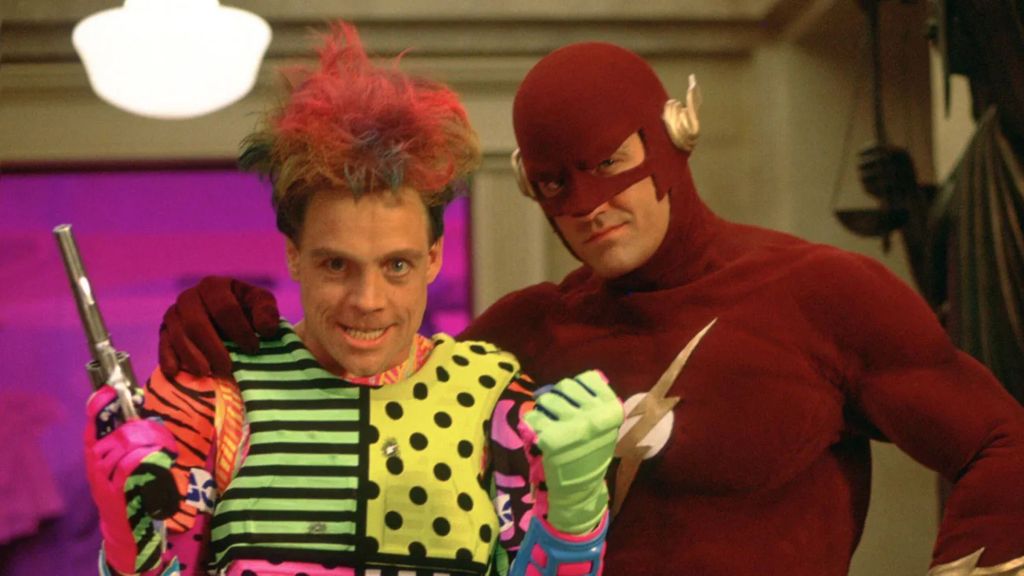
CBS’s The Flash arrived in September 1990 as the most expensive superhero series American television had attempted, with a two-hour pilot that cost $6 million and subsequent episodes running approximately $1.6 million each. That budget bought the series a Danny Elfman score, a practical suit design built from a modified high-pressure diving suit, and production values closer to a Tim Burton film than anything network television had previously committed to the genre. Showrunners Danny Bilson and Paul De Meo also cast Mark Hamill as the Trickster and David Cassidy as Mirror Master, treating the comic book villains with a seriousness that was unprecedented at a time when most network executives still considered superheroes inherently juvenile. The Flash was ultimately killed by a rotating time slot that prevented it from consolidating an audience, but the single season it produced showed how superhero television could operate at a cinematic scale.
5) Lois & Clark: The New Adventures of Superman
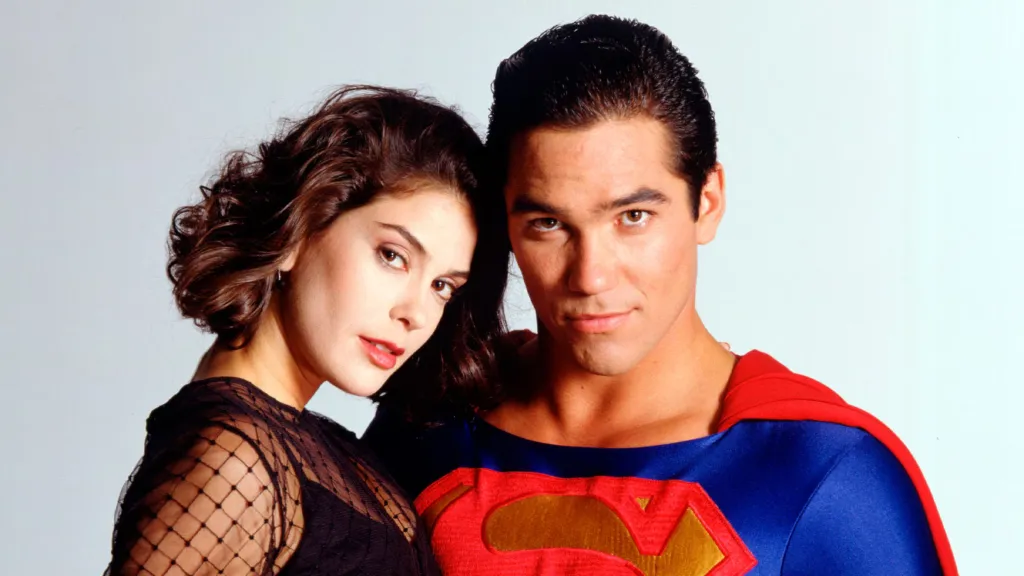
Network executives traditionally approach superhero properties as action-oriented programming. ABC deliberately subverted that standard in 1993 with Lois & Clark: The New Adventures of Superman, reframing DC Comics mythology as a romantic comedy and workplace drama. The series prioritized the interpersonal tension between Clark Kent (Dean Cain) and Lois Lane (Teri Hatcher) over elaborate superhuman brawls, using the Daily Planet newsroom as the primary engine for narrative conflict. The structural shift allowed the writers to explore the emotional complications of maintaining a dual identity, while the focus on romance and investigative journalism provided a highly effective workaround for the era’s restrictive television budgets. The production team saved significant resources by keeping the Man of Steel out of costume for the majority of each episode, relying on physical comedy and sharp dialogue rather than expensive visual effects sequences.
4) Batman
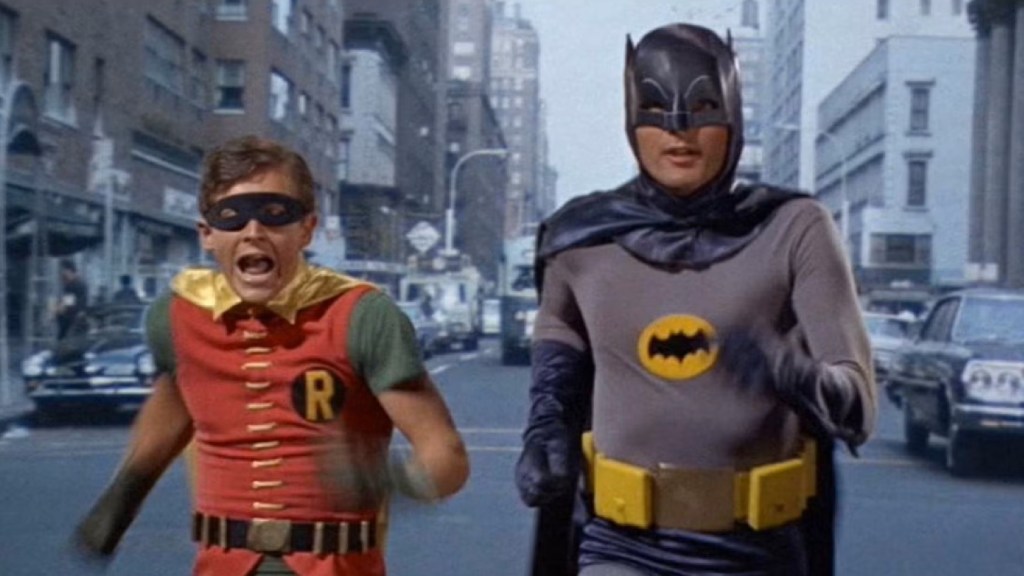
ABC premiered Batman in January 1966 as a twice‑weekly half‑hour series, and producer William Dozier immediately framed the entire enterprise as pop‑art camp rather than straight‑faced adventure. In each episode, Adam West’s Caped Crusader delivered deadpan moral lessons while fight sequences were punctuated by brightly colored on‑screen sound‑effect cards that underlined the slapstick nature of comic book violence. As a result, the series functioned simultaneously as children’s entertainment and a fun experience for adults who could perceive the irony embedded in the dialogues and absurdist premises. Plus, the guest‑villain roster of Batman became a who’s-who of celebrity Hollywood, including Cesar Romero’s Joker, Burgess Meredith’s Penguin, and Julie Newmar’s Catwoman. While later generations of comic book creators fought to return Batman to his gothic roots, the 1966 series remains a brilliant execution of satirical television that kept the property commercially viable.
3) Wonder Woman
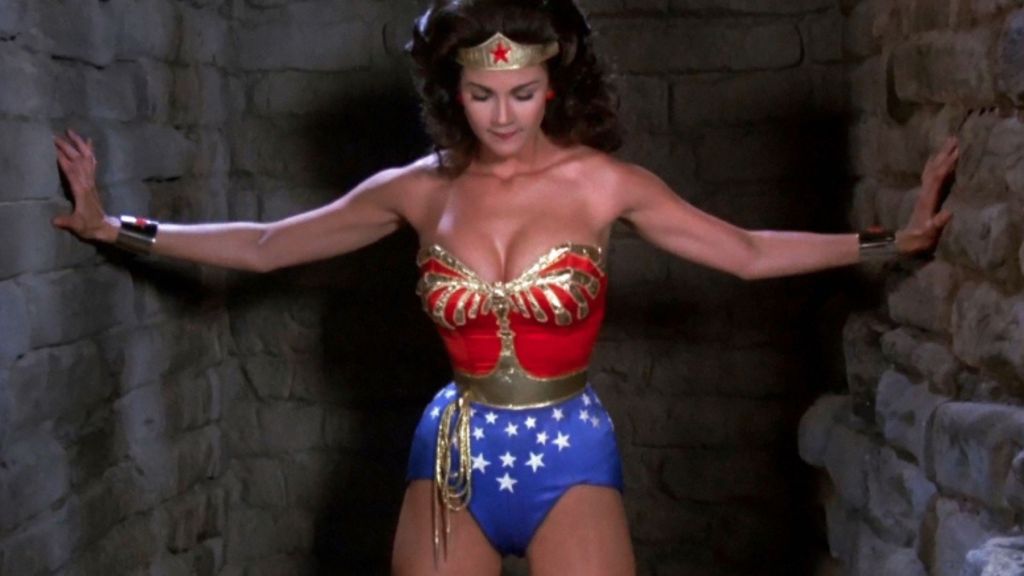
Thanks to Lynda Carter, the 1975 adaptation of Wonder Woman transformed Diana Prince into a definitive cultural icon. The initial ABC season embraced a colored World War II setting, faithfully adapting the character’s origins while pitting the Amazonian warrior against Axis spies and military saboteurs. Following a network transition to CBS, the production updated the timeline to the 1970s, placing Diana inside a modern intelligence agency to cut historical costume costs and streamline the procedural plots. Despite the shifting eras, the series maintained a consistent tone built around Carter’s earnest performance. The production also heavily utilized practical stunt work, trampolines, and the now-legendary spinning wardrobe transformation to simulate superhuman abilities, making the most of the Golden Age of Comic Books to create what’s arguably the definitive version of Wonder Woman.
2) The Incredible Hulk
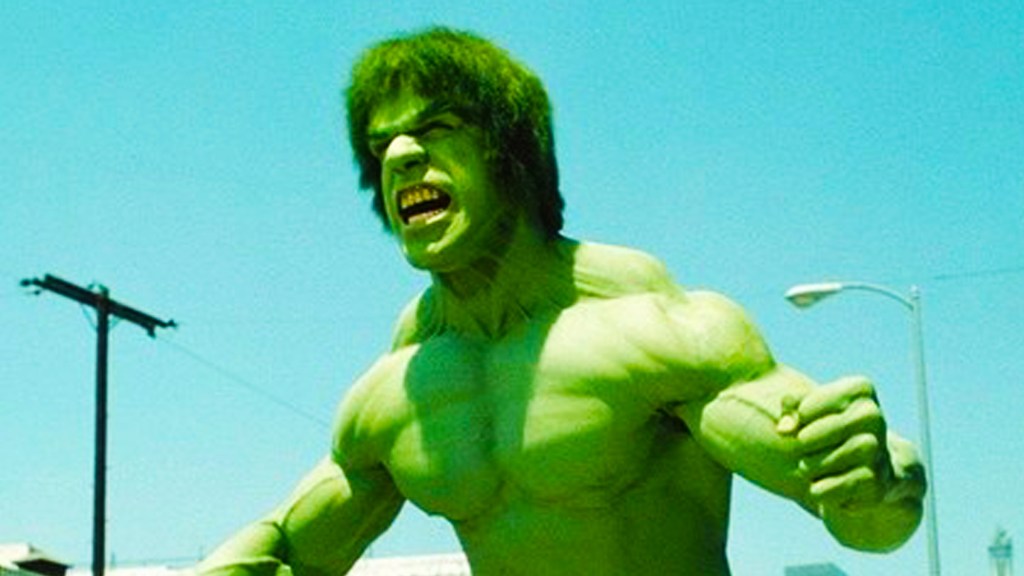
CBS’s The Incredible Hulk premiered in March 1978 and immediately diverged from every superhero adaptation that had come before by highlighting the psychological tragedy of its source material, instead of investing in the action spectacle. The series followed Bill Bixby as Dr. David Banner, a soft‑spoken widower haunted by grief and cursed by a gamma‑radiation accident that tethered his existence to Lou Ferrigno’s towering, green‑painted Hulk. The Incredible Hulk stripped away the mythology and replaced it with the lonely‑wanderer structure of The Fugitive, as Banner drifted from town to town searching for a cure. The series ran five seasons and spawned three post‑series television movies, bringing Banner’s journey to a tearful close in The Death of the Incredible Hulk long before serialized finales were standard practice. By treating the superpower as a tragic medical condition rather than a heroic gift, The Incredible Hulk achieved a level of critical respectability that eluded other comic book adaptations of the decade.
1) Smallville

The WB launched Smallville in 2001 with a strict, network-mandated “no tights, no flights” rule designed to separate the project from previous cinematic iterations of the Superman mythology. As a result, creators Alfred Gough and Miles Millar focused entirely on the tumultuous adolescence of Clark Kent (Tom Welling), treating his developing alien abilities as a metaphor for the alienation and physical awkwardness of puberty. The show also mapped the tragic friendship between Clark and a young Lex Luthor (Michael Rosenbaum), creating a nuanced origin story for one of fiction’s greatest rivalries. Over the course of ten seasons, Smallville gradually expanded its scope beyond the borders of a Kansas farming community, slowly integrating elements of the wider DC Comics universe. Because of that, Smallville successfully bridged the gap between serialized teen melodrama and expansive comic book world-building, proving that long-form superhero television could sustain a dedicated audience for an entire decade.
Which superhero TV show released before the MCU is your favorite? Leave a comment below and join the conversation now in the ComicBook Forum!
More TV Shows
-

IMAGE COURTESY OF MARVEL STUDIOS