Running for ten seasons and over 200 episodes, Stargate SG-1 follows Colonel Jack O’Neill, Samantha Carter, Daniel Jackson, and Teal’c as they explore alien worlds via portal system. Led by stars Richard Dean Anderson, Amanda Tapping, Michael Shanks, and Christopher Judge, the show and the Stargate franchise as a whole have since become a staple of sci-fi TV.
Videos by ComicBook.com
While the series is an undeniable classic that was recently added to Netflix, even the biggest fan will admit that SG-1 wasn’t always consistent. In fact, every season falls somewhere on a spectrum of nearly flawless to uneven. While some years and eras are still hotly debated among fans, we’re ranking all ten seasons of SG-1, from “good” to “masterpiece.”
10) Season 1
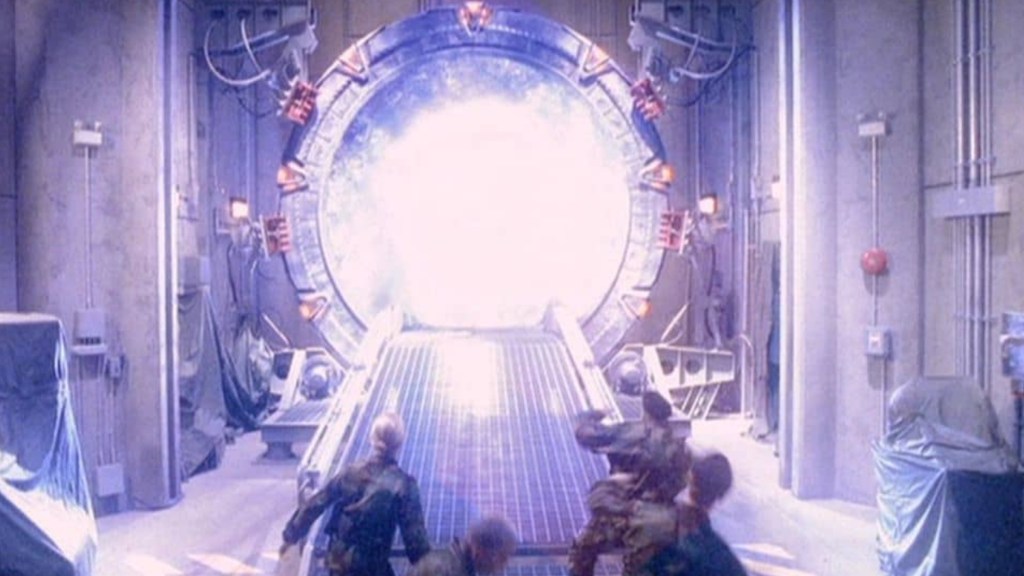
Season 1 is foundational, but it’s also the roughest patch of SG-1. “Children of the Gods” is a strong pilot as it sets up the Goa’uld threat and gets the team dynamic right almost immediately. Early episodes like “The Enemy Within” and “Cold Lazarus” also show some flashes of depth, but sadly, Season 1 also has the highest concentration of weak, forgettable episodes in the show’s entire run. A lot of it is corny in the early episodic sci-fi way, leaning on dated tropes and bad humor. Other favorites like “Thor’s Hammer” and “The Torment of Tantalus” stand out amongst the lackluster episodes, but they only hint at the epic storytelling to come.
9) Season 2
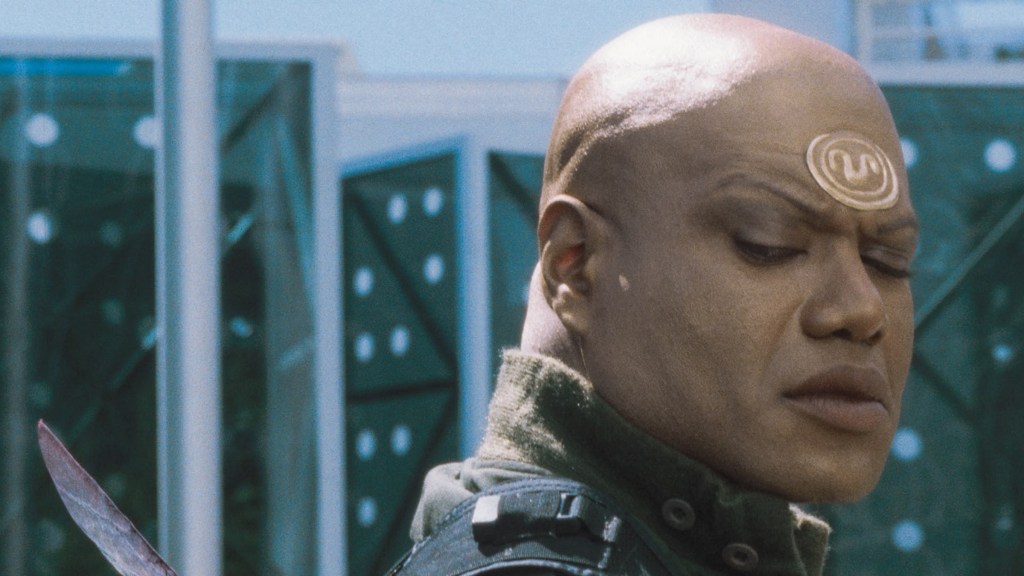
Season 2 was a lukewarm improvement on the first chapter, but SG-1 still hasn’t hit its stride here. The Asgard are introduced, adding intrigue to the Goa’uld hierarchy, and episodes like “In the Line of Duty” and “The Fifth Race” inch toward more sophisticated sci-fi. However, the season remains episodic, largely inconsequential, and inconsistent. While there are once again a few standouts, there are also quite a lot of middling filler adventures that are skippable on rewatch. It’s clear here that the writers were still experimenting with tone and pacing.
7) Season 9
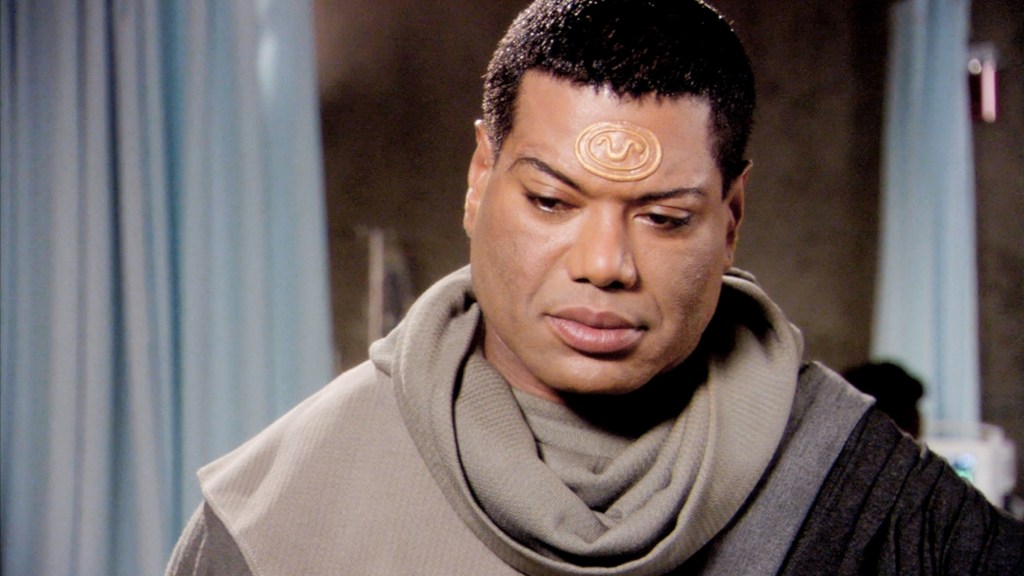
Jumping from the first few chapters to the last few, Season 9 feels a little too much like a soft reboot. With O’Neill mostly absent and Daniel ascending (again), the show resets. Ori-season defenders argue Vala and Mitchell bring something fresh to the table. However, the consensus remains that the change in direction is a hard pill to swallow, especially coming off Season 8’s iconic finale. The intro of the Ori wipes out many of the gains from previous seasons, and the new threat feels forced. While the season certainly has strong moments, it often feels disconnected from what came before.
8) Season 10
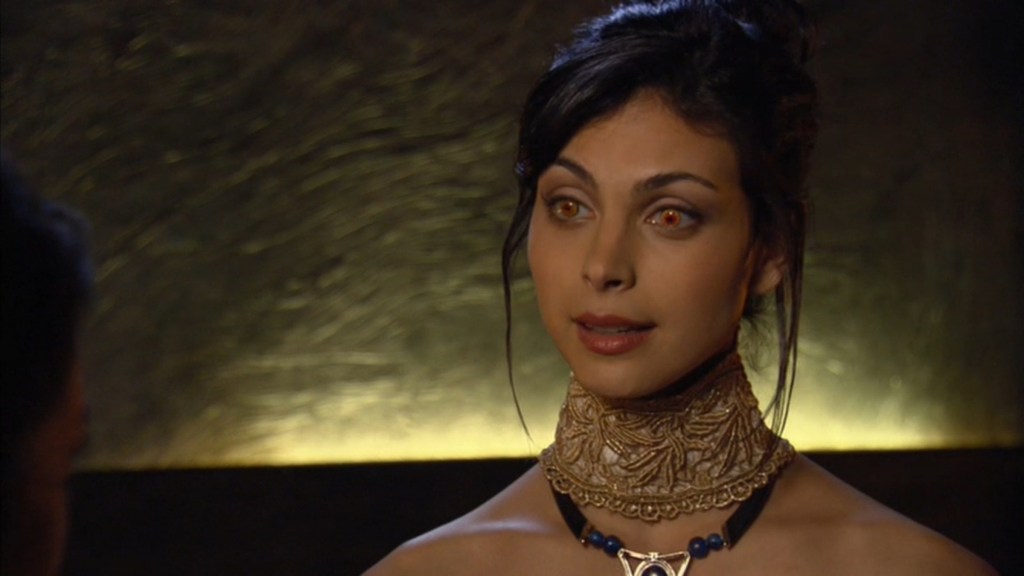
The Ori seasons also include Season 10, which is perhaps the most controversial. Ben Browder and Claudia Black are now established in the cast, and the ensemble chemistry is still strong. Yet the Ori storyline, though it’s visually impressive, manages to feel like a repurposed and less nuanced version of the Goa’uld. Many fans also dislike the season for feeling more like space fantasy than sci-fi, and for the villains not being as clever or threatening as earlier ones. Like Season 9, Season 10 isn’t bad, but for many, it’s a disappointing conclusion that veers too far away from the heart of the show.
6) Season 6

Season 6 is a solid, underrated era. It leans even more into serialized storytelling than previous seasons and is more willing to wade into morally gray waters, particularly regarding the Tok’ra and Earth’s influence in galactic affairs. SG-1 is operating very near its best in episodes like “Abyss” and “Disclosure,” while Jonas Quinn’s presence also adds an interesting dynamic throughout. Still, the season occasionally struggles with momentum, and more than one arc feels underbaked. It’s good, bordering on great SG-1, just not quite top-shelf.

5) Season 3

Season 3 is where SG-1 first commits to building a real, interconnected universe rather than relying on isolated missions. “Fair Game” makes the System Lords into serious rivals, and the episode “Pretense” introduces the Tollan legal system, expanding the franchise’s depiction of advanced civilizations in a real way for the first time, a la sci-fi rival Star Trek. This is also the season that resolves Daniel’s original motivation; “Forever in a Day” ends the Sha’re storyline that began in the pilot, allowing Daniel to evolve past grieving husband. Starting here, the show is truly in its prime.
4) Season 8
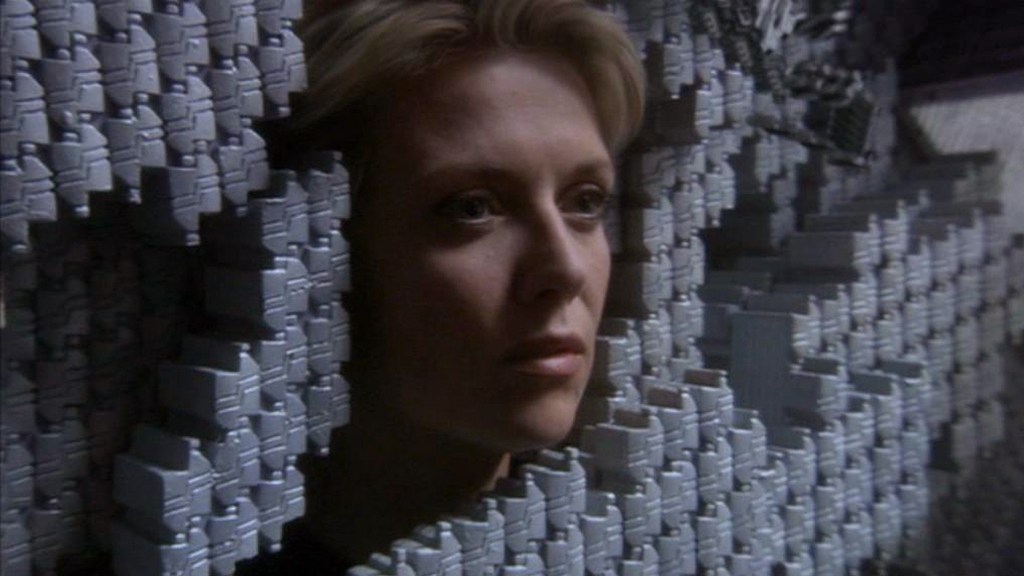
Season 8 begins unevenly as the show struggles with transitions such as Richard Dean Anderson’s waning screen time. Early episodes like “New Order” and “Lockdown” also spend a lot of time resetting the political and military status quo. However, the payoff comes in the final stretch that could very well have been the end of the entire series. “Reckoning” Parts 1 and 2 resolve the Replicator threat, and “Threads” wraps up multiple character arcs, including O’Neill’s promotion and Daniel’s personal journey. “Moebius” then uses an alt-timeline story to give the main storyline a satisfying “finale.” The final run of episodes is perhaps the best run in the series, giving audiences five hits in a row before heading into the Ori seasons.
3) Season 5
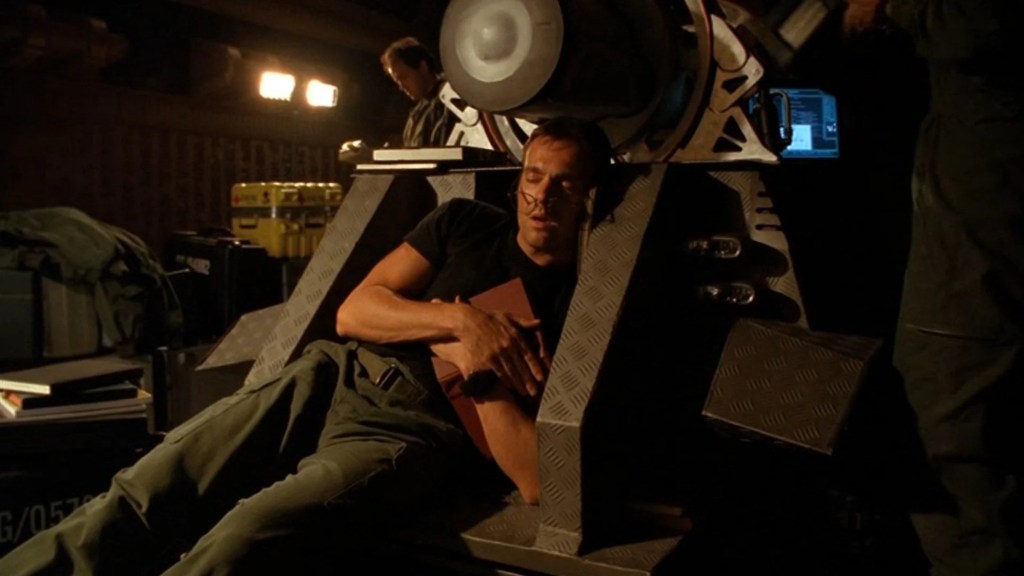
In Season 5, SG-1 is fully at its peak, refining and expanding concepts introduced in Seasons 3 and 4. The Replicators become a serious and sustained threat, starting with “Menace” and escalating through to “Revelations” and “Sentinel.” And unlike earlier villains, they cannot be negotiated with, forcing Earth and the Asgard into cooperation.
The beloved time-loop episode “Window of Opportunity” is in this season, which mostly exists to let O’Neill and Teal’c goof off for 44 minutes, and is one of the funniest things the show ever did. “Meridian” kills Daniel and sends him into his Ascended arc. “Fail Safe” and “Descent” are also excellent, and it’s clear the writers are showing off thier newfound confidence.
2) Season 4
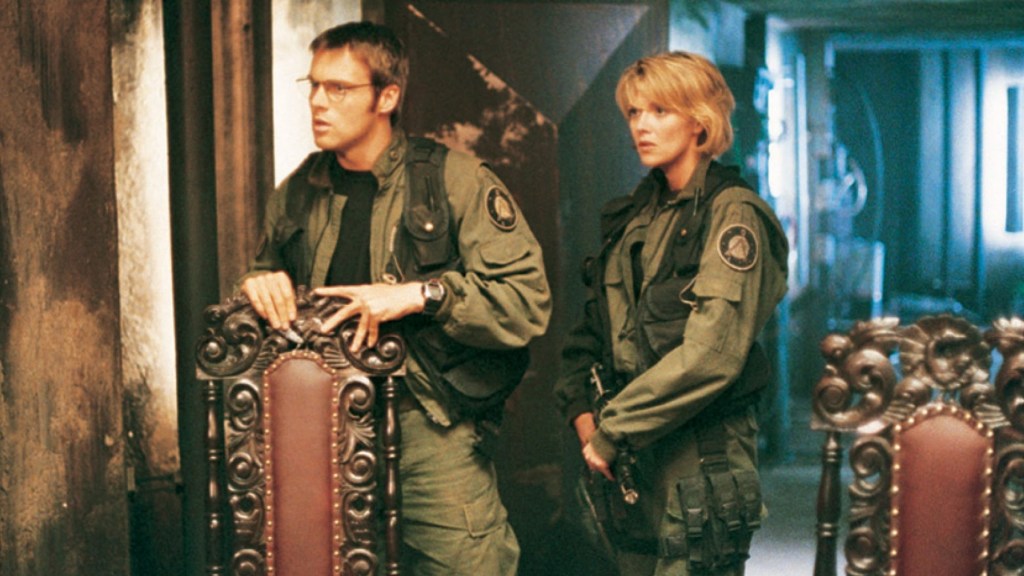
Season 4 might be the most fun and/or quintessential of any season, which is a different metric than “best” but still matters enough to get it to #2. The destruction of the Stargate in “Exodus” has real consequences, and the writers were already planning several steps ahead in the overarching story.
Standouts include: “Divide and Conquer,” which gives us the deeper character development we’ve been starved for leading up to Season 4; “Chain Reaction,” which removes General Hammond and plants seeds of political interference that have consequences throughout the series; and “2010,” which is an alt-future episode and cautionary tale about Earth moving too fast in its diplomatic relations. Additionally, the two-part finale “Exodus”/”Enemies” kills Apophis and deliberately closes one villain era while ushering in another. The narrative engineering in this season is remarkable, and it holds up as one of the “masterpiece” eras.
1) Season 7
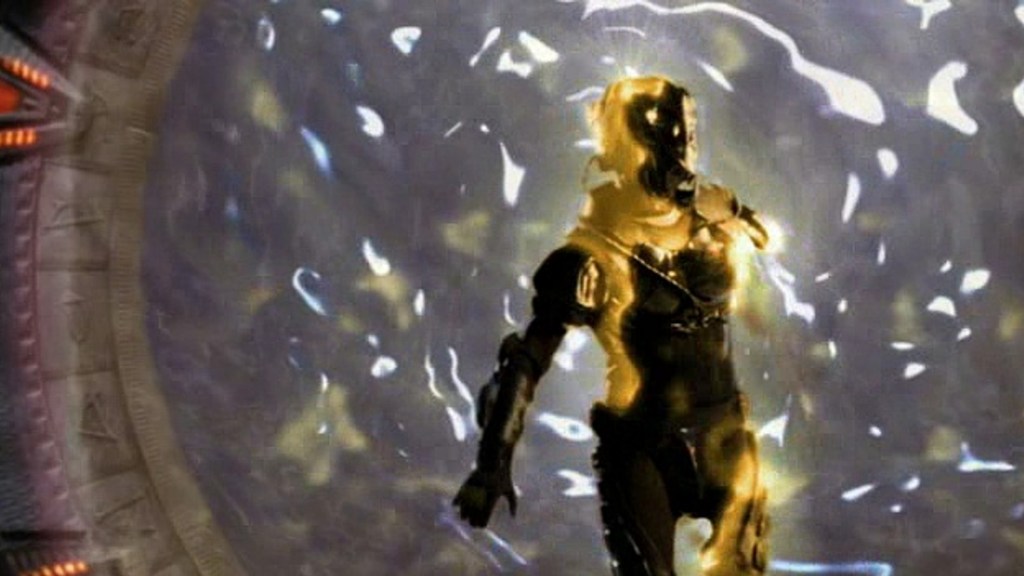
SG-1 Season 7 is widely beloved and regarded as the most cohesive and consistent in the series. Across all 22 eps, nearly every main storyline feeds into one of two season-wide arcs: one being Daniel’s return from Ascension, and the other being the search for the Lost City of the Ancients. “Fallen” and “Homecoming” reestablish Daniel’s place on the team, while “Evolution” sees Anubis deploy his terrifying new army of Kull warriors, engineered using Ancient technology and nearly unstoppable.
Mid-season fan-favorite “Heroes” reframes the series via in-universe documentary and results in the emotional death of Janet Fraiser. The Antarctic outpost is introduced in the season finale, “Lost City,” which launches the expedition that becomes Stargate Atlantis. Anubis’ fleet attack is also the largest coordinated battle in the franchise to that point. From start to finish, Season 7 builds momentum and sustains it. No other Stargate season beats this one when it comes to myth- and world-building, and it’s perhaps even one of the greatest seasons of sci-fi TV ever aired.
What’s your personal ranking? Leave a comment below and join the conversation now in the ComicBook Forum!
More TV Shows
-
Marvel Studios – Disney+ -

Courtesy of Paramount+ -

Courtesy of Paramount -

Image Courtesy of Marvel