Star Trek‘s sixty year history has been defined by some core storytelling principles. Even though Gene Roddenberry’s original series only lasted three seasons initially, it has become one the biggest franchises of all time and a foundation long-term storytelling platform. Key to that are some of the rules that Roddenberry established, like the Prime Directive, the driving force behind Starfleet’s ethos, but also other rules like how Starfleet itself was about exploration, diplomacy, and discovery, and wasn’t just another military stand-in. Furthermorem, there was one core piece often dubbed the “Roddenberry Rule,” so strict that some may not even realize it was there.
Videos by ComicBook.com
The “Roddenberry Rule” for the series is something that is both well known to the fan base, not only for its place in the structural integrity of the narrative, but in how it became a thorn in the side of other shows in the franchise. Per the “rule,” the driving force of conflict in the series should never be about interpersonal conflicts among the crew of the Enterprise, and instead be rooted in outside forces in some way. Melodrama among the main cast was frowned upon. Among the many rules that the new series, Star Trek: Starfleet Academy, has broken is this one, making conflict between its leads a major piece of the story, but according to one of those stars, it doesn’t break the rules at all.
Starfleet Academy Actor Refutes Criticsm That Series Breaks Franchise Rules
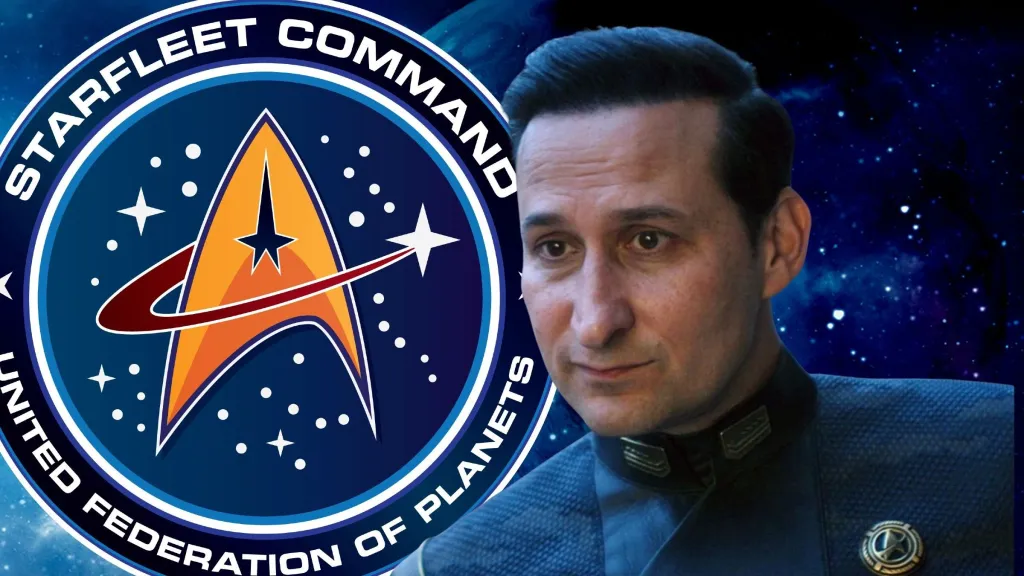
As viewers of Starfleet Academy know, the conflict between some of the characters in the series is baked into the new show. Part of this is in the immediate rivarly that has formed between Starfleet Academy and the War College, not only with the students, but the two leaders in charge. Speaking with TrekCore, actor Raoul Bhaneja, who plays the War College’s Commander Kelrec, was asked not only as a star of the series but a long time Trekkie himself, how he feels about the series bumping up against “the rule.”
“I hadn’t really thought of it that way – because in a sense, all stories have to have conflict,” Bhaneja said in response to a question about the Roddenberry rule. “All stories have to have tension. And you think of those confrontations between Kirk and Spock, between Sisko and Picard – these stories are full of people who have respect for each other and who are on the same side, but are in disagreement.’
He continued, “I think what’s kind of fun about this version is that Kelrec and Ake (Holly Hunter) are basically oil and water; they’re as opposite as you can get for people who both have this responsibility of training a new generation of Starfleet officers, which is so serious. And for Kelrec, it’s fun because it’s a nightmare that this new person has come in and now they have to change the whole philosophy of how they work.”
To his credit, Bhaneja is correct, this conflict is not only natural within the series given the distinct places that both characters have in the series but the thematic nature of the Starfleet Academy series as a whole. At its core, Starfleet Academy has been about a new generation facing a world ravaged by cataclysm, and learning to deal with that from their elders who are pretty steadfast in their ways. In the end, it’s all a learning curve as this arc continues to be explored, with strife among its characters something that offers a lot of material to sort through. Plus, it’s not like Star Trek hasn’t routinely broken all of its rules with consistency for sixty years now.
Most Viewed
-

Official art by Bastien Lecouffe-Deharme -

A photo of the Retrovolt Arcade taken in 2017, showing several classic arcade cabinets and stools. -

Image Courtesy of Paramount