
Even the most casual Pokemon fans know by now that scalping for the Pokemon TCG, and Pokemon merch in general, has gotten out of hand. People are even trying to scalp the recently released Pokemon Pop-Tarts from Target, along with displays from the store. But while high resale prices and low stocks are the obvious problems with the hobby today, there’s another issue that plagues Pokemon card collectors: fraud. While plenty of resellers are buying and marking up actual product, not every Pokemon card for sale is actually real.
Videos by ComicBook.com
A recent report from trading card grading company PSA reveals just how big the problem of counterfeit Pokemon cards has become. Last year alone, PSA estimates that counterfeit cards increased by over 45% compared to 2024’s numbers. While many of these fakes feature prominent sports figures like Michael Jordan and Ken Griffey Jr., Pokemon fakes are becoming the leading form of fraud in the trading card market. And that’s bad news for fans trying to get their hands on a chase card, who run the risk of paying exorbitant amounts for something less than authentic.
6 Pokemon Top the List for Most Counterfeited Cards in 2025

Chances are, if you run in Pokemon TCG spaces online, you’ve seen those heartbreaking posts. Someone thinks they’ve finally secured a copy of a beloved chase card, only to receive an obvious fake when the package arrives. It’s hard to tell a fake from the online listing alone, which is no doubt part of why counterfeit cards are becoming all too common. Sites like eBay and PSA do have measures in place to try to protect buyers from fraud, but that doesn’t mean counterfeit cards don’t exist. And given the popularity of Pokemon cards on the resale market in the last few years, it’s not too surprising to learn that Pokemon TCG is the top category plagued by fraud, according to PSA.
In fact, of the top 10 most counterfeited characters to appear on fake trading cards in 2025, 6 of them were Pokemon. Specifically, Charizard, Pikachu, Gengar, Rayquaza, Umbreon, and Mewtwo were frequently the subject of counterfeit cards. Given the popularity of each of these Pokemon, and the number of high-value cards on the market starring each of them, that’s not too much of a surprise. In particular, Pikachu with Grey Felt Hat and the 1999 1st Edition Charizard Holo were top contenders for the most counterfeited cards. While most of these fakes are hopefully weeded out before they hit the market, it’s best to approach listings for popular Pokemon cards like this with caution.
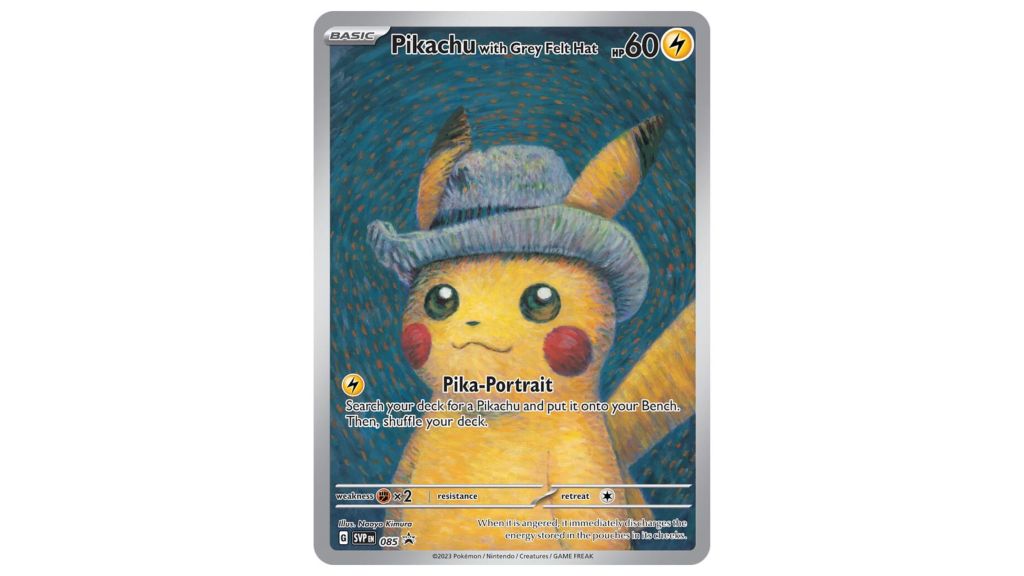

The good news is that this fraud report comes from cards that PSA tested and found to be fake. Which means that, even if scammers are creating more fakes than ever, most of them aren’t making it to market on sites with authentication processes like those used by eBay. Things like blurry print quality, differences in font style and foil patterns, and the paper stock and layering help professionals spot the real cards from the fakes. And these are things you can be on the lookout for if you’re suspicious about a card, along with sticking to reputable sites that authenticate their stock.
It’s unfortunate that Pokemon fans have to worry about counterfeit cards along with low stock and high prices. But fraud is indeed another way that the growing popularity (and value) of the Pokemon TCG can be a real double-edged sword for fans. So if you’re trying to buy that coveted chase card, take a little extra time to vet the seller and source to hopefully avoid being scammed by a fake. If you want to know more about how PSA spots fakes or check out the complete list of most-faked cards, you can check out the full 2025 fraud report here.
Have you ever been scammed by a fake Pokemon card? Leave a comment below and join the conversation now in the ComicBook Forum!
