Batman is DC’s most popular character and if we’re being honest, that’s always been true. Superman was the first, but Bruce Wayne’s alter ego quickly overtook the Man of Steel and surpassed him. Over the years, Batman and Detective Comics have been two of the bestselling comics on the stands, to the extent that Batman is used as one of the bellweathers of comic sales and DC’s name stands for Detective Comics. These books have always been crucial to the company’s publishing line. There have been many conceptions of the Dark Knight since his premiere in 1939; at first, he was the shadowy avenger of the night, killing the bad guys and having the kind of hard-boiled adventures that you got from crime comics back then. As the comic market changed, so did he, becoming more kid-friendly. However, at the core of the character was a darkness that was integral to his best stories.
Videos by ComicBook.com
The ’60s were a time of great success for the Caped Crusader. He joined the Justice League and started to appear in more books across the line, showing readers that he was more than just a vigilante. He had the Batman TV series, which started to bleed into the comics in a number of ways. However, there were some who wanted a more serious Dark Knight and they’d get their wish when Denny O’Neil and Neal Adams began working together on Batman. The two of them had made a massive splash with the Green Lantern/Green Arrow masterpiece known as “Hard-Traveling Heroes” and they proved able to do the same to Batman. Their run is amazing and Batman (Vol. 1) #237 is a sterling example of what they did so well with the character.
Denny O’Neil and Neal Adams Pulled Batman Into the Modern Day
The ’60s were a time of great change for the United States, as the Cold War heated up and cooled off, Vietnam started, and the hippies planted the seeds of the excesses of the ’70 and ’80s (as well as the arrogance) while paying lip service to progressive values. The Civil Rights Act passed, beginning an ongoing process of ending institutional racism. Meanwhile, in mainstream comics, only Marvel took advantage of the changing tides of the culture. DC was doing the same kind of big superhero sci-fi they always did for the most part, especially with the characters everyone read. That doesn’t mean there was nothing with more meaning than your regular issue of Action Comics from DC. It was just harder to find.
Denny O’Neil was in his 20s in the ’60s, in the midst of all of this change, molded and shaped by the goings-on of the day. He developed a certain view of things, inspired by the more progressive values of the hippie movement, and comics fit this worldview. “Hard-Traveling Heroes” is a perfect example of what he did so well; he was able to contextualize the divide between the right and left beautifully. Green Arrow was his mouthpiece and he used the character perfectly. O’Neil was a firebrand, but his work really connected with readers. He began writing Batman before “Hard-Traveling Heroes” and immediately, his Batman was different than the one that we had been getting. There was a seriousness to his adventures that the character had been missing. O’Neil was great, but it would take Neal Adams to really bring his stories to life.
Neal Adams is a comic industry legend, a man who was all about making sure that comic creators got paid. He was one of the greats of the late ’60s, his detailed style bringing an energy to superhero comics that was completely new. His work on X-Men, Green Lantern/Green Arrow, Batman, The Brave and the Bold, and the Deadman back-ups in Aquaman changed the way comics looked; artists like Jim Lee, John Byrne, and many others were all inspired by his style. He brought a realism to his art that made everything look better, especially O’Neil’s more mature work. Their stuff on Batman is tremendous; they created Ra’s al Ghul the first issue they put out, which says it all about their work.
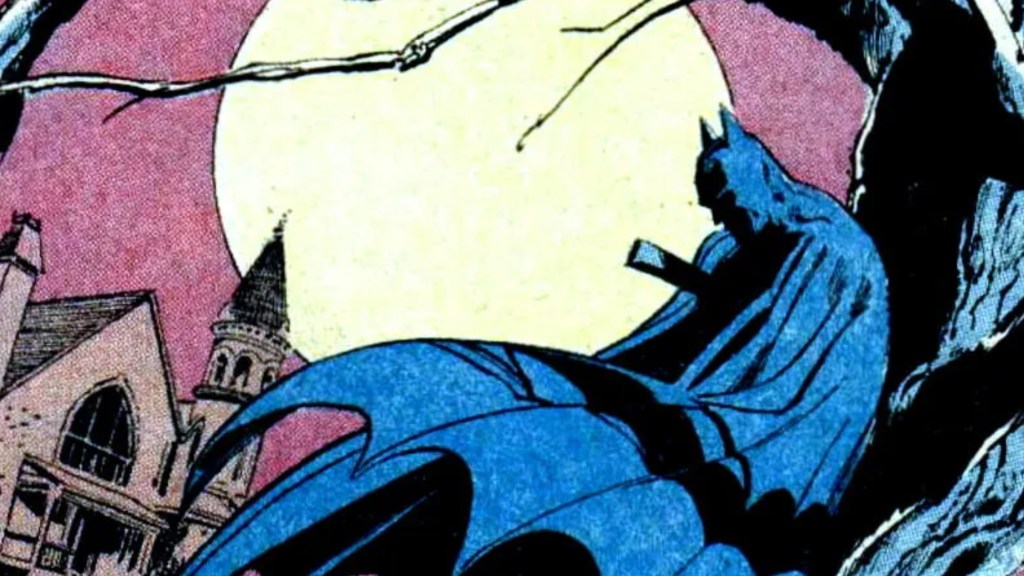
Batman #237 is a perfect example of how great they were together. This story kicks off with Dick Grayson, out with his college friends, at a parade where he witnesses someone dressed as Robin attacked and finds the body of a dead man dressed as Batman. Soon, the real deal shows up, as he had been tracking Nazi war criminal Kurt Schloss to the Vermont college town. The whole thing is about Batman and Robin beating on Nazis, who were all after each other because of stolen Nazi treasure, as well as the Reaper, who was after the Nazis for his own reasons. It’s an awesome little one and done that drops readers into a tense situation and keeps the upping the stakes over and over, engaging readers and keeping them on the hook. O’Neil and Adams gel together perfectly, showing why their run is one of the best Batman runs of all time.
Batman #237 Is O’Neil and Adams At Their Best
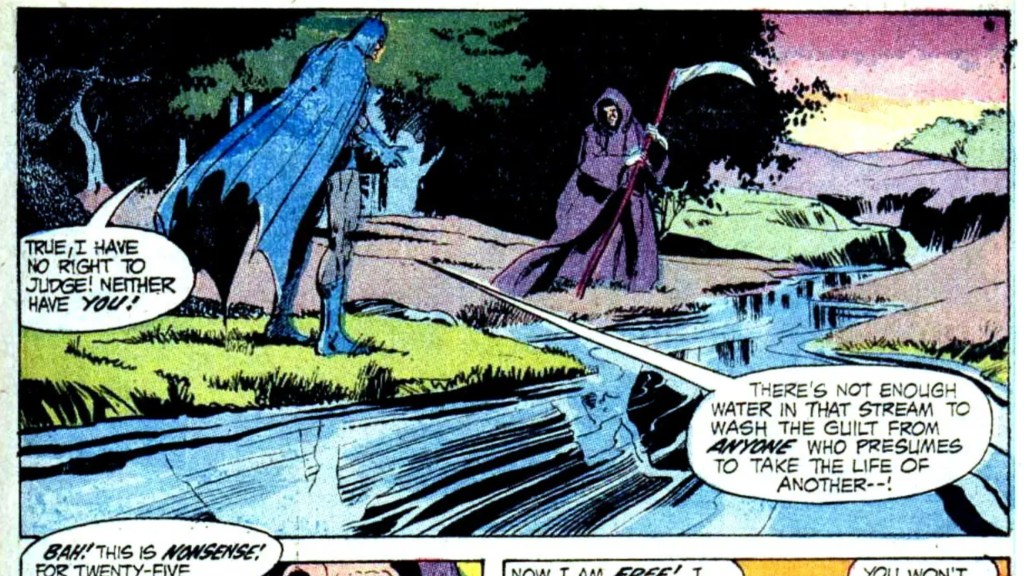
Denny O’Neil and Neal Adams are two of the greatest creators in the history of the medium. Both of them played a huge role in pushing the superhero comic forward, making modern, important stories that readers of the early ’70s loved. They charted the future course of the comic industry, giving readers some of the best comics ever. Each of them was amazing on their own, so together they were magic. While I’ve always preferred their stories on Green Lantern/Green Arrow, their work on Batman is some of the most important of all-time. While “Hard-Traveling Heroes” was massively important, it was them showing what they could do with the Caped Crusader that truly pushed comics forward.
The two of them walked onto a character who was a joke and reminded readers just what kind of hero that Batman could be. Their stories were electric, drawing readers in and Batman #237 is a flawless example of what they did so well. O’Neil and Adams drop Batman and Robin into a Nazi mystery intertwined with Jewish revene for the Holocaust and the story just never stops singing. I included that image from the book’s opening splash page because it’s so evocative of the kind of work you got from this team. It’s a page you’ve seen before by a hundred different creators, but there’s something about the way Adams uses shadow, the atmosphere that the pencils provide the scene. The rest of the issue goes on like that, brilliantly rendered pages with O’Neil’s plot and dialogue moving the whole thing forward like a dream. This issue is a masterpiece, the perfect addition to any collection.
More Comics
-
Image Courtesy of DC Comics -
Image Courtesy of DC Comics -

Image Courtesy of Marvel Comics -
Image Courtesy of Marvel Comics