DC Comics has been able to jump to the top of the sales pack after years of being a rather distant second. It’s been a long road back to the top; over the years, the publisher has seemed to be on the cusp of greatness but never really was able to sustain it very long. One of the most important parts of this current success is the Absolute Earth, a world that Darkseid took control of, creating his own version of the DC Universe. DC being successful using their multiverse is honestly the most DC they could have done that isn’t giving Batman another solo book – which they usually end up doing anyway. DC brought the multiverse concept to comics way back in the Silver Age and it has often been the thing that separates the company from their marvelous competition.
Videos by ComicBook.com
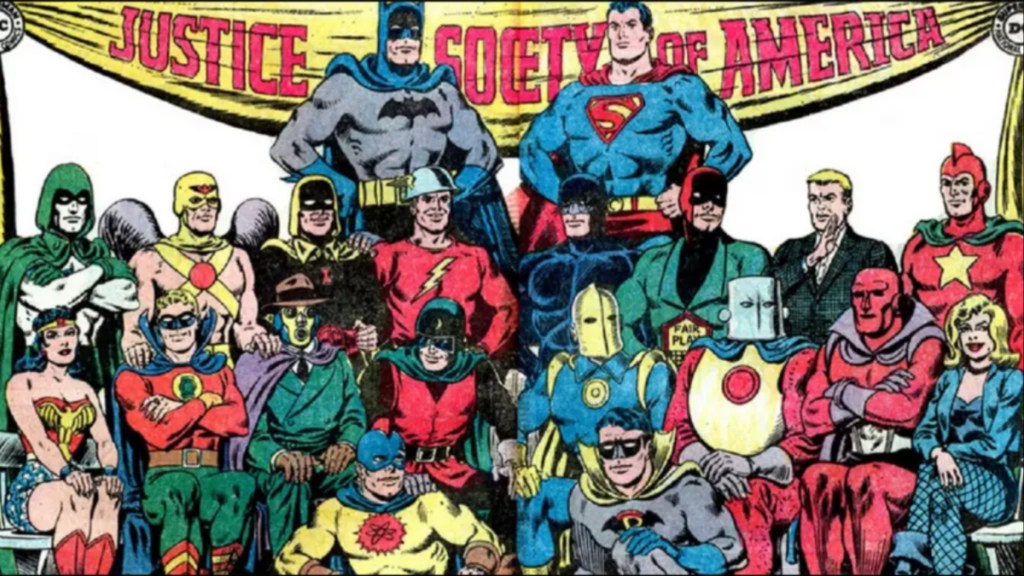
The DC Multiverse was the most important part of DC for decades, until Crisis on Infinite Earths ended it. The disparate Earths of the DC Multiverse would usually end up appearing in issues of Justice League of America, but the publisher also tried to give the various heroes of these different Earths their own books. Before Crisis, the Justice Society and the heroes of Earth-Two got multiple books, the Freedom Fighters made the jump to their own comics, and multiversal versions of characters would pop up in back-up stories of numerous books. The return of the multiverse in the mid ’00s was sold as a massive change to DC, but since then it’s mostly been business as usual. In fact, the Absolute books are the first time in ages when DC’s multiverse comics actually felt important. Fans love the multiverse, yet DC limits its exposure for mystifying reasons.
DC’s Multiverse Has Rarely Felt as Important as It Should Have Since Its Return
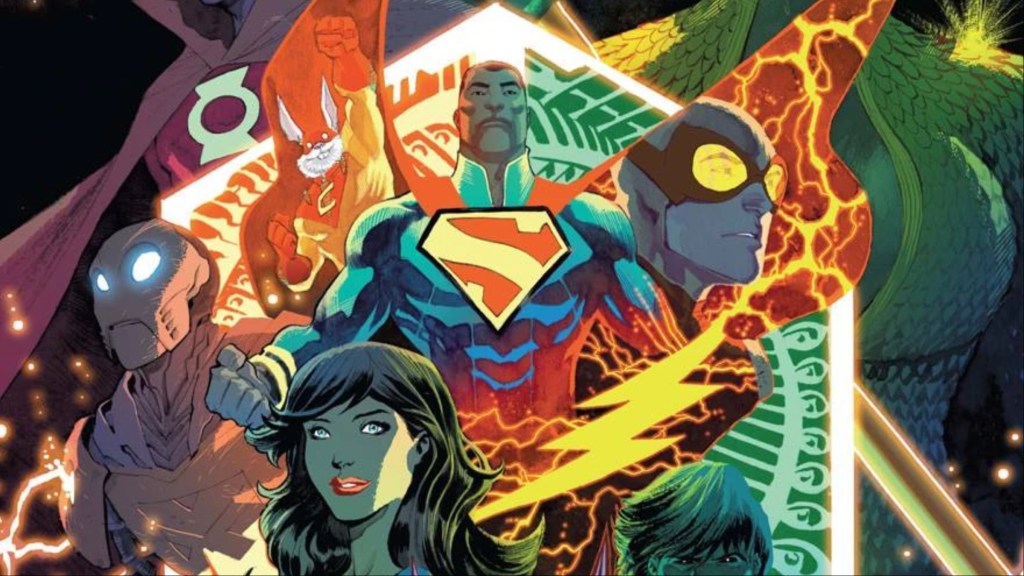
DC has put out some fantastic multiverse stories since its return in 2006-2007’s 52, but if we’re being honest, it hasn’t really seemed worth it. 52 #52 showed scenes from across the multiverse, showing readers familiar worlds like Earth-2 or the Charlton Earth or Earth-S, building anticipation for a new future. What we got was in its first years back was very little. We went to a new Earth-2 in “Thy Kingdom Come” and Final Crisis dealt with the end of the Monitors, but it was basically a non-factor. However, there was a reason for this: Final Crisis writer Grant Morrison had announced that their next major DC project was going to be The Multiversity and DC wasn’t going to let anyone but them do it.
However, it wouldn’t come out until 2014, so the DC Multiverse was missing in action until Flashpoint, when Earth-2 and World’s Finest starred characters from that world. By the time The Multiversity finally dropped, the New 52’s multiverse felt like it didn’t matter. Justice League (Vol. 2) tried to end with some big multiverse stories, but the New 52 was already dead. DC Rebirth would barely focus on the multiverse at all until Dark Knights: Metal, when the Dark Multiverse was introduced, but other than that and a return to Earth-3 in the days after Dark Knights: Death Metal, we’ve barely been out in the multiverse until the Absolute Earth and a new round of Elseworlds books started dropping in the last few years.
The return of the multiverse is one of the most important things to happen to DC Comics in ages, but it often feels like it’s kind of an afterthought. Where are the multiversal crossovers? Where’s the Flash just crossing over to another parallel Earth? What is Earth-2 in the new multiverse? Dark Crisis on Infinite Earths ended with the return of the original infinite multiverse, meaning that we could return to the original Earth-Two, so why aren’t we? We have the Earths created by The Multiversity. We have almost 90 years of DC history to use for multiverse stories. And yet all we’ve gotten are the Absolute books and the same old Elseworlds sequels that we would have gotten anyway.
DC is on fire right now and they’ve been able to keep stoking the flames by finding new ways to bring back classic parts of their multiverse. We’re getting books starring the Demon, Deadman, Firestorm, a new Legion, a new Doom Patrol. Creators are doing amazing stories with the greatest DC characters, but with everything that we’re still getting back, we’re missing the multiverse. Sure, it’s out there. We have it, but we don’t have it. I want a new All-Star Squadron book. I want Freedom Fighters. I want a monthly Tales From the Dark Multiverse. DC is shelling out good money for the best talent in the modern comic industry and you’re telling me that none of them wants to do multiverse stories? We have infinite possibilities out there and we’re getting merely a handful.
There’s Gold Out in Them There Earths
I was five years old when the DC Multiverse ended. I was first introduced into in the Wizard “Death of Superman” special, but it was hard to find out more about it in the pre-Internet world without spending a lot of money to buy the old books. It wasn’t until the rise of the trade paperback craze in the ’00s that I would finally get collected editions of these old stories and see the glory of what I missed. When the multiverse returned, I was ready for a whole new DC. What I got was more of what we had been getting since Crisis ended. There were still cool stories and some great trips out into the multiverse. However, as important as the return as the multiverse felt, it never really lived up to that until fairly recently, when the Absolute books became massive.
Superheroes are bigger than ever but comics are nowhere near as popular as you would have imagined they are. It’s daunting to get into comics, especially DC, with their reboots and convoluted history. The Absolute books gave readers a great jumping on point and it worked. Venturing out into the multiverse could be the ticket to even more success. Give these readers a new Earth-Two or Earth-X or something of that nature and there’s a good chance that it will be successful. We constantly talk about the DC Multiverse, but it often feels like we’re still back in the old singular DC Universe. That needs to change sooner rather than later.
More Comics
-
Image Courtesy of DC Comics -
Image Courtesy of Marvel Comics -
Image Courtesy of Marvel Comics -

Image Courtesy of Marvel -

Image Courtesy of Marvel Comics -
Image Courtesy of Marvel -
Image Courtesy of DC Comics