Marvel and DC Comics have been the pioneers of the comic book industry and superhero genre for over eight decades. With hundreds of thousands of comics and characters, these two companies have amassed expansive universes with many similarities and differences. As one can imagine given their places in the comic book hierarchy, Marvel and DC have built a substantial rivalry, with millions of people constantly debating over which one is better. Of course, whichever side people choose comes down to what types of characters and stories they prefer. However, while DC may have been first to the scene, there are some things that Marvel does objectively better than its top competitor.
Videos by ComicBook.com
These are just some of the ways Marvel Comics has managed to grow a universe beloved by countless readers from around the world.
5) Representation
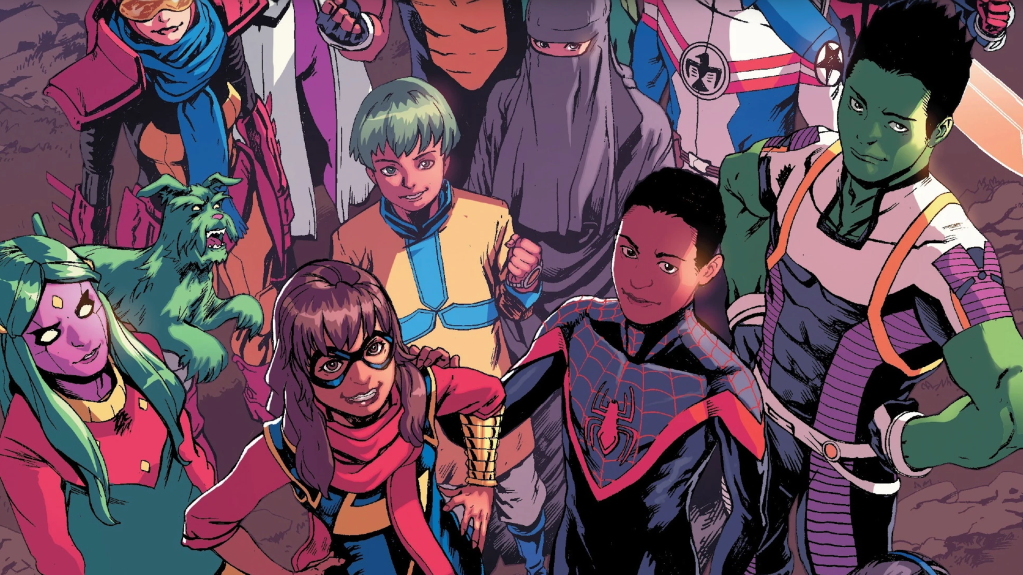
Comics, like all forms of media, have a significant power when they represent the vast diversity of humanity, including gender, race, sexuality, and culture. And while Marvel and DC have both built up a plethora of characters of different backgrounds, Marvel does a much better and more consistent job at ensuring that these characters remain in the spotlight and are relevant. Whether it be through having more solo comics or having a greater impact on the universe, Marvel puts much more consistent attention on the importance of representation. Characters like Black Panther, Sam Wilson’s Captain America, Miles Morales, Ms. Marvel, America Chavez, and Wiccan are all significant players in the Marvel Universe and bring light to different cultures and sociopolitical issues. And of course, the X-Men have always acted as a metaphor for marginalized groups and discrimination. Another superhero team that’s enforced the theme of diversity in an inclusive and engaging way is the Champions. Marvel always does its best to ensure that everyone’s voices are heard.
4) Anti-Heroes
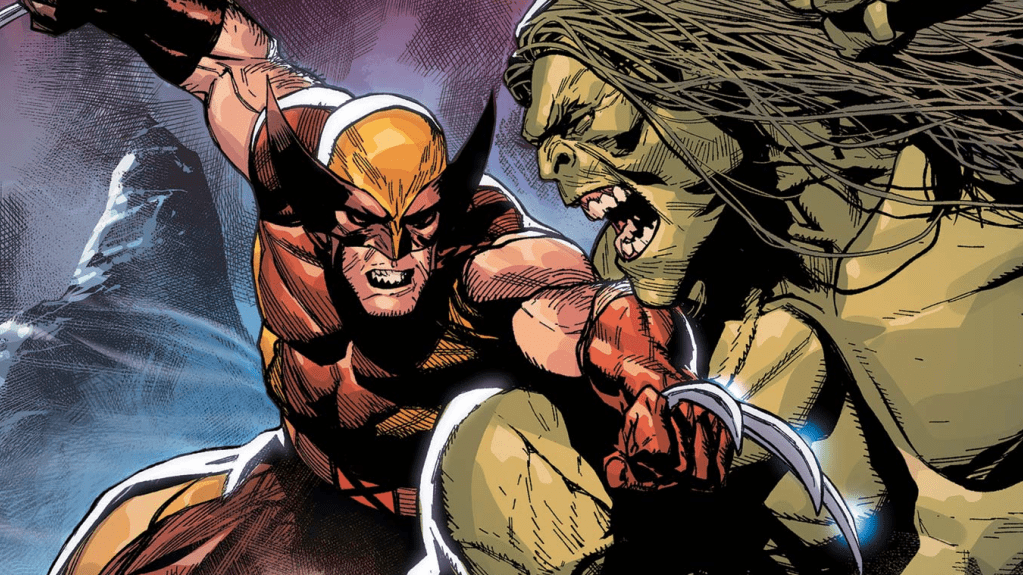
DC may have championed heroes who are paragons of righteousness, but Marvel has capitalized on how crimefighting can oftentimes be far from black and white in terms of morality. While DC does have great characters like Red Hood, John Constantine, and Harley Quinn, they can’t hold a candle in terms of popularity, complexity, or consistent quality writing to Marvel’s greatest anti-heroes. Characters like the Hulk, Wolverine, Punisher, Ghost Rider, Cable, and Deadpool have all become pop culture legends because of how they subverted tropes associated with the superhero genre. Many of these anti-heroes are far more willing to go to lengths than other heroes to protect the innocent and punish the wicked, showing the darker side of vigilantism to a far greater degree than DC Comics. And whether they’re hyper-serious and tormented like the Hulk or psychotically humorous like Deadpool, Marvel’s anti-heroes tend to be more compelling and psychologically complex. While they’re not the most upstanding of citizens, these Marvel characters have defined what it means to be an anti-hero in comics.
3) Complex Villains
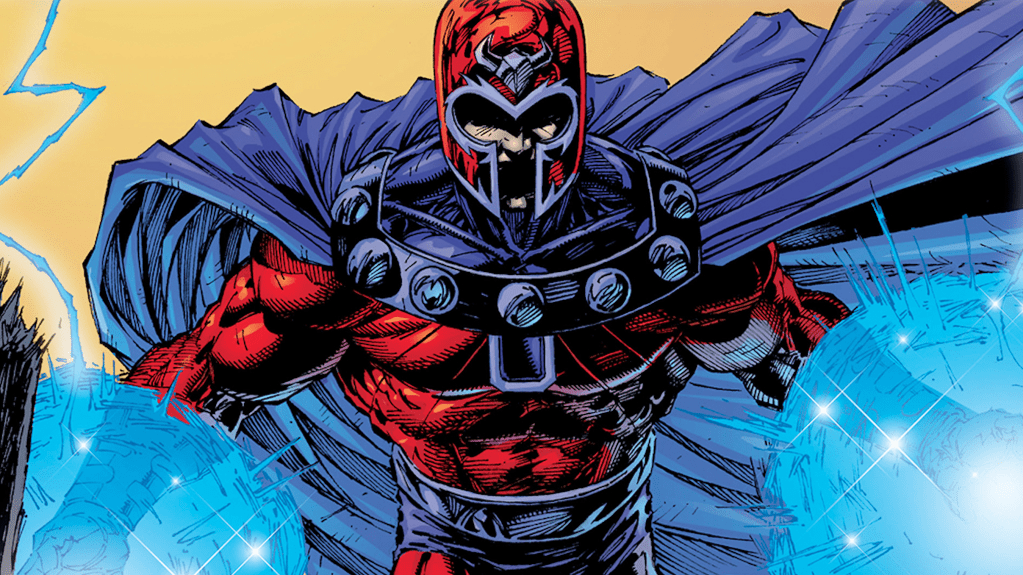
Unlike DC, which focuses on having pure evil characters like the Joker and Darkseid, Marvel goes to great lengths to show why their villains went down their dark paths in the first place. There’s oftentimes an overwhelming sense of tragedy with these characters because they’re frequently pushed into their villainous roles by circumstance. Additionally, many of these villains have motives that go beyond simply causing chaos or taking over the world and instead have deeply sympathetic goals that are bogged down by their flaws and immoral actions. Doctor Doom may want to conquer the Earth, but it’s because he genuinely believes that he has what it takes to lead humanity to a prosperous future. And after Magneto narrowly survived the Holocaust, he wanted to ensure that no mutant suffered the same type of atrocities that he and his family did. Even Galactus is treated less like a malevolent monster and more like a necessary force of nature. These villains and more are the definition of how the road to Hell is paved with good intentions.
2) Superhero Teams
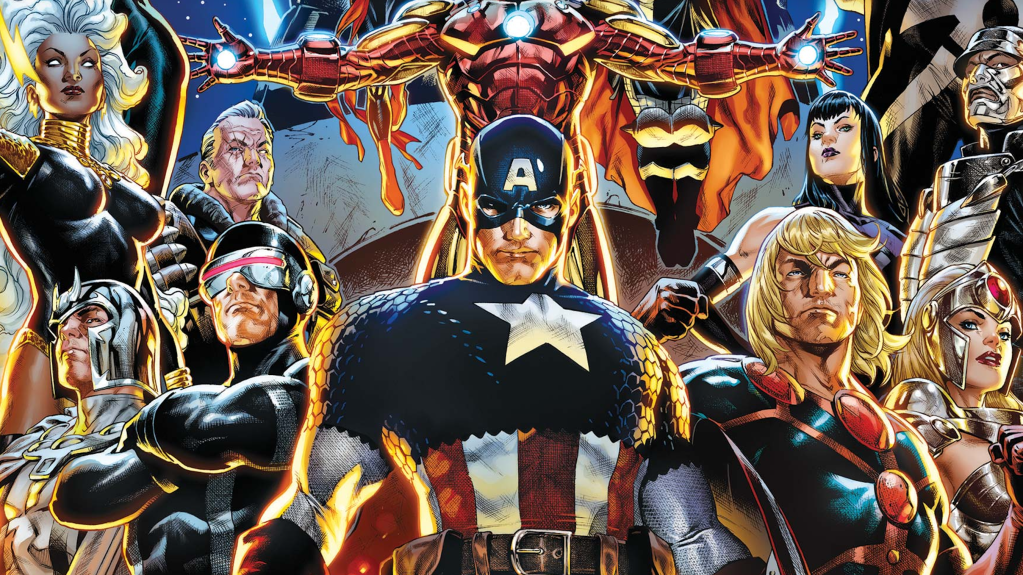
If the hype for Avengers: Doomsday is anything to go by, Marvel Comics has a far greater number of incredible superhero teams who all operate in their own niches and are given plenty of prominence. For DC, aside from the Justice League, many of their superhero teams like the Teen Titans and the Justice Society are oftentimes left in the background or have too many ties to the JLA to stand on their own. In contrast, Marvel has a much wider scope and variety of superhero teams with their own unique dynamics, tones, goals, and aesthetics. The Avengers are the Earth’s primary defenders and beacons of hope, the X-Men are a tightly knit school and advocates for mutant civil rights, the Fantastic Four are a loving superpowered family seeking to advance humanity’s knowledge, and the Guardians of the Galaxy are a ragtag group of intergalactic anti-heroes. By giving proper space and recognition to each of these teams, Marvel has created several groups that rival and exceed the Justice League in popularity and nuance.
1) Relatability
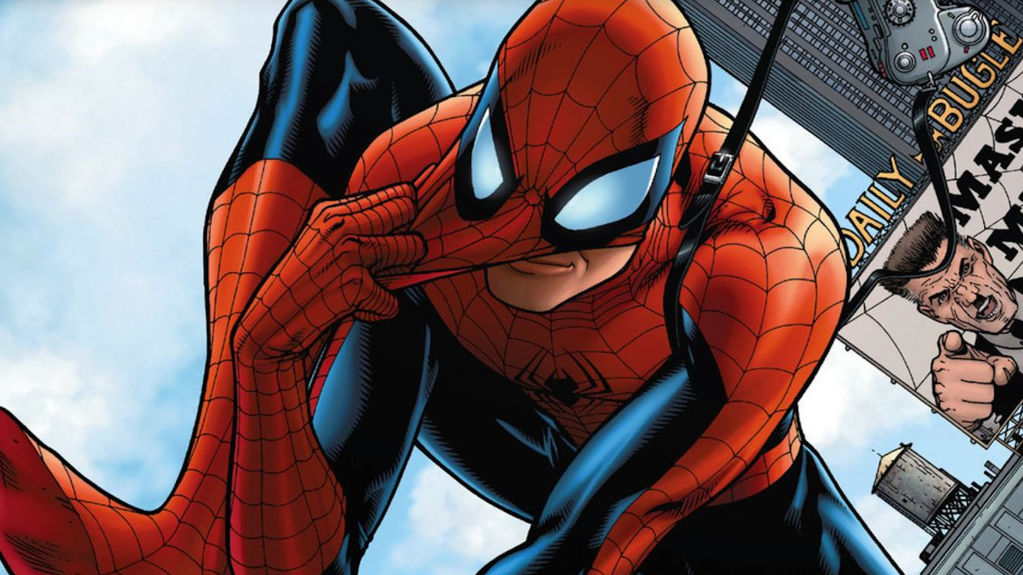
The biggest difference between Marvel and DC is the nature of their worlds and characters. Whereas the heroes of DC are idealistic and godlike, Marvel puts a far greater emphasis on portraying real human struggles and drama. The superheroes of Marvel read more like real and flawed individuals who just happened to receive superpowers and must come to terms with the new responsibilities thrust upon them. This method allows many readers to connect with the characters on a deeper level as they deal with interpersonal problems. Superheroes like Spider-Man, the Hulk, Iron Man, the Fantastic Four, and the X-Men all show that even people with superpowers aren’t immune to suffering from anger, doubt, selfishness, discrimination, financial and social problems, and failure, not to mention a plethora of bad relationships. By focusing on more emotional realism, Marvel is able to make the moments when the heroes do overcome their personal demons much more impactful and inspiring.
What do you think? Leave a Comment below and join the conversation in the ComicBook Forum!
More Comics
-
Image Courtesy of Marvel Comics -
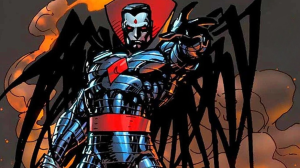
Image Courtesy of Marvel Comics -

Image Courtesy of Image Comics -
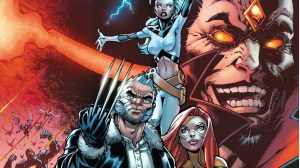
Image Courtesy of Marvel Comics -
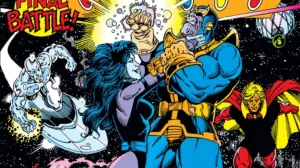
Image Courtesy of Marvel Comics -
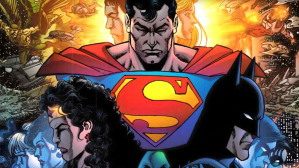
Image Courtesy of DC Comics