Comic book villains swapping their nemesis is one of the most underappreciated evolutions in superhero storytelling. It’s a move that keeps dynamics fresh — when a villain steps out of their “assigned” rivalry, it often unlocks new depths that were never explored within their original pairing. These switches challenge both hero and villain to redefine themselves, forcing writers to reexamine what truly drives conflict.
Videos by ComicBook.com
When a nemesis who once tormented Spider-Man suddenly butts heads with the Avengers or Daredevil, it exposes how malleable moral and psychological contrasts can be. It reminds readers that comic villains aren’t static archetypes meant to orbit a single protagonist; they are fully fledged forces that can reshape any narrative they touch. What’s more, such crossovers elevate villains from localized troublemakers to universal menaces.
7. Kingpin
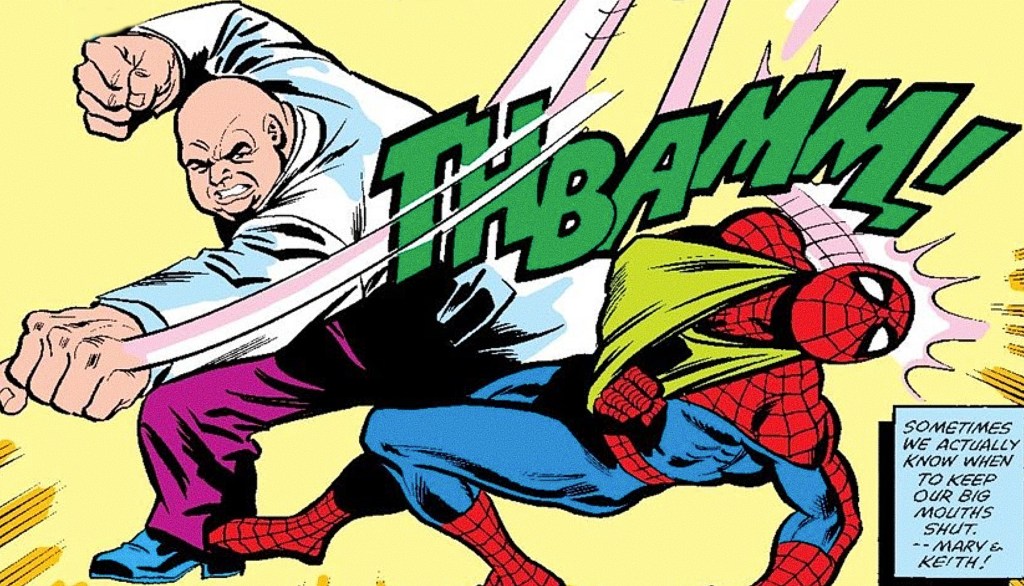
Wilson Fisk, better known as Kingpin, first appeared in The Amazing Spider-Man #50 (1967). Fisk is a self-made man who clawed his way to power, transforming himself from a bullied child into one of the most feared mob bosses in the Marvel Universe. Often underestimated because of his massive size, Fisk is deceptively agile and shockingly strong, effectively blending brute force with cunning strategy. However, things changed when Frank Miller took over Daredevil in the 1980s. Miller recognized that Kingpin’s gritty, street-level criminality was a better fit for Daredevil’s noir-inspired world. While Spider-Man often juggled larger-than-life villains, Daredevil’s battles were grounded in Hell’s Kitchen’s grimy streets, where Fisk’s corruption and influence felt chillingly realistic.
6. Red Skull
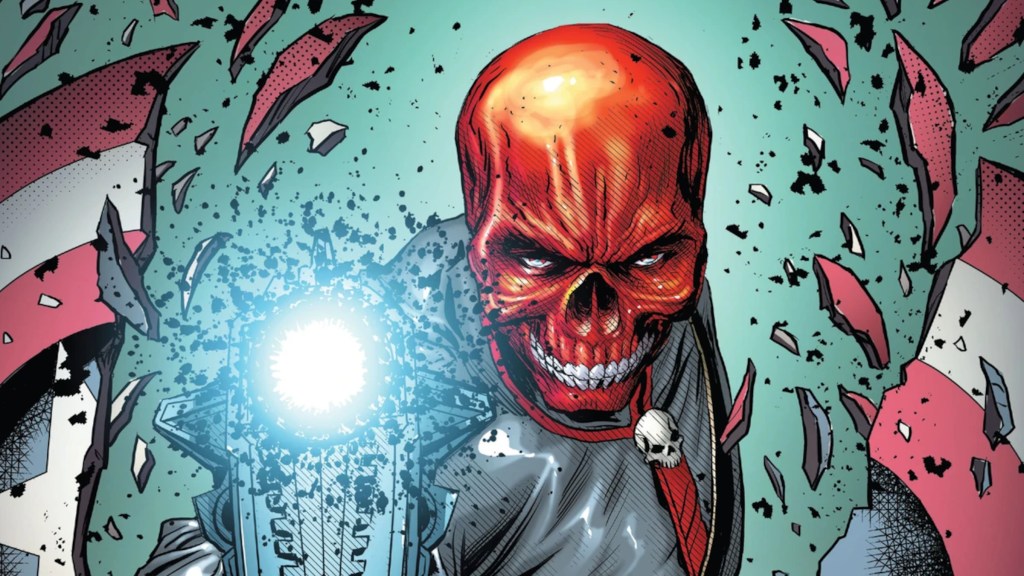
As the living embodiment of Nazi ideology, Johann Schmidt is one of the most infamous figures in comic book history. With a legacy of hatred, manipulation, and world domination, Red Skull has spent decades as Captain America’s archenemy. However, as the Marvel Universe expanded and the character was modernized, Red Skull’s villainy began to transcend his feud with Captain America. One of the most notable shifts occurred when Red Skull targeted Black Panther and Wakanda. As a fascist, Skull’s obsession with racial purity and dominance naturally placed him in opposition to T’Challa and the advanced, isolationist African nation of Wakanda. Additionally, Red Skull has clashed with the Avengers as a whole. He has also faced The X-Men, particularly during Uncanny Avengers, where he used the brain of Charles Xavier to amplify his telepathic powers and spread his hateful ideology worldwide.
5. Magneto
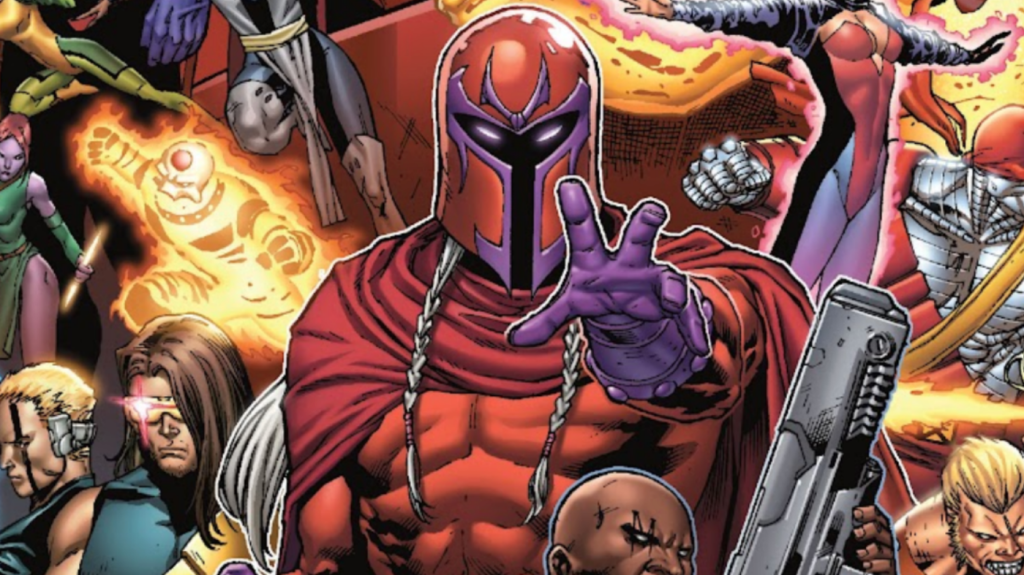
Magneto is a mutant with the power to manipulate magnetic fields, allowing him to bend metal, fly, and generate destructive energy fields. Unlike many comic book villains, Magneto isn’t evil for the sake of being evil. He genuinely believes he’s doing what’s necessary to protect mutantkind, even if that means embracing morally questionable methods. Magneto was introduced as the X-Men’s primary adversary, a mutant supremacist standing in direct opposition to Charles Xavier’s dream of peaceful coexistence between humans and mutants. However, Magneto’s sphere of influence has extended far beyond the X-Men. One of the most significant shifts occurred during Avengers vs. X-Men (2012), where Magneto found himself at odds with Earth’s Mightiest Heroes. Similarly, Magneto’s battles with The Avengers and even The Fantastic Four highlight his broader role in the Marvel Universe. As a global threat, Magneto’s actions often have consequences that draw the attention of multiple heroes.
4. Lex Luthor
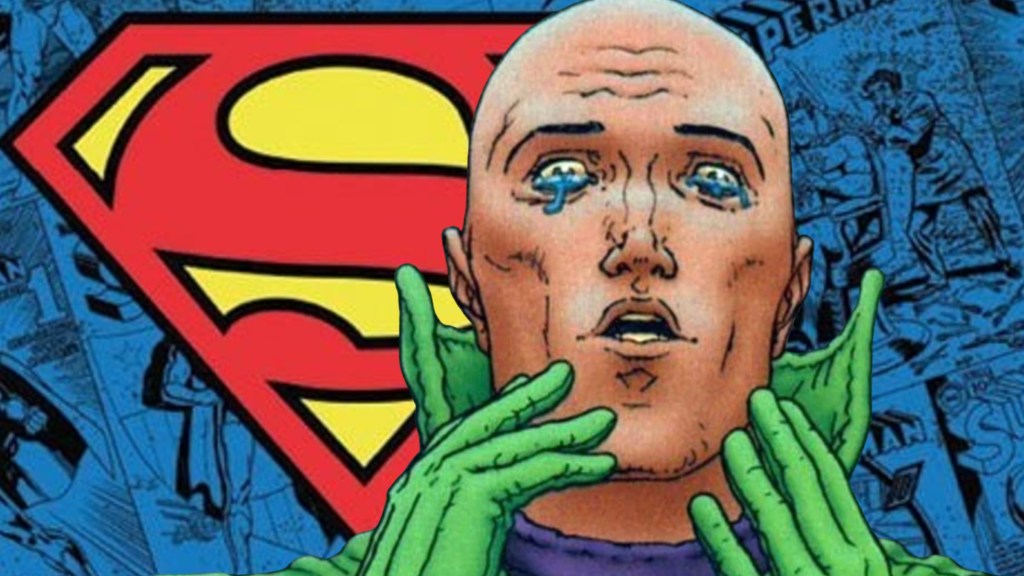
Originally portrayed as a mad scientist, Luthor evolved into a much more complex character over the decades. In his most well-known incarnation, he’s a brilliant billionaire industrialist who sees himself as the savior of humanity. While Lex Luthor will always be most closely associated with Superman, his ambitions have led him to clash with other heroes, particularly the Justice League as a whole. In fact, Luthor’s evolution from Superman’s nemesis to a broader DC Universe villain has made him even more compelling. One notable instance is his leadership of the Legion of Doom, where he orchestrates massive, multi-hero conflicts that affect the entire DC Universe. Luthor has also clashed with Batman in several stories.
3. Doctor Doom

Victor Von Doom believes it’s his destiny to rule the world because, in his opinion, only he is capable of saving it. As one of Marvel’s most iconic and complex antagonists, Doom’s rivalry with the Fantastic Four is the stuff of legend. But Doom is far too ambitious, far too grand, to be confined to one nemesis. One of the most notable rivalries Doom has developed outside the Fantastic Four is with Black Panther. Their clashes have often revolved around Wakanda’s Vibranium supply, which Doom seeks to control for his own ends.
In Doomwar (2010), Doom successfully infiltrates Wakanda and uses his knowledge of mysticism and technology to take control of the nation’s Vibranium, threatening the global balance of power. Doom has also sparred with Doctor Strange, given their shared mastery of the mystic arts. In Doctor Strange and Doctor Doom: Triumph and Torment (1989), the two team up to rescue Doom’s mother from Mephisto’s realm. While this story showcases Doom’s humanity and his love for his mother, it also highlights the stark differences between him and Strange. In Avengers: The Children’s Crusade, Doom manipulates events on a global scale, proving he’s as much a threat to Earth’s Mightiest Heroes as he is to the Fantastic Four.
2. The Joker
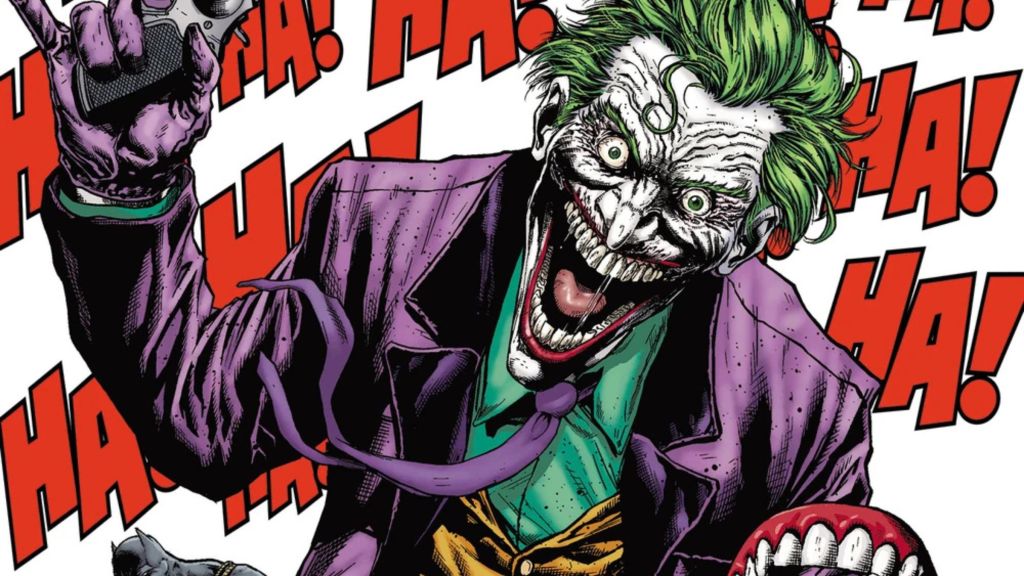
With his maniacal laugh, unpredictable schemes, and complete disregard for morality, the Clown Prince of Crime has cemented himself as one of the most iconic and terrifying characters in all of fiction. But while his relationship with Batman is legendary, the Joker’s brand of madness has touched other heroes. Perhaps the most notable example of the Joker swapping his nemesis is his rivalry with Superman in the Injustice: Gods Among Us storyline. In this alternate universe, the Joker manipulates Superman into killing Lois Lane and detonating a nuclear bomb in Metropolis. The Joker has also crossed paths with Harley Quinn, his former partner-in-crime turned nemesis. In recent years, Harley has broken free from the Joker’s abusive grip, leading to confrontations where she seeks to outwit or defeat him.
1. Venom
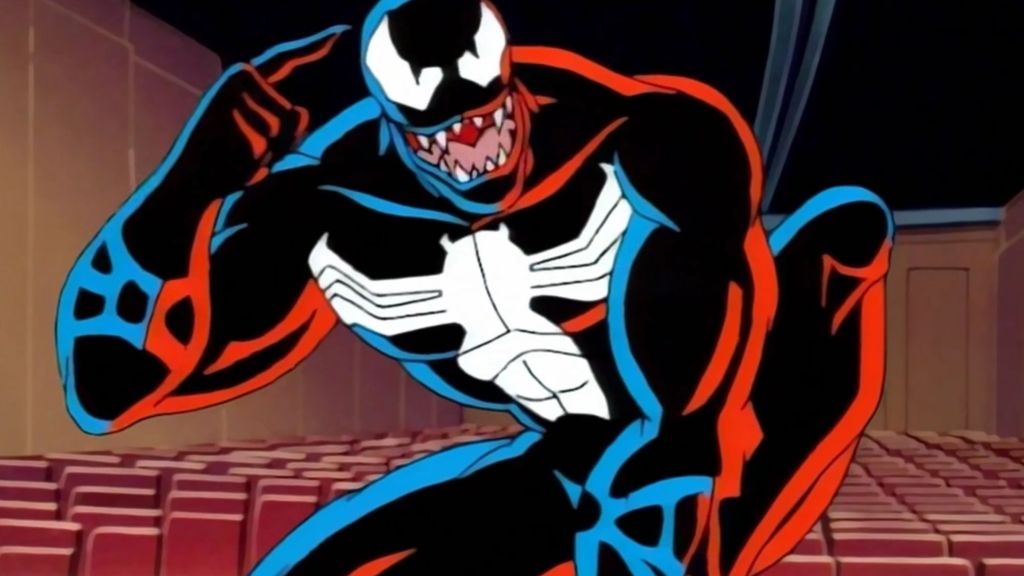
Venom is the ultimate antihero. Venom’s early stories are defined by his obsession with destroying Spider-Man, but even in those early days, there was something deeper to the character. One of the most significant shifts in Venom’s narrative occurred when he became a hero in his own right. In the Lethal Protector storyline, Venom leaves New York for San Francisco, vowing to protect the innocent. This marks the beginning of his transition from Spider-Man’s enemy to a more complex antihero.
Venom’s nemesis swap becomes even more apparent with the introduction of Carnage, a symbiote offspring bonded to the psychopathic killer Cletus Kasady. Carnage represents everything Venom isn’t — pure, unrestrained chaos and evil. The rivalry between Venom and Carnage has become one of the most iconic in Marvel Comics, with Venom often forced to team up with Spider-Man to stop Carnage’s killing sprees. More recently, Venom’s storylines have expanded even further with the introduction of Knull, the god of the symbiotes. In King in Black, Venom becomes Earth’s greatest defender against Knull’s invasion, solidifying his status as a hero capable of standing alongside (and sometimes above) Marvel’s greatest heroes.
What do you think? Let us know in the comments!
Most Viewed
-

Image courtesy of Wizards of the Coast -

Courtesy of Bones Film