The X-Men became the most popular team in Marvel Comics in the 1980s, but they exploded in popularity in the next decade, thanks to the animated series, one that produced some of the most memorable X-Men villains of the 1990s. Thanks mostly to the cartoons, the X-Men far exceeded the Avengers in overall popularity, and much of it was thanks to the social issues at the core of all X-Men storylines, where they were minorities and outsiders that society feared and shunned, even as the X-Men did some questionable things of their own. With big-time storylines arriving in the 1990s, including “Age of Apocalypse” and “Onslaught,” this was the one decade in Marvel that almost brought the entire mutant population to extinction.
Videos by ComicBook.com
From the main villain in “Age of Apocalypse” to the men who used Sentinels to attack all mutants and a force that almost destroyed all life on Earth, here are the best X-Men villains of the 1990s, ranked by importance.
10) Fabian Cortez
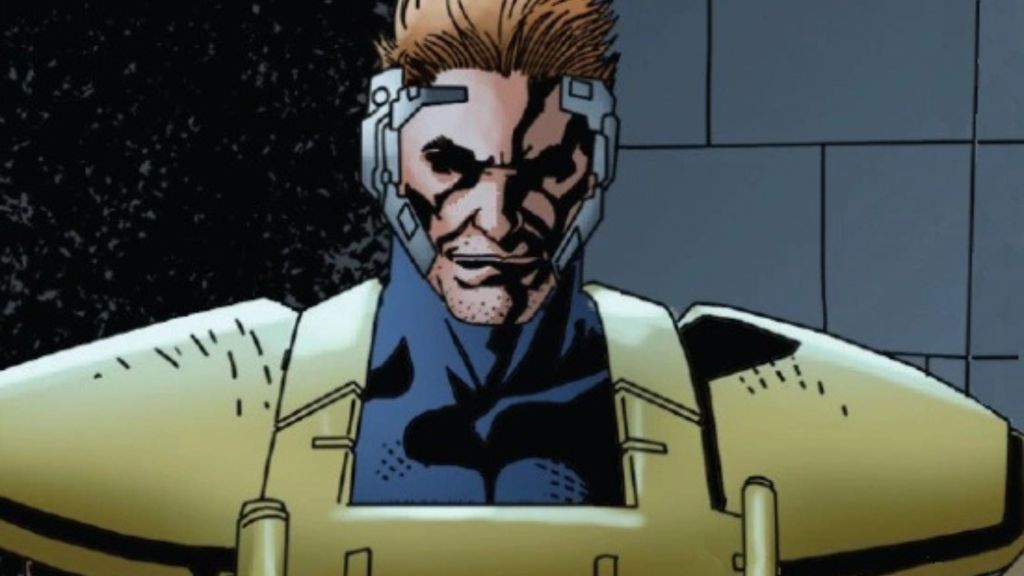
Fabian Cortez debuted in X-Men #1 (1991) by Chris Claremont and Jim Lee, and he was the villain who helped relaunch the flagship title with record-selling results. Fabian is a mutant who can augment and amplify the abilities of other mutants, sometimes to dangerous or fatal degrees. He then pledged his loyalty to Magneto aboard Asteroid M. Under Magneto’s command, he organized the original Acolytes and helped Magneto build his army.
However, Fabian Cortez ended up betraying Magneto by using his power to engineer events so the X-Men and the world believed Magneto had died aboard Asteroid M. The purpose here was to turn Magneto into a martyr so mutants would rise up and attack humanity under Fabian’s leadership. His actions helped turn the Acolytes into a recurring radical mutant faction that helped demonize the reputation of all mutants throughout the 1990s, which would eventually bring Exodus to power. He still has the reputation as one of the most cowardly X-Men villains of all time.
9) The Phalanx
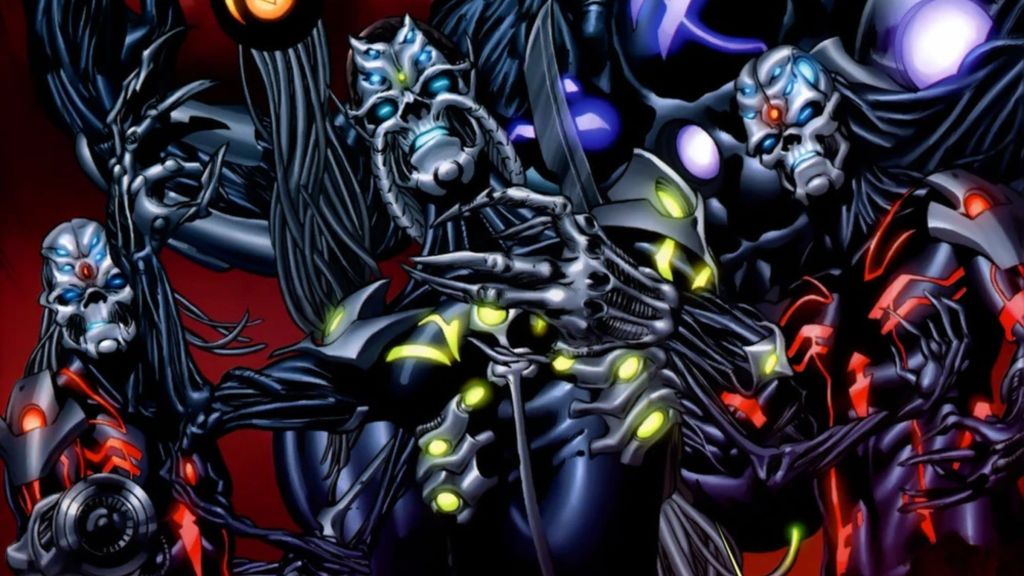
The Phalanx debuted in Uncanny X-Men #305 (1993) by Scott Lobdell and Jan Duursema as a techno-organic collective with a hive-mind. The Phalanx were created when scientists experimented on the remains of the New Mutant Warlock, obtaining a strain of the techno-organic virus and injecting it into humans in an attempt to build a new generation of Sentinels. This grew out of control when the infected subjects began assimilating other humans, seeking to convert all life on Earth into techno-organic beings.
However, they quickly became enemies of the mutants of Earth since they couldn’t assimilate mutants, and this made the new species believe that all mutants needed to be exterminated. The biggest storyline concerning these villains was the “Phalanx Covenant,” a nine-part crossover that ran across every X-Men title. This was what formed Generation X, with Banshee and Emma Frost mentoring the new young X-Men heroes. Since this was a collective that threatened all of Earth, it ended up as one of the mutants’ most important battles of the 1990s.
8) Graydon Creed
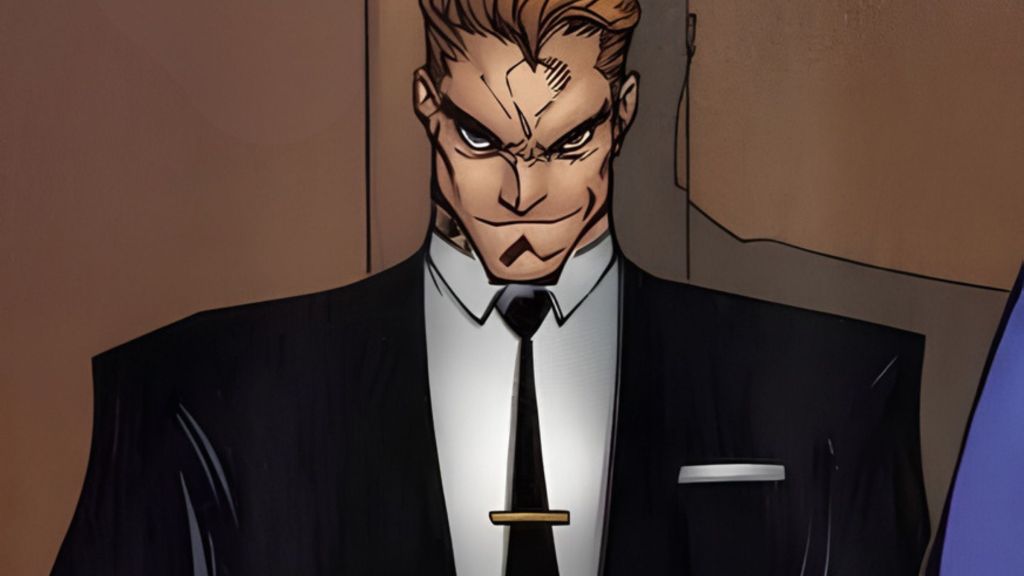
Graydon Creed is the human son of Sabretooth and Mystique, and although he had no powers, he ended up as one of the deadliest X-Men villains of the 1990s. This is because he created the Friends of Humanity, a fanatical anti-mutant hate group that became a recurring menace in 1990s X-Men comics. Under Creed’s leadership, the Friends of Humanity promoted bigotry and violence against mutants, harassing them and committing acts of domestic terrorism.
However, his powers extended beyond just influencing violence against mutants, as he also lobbied politicians to pass anti-mutant laws, which helped weaponize public fear of mutants. This was the one big 1990s storyline that emphasized the X-Men’s theme of racism, bigotry, and blind hate against anyone who looks different. Creed even ran for President of the United States on an anti-mutant platform, which made him an even bigger threat. Even after Graydon’s death at the hands of his own mother, the Friends of Humanity continued to operate, creating a sense of prejudice and fear for all mutantkind.
7) Omega Red
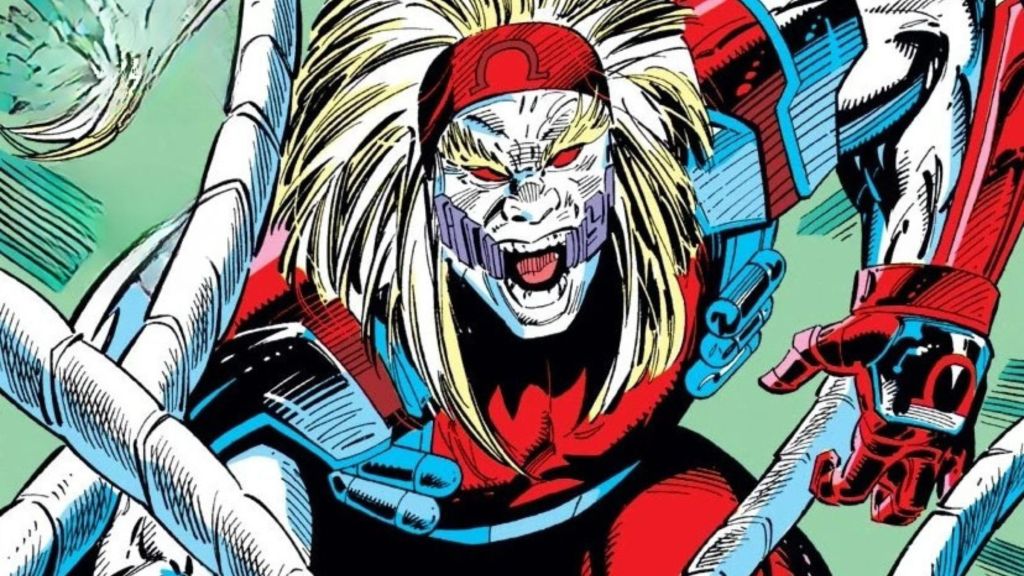
Omega Red debuted in X-Men #4 (1992) by John Byrne and Jim Lee. He is Arkady Rossovich, a Soviet serial killer drafted into a super-soldier program. He gained his powers when he was implanted with retractable carbonadium tentacles, which are the USSR’s version of adamantium. He also has vampire-like powers, where he has to drain the life force of living beings to survive. This Death Factor makes him one of the deadliest villains the X-Men ever faced, and it made him a powerful enemy of Wolverine specifically.
His transformation requires a device called the Carbonadium Synthesizer to stabilize his biology, and when Team X members stole it, he targeted them specifically and even began a partnership with Sabretooth when they realized they had like-minded goals. He seemed to die in Generation X #10-11 (1995), but he had become such a popular villain by this time that Marvel had to bring him back. He is also very important because his backstory directly connects to Wolverine’s, thanks to the Weapon X mythology.
6) Bastion

Bastion is the fusion of a Master Mold and the future Sentinel Nimrod. Those two beings merged and then passed through the Siege Perilous, which turned him into an artificial human with false memories. However, since he was loaded up with all the anti-mutant programming of the Sentinels, he was turned into a fanatical human who hates mutants. This was the X-Men villain who launched Operation: Zero Tolerance in 1997 storylines, where he created the Prime Sentinels.
This was the storyline that also played out in the first season of X-Men ’97, with the Prime Sentinels being ordinary humans who were secretly fitted with nanotechnology that activates them into killer cyborg soldiers for mutant apprehension and extermination. During the “Operation: Zero Tolerance” storyline, he captured the X-Mansion and imprisoned several mutants, including Wolverine. It wasn’t the X-Men who stopped him, as he was too powerful. It was Senator Robert Kelly who turned on Bastion and ordered SHIELD to dismantle his forces.
5) Stryfe
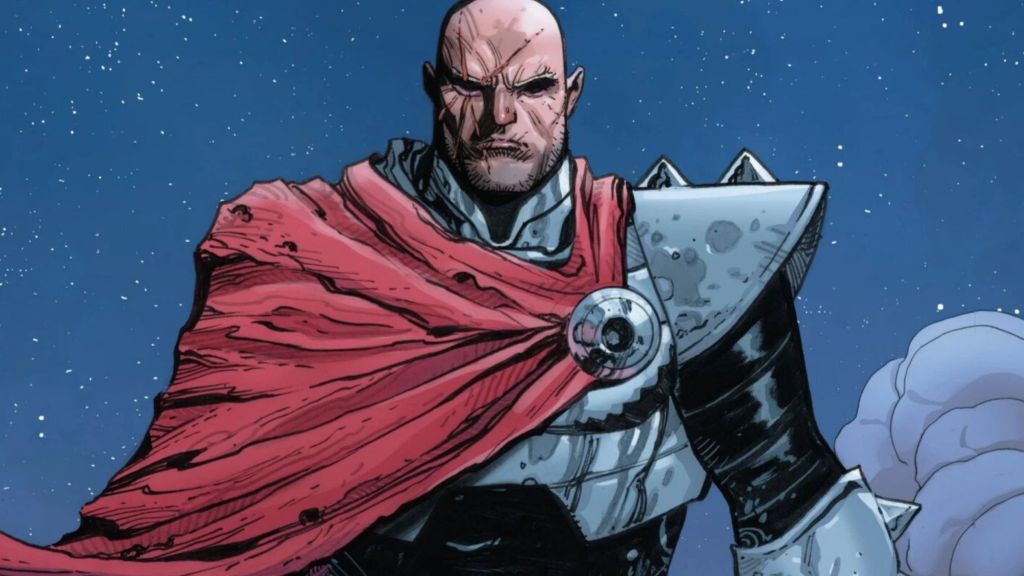
Stryfe is a clone of Nathan Christopher Summers, and he debuted at the start of the 1990s, hinting at the dangers coming in the decade. His origin story is tragic, as he was created as a backup in case Nathan ended up dying from Apocalypse’s techno-organic virus. When Cable survived, Stryfe was discarded and raised with a hatred of his favored “brother.” However, since Stryfe was never infected with the techno-organic virus, his telepathic and telekinetic powers far exceed Cable’s, and he even neutralized Jean Grey’s powers.
Stryfe was introduced as the masked leader of the Mutant Liberation Front, the terrorist counterpart to Cable’s X-Force, and for a while, people believed he was Cable. He then became the face of a giant 12-part crossover series in 1992-1993 titled “X-Cutioner’s Song.” Stryfe remains one of the most important villains the X-Men ever faced in the 1990s for one reason. He unleashed the Legacy Virus, which killed several mutants across the decade.
4) Onslaught
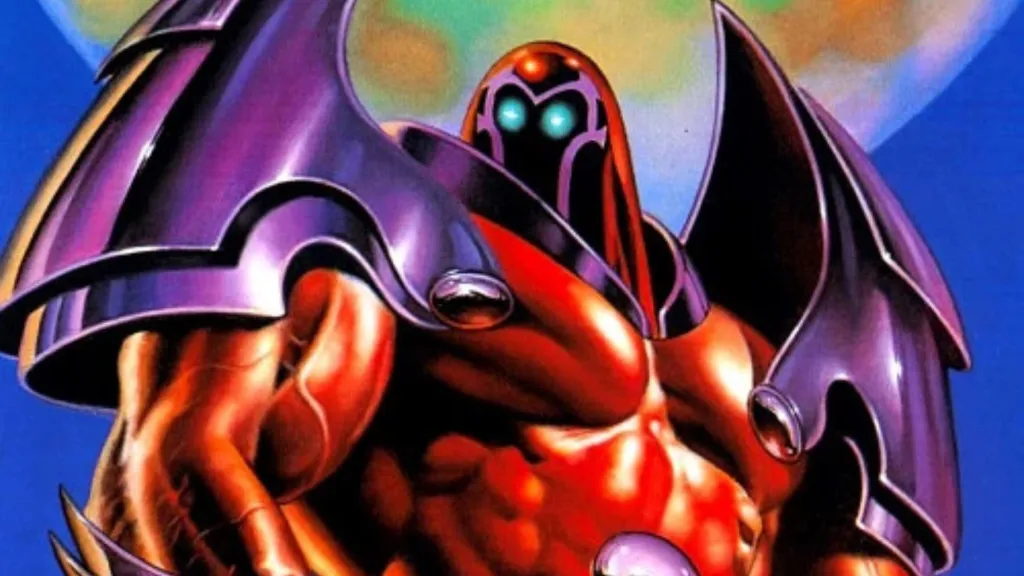
Onslaught was created by Scott Lobdell, Mark Waid, and Andy Kubert, cameoing in X-Men: Prime #1 (1995) before his full debut in X-Men Vol. 2 #53. His origin is a bit complicated, as he is equal parts Charles Xavier and Magneto. He was created after Fatal Attractions when Magneto ripped out Wolverine’s adamantium skeleton, and Professor X went in and shut down Magneto’s mind. Magneto’s rage and darkness merged into Xavier’s psyche, full of disappointment of his own, and Onslaught formed as a new manifestation.
The 1996 “Onslaught Saga” changed the entire Marvel Universe in an unexpected way. Onslaught first set out to attack humans and save mutants, but he soon learned that mutants were just as bad, so he decided to destroy all life on Earth. By the time he was finished, he seemingly killed the Avengers and Fantastic Four, and it took Hulk raging out to finally stop him. What actually happened was that Franklin Richards took the Avengers and Fantastic Four into a pocket reality he created to save them, and that was all that stopped Onslaught.
3) Magneto

Magneto was a complicated figure throughout the 1990s, bouncing from good to bad and everything in between. However, he solidified his place as one of the X-Men’s deadliest villains of the decade thanks to the “Fatal Attractions” storyline. This storyline played out in 1993, and it spanned the entire line of X-Men comics to serve as the 30th anniversary for the mutant team. This saw Magneto and his Acolytes return to battle the X-Men once again when Magneto felt he had been pushed into a corner.
Magneto had left Earth when he realized there would never be peace for mutants, and he set up a base on Asteroid M, where he invited all mutants to come to live in peace. However, after the fall of Asteroid M, Magneto declared war on Earth, and the United Nations tried to set up a barrier to protect the world from Magneto’s powers. This caused Magneto to shut down power all over the planet for a time, which likely killed countless people. Everything ended with Magneto ripping out Wolverine’s skeleton, which led to Professor X shutting Magneto’s brain down, all of which eventually led to Onslaught.
2) Mister Sinister
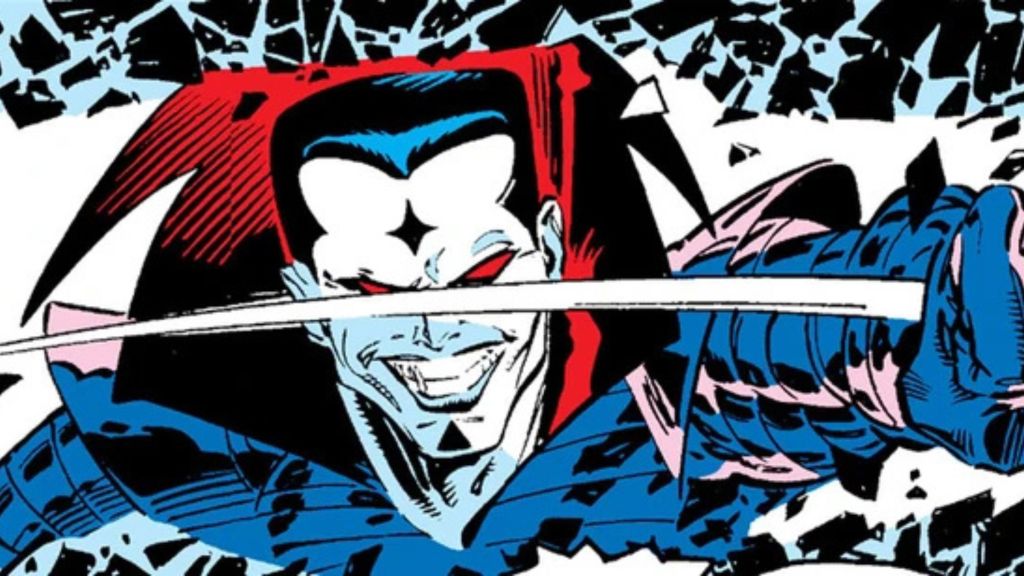
Mister Sinister debuted in the 1980s as the driving force behind the “Mutant Massacre” and the catalyst of the “Inferno” storyline in 1989. However, he returned in the 1990s stronger and more dangerous than ever. His storyline remained interconnected to Cyclops, as he is the man who created Madelyne Pryor, making him responsible for the birth of Cable, and he kept attempting to ruin Cyclops’ life in the new decade.
He played a major role in the 1992-1993 crossover storyline “X-Cutioner’s Song,” unwittingly helping to unleash the Legacy Virus on the world, something that killed several mutants before it was finally stopped. The 1990s also saw much of Sinister’s backstory revealed, including his time working with the Nazi party in the 1930s. The 1996 miniseries The Further Adventures of Cyclops and the Phoenix also showed how much Sinister had done to manipulate Scott Summers’ life. By the end of the decade, Mister Sinister had taken his spot as Cyclops’ most dangerous enemy.
1) Apocalypse
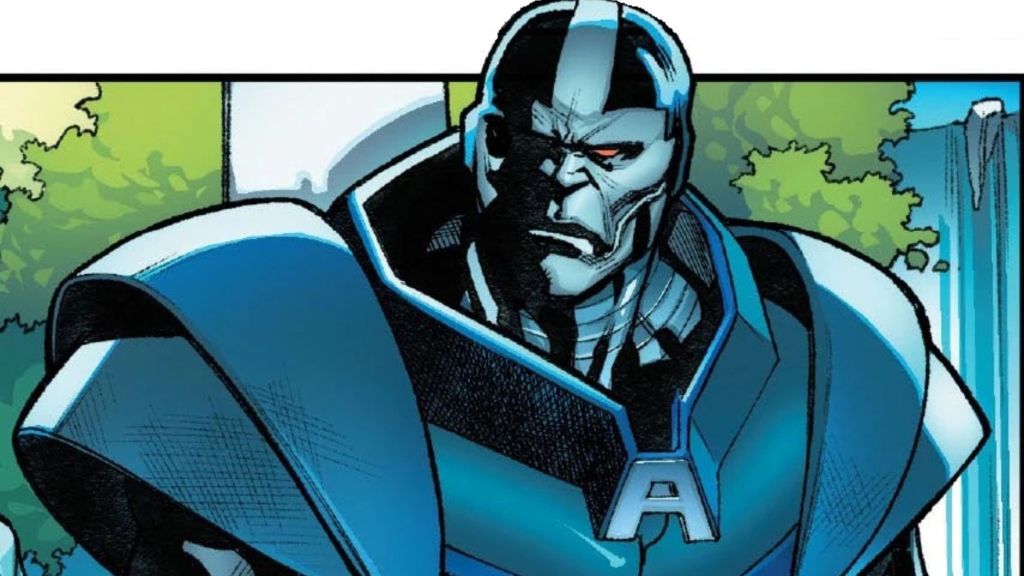
The one event series in the 1990s that changed the X-Men forever was “Age of Apocalypse,” which launched in 1995 after Legion traveled back in time and accidentally caused the death of his father, Charles Xavier, changing the timeline drastically to create a new Earth ruled over by Apocalypse. Apocalypse (En Sabah Nur) is considered the world’s first mutant, an ancient being who believes the strong should always slaughter the weak.
This event series ran through every X-Men title for months, taking all the mutant action to an alternate timeline where they fought to one day return to the proper timeline, something that ended up complicated since the timelines never change, and the only way to fix things is to ensure the events don’t happen on other timelines. However, this series showed the power of Apocalypse, as only Professor X was strong enough to stop his reign in the main timeline, and without Xavier, there wasn’t a mutant who could stop him from creating this dystopian reality.
What do you think? Leave a comment below and join the conversation now in the ComicBook Forum!
More Comics
-
Image Courtesy of Marvel Comics -

Image Courtesy of DC Comics -
Image Courtesy of DC Comics -
Image Courtesy of Marvel Comics -
Image Courtesy of Marvel -
Image Courtesy of Marvel Comics -
Image Courtesy of DC Comics