The history of Marvel Comics has a lot of great stories in it from just about every era of the publisher, from Nazis coming to the office to go after Jack Kirby and the King running downstairs for the fight only to find them run off to the legends of the Marvel Bullpen in the Silver Age to ups and downs of their publishing fortunes and how they got there. One of the richest decades for those kinds of stories is the ’90s. The decade of extreme gave the House of Ideas their greatest comic successes and it also almost killed the company. Honestly, there was a time where Marvel getting through its 1996 bankruptcy in one piece wasn’t possible.
Videos by ComicBook.com
Going back to the beginning of the decade, we find ’90s Marvel at the height of their powers. 1991 saw the company reboot the X-Men in the hands of superstars Jim Lee, Rob Liefeld, and Whilce Portacio, the X-line of books hitting new levels of success. The Spider-Man books were still going strong, with the introduction of Carnage and the adjectiveless Spider-Man keeping issues flying off the shelf. The comic industry was in a boom time because of the successes of ’91, with ’92 bringing “Death of Superman”, keeping the good times rolling. Image was born this year as well and suddenly, the entire industry got a taste of new imprint fever, the bigger name attached to it the better. In 1993, Marvel joined this number, following their distinguished competition to the United Kingdom to bring back one of the masters of horror to create a new line of horror books for them – Clive Barker.
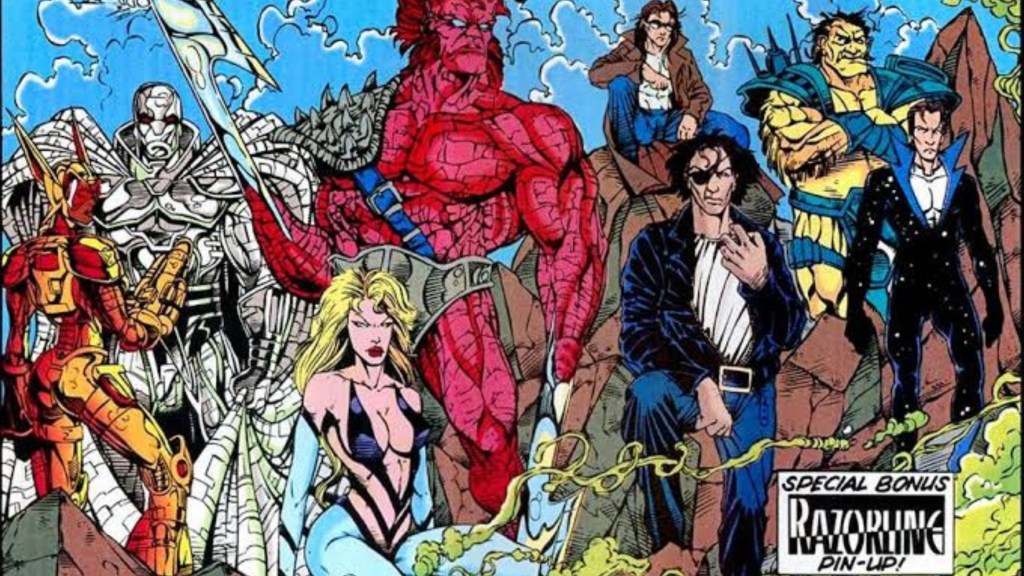
Clive Barker’s Razorline Was Meant to Fight a Giant
The early ’90s were a wild time to be a comic fan. Marvel and DC were realizing that big change equaled big sales, especially when you put the big names with it. The rise of Image Comics was a sea change to the industry. Things had been getting more mature in the mainstream since the ’80s, with DC Comics pulling ahead with their late ’80s British Invasion, bringing in Grant Morrison, Peter Milligan, Neil Gaiman, and a slew of others, allowing them to take their lower level characters and revitalize them.
In the early ’90s, Marvel tried several times to match DC’s horror line, the books that would become the basis of Vertigo in 1993. They tried to use Ghost Rider and “Rise of the Midnight Sons” to start their own horror line, but all the big names were doing X-Men and Spider-Man and these books died in the dark. They was always trying to “Sandman up” Doctor Strange before giving up and cancelling the long suffering title. Marvel was actually ahead of the Vertigo game with Epic, where the publisher did their mature readers story, but it was never able to match DC after the British Invasion.
The ’90s were the age of big names and Marvel decided to trump DC by getting a name that was well known beyond the comic stores and spinner racks – Clive Barker. Barker is best known as the creator of Pinhead and the Cenobites of Hellraiser, based on his classic horror novella The Hellbound Heart. Barker was a legend; he didn’t have the mass appeal of Stephen King, but he was the horror connoisseur’s favorite. Getting Barker was something of a coup for Marvel and it led to four books – Ectokid (the book that introduced the world to Lana Wachowski), HyperKind, Hokum & Hex, and Saint Sinner. Barker came up with the ideas for each book, allowing other writers to do the month to month work.
One of the reasons that DC’s horror books had been able to do so well is because they pushed boundaries. DC stopped submitting the books to the Comics Code Authority, allowing creators to go further with their stories. Marvel didn’t do this with the Razorline books. These book were trying to do horror in the same kind of environment that the Midnight Sons had tried and they had about the same level of success. Despite flashy gimmick covers, the books never really caught a foothold.
A huge problem was that 1993 was a year stacked with various companies launching new imprints. Image Comics had lit a firestorm and the industry was expanding. Vertigo would officially come into being under Karen Berger, Malibu Comics would create their Ultraverse books, Dark Horse started doing the “Comics’ Greatest World” line of new heroes, and Jim Shooter dropped Defiant Comics on the industry after being forced out of Valiant. Meanwhile, horror comic discourse was high-jacked by Evil Ernie and Lady Death, extreme horror for the ’90s that was helping birth the Bad Girl trend of the day. The Razorline just wasn’t big enough to compete.
Things went sour immediately; Barker and Marvel had agreed to publish ten titles in total, but only the first four ever got published. Several of these had scripts written and illustrated but were shelved. The sales just weren’t there and there was no real buzz. Most of the comic press barely paid attention to the books either. Marvel was never able to find the right audience for the line and it led it to die a quiet death in 1995. The House of Ideas owns the characters, meaning they could bring them back at any time. In fact, in 2005, the Razorline was included in the Official Handbook of the Marvel Universe, revealed to be on Earth-45828, a fairly normal Earth where they are the only heroes and Marvel makes comics. The publisher could bring them back at any time.
The Razorline Is More Important To Pop Culture Than Most Realize
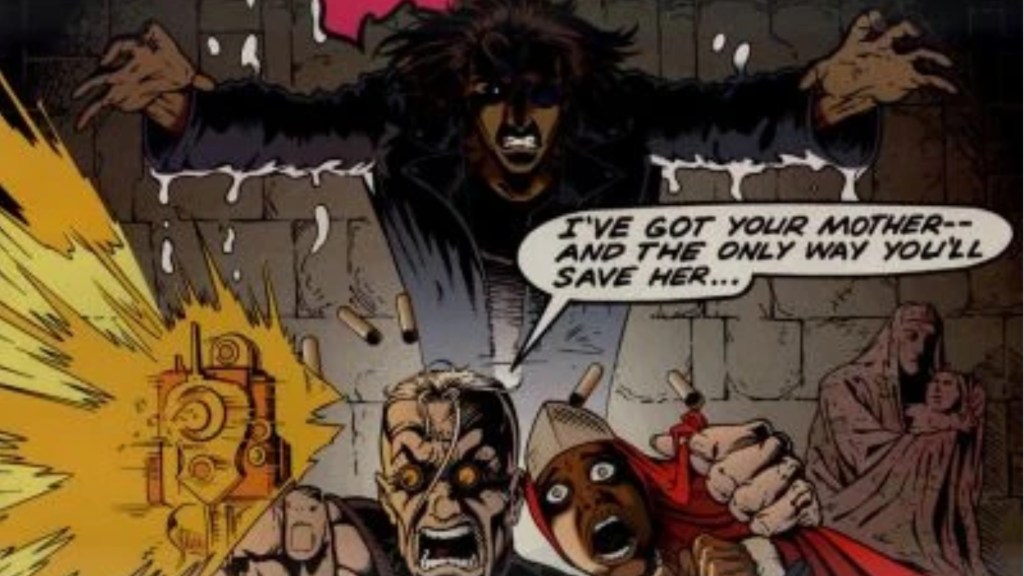
On the one hand, the Razorline is an example of everything you don’t want to do with a comic line. Marvel had a big name but couldn’t figure out how to market the whole thing. The books weren’t like the DC horror books that had gotten so much praise; they were a Marvel-ized version of them and they never really worked. It was dropped into an industry that was growing uncontrollably and just couldn’t attract the attention it needed to survive. On the other hand, it’s also one of the most important parts of modern pop culture that you don’t know about.
Lana Wachowski met comic artist Steve Skroce on Ectokid. The two became friends and when Lana and her sister Lilly needed artists to do concept sketches for The Matrix, they were able to get Skroce (who was drawing The Amazing Spider-Man at the time, having become a superstar drawing X-Man in the mid ’90s). Skroce helped design the world of the machines, along with comics legend Geoff Darrow, giving the film its distinct look and vibe. Can you imagine pop culture without The Matrix? Well, you might be able to, because you’re selfish, but I can’t. The Razorline made that possible, so the next time you’re at a convention or a comic store and you see one in the dollar bins (I remember when they were quarter bins), thank it for The Matrix by buying it.
Do you remember the Razorline? Did you like it? Did you know about its place in Matrix history? Sound off in the comment section below.
More Comics
-
Image Courtesy of Marvel Comics -
Image Courtesy of Marvel Comics -
Image Courtesy of DC Comics -
Image Courtesy of Marvel Comics -
Image Courtesy of DC Comics -
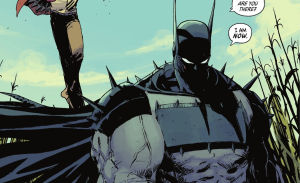
Image Courtesy of DC Comics -
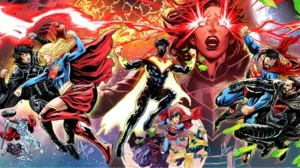
Image Courtesy of DC Comics