When it comes to survival horror, there have been plenty of innovative features in landmark titles over the years, from Resident Evil‘s inventory system to the highly intelligent enemy AI of Alien: Isolation. However, one underrated classic from the genre has long gone unnoticed, with unique mechanics that have rarely been adopted in newer titles. Although somewhat dated by today’s standards, the atmospheric nature of this game could make a great blueprint for other horror projects to follow.
Videos by ComicBook.com
Many different horror titles try to capture themes of cosmic horror, introducing themes tied to works by H.P. Lovecraft and similar horror authors that created the sub-genre. Games like the Bloodborne and Dead Space are great examples, as well as newer titles like Dredge, SOMA, or the upcoming The Sinking City 2. These games often tie into ideas of sanity, perception of reality, and other forms of psychological tension to convey its horror, building a deliberate environment of fear not reliant on jump scares to tap into a player’s fears.
Eternal Darkness: Sanity’s Requiem Was One Of The Boldest Survival Horror Games Ever Released
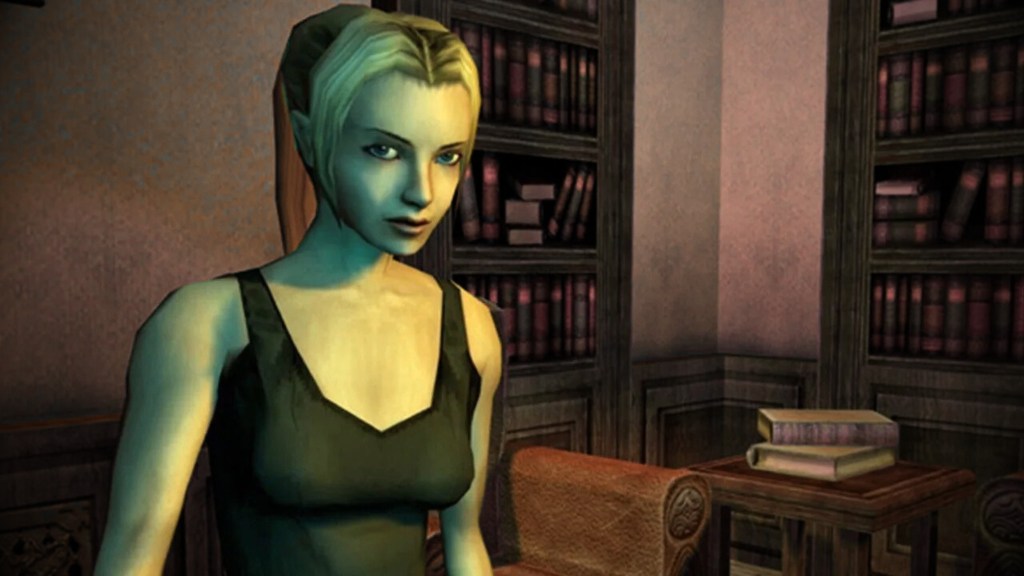
Eternal Darkness: Sanity’s Requiem was originally released for the GameCube in 2002, years Amnesia: The Dark Descent would play with ideas of tying player perception to survival horror gameplay. A surprisingly mature game for Nintendo’s early library, this game takes place in multiple time periods, switching between character perspectives to tell a connected story, even if each “chapter” isn’t told in chronological order. In many ways, the off-putting jumps in time tie into the game’s horror, making the player feel lost and vulnerable to the evils they encounter.
Multiple paths in the story are divided into two core phases — sections where the player is embodying characters of the past, and a “modern” section where they explore a haunted mansion. This structure was incredibly unique compared to the linear survival horror games being released at the time, especially when you start to unpack the innovative gameplay approaches Eternal Darkness: Sanity’s Requiem implemented. Every character from every era of its story had three major stats, called Health, Magick, and Sanity.
The Sanity stat in particular is what makes this title known years later, as it tied the game’s horror to a mechanic players had to consistently monitor. Depending on what paths players chose in the narrative, the game changed to match their decisions. Enemies could be tougher, puzzles could be different, and foes could spawn in unlikely places compared to other routes. Combining runes into Red, Green, Blue, and Purple Magick also contributed to Eternal Darkness‘ gameplay, with each spell type having a complex rock-paper-scissors relationship that players could take advantage of.
A 2002 Launch Introduced Players To Many Systems That Were Ahead Of Their Time
The amount of spells tied to Eternal Darkness‘ Magick system add layers of action to the game’s horror, along with traditional third-person combat. Modern firearms are paired with medieval weapons across time, making no two encounters quite the same as you complete different paths. Combining runes to create specific spells was far more complicated than other games, almost emulating systems that other RPGs and fantasy titles wouldn’t start using in earnest until at least a decade later.
Yet, the Sanity systems in Eternal Darkness: Sanity’s Requiem is what the game is known for, represented by a single green bar your character has throughout your adventure. When an enemy spots your character, your Sanity decreases slowly until you defeat them. As the bar gets lower, aspects of the game’s environment change, such as statue heads following your character or blood starting to pour from walls and ceilings. Low Sanity even changes meta aspects of the game itself, turning your camera to an uncanny angle or playing noises and sounds that aren’t there.
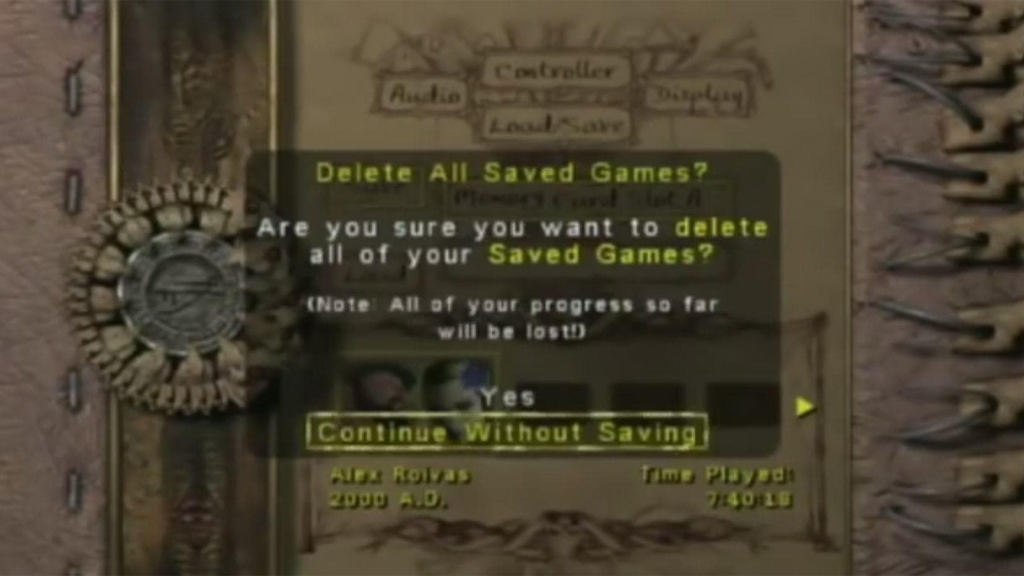
As your character loses their grip on reality even more, nearly depleted Sanity messes with your perception as a player. The fourth wall can sometimes be broken, showing false errors about your GameCube system crashing or visual breaks meant to simulate a TV having issues. A “To Be Continued” screen might pop up, or promotions for a sequel could appear at random, while some Sanity breaks could make you think you deleted all your save files. Sometimes, the game will reveal that you never progressed beyond a certain point, even though you see your character leaving a room minutes before.
Dated Gameplay Doesn’t Take Away From Multiple Innovations That Should Return In Other Horror Titles

The terror of the unknown in Eternal Darkness: Sanity’s Requiem comes from how players can never quite predict what Sanity effects are happening at any given time. Since it is impossible to go through the game without encountering enemies, reductions of Sanity are inevitable experiences in every phase of your journey. The third-person controls might be a bit clunky and the overall story is disjointed in some places, but this innovation alone creates a scary survival horror adventure not quite like any other.
Nintendo ended up patenting the Sanity effects of this game in 2005, but its alterations to player perception is something other horror titles could take inspiration from. Much like the fourth wall breaks, horror systems don’t always have to be tied to gameplay, but rather act as a way to mess with what a player thinks is real. This Lovecraftian approach to survival horror is what makes Eternal Darkness: Sanity’s Requiem such a special entry in the genre, and one whose features have likely given rise to other great projects.
What do you think of the Sanity systems in Eternal Darkness: Sanity’s Requiem? Leave a comment below or join the conversation in the ComicBook Forum!
More Gaming
-

Courtesy of Rockstar Games -

Courtesy of Fury Studios -

Courtesy of 343 Industries