On paper, a game about the Colonial Marines from the Alien franchise seems like perfect fodder for an exciting action/horror game. Forcing players to confront the Xenomorphs in action could have been a great basis for some horrifying gameplay, while a plot specifically designed to fit into the franchise’s established canon could have repaired old mistakes or laid the groundwork for expansions into the lore. It could have been something great, which is why fans were so excited for Aliens: Colonial Marines when it was announced by Sega.
Videos by ComicBook.com
However, after a troubled and lengthy development cycle, the game’s formal release resulted in a critically panned flop that frustrated fans so much that some of them tried to sue the developers. Especially with Alien: Isolation landing not long after with a much more resounding level of success, it’s hard not to look back on Colonial Marines as one of the biggest wasted opportunities in 21st-century gaming. 13 years since the game hit the stands, it’s worth looking back at how the game could have become something special and what behind-the-scenes drama doomed it.
Aliens: Colonial Marines Had A Truly Troubled Development
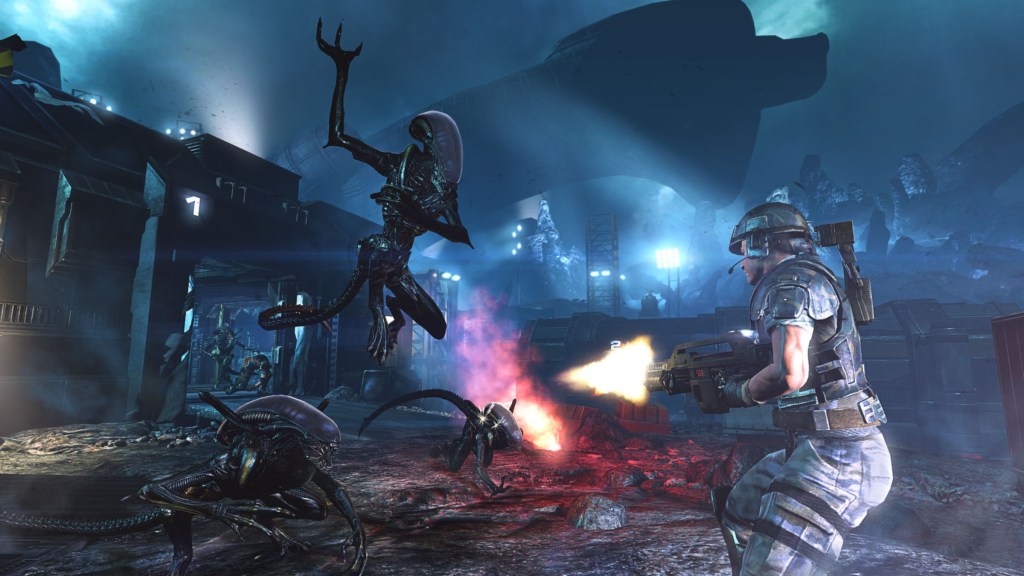
Aliens: Colonial Marines debuted on February 12, 2013, for PlayStation 3, Xbox 360, and Windows, after having spent several years in a fairly troubled development cycle. Conceived by Gearbox Software creative director Bryan Martell after a meeting with Ridley Scott in 2005, the game was intended to be a first-person shooter that served as a direct sequel to Alien 3 that would pick up the focus on the titular soldiers tasked with combating the Xenomorph threat.
At first, Sega gave Gearbox complete creative control over the project, which was announced at the tail-end of 2006 after the publisher acquired the game rights to the franchise. However, despite Gearbox’s initial excitement over the project, the company’s attention was divided among several other games, like Borderlands 2. This led to Gearbox bringing in several other developers to contribute to the title. Development moved at a very slow pace, with the struggles only compounded by disagreements between Gearbox and Sega over the direction of the title.
This led to the story going through several rewrites mid-development, with entire storylines dropped during production. The game’s graphics were developed on high-end computers that couldn’t be matched by consoles of the time, resulting in the team downscaling the visuals for the title’s wide-release. Gearbox outsourced development to other companies, but was frustrated when the material was sent back to them, proving incapable of working on a PS3 or Xbox 360.
When Sega refused to give the oft-delayed title another extension, Gearbox sped through the remaining development to hit their launch date. The result was a version of Colonial Marines that was ravaged by critics at the time, scoring a cumulative score between 43-48% on MetaCritic, depending on the platform. Although the game quickly sold well, players were left so frustrated by the final product that they even filed a lawsuit against Gearbox and Sega, claiming the demos constituted false advertising due to their differences from the preview material.
Why Colonial Marines Could Have Been Something Special
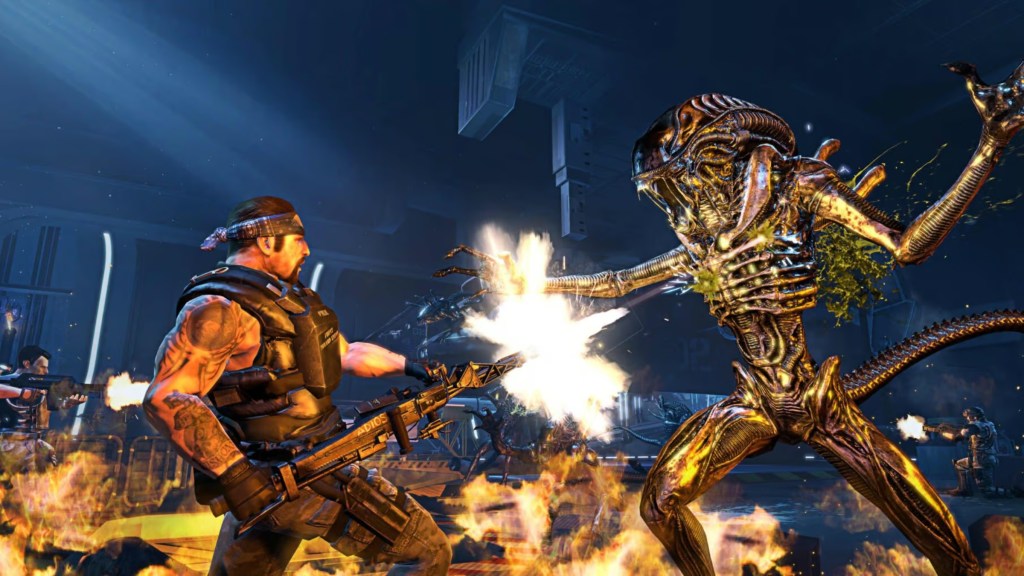
In the years since Colonial Marines was released, it’s become infamous among players and fans for how much a rough game development cycle can ruin a good concept. The game had real potential, especially given the way it technically fits into the formal continuity of the franchise and brought back some of the actors and composers who had worked on the films. While the core concept of a shooter pitting players against Xenomorphs might seem like a reversal of the way Aliens portrays the outclassed marines being slaughtered by the creatures, a good FPS experience that played with horror elements could have been a great chance to throw players headfirst into the world.
There were good underlying concepts to the game, even a chance to undo the unceremonious death of Lt. Hicks in the film series. If the game had been able to thread the needle, it could have been the action-heavy cousin to the other, far more successful game from the publisher based on the property, Alien: Isolation. However, the tonally disjointed story lost all the spirit of the movies and instead just felt like a generic sci-fi shooter with an Alien coat of paint. The dull and clunky gameplay only made matters worse, as the multiplayer options failed to make up for the lackluster single-player campaign. The graphics and worldbuilding were cool in theory but were downscaled so much for the consoles that it became a muddied-looking game with confusing action.
The basic characters made for a boring narrative that has only become more forgettable in the years since. The success of Alien: Isolation only further underscores just how much of a missed opportunity this game was. A version of Colonial Marines, fully developed by Gearbox, could have been a full game expansion of the action-heavy third act of that legendary horror game, giving players the full might of the Marines while still feeling true to the sense of dread at the heart of the series. Over a decade later, I’m still sad that the version of the game players got simply couldn’t match the idea that excited Gearbox in the first place.
More Gaming
-

Courtesy of Unknown Worlds -
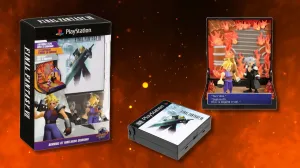
Final Fantasy VII Console Heroes Diorama -

Image courtesy of Square Enix