Some role-playing games sell millions and dominate headlines like Baldur’s Gate 3 or Cyberpunk 2077. Then there are the ones players quietly carry with them for years, even if they never became mainstream hits. These are the RPGs that delivered deep combat, memorable worlds, and systems that rewarded experimentation. They may not always win every award or launch a massive series, but they are beloved nonetheless. And while it may not top most RPG fans’ lists, Kingdoms of Amalur is one of my all-time favorite games.
Videos by ComicBook.com
I can count how many times I’ve completely lost track of time in its massive fantasy world, both chasing the main quest and enjoying the side stories of its inhabitants. Then there are the combat and build options that make every encounter feel unique. This 2012 action RPG, which was reviewed well, played smoothly, and built a rich fantasy setting, yet never received the sequel it clearly set up. Even after a modern remake, the follow-up fans still have not arrived.
Kingdoms of Amalur Is Too Good Not to Have a Sequel

Kingdoms of Amalur: Reckoning launched in 2012 as a new fantasy action RPG built around fast, responsive combat and flexible character progression. It was developed by both 38 Studios and Big Huge Games and published by Electronic Arts. Many praised its combat system, art direction, and class mechanics. My own playthrough is filled with moments of fast-paced gameplay and engaging experiences, both in its combat and narrative.
Combat was one of its strongest features. Instead of locking players into rigid classes, the game used a Destiny system that allowed builds to shift based on skill points. You could blend melee, magic, and stealth without restarting your character. That design made experimentation fun and exciting. In a market where many RPG builds punish mistakes or force you to restart, that flexibility stood out and still does when I look at other action RPGs.
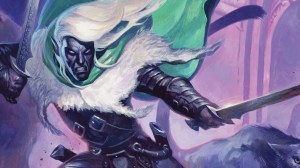
The world-building also had serious depth. The setting was developed with involvement from fantasy author R. A. Salvatore, best known for creating Drizzt Do’Urden and contributing decades of published fantasy fiction to Dungeons & Dragons and more. His influence helped shape the lore and factions of Amalur into the quality it is today. Even players who skipped dialogue could feel that the world had structure behind it. For fans of story-driven RPGs, that background added weight and is one of the things I love most about Kingdoms of Amalur.
The Remake Improved a Great Game, but It Isn’t Enough

In 2020, the game returned as Kingdoms of Amalur: Re-Reckoning, a remastered version developed by Kaiko and published by THQ Nordic. The remake brought visual improvements, gameplay tuning, and modern platform support. It introduced the RPG to a new audience and gave returning players a cleaner, smoother way to revisit it on newer hardware. For me, it was an obvious purchase, and it feels like I’ve put just as many hours into the remake as I did the original.
The remaster received solid reviews, proving what longtime fans like me already believed: the core design and foundation held up, even years later. Combat remained fluid and exciting, and building variety was still encouraged; exploration felt rewarding. and the narrative still drew players in. In many ways, the remake proved that the original design was ahead of its time. When people talk about RPGs that aged well, this title deserves to be in that conversation.
However, a remake is not a sequel. Updated textures and balance changes cannot replace what fans have always wanted. Players who returned were reminded why they liked it, but they were also reminded that the larger narrative and setting still felt unfinished. The frustration at a lack of a sequel or follow-up game only hurt more because of the remake, with many fans getting frustrated that it hasn’t happened.
The Canceled Sequel and What Could Have Been

Kingdoms of Amalur’s sequel never arrived. After the game was released, there were plans for a follow-up, but 38 Studios collapsed shortly after due to legal and financial issues. Project Copernicus was the studio’s planned continuation, an MMORPG set within the same universe as Kingdom of Amalur. Sadly, it was shut down when the studio closed, leaving fans like me with nothing to look forward to but another play-through of the game.
Reports from the time detailed the studio’s financial issues and the halted development pipeline. The shutdown effectively froze the franchise just as it was getting started. It is one of the clearest examples in RPG history where a hit game never got a sequel because the studio fell apart, not because fans walked away or the game was bad. When THQ Nordic later acquired the Amalur rights and released Re-Reckoning, hope returned that a true sequel might follow.
So far, no full sequel has been announced despite the good sales of the remake. That leaves the series in a strange position. It is praised for its combat and systems, backed by a respected fantasy writer, and proven viable through a remake, yet THQ Nordic has not committed to the next chapter of Kingdoms of Amalur. From a player and fan perspective, this absence is noticeable. I have replayed many major RPG franchises over the years, but few one-off worlds feel as ready for expansion as Amalur.
Great RPGs are built on systems that invite iteration. Kingdoms of Amalur had those systems. It delivered strong action RPG gameplay, flexible character builds, and a professionally developed fantasy setting. It earned its reputation at release and reinforced it with a successful remake. The missing sequel remains one of the biggest what-if stories in RPG history, and I hope one day we get an answer to this question.
What do you think? Leave a comment below and join the conversation now in the ComicBook Forum!
Most Viewed
-

Official art by Bastien Lecouffe-Deharme -
A photo of the Retrovolt Arcade taken in 2017, showing several classic arcade cabinets and stools. -

Image courtesy of Tor Books/Macmillan -

Courtesy of Saber Interactive