Most co-op RPGs feel like four strangers trapped in the same room, swinging at the same monster and pretending that counts as teamwork. Spells explode, and swords clash, with something usually bigger than the group dropping over dead as a result. It looks chaotic and impressive on the surface. But beneath the flashing abilities and synchronized attacks, there is often very little actual cooperation happening. Rarely are you truly adventuring together in these kinds of games. In most cases, you are simply fighting side by side, sharing space rather than sharing purpose.
Videos by ComicBook.com
For years, that illusion has been enough. As long as the enemies die faster and the loot drops more often, the genre has treated that as meaningful co-op multiplayer. But real cooperation is not about stacking damage or overlapping ultimates. It is about shared decisions, shared consequences, and shared progression. That deeper layer is exactly what most co-op RPGs typically lack, and why so many of them start to feel interchangeable after a few sessions; enter No Rest for the Wicked to change the game.
How No Rest for the Wicked Makes Cooperation Meaningful
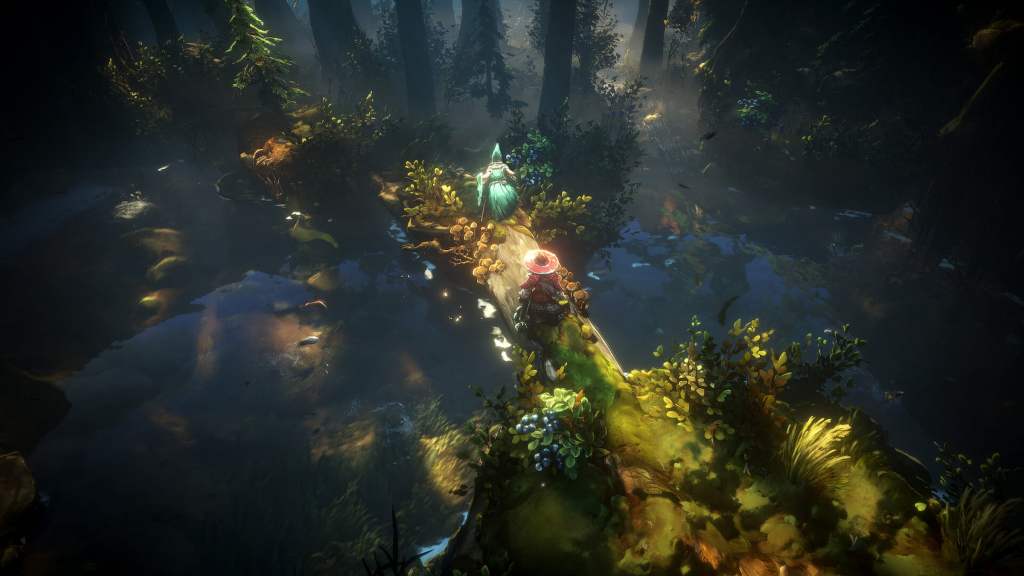
Most cooperative RPGs follow a simple formula: group up, sometimes specialize roles, and overwhelm encounters together. No Rest For The Wicked’s most recent co-op update approaches this concept with a very different mindset. Its systems encourage players to think collectively rather than individually. Progression and resource management are large pillars of No Rest for the Wicked’s survival-lite gameplay, as you and your party are tasked with restoring a city down on its luck. This requires significant resources and lots of time, but unlike other co-op games, your party can contribute to this progression, even if the “host” is not online.
No Rest For The Wicked abandons the traditional host system entirely. Instead, you create a persistent realm that remains active and online at all times, allowing anyone in your group to log in, jump in, and keep pushing things forward. When a realm progresses, everyone tied to it sees the consequences the next time they sign on, turning shared space into shared history. The result is a true co-op experience that begins long before blades ever clash. Combat strategy is layered in a way that makes each player’s decisions ripple outward, shaping not only fights but the state of the world itself. It’s teamwork in battle. It’s partnership in planning.
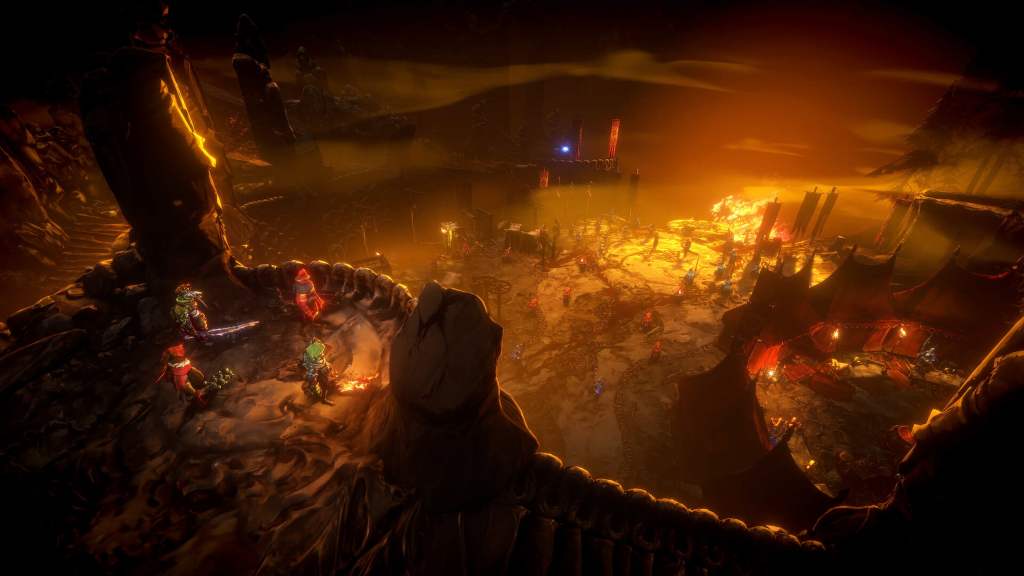
The brilliance lies in how the game ties advancement and world interaction to shared outcomes. When one player pushes forward, the entire group feels the impact. When someone experiments with a risky build or strategy, it is not isolated to their personal power fantasy. It becomes part of the group’s evolving dynamic. That shared ordeal creates something far closer to a tabletop party experience than the usual loot-driven race to higher numbers.
Combat, too, reflects this philosophy. Positioning, timing, and coordination feel deliberate rather than incidental. Players are not simply stacking abilities on top of each other, because they can’t. Friendly fire is a thing in No Rest For The Wicked, so all players involved must be careful and be mindful of what they’re doing, so as not to murder their entire team. They are reading encounters together, adjusting tactics mid-fight, and relying on communication as much as mechanics. It transforms encounters from chaotic brawls into collaborative problem-solving sessions, and that shift makes every victory feel earned by the group rather than carried by a single overpowered build.
Why More RPGs Should Take Notes From Its System
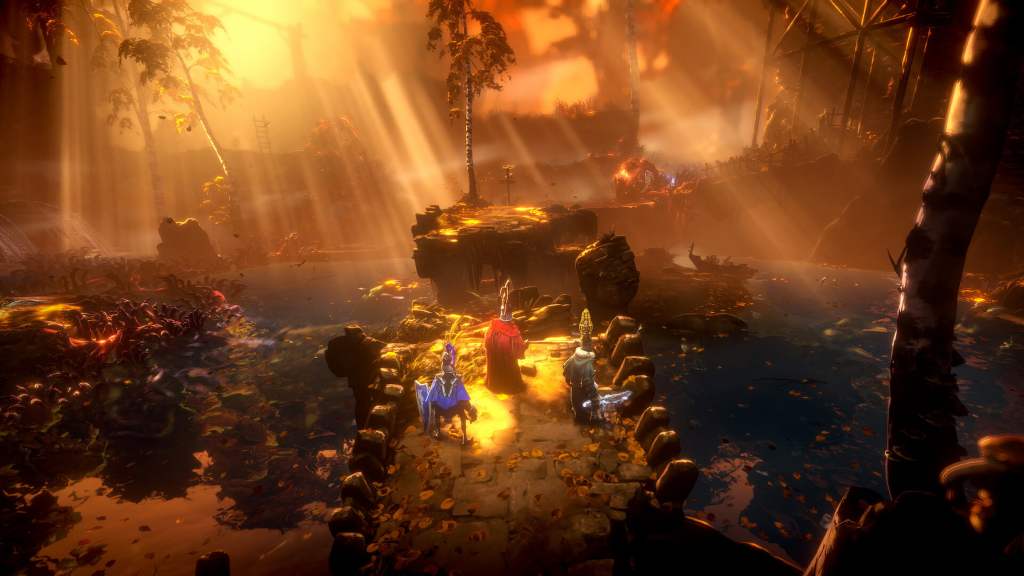
What makes this evolution so important is how natural it feels. No Rest For The Wicked does not abandon the satisfying combat and progression loops players expect from an RPG. Instead, it reframes them around table-top perimeters. Power still matters and loot still matters, but they matter within the context of the party. That shift turns co-op from a convenience feature into a foundational design pillar.
For years, many RPGs have treated multiplayer as an optional layer placed on top of a primarily solo experience. Players join friends, clear content faster, and split rewards. It is efficient, but rarely transformative. No Rest For The Wicked flips that mindset by building systems that assume collaboration from the start. The experience feels constructed around shared decision-making rather than retrofitted for it.

The genre has often settled for surface-level cooperation, but No Rest For The Wicked very clearly demonstrates that deeper integration is very much possible beyond throwaway scope. Players looking for richer, more connected co-op adventures now have a new benchmark, and developers have a new standard to match. If other RPGs are paying attention, they should be taking notes, because the rules of co-op have quietly been rewritten in the span of a single update.
What do you think? Leave a comment below and join the conversation now in the ComicBook Forum!
Most Viewed
-

Image Courtesy of TOHO -

Image Courtesy of Crunchyroll -

Image courtesy of Marvel Studios -

Image Courtesy of Marvel Comics