For more than a decade, World of Warcraft dominated the MMO landscape, setting a high bar for subscription numbers and cultural impact. Every new MMORPG that emerged faced the daunting comparison to Blizzard’s juggernaut, and some were hyped as the next big thing that would finally topple the king. Players and developers alike speculated which game might have the features, content, and innovation to lure millions away from Azeroth.
Videos by ComicBook.com
Some MMOs grabbed that label with pride, positioning themselves as WoW alternatives and promising groundbreaking gameplay, immersive worlds, or revolutionary mechanics. While these titles drew attention and sometimes even achieved short-term success, none could dethrone WoW, and most eventually settled into niche audiences or vanished entirely. Here are four MMOs that carried the WoW killer hype and the stories of where they are now.
4. WildStar (2014)
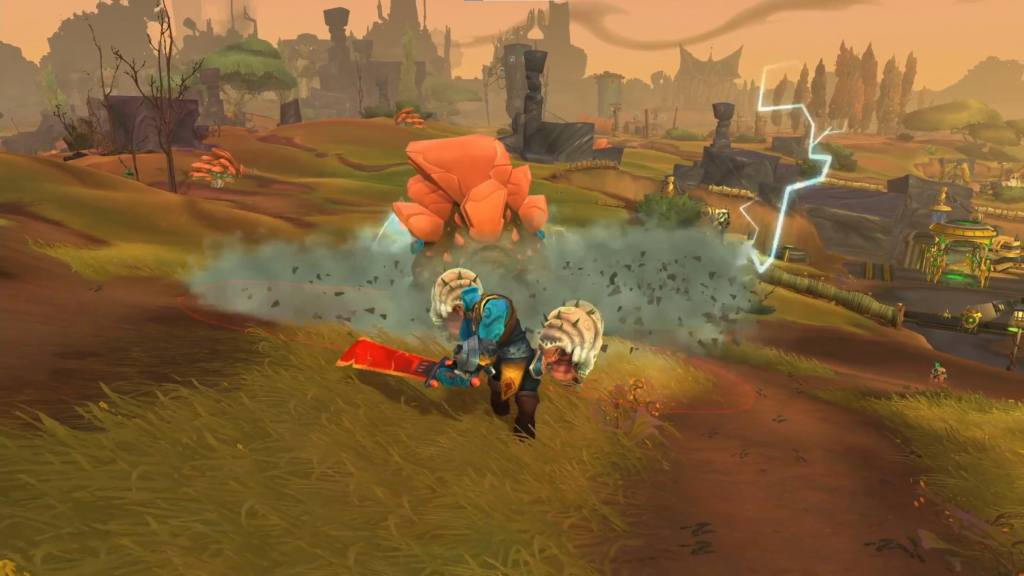
WildStar launched in 2014 with a bold promise: a fast-paced MMO designed for hardcore players who craved a challenging endgame and deep customization. Carbine Studios emphasized that hardcore spec as a main selling point, pitching it with the game as a refreshing alternative to WoW’s more traditional fantasy environment. The game drew immediate attention from players eager for something different and was often mentioned in forums as a potential WoW killer.
Despite the initial excitement, WildStar struggled to maintain a large player base. Subscription numbers dwindled, and the game faced criticism for its grind-heavy progression and limited content updates. NCSoft, the publisher, eventually transitioned WildStar to free-to-play in 2015, but the efforts were not enough to sustain it long-term. The servers officially shut down in 2018, ending the adventure entirely, though it remains fondly remembered by fans for its unique aesthetic and ambitious design.
3. Rift (2009)
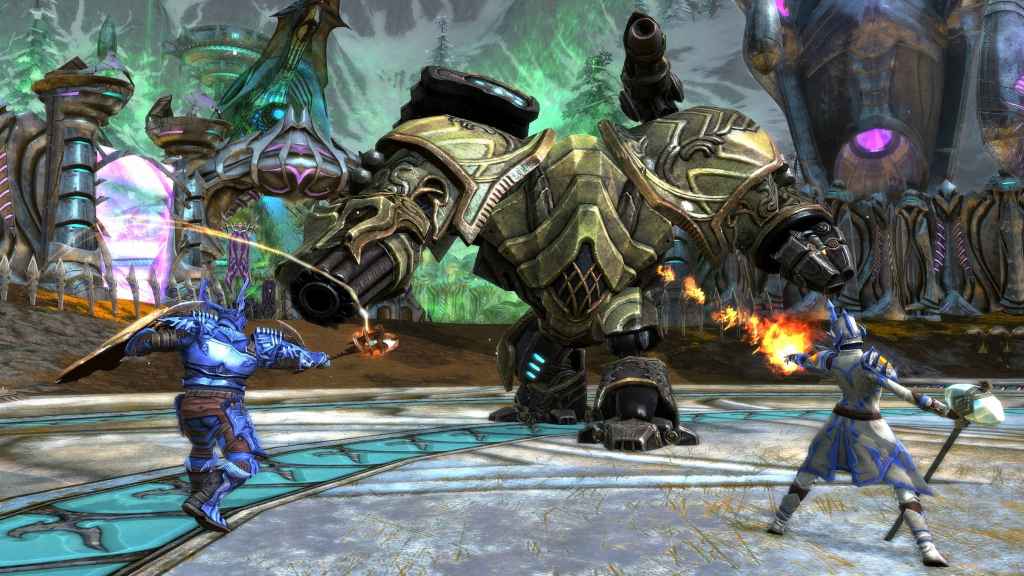
RIFT arrived in 2009 with sky-high expectations, marketed as a next-generation MMO that could rival WoW. Its greatest and most important selling point was the ability to customize classes and create your own personal playstyle, as a result. With an additional emphasis on group play and endgame content, RIFT was a much-talked-about MMO in the space before and a bit after its release. It had enough to attract both hardcore and casual players, and thus, the community and press frequently mentioned RIFT in discussions about WoW alternatives, praising its innovative approach to multiplayer events and class flexibility.
Unfortunately, RIFT suffered the fate of many would-be WoW killers because it could not sustain interest in players for long, and the engine the game ran on was not exactly popular. Technical issues and poor animation work plagued the game from the start, and it slowly wore it down like a slow-acting poison. Trion Worlds, the original developer, eventually went out of business and sold RIFT’s rights to Gamigo. Despite this change in ownership, RIFT remains playable today and is available on Steam, maintaining a smaller but dedicated player base. Gamigo continues to support the game with occasional updates, allowing fans to still experience its dynamic events and class customization decades after its initial hype.
2. Tabula Rasa (2007)
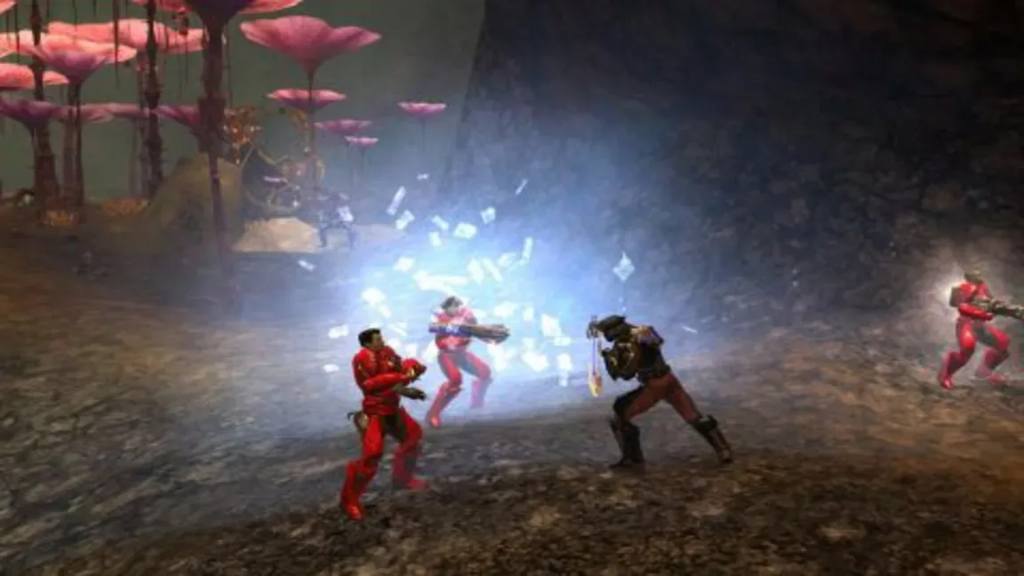
Tabula Rasa, released in 2007, was Richard Garriott’s ambitious attempt at a sci-fi MMO that could compete with WoW. The game featured unique combat mechanics, a strong narrative, and futuristic design elements that set it apart from traditional fantasy MMOs. In particular, it was one of the first MMOs to attempt to include aspects of Action gameplay by allowing you to aim your weapons at your targets, rather than traditional tab-targeting. In many ways, the game was innovative and ahead of its time, as Action-RPG-MMO hybridism is the norm in today’s MMO market. Marketing and community discussions framed it as a WoW killer at the time, and many players were intrigued by the prospect of a story-driven, action-oriented online world.
Unfortunately, Tabula Rasa struggled with technical issues and failed to attract a sustained audience. Despite being headed by such a legendary figure in the space, low subscription numbers and server instability made it difficult to maintain momentum, and NCSoft ultimately shut down the game in 2009, just two years after launch. While the game is no longer playable, it remains a notable example of ambition and innovation in the MMO genre, remembered for trying to do something different in a market dominated by World of Warcraft.
1. Aion (2008)
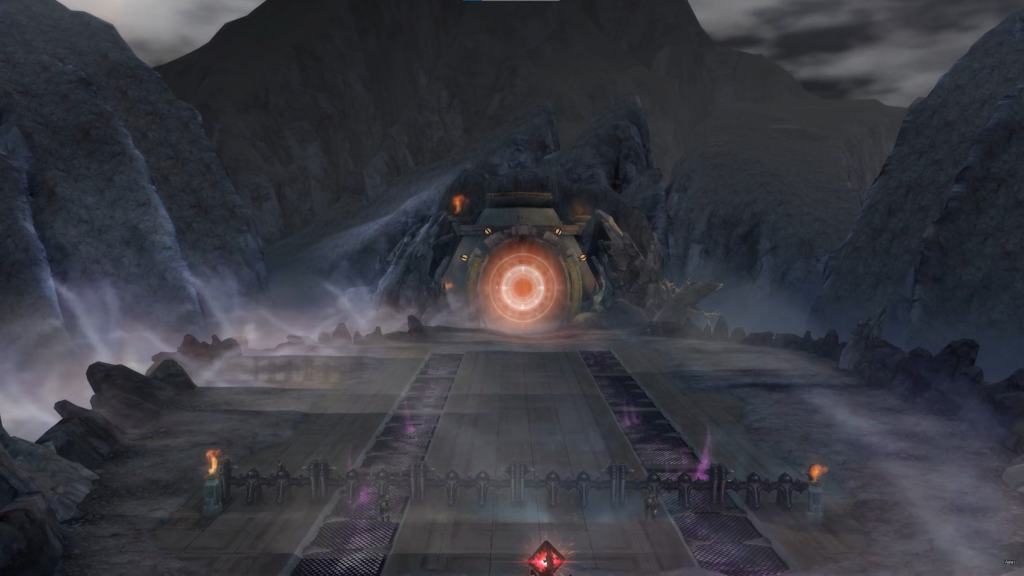
Aion debuted in 2008 with striking graphics, epic flight-based combat, and PvPvE zones designed to capture the attention of MMO players looking for something beyond WoW. In particular, the flight-based combat was an aspect of the game that was heavily touted as a unique selling point, as it was something WoW did not have but many wanted. NCSoft heavily marketed it as a WoW killer in the Western market, highlighting its unique aesthetic, Korean MMO design philosophy, and large-scale player-versus-player encounters. It quickly drew attention for its visuals and ambitious mechanics, earning praise from fans of the genre.
In the end, while Aion never surpassed WoW, it has managed to survive and evolve over the years, even earning itself a proper sequel in current active development. The game shifted to a free-to-play model and continues to receive updates, especially in Asia, where its core player base remains active. Today, Aion is still playable and enjoys a steady community, serving as a rare example of an MMO that outlived its initial hype while remaining true to its original vision, without kicking the bucket.
What do you think? Leave a comment below and join the conversation now in the ComicBook Forum!
Most Viewed
-

Image courtesy of Netflix -
Image Courtesy of Netflix -

Image Courtesy of Devolver Digital -
Image Courtesy of Madhouse/WIT Studio