The Legend of Zelda is Nintendo’s best-reviewed game franchise, and for many good reasons. The company has consistently produced stellar titles in the franchise since the first one was released for the Famicom in 1986 and the Nintendo Entertainment System in 1987. Since then, there have been dozens of Zelda games, and while almost all of them receive consistently high marks from players and critics alike, there are a few bad Zelda titles out there.
Videos by ComicBook.com
Fortunately, none of them were made by Nintendo, but they exist, so they’re ranked alongside all the rest. We’ve taken all of the major releases in the franchise and ranked them. Their placement is based on how well they performed with players and critics, their sales success, and the impact they had on the lore. Some games aren’t canon, while most are, and no re-releases are being considered, though some of the artwork may be from updated games.
26) Zelda’s Adventure
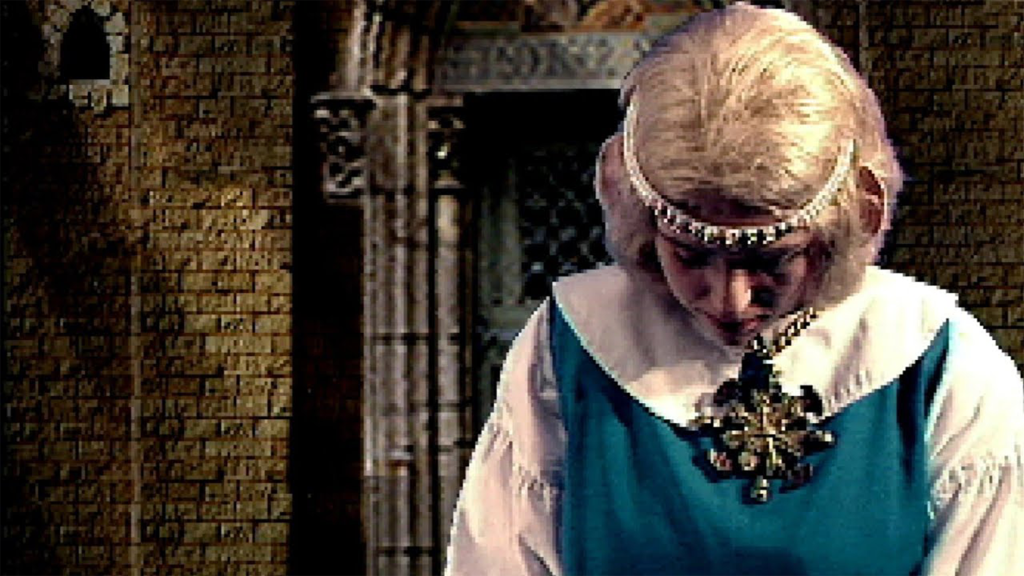
In an unusual move, Nintendo decided to partner with Phillips Interactive Media, the company responsible for the Phillips CD-i. This resulted in several titles from various Nintendo franchises, including The Legend of Zelda. What came out of it were the three worst Zelda games ever made. Zelda’s Adventure is the worst of them all. It’s about as far from canon as possible, and Link is the one in trouble, so Zelda goes on an adventure to save him. Zelda’s Adventure is the third CD-i title from the franchise, and it’s absolutely awful. It features terrible controls, a poorly written story, and actors who phoned it in, making for a positively unenjoyable experience.
25) Link: The Faces of Evil & Zelda: The Wand of Gamelon

Before Zelda’s Adventure, the Phillips CD-i was home to two titles released on the same day: Link: The Faces of Evil and Zelda: The Wand of Gamelon. They take up one entry because they’re effectively two halves of a single adventure. These games relied on the existing format of Zelda games of the period, making them a bit more familiar and enjoyable to play. Each game uses its title hero as the player character, and they were developed using the same graphic engine. They’re not canon, but are slightly more playable than the one that followed. For the most part, their plots aren’t great, and the full-motion cutscenes are pretty cheesy, thanks to cringeworthy dialogue and subpar voice acting.

24) Link’s Crossbow Training
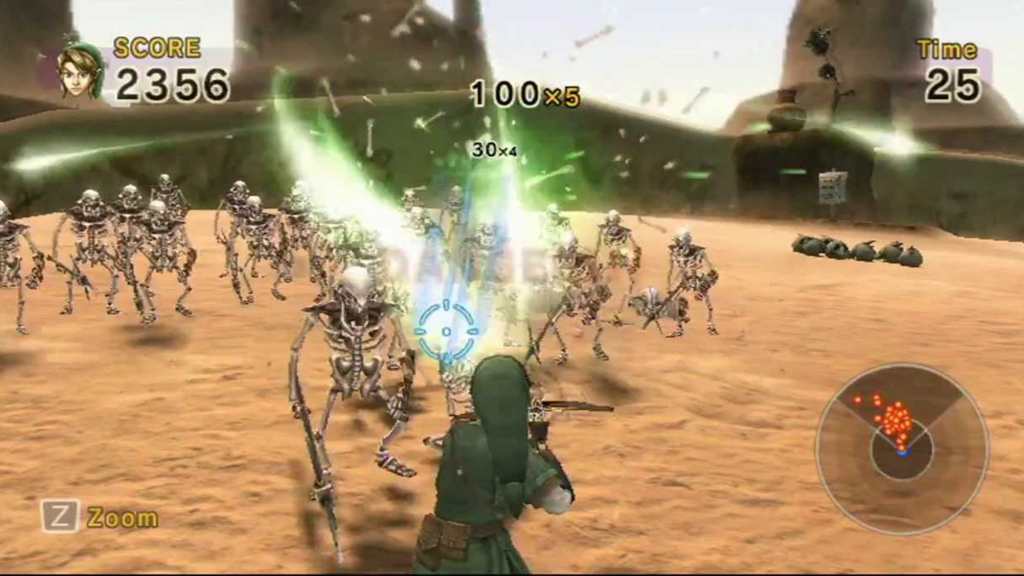
Don’t assume what follows is comparable to the previous two entries; every Zelda title higher than they are has enjoyed positive reviews from players and critics. That’s certainly true of Link’s Crossbow Training, which was released for the Wii in 2007 and came bundled with the Wii Zapper. The game utilizes the Wii’s motion controls to put the action in the player’s hands, allowing them to fire Link’s crossbow at various targets. It’s set in the world of The Legend of Zelda: Twilight Princess, released the previous year. One issue is that the game is a bit too short for some Zelda enthusiasts. Still, it’s fun to engage in its activities and dive into Hyrule, even for a little while.
23) Zelda II: The Adventure of Link
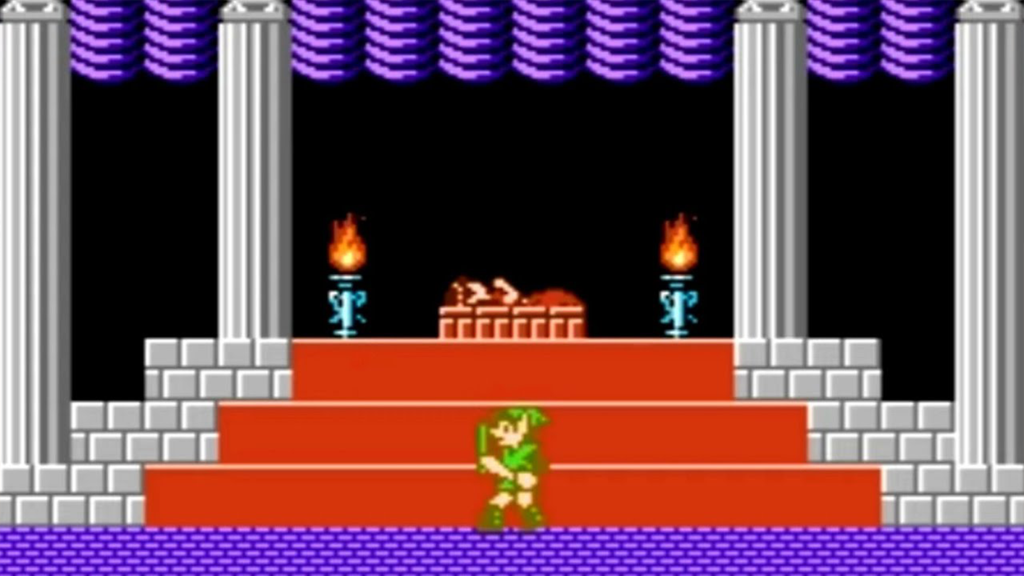
Zelda II: The Adventure of Link is the second title in the Zelda franchise and functions as a direct sequel. The quest: save Princess Zelda, who’s been cursed with a sleeping spell. The game’s overall style and mechanics deviated significantly from those of its predecessor, which featured a top-down perspective. Some players didn’t love this, while others joyously dove in. It’s presented primarily as a side-scrolling platformer mixed with role-playing elements, though it also features a world map. Zelda II has a difficulty curve that almost required a subscription to Nintendo Power to advance, but once you learn the secrets, it’s a fantastic adventure.
22) The Legend of Zelda: Tri Force Heroes
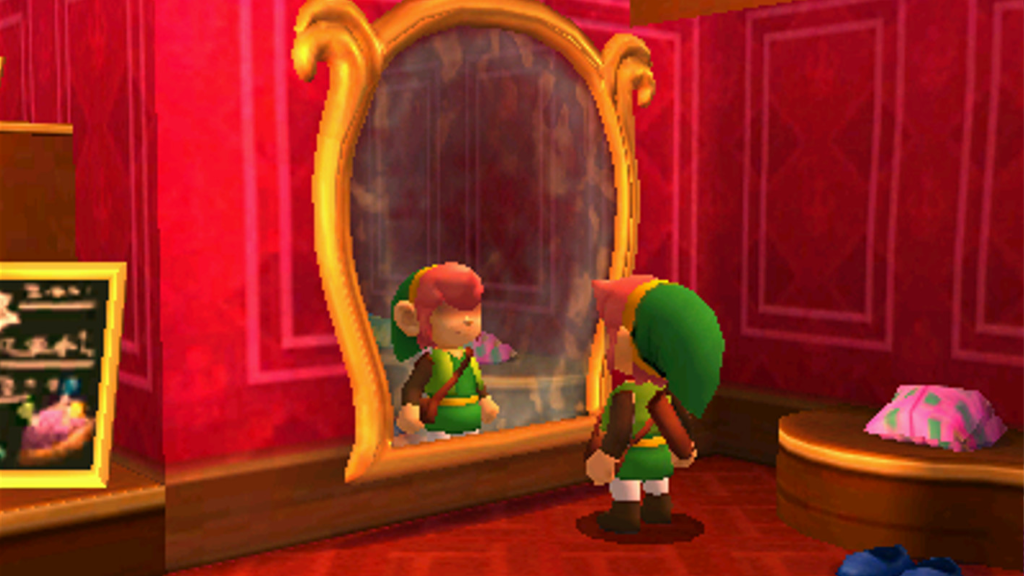
There are several excellent handheld Zelda titles, including The Legend of Zelda: Tri Force Heroes, which arrived on the Nintendo 3DS in 2015. It’s the second original Zelda game for the system and the third to feature a prominent multiplayer campaign, which supports up to three players. The same Link from A Link Between Worlds goes on an adventure alongside two other Links to lift a curse on a princess. The game boasts beautiful sound, and its multiplayer over wireless was a key feature. Conversely, Tri Force Heroes’ single-player campaign paled in comparison, and there were matchmaking issues upon release.
21) Hyrule Warriors: Age of Imprisonment
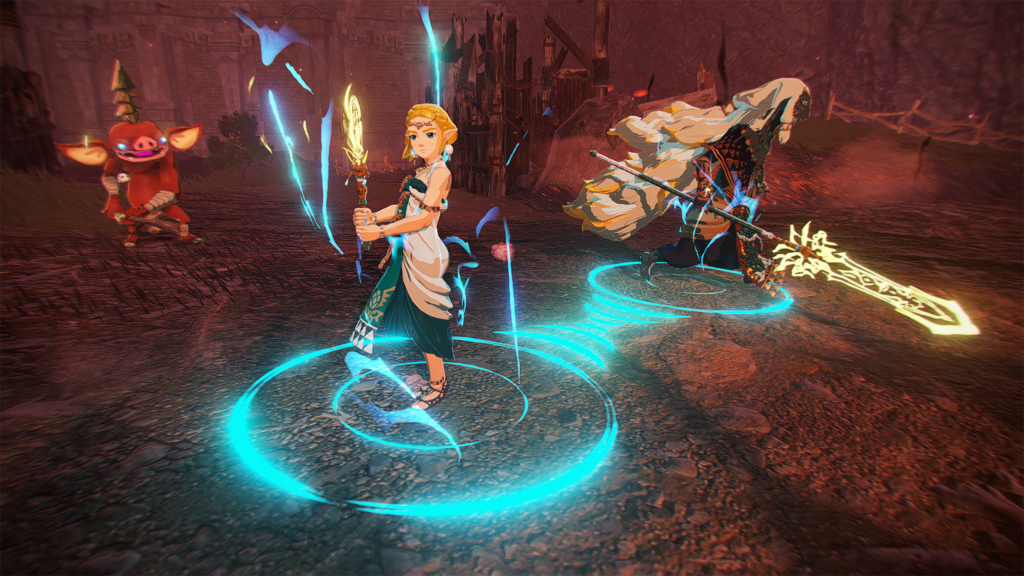
Hyrule Warriors: Age of Imprisonment is the third installment in the Hyrule Warriors franchise, a hack-and-slash series that mixes characters and elements from The Legend of Zelda and Dynasty Warriors franchises. It’s set during the Imprisoning War, which is a major story element from 2023’s The Legend of Zelda: Tears of the Kingdom, and fits nicely with the game’s flashbacks from that period. It incorporates numerous mobs from TotK and features beautiful graphics, sound, and excellent hit detection. Despite being a mix of two franchises, Hyrule Warriors: Age of Imprisonment is canon and a great addition to the series.
20) Hyrule Warriors
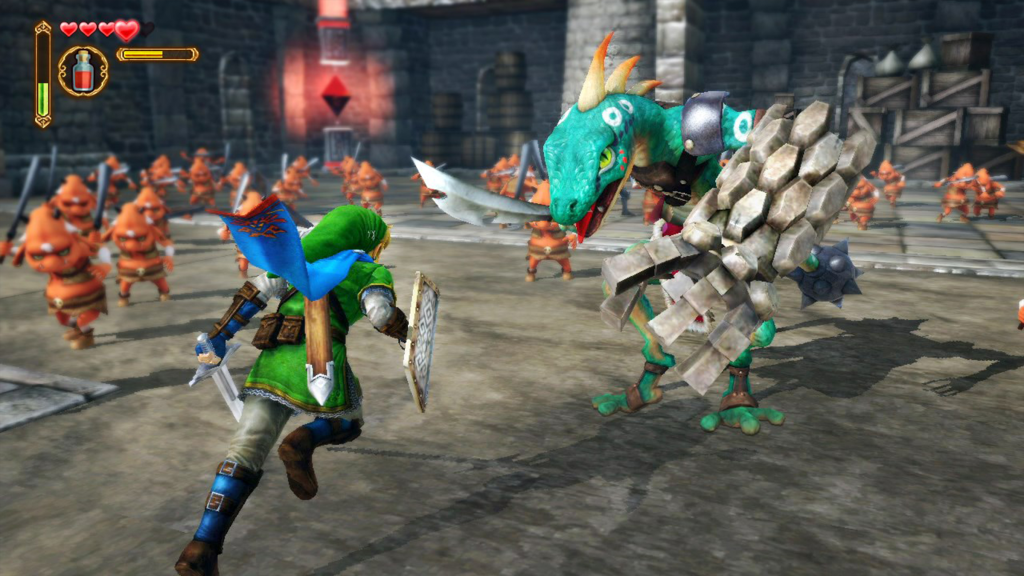
The first Hyrule Warriors game was released in 2014, introducing the hack-and-slash mechanic to the Legend of Zelda franchise. It was developed in collaboration with Koei Tecmo, which allowed it to incorporate gameplay elements from Dynasty Warriors —a fitting choice for the setting. It was initially released on the Wii U but has since been ported to the Nintendo 3DS and Nintendo Switch. Unlike its sequels, Hyrule Warriors is set outside of the official franchise timeline, so it’s an entirely new storyline that mixes elements of Zelda games into its narrative. The game was a success, resulting in two more installments.
19) Hyrule Warriors: Age of Calamity
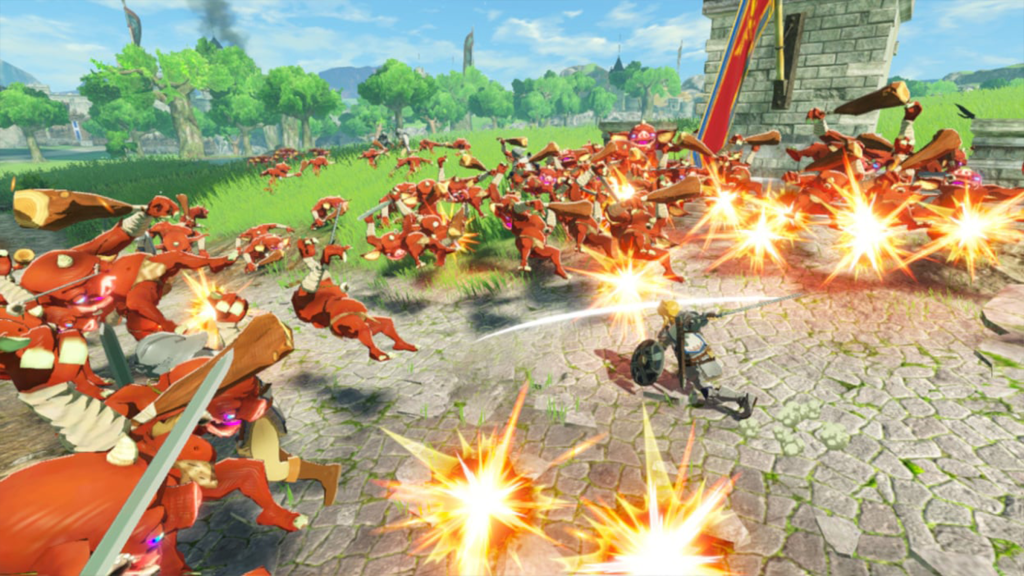
The second installment in the Hyrule Warriors franchise, Age of Calamity, is a spin-off of Breath of the Wild and is set 100 years before the events of the game. That makes it the first in the franchise to become canon, and it established the basis for continuing this streak with Tears of the Kingdom and Age of Imprisonment. In the game, Link and Princess Zelda must enlist allies from across Hyrule to fight off the evil forces of the Calamity Ganon. It features massive battles against hordes of Ganon’s mobs and incredible graphics, sound, and gameplay.
18) The Legend of Zelda: Skyward Sword
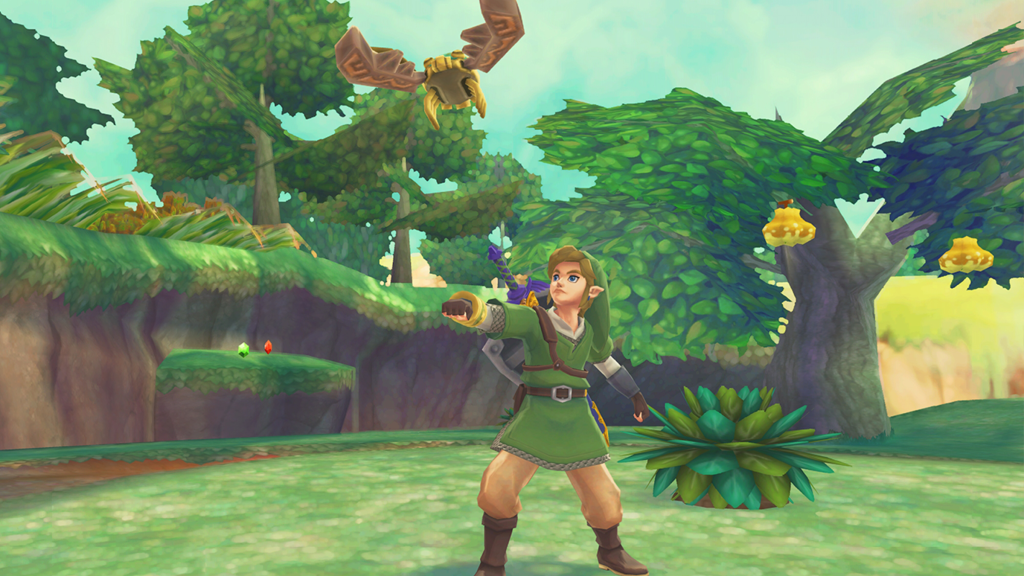
The Legend of Zelda: Skyward Sword was released in 2011 on the Wii, but it’s canonically the first game in the Zelda timeline. It focuses on the origin of the Master Sword, and Link is the main character who is out to rescue his childhood buddy, Zelda, after she’s kidnapped from their floating village of Skyloft. The game’s quests and dungeon puzzles are engaging and a lot of fun. The mechanics incorporate the Wii’s motion controls, allowing players to actively block and attack as if they’re actually Link, fighting the good fight. The game was a massive success and received a remaster in 2021, which sold more than four million copies.
17) Cadence of Hyrule
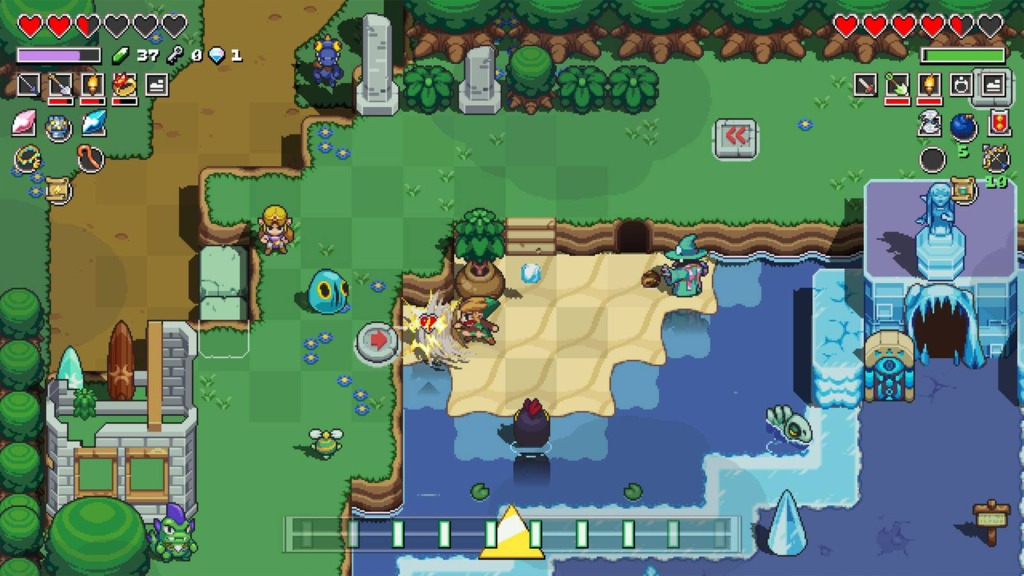
Cadence of Hyrule: Crypt of the NecroDancer Featuring The Legend of Zelda is not a canon game in the Zelda franchise, but it uses the same elements found in earlier titles. At its core, Cadence of Hyrule is a rhythm game that incorporates elements from Crypt of the NecroDancer and The Legend of Zelda. It features rousing gameplay, excellent music and sound mechanics, and is a lot of fun. It helps to bridge the gap between the genre and the Zelda franchise. It’s loaded with charming, retro-inspired graphics and mechanics that make it entertaining whether you’ve played a Zelda game or not.
16) The Legend of Zelda

The very first game in the franchise, The Legend of Zelda, came in a golden NES cartridge with the ability to save progress. This was a significant development at the time, making playing a long-term RPG much more manageable. When it was released, this game was the talk of the town, as it introduced a range of new mechanics to video games and established The Legend of Zelda as a rich, lore-filled, story-driven title that was easily a target for expansion. The only reason the OG title isn’t higher in the ranking is that newer games enhanced what came before, but don’t take its placement as any indication that The Legend of Zelda isn’t a legendary game, as it’s precisely that.
15) The Legend of Zelda: Echoes of Wisdom
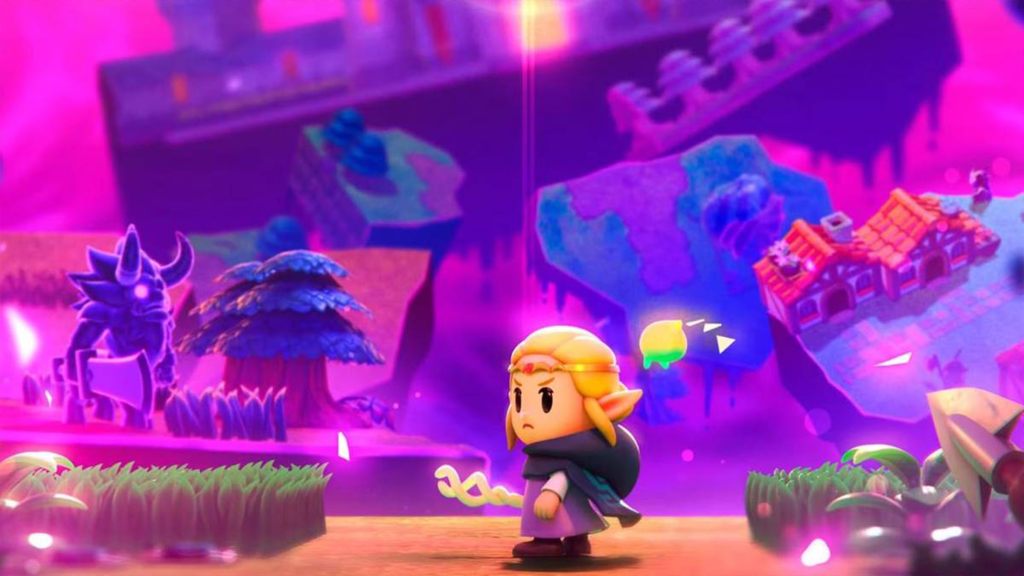
The Legend of Zelda: Echoes of Wisdom is unusual for a modern Zelda title because Princess Zelda is the main character. It’s her turn to go on a quest to save Link, and she does it using the Tri Rod, a magical artifact that helps her on her journey. The game features graphical homages to the remake of Link’s Awakening, as it bears a similar appearance. The freedom of movement is a welcome addition to the game, providing players with more options for approaching the adventure. It’s an entertaining entry in the franchise with alterations to existing mechanics, and it’s a nice change, playing as Zelda, so Echoes of Wisdom brings a lot to the table.
14) The Legend of Zelda: The Minish Cap

2004’s The Legend of Zelda: The Minish Cap, which was released for the Game Boy Advance, features an interesting shrinking mechanic. In the game, Link has a magical cap named Ezlo, which shrinks him down to the size of a Minish (About the size of a human thumb)/ This opens up the adventure by adjusting the scale, depending on where the story is going. It’s a fascinating addition to the franchise. The Minish Cap is the 12th game in the series, but it serves as a prequel for Four Swords and Four Swords Adventures. The gameplay is excellent, and many fans recall this early 2000s classic with fond memories.
13) The Legend of Zelda: Spirit Tracks
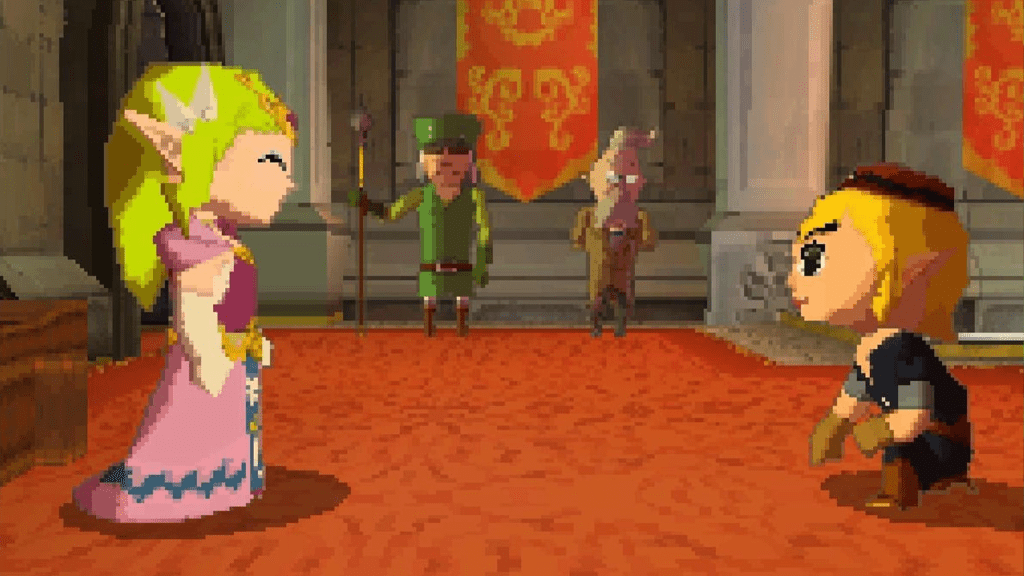
The Legend of Zelda: Spirit Tracks was released on the Nintendo DS in 2009, and is set one hundred years after The Wind Waker. It serves as the sequel to Phantom Hourglass, and sees Link and Princess Zelda explore Hyrule in the hope that they can stop the Demon King Malladus from waking up. The world is filled with story elements and dungeons loaded with puzzles. These utilize the touchscreen of the DS and several other features of the handheld to play the game, upping its interactivity to new heights. Moving from place to place requires hopping on a train, which has its own puzzles to keep players entertained.
12) The Legend of Zelda: Phantom Hourglass

Before Spirit Tracks, The Legend of Zelda: Phantom Hourglass found its way to the Nintendo DS. The 2007 title is a direct sequel to The Wind Waker, which was released on the GameCube five years earlier. The perspective utilizes an overhead camera and features beautifully rendered 3D graphics and cutscenes. It also used the DS’ touchscreen and microphone as mechanics in the game and included online play via a Nintendo Wi-Fi Connection. The name of the game was to utilize the hardware capabilities as much as possible, and the devs delivered an amazing game that won Game of the Year and several more industry awards in doing so.
11) The Legend of Zelda: Link’s Awakening

The Legend of Zelda: Link’s Awakening is a 1993 Game Boy game that was the first released on the console. Unlike its predecessors, it’s not set in Hyrule, and Princess Zelda is noticeably absent. The Triforce doesn’t make an appearance either, so its primary focus is on Link, who is stranded on Hojolint Island. The Wind Fish is its guardian, and the player must take control of Link, solve puzzles, and fight monsters while collecting eight musical instruments. Once he does this, he can use them to awaken the Wind Fish and escape the island. The game received a 2019 remake for the Switch. It’s an entirely different look and feel, while retaining the original title’s story.
10) The Legend of Zelda: Four Swords Adventures

The 2004 GameCube title, The Legend of Zelda: Four Swords Adventures, is the 11th game in the franchise’s timeline and features Link as the main protagonist, but he’s not alone. Link is joined by three clones of himself who create the magical “Four Sword” to restore peace to the land of Hyrule. The lore dates back to Zelda II, featuring a Shadow Link, and it all culminates in an amazing story and fun adventure. The game was also released on the Game Boy Advance, which could be used as a controller for the GameCube. It also features the familiar top-down view from A Link to the Past.
9) The Legend of Zelda: A Link Between Worlds

The Legend of Zelda: A Link Between Worlds is a sequel to A Link to the Past, featuring many of the same art styles and components as its predecessor, albeit with significant improvements. The game’s story features Link on a quest to restore Hyrule after Yuga captures Princess Zelda, escaping to an alternate parallel reality called Lorule. Her main goal is to resurrect Ganon, so Link sets out to stop her. He has a magical bracelet that allows him to merge into walls as a 2D painting, opening up vast areas to explore as he moves between worlds. The game’s stereoscopic 3D graphics are stunning on the Nintendo 3DS and represent a significant improvement over A Link to the Past’s 16-bit capabilities.
8) The Legend of Zelda: A Link to the Past

In a case where the original is best, The Legend of Zelda: A Link to the Past barely beats out its successor, thanks mainly to its impressive story and upgrades over previous games. As the third title in the franchise and the first on the Super Nintendo, A Link to the Past features a huge graphical, sound, and memory upgrade over its NES predecessors. The game sees Link journey to save Hyrule and defeat Ganon. It features a top-down perspective, returning the franchise to the same style as the original, and introduces several elements that have become standard within the franchise, including the Master Sword.
7) The Legend of Zelda: Twilight Princess

The Legend of Zelda: Twilight Princess was released in 2006 for the GameCube and Wii, making it a launch title for the latter system. It’s set more than a century after the events of Ocarina of Time and Majora’s Mask, but in an alternate timeline from The Wind Waker. The problem: Hyrule is on the verge of falling into a parallel dimension known as the Twilight Realm, and it’s up to Link to save it. He can take the form of himself and a wolf, incorporating a fun concept to the franchise that is reminiscent of Majora’s Mask. The art, style, combat, level design, and especially its story make Twilight Princess a “must-play” for franchise lovers.
6) The Legend of Zelda: The Wind Waker
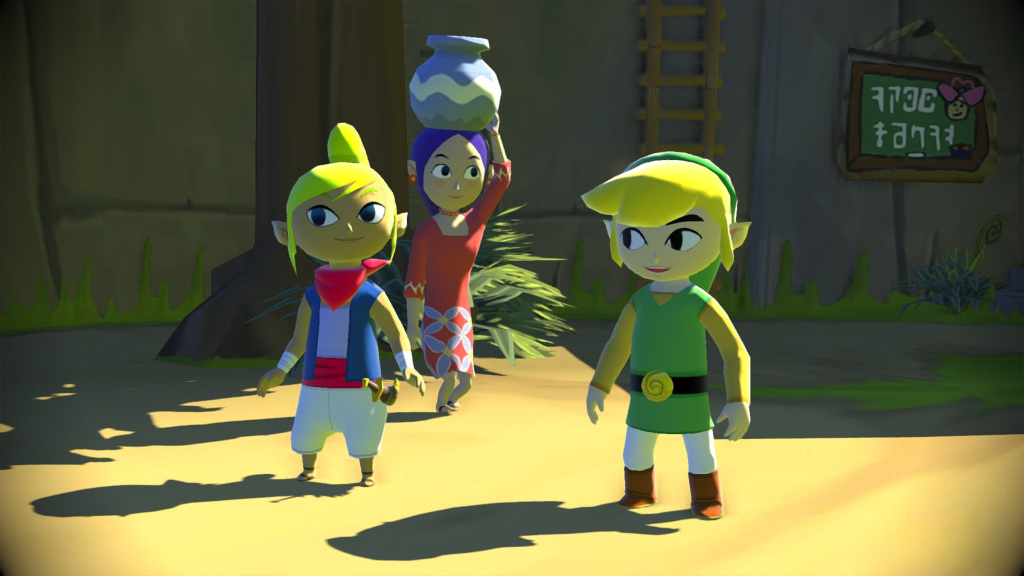
The Legend of Zelda: The Wind Waker is undoubtedly a fan-favorite entry for several reasons. The game was released for the GameCube in 2003 and is set in an archipelago surrounded by a vast sea. Link must save his sister from Ganon, who is on the hunt to use the Triforce to his advantage. Link’s allies include an incarnation of Princess Zelda and a talking sailboat. The game features ocean exploration mechanics, dungeons, and power-ups. Its art direction alone is reason enough to play, as its visuals are stunningly beautiful. While it remains beloved to this day, the departure in style didn’t last. The subsequent title embraced a more realistic approach, but The Wind Waker carved out a lovely niche for itself in the franchise regardless.
5) The Legend of Zelda: Oracle of Seasons & Oracle of Ages

The 2001 Game Boy Color titles, The Legend of Zelda: Oracle of Seasons and its accompanying Oracle of Ages, are the seventh and eighth entries in the Legend of Zelda franchise. Like the 25th entry above, they were released on the same day and are two halves of the same coin, so they’re bundled. In Seasons, Link is transported to the land of Holodrum, while in Ages, he is transported to the land of Labrynna. The plot is only fully revealed upon completing both games. They feature the familiar overhead perspective of the first title, and include the usual fare of puzzles, dungeons, and enemies.
4) The Legend of Zelda: Majora’s Mask
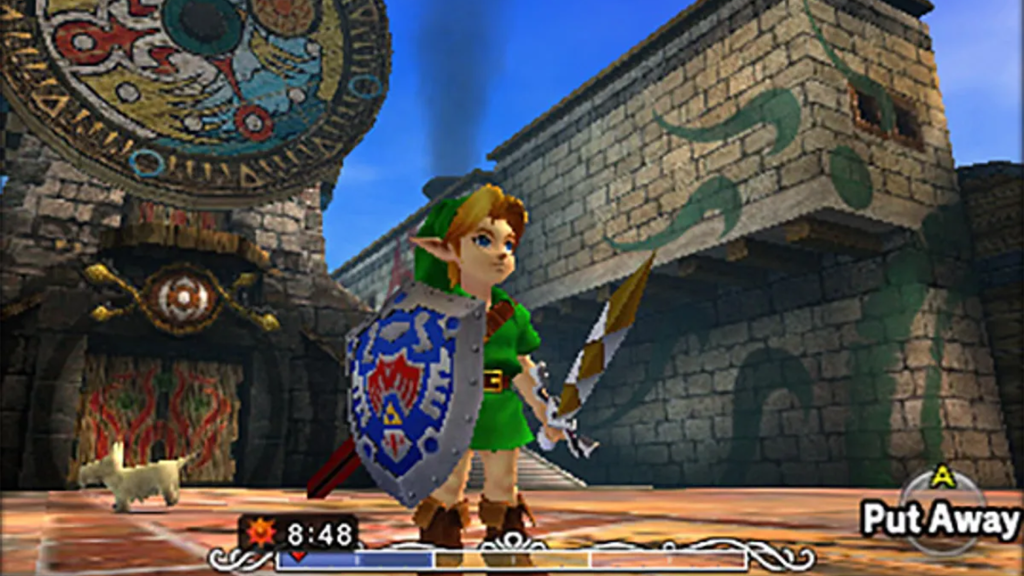
The Legend of Zelda: Majora’s Mask is easily one of the best titles in the franchise and has been beloved since its release on the Nintendo 64 in 2000. The game is set after the events of Ocarina of Time, and features many of the same character models and graphics, though with some enhancements and tweaks to the gameplay. Link arrives in the parallel world of Termina, where he goes on a quest to prevent the moon from crashing into the world. Link uses masks to transform into various forms, and he plays tunes on his ocarina, controlling the passage of time. While not as popular as its predecessor, fans love Majora’s Mask, and it received an enhanced remake on modern systems in 2015.
3) The Legend of Zelda: Ocarina of Time
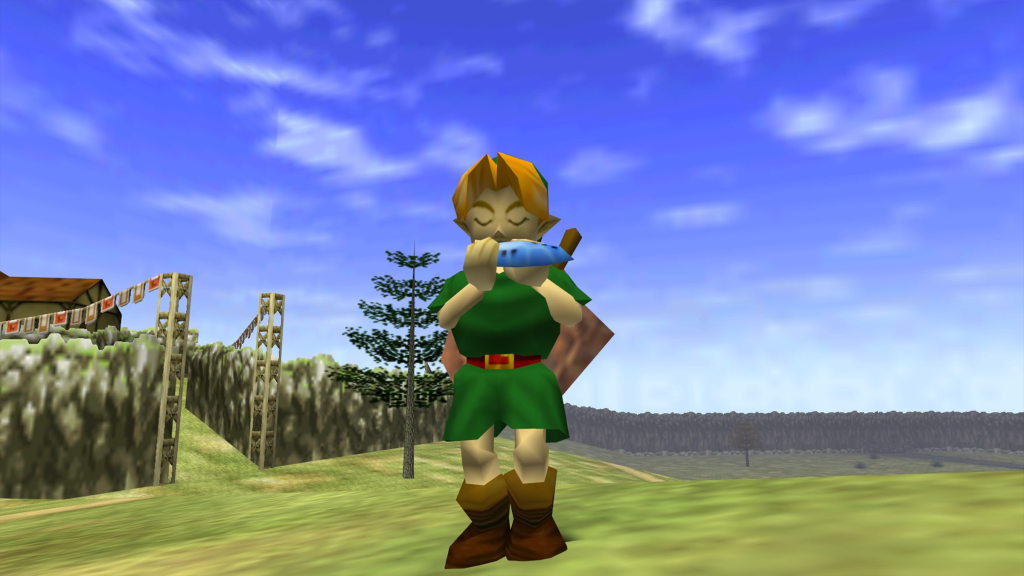
Before the franchise grew to include the wide open world of Breath of the Wild, it’s fair to say that The Legend of Zelda: Ocarina of Time was the top contender for best game in the franchise. It was released on the Nintendo 64 in 1998, significantly upgrading the franchise from previous entries by utilizing the system’s ability to display 3D graphics. While the graphics appear dated today, when it was released, they were an incredible enhancement, elevating the game to new heights. Many elements common to the franchise today were introduced in Ocarina of Time, which remains as playable now as it was decades ago. It got the enhancement treatment with a new release for the 3DS in 2011, and remains an exceptional entry in the Zelda franchise.
2) The Legend of Zelda: Breath of the Wild

When The Legend of Zelda: Breath of the Wild came out in 2017, it was an absolute game-changer, not only for the franchise but for gaming itself. The title features some of the most beautifully rendered vistas in all of gaming, and players can get lost exploring all the wonderful places to see and things to find as they take control of Link in a quest to save Princess Zelda and prevent Calamity Ganon. The story is terrific, the voice acting is top-notch, and the music is stunning. Needless to say, BotW was a Game of the Year-winner, and it remains one of the best video games ever made, having sold more than 34 million copies.
1) The Legend of Zelda: Tears of the Kingdom

It took five years for Nintendo to release a direct sequel to BotW, but it was well worth the wait. The Legend of Zelda: Tears of the Kingdom picked up where its predecessor left off and enhanced the game to new heights … literally! The game is set in the same world, but incorporates new lands high in the sky for Link to explore. It also includes new mechanics, allowing for the construction of all manner of devices to aid in your quest, resulting in some amazing contraptions that help Link fly and move objects he’d otherwise be incapable of handling. It’s one of the greatest video games ever made, and easily holds the top spot for the best Legend of Zelda title ever released … for now.
Which Zelda games are at the top and bottom of your list? Leave a comment below and join the conversation now in the ComicBook Forum!
Most Viewed
-
Courtesy of Sony Pictures Animation / McDonalds -

Courtesy of Viz Media