When you walk into a theater to see a film like Avengers: Endgame, you know that when you sit down, you will have a singular experience; you’re going to see the same movie as everyone else watching it around the rest of the world. There are very few exceptions to this rule, with changes made in international releases for minor content edits or objections to graphic violence, but all in all, the movie is the movie, no matter if it’s in Paris, France, or at the Paris Theater in New York, at least most of the time. 40 years ago today, this was not true at all, though.
Videos by ComicBook.com
Four decades ago, Paramount released the movie Clue on December 13, 1985. Though adaptations of other pieces of media into big-screen feature films are the most commonplace movies being made, at the time, they weren’t the bedrock of Hollywood, especially not adaptations of board games. Suffice to say, turning Clue into a movie was a surprising move, but that wasn’t even the weirdest thing about the development of the project. Well before Clue had even shot a frame of footage, it had an idea that was totally new to Hollywood: multiple alternate endings which would change depending on the print of the movie screening at the theater.

Clue Surprised Audiences With Three Different Endings
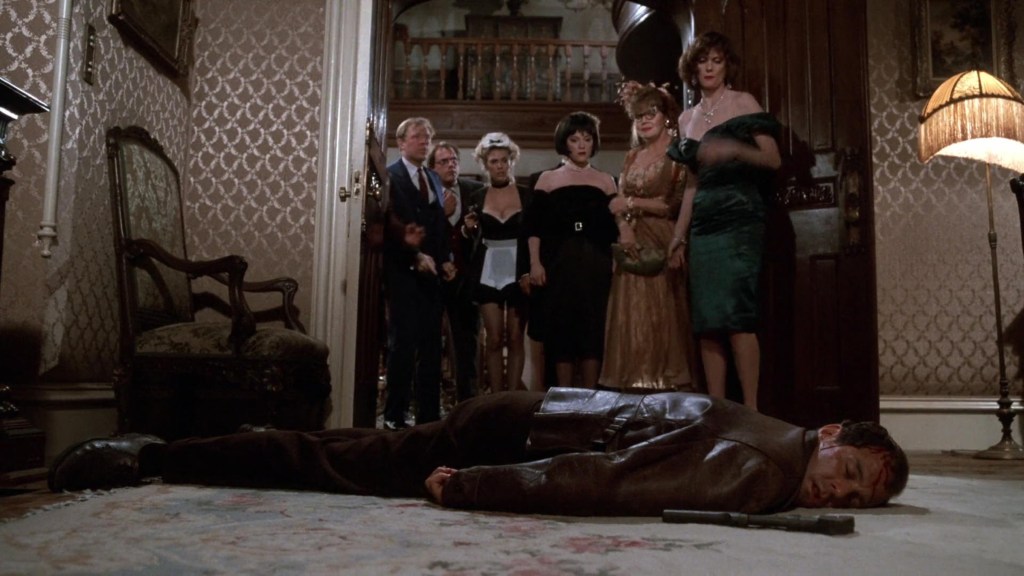
Gimmicks in movies to get the audience on board were not new at the time of Clue‘s release in 1985. By that point, 3D movies had been popular, fallen out of fashion, and come back again; plus, John Waters had successfully done the first movie with a scratch-and-sniff card in 1981’s Polyester. All of that is without even mentioning director William Castle and his gimmick-enfused productions such as House on Haunted Hill, The Tingler, and 13 Ghosts. When Clue premiered, it was sold on one of the most unique gimmicks in movie history: three different endings. TV Spots for the comedy-mystery film that aired ahead of its debut even used the line, “Who done it? Depends on where you see it.”
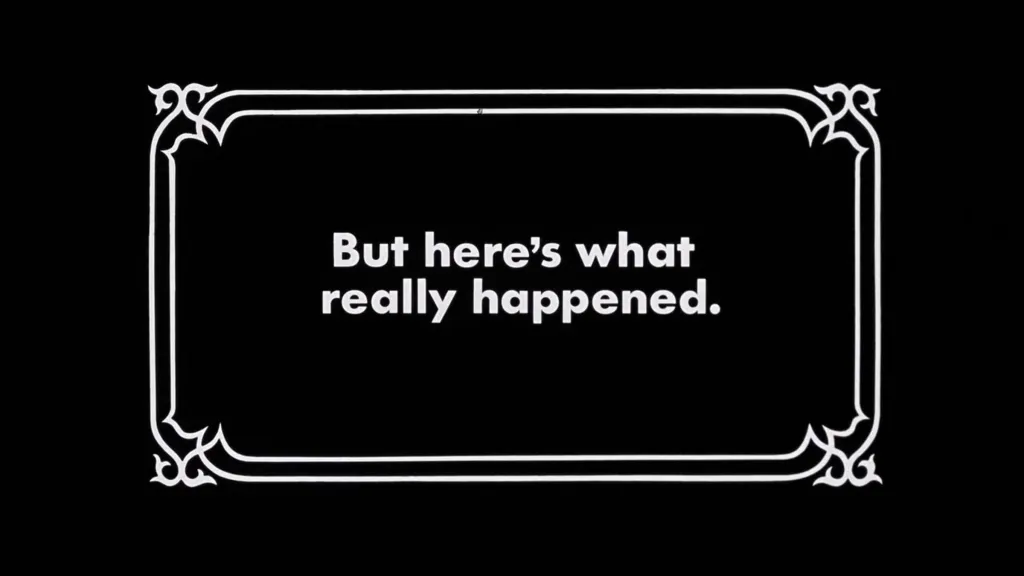
It’s true, depending on where you saw the film at the time of its release, you would get one of three different conclusions, all revealing a different killer with a different motive, and even different jokes. Roger Ebert, in his review, called the multiple ending gimmick “ingenious,” though he noted that it would be more effective if the film itself were better. In fact, the lackluster reception and the confusion of which ending was “real” resulted in Clue becoming a certified flop.
“(John) Landis thought it would be really great box office,” Clue writer & director Jonathan Lynn previously told Buzzfeed about the endings. “He thought that what would happen was that people, having enjoyed the film so much, would then go back and pay again and see the other endings. In reality, what happened is that the audience decided they didn’t know which ending to go to, so they didn’t go at all.”
Hollywood Are Cowards For Not Trying This Gimmick Again
The shift away from doing this gimmick makes sense. Not only does failure in Hollywood lead to imitation being a dead-end street, but it also means fewer chances are going to be taken in the future with only safe routes planned for everyone. It’s not to imply that every movie is worth having the alternate endings gimmick, but it’s something that should be deployed when appropriate.
Consider event movies like Alien vs. Predator, Freddy vs. Jason, and Godzilla vs. Kong. All three of these were built around the hype of seeing specific cinematic characters fighting, finally settling arguments that had taken place in school yards, video stores, and comic book shops for decades. Each of these movies comes equipped with a static conclusion, but imagine if it wasn’t clear when you walked into the theater how things would wrap up. What if, instead, there were versions where a different victor, or perhaps no victor, were shown?
There’s no doubt that this would be controversial for fans. Maybe you’re a Godzilla guy, and you paid $20 to see a film where King Kong whips him, which makes you unhappy. There’s also the larger franchise question of continuity, which ending really matters? Which one actually “counts?” By doing this, studios would have created a headache for themselves and their audiences about the larger lore.
Produced on a reported budget of $15 million, Clue brought in $13.3 million at the time of its release. Home video and cable viewings of the movie would eschew the multiple endings, instead threading them all together, with two options being noted as “what could have happened,” a suggestion that Ebert even made about the movie when it was in theaters. That said, despite the tepid response at the time, Clue has become a cult classic and an iconic film in the years since. Much of that is the humor itself and the performances of its all-star cast, but the allure of those endings cannot be denied. Someone needs to roll the dice again, especially when streaming remains a key component of modern movie watching, and the chance of a “wrong ending” appearing on screen can be fixed with a button press.
Most Viewed
-

Image courtesy of Netflix -
Image Courtesy of Marvel Comics