Hollywood didn’t just change a line in Apollo 13; it created a piece of cultural language that became more famous than the historical event itself. There are very few movie lines that became pop culture for such a long time—and can still make sense today. You don’t even need to have seen Apollo 13 to know what it means. Try mentioning it to someone from Gen Z or Gen Alpha, and chances are, they’ll get the message loud and clear: Something has gone terribly wrong, and someone needs to figure out how to fix it—fast.
Videos by ComicBook.com
There’s just one problem: that’s not exactly what the astronauts said. If Hollywood were trying to be accurate, then the real transmission from the Apollo 13 mission was, “Houston, we’ve had a problem here.” It’s a subtle difference, but it makes a huge difference dramatically. “We have a problem” sounds immediate, urgent and cinematic. “We’ve had a problem here” sounds more like what it actually was: an astronaut calmly reporting a terrifying technical emergency to Mission Control that had already been going on but was most likely in the process of being figured out and resolved.
What Actually Happened During the Apollo 13 Mission

In 1970, an oxygen tank exploded onboard the Apollo 13 spacecraft. Next thing they knew, astronauts Jim Lovell, Jack Swigert and Fred Haise suddenly found themselves fighting for their lives. Swigert’s actual words were cemented in NASA history. But 25 years later, Hollywood gave the world a version that became even more famous.
Ron Howard’s 1995 film Apollo 13 turned the distressing moment into one of the most memorable and quoted scenes in space-movie history. Known for his World War II roles, Tom Hanks took on the role of astronaut Lovell, and along with a natural and smooth performance, his delivery of the famous line resonated with audiences. As a matter of fact, it seemed to increasingly sink into their minds as the scene’s stakes raised. The movie wasn’t simply recreating the Apollo 13 mission; it was telling a story. And stories have different requirements than being accurate historical transcripts.
“Houston, we have a problem” is shorter and punchier. It sounds like the beginning of a crisis that’s happening in the moment. And that’s what audiences remember. The real words are more mundane, but that’s because real astronauts aren’t writing dialogue for a movie. They’re trying to communicate with Mission Control while their spacecraft is in serious trouble.
Houston’s Problem Enters Pop Culture
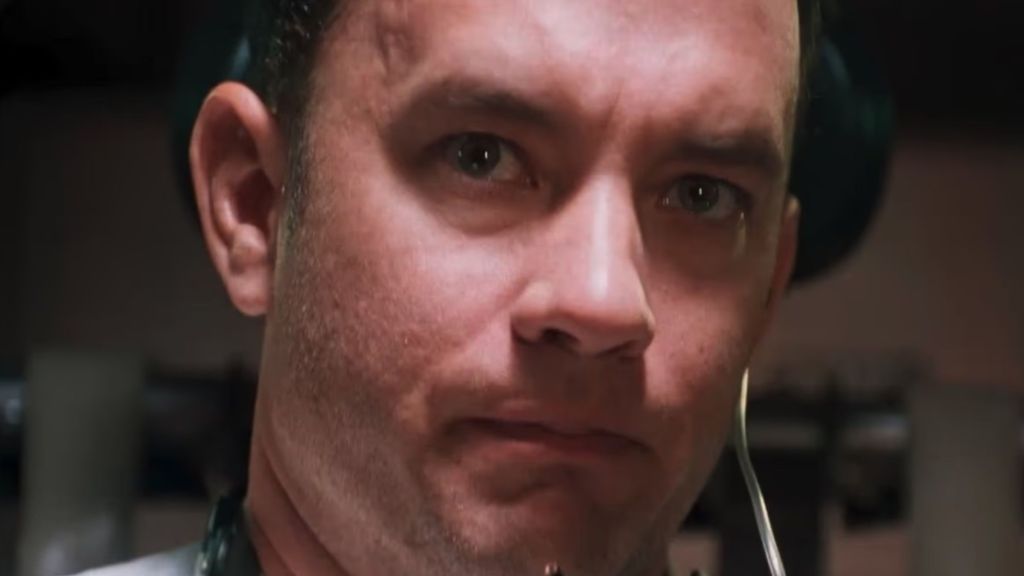
After the movie concluded, audiences were likely left with a feeling of deep relief. And the one thing they remembered most was when the Apollo 13 crew began facing immense danger. As a result, “Houston, we have a problem” became everyday language. Boyfriend/girlfriend issues? Houston, we have a problem. You forgot to study for a test? Houston, we have a problem. Gunshots heard down the street? Houston, we have a problem. And so on.
And if used in today’s world, the phrase no longer requires anyone to know anything about Apollo 13. It has become shorthand for any unexpected disaster, from the genuinely serious to the completely ridiculous. That’s what makes the line so fascinating. Hollywood didn’t merely recreate history. It created a piece of cultural language that became more recognizable than the instance that inspired it.
The movie gave millions of people a reason to care about three astronauts they had never met. They also learned about American history regarding a mission that had happened decades earlier. It turned technical details and an isolated incident into human drama. In that sense, changing the line helped make the moment more memorable, not less. Apollo 13 was even praised by retired NASA astronauts.
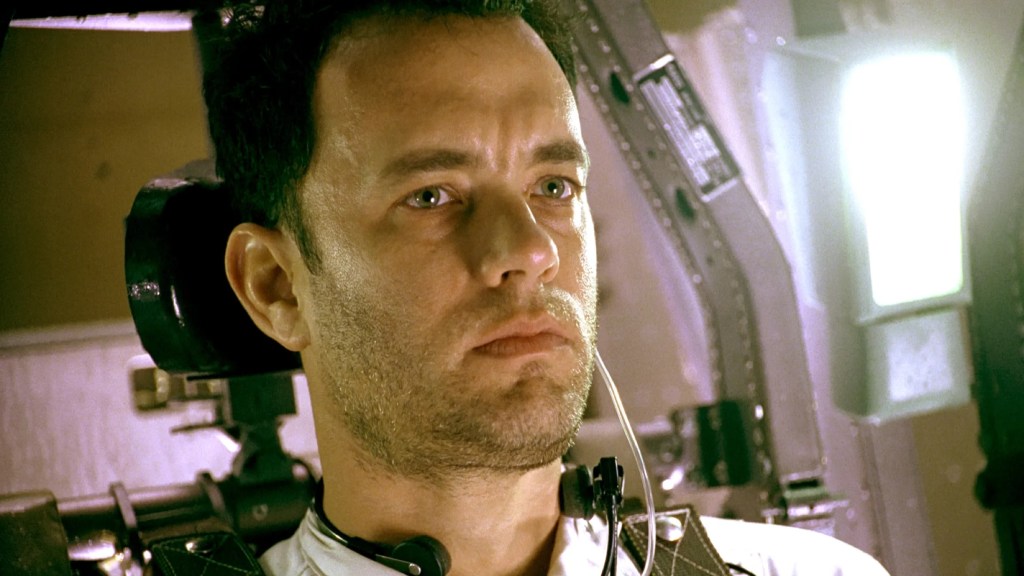
Once the fictional version becomes the version everyone repeats, Hollywood has effectively helped rewrite the cultural memory of what happened. In the public imagination, Apollo 13 doesn’t belong entirely to Lovell, Haise and Swigert anymore. It belongs, at least partly, to Tom Hanks. That’s not necessarily a bad thing. In fact, it’s one of the most powerful things movies can do. They can take something that happened before we were born, put a human face on it and make us feel as if we were there.
The strange thing about “Houston, we have a problem” is that its historical inaccuracy may be part of why it became so historically important. The astronauts gave us the words. Hollywood gave us the line. And three decades later, the line is the part that remains relatable to any generation.
More Movies
-

Image Courtesy of Dreamworks Animation