Disney Star Wars is finally returning to the big screen this year, and Lucasfilm has officially fixed the biggest problem of all. George Lucas is a Hollywood legend, but there’s one thing that he was particularly good at; he excelled at keeping the budgets under control, which meant his films made fantastic profits. The first Star Wars film had a budget of just $11 million ($58.4 million adjusted for inflation), and grossed a staggering $775.4 million (over $4 billion after inflation). The budgets did increase over time, but Star Wars remained highly profitable.
Videos by ComicBook.com
Disney Star Wars has never been quite so profitable, in large part because of the budgets. Solo: A Star Wars Story was the worst, of course; Solo‘s expensive reshoots more than doubled the film’s budget, and it became Lucasfilm’s first box office bomb. The studio has faced similar problems with its Disney+ TV shows, with The Acolyte costing over $230 million and Andor‘s two seasons enjoying a phenomenal budget of over $645 million. Fortunately, Lucasfilm has finally mastered the art of keeping the costs down.
The Mandalorian & Grogu is the Cheapest Disney Star Wars Film
The Mandalorian and Grogu has yet to release, but we already have a good idea of the budget simply because Lucasfilm applied for tax credits in California. According to the California Film Commission (via Collider), it had an overall production budget of just $166.4 million. Here’s how that compares to other Star Wars movies:
| Film Title | Release Year | Production Budget |
|---|---|---|
| Star Wars | 1977 | $11 million |
| The Empire Strikes Back | 1980 | $18 million |
| Return of the Jedi | 1983 | $32.5 million |
| Star Wars: Episode I – The Phantom Menace | 1999 | $115 million |
| Star Wars: Episode II – Attack of the Clones | 2002 | $115 million |
| Star Wars: Episode III – Revenge of the Sith | 2005 | $113 million |
| Star Wars: The Force Awakens | 2015 | $245 million |
| Rogue One: A Star Wars Story | 2016 | $200 million |
| Star Wars: The Last Jedi | 2017 | $317 million |
| Solo: A Star Wars Story | 2018 | $275 million |
| Star Wars: The Rise of Skywalker | 2019 | $275 million |
| The Mandalorian and Grogu | 2026 | $166.4 million |
This is even more impressive when you consider that The Mandalorian Season 1 had a total budget of somewhere between $100-120 million, with costs remaining steady through the show’s three seasons. That means The Mandalorian and Grogu only cost a little more than a season of the TV series, which is particularly impressive.
How Did Lucasfilm Keep Costs Under Control?
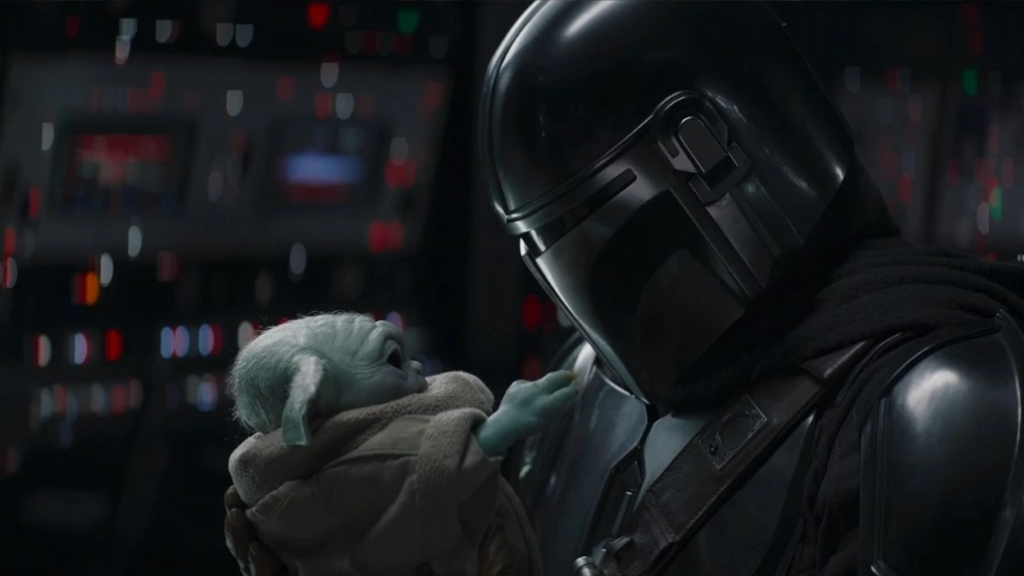
The Mandalorian & Grogu is the beginning of a new model for Lucasfilm, which makes it difficult to evaluate. It’s a cheaper film, meaning it won’t need to make much in the box office to return a profit, and then is pretty much guaranteed to be a streaming hit. This may well backfire in terms of PR, of course, simply because there’ll be popular hopes for a big box office success given we haven’t had a new Star Wars film in seven years. The first Mandalorian and Grogu trailer didn’t really land, but there are still hopes marketing can make a difference.
There are good reasons costs were kept so low. Jon Favreau is an experienced showrunner and filmmaker who’s been working with Lucasfilm for quite some time now, and that experience means there have been absolutely no reports of the kind of behind-the-scenes drama that plagued the likes of Solo and Rogue One: A Star Wars Story. Principal photography began in June 2024, depended on ILM’s Stagecraft technology instead of location filming, and wrapped up smoothly by December. It was an impressively slick procedure.
Is This A New Beginning for Star Wars?
The Mandalorian and Grogu is the first Star Wars film for seven years, but it will be followed on by next year’s Starfighter. Directed by Shawn Levy, Starfighter‘s budget is currently something of a mystery, but it had an even smoother filming experience; principal photography began on August 28, 2025, and wrapped on December 18. This used location filming a lot more, with Levy teasing shoots in the Mediterranean Sea, but the short length of filming presumably means costs were kept down.
All in all, then, it increasingly seems as though Lucasfilm has fixed the biggest post-Lucas problem of all; the budgets have finally become more reasonable, which means Star Wars movies won’t need to gross as much to make a profit. The studio clearly now has a pretty efficient film pipeline, and there seems to be a new film shooting every year – which means the next one will surely progress over the following months.
Which upcoming Star Wars theatrical project do you think Dave Filoni should make his top priority? Leave a comment below and join the conversation now in the ComicBook Forum!
More Movies
-

Image Courtesy of Marvel Comics -

Image Courtesy of Warner Bros. -

Image Courtesy of Columbia pictures -

Image Courtesy of Marvel