Let’s face it, the MCU has struggled in the aftermath of Avengers: Endgame. The 2019 blockbuster grossed a stunning $2.8 billion in the global box office, but for many, it seems to have served as something of a jumping-off point. Audiences are still turning up to theaters for major event movies like Deadpool and Wolverine and Spider-Man: No Way Home, but these successes have been few and far between in the MCU’s last three phases. Marketing for Avengers: Doomsday is officially playing the nostalgia card, hard.
Videos by ComicBook.com
The internet is ablaze with theories about just what’s gone wrong with the MCU. Disney’s Bob Iger believes Disney+ led to “brand dilution,” with too much coming out too quickly, and he probably does have a point. But a quick look at the numbers proves that something else is going on as well; it’s not just a case of too much, too quickly. Marvel made some even bigger mistakes, and the stats prove it.
Crunching the Numbers, We’ve Never Spent Enough Time With New Heroes
The Avengers: Doomsday trailers are deliberately focusing on the OG Avengers, with the first one featuring Chris Evans’ Steve Rogers. It effectively underscores the fact that none of the recent characters have really landed all that well. This failure makes a lot of sense when you do a basic comparison between notable heroes introduced in the different phases, because heroes from Phases 1-3 tended to return for a second or third appearance much more quickly than those from Phase 4. Here are the stats (note that these do not include post-credit scene cameos, while the Guardians are down as a group):
| MCU Phases | Gap between 1st and 2nd appearance (years) | Gap between 2nd and 3rd appearance (years) |
| Phase 1 | 2.00 | 2.00 |
| Phase 2 | 1.75 | 1.50 |
| Phase 3 | 1.86 | 1.50 |
| Phase 4 | 3.14 | 2.50 |
You can immediately see why Phase 1 heroes landed so well; they tended to return very quickly indeed, with only two years between their debut and second appearance (and the same between their second and third). Incredibly, Phases 2 and 3 characters tended to return even more quickly, helped by Captain America: Civil War – essentially a sort of “Avengers 2.5.” There are some exceptions who bump up the averages, of course, and those are particularly interesting:
| Character | Gap between 1st and 2nd appearance (years) | Gap between 2nd and 3rd appearance (years) |
| Hulk | 4 | 3 |
| War Machine | 3 | 2 |
| Wasp | 3 | 1 |
| Bucky Barnes / Winter Soldier | 3 | 2 |
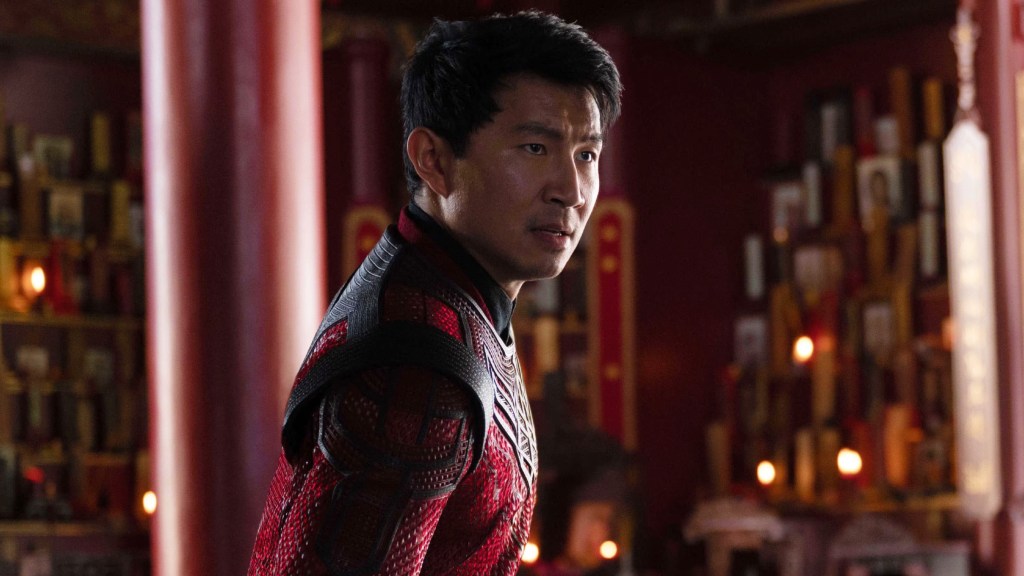
The Hulk’s movie rights are notoriously complex, and have led to much more infrequent appearances for the Jade Giant (there’s also a recast between his 2008 debut in The Incredible Hulk and his return in The Avengers). Beyond that, you’re talking characters who feel like sidekicks really; the likes of Bucky Barnes and War Machine. The problem is, new Phase 4 superheroes have had infrequent appearances, returning at the same kind of rate as those Phase 1 sidekicks (when they’ve returned at all; Shang-Chi will have a staggering six-year gap between Simu Liu’s live-action debut and his return in next year’s Avengers: Doomsday).
Note: It’s not really possible to plot characters from Phases 5 and 6, because too few new heroes have actually returned at all.
The Problem Isn’t Just That Marvel Has Introduced Too Many New Heroes
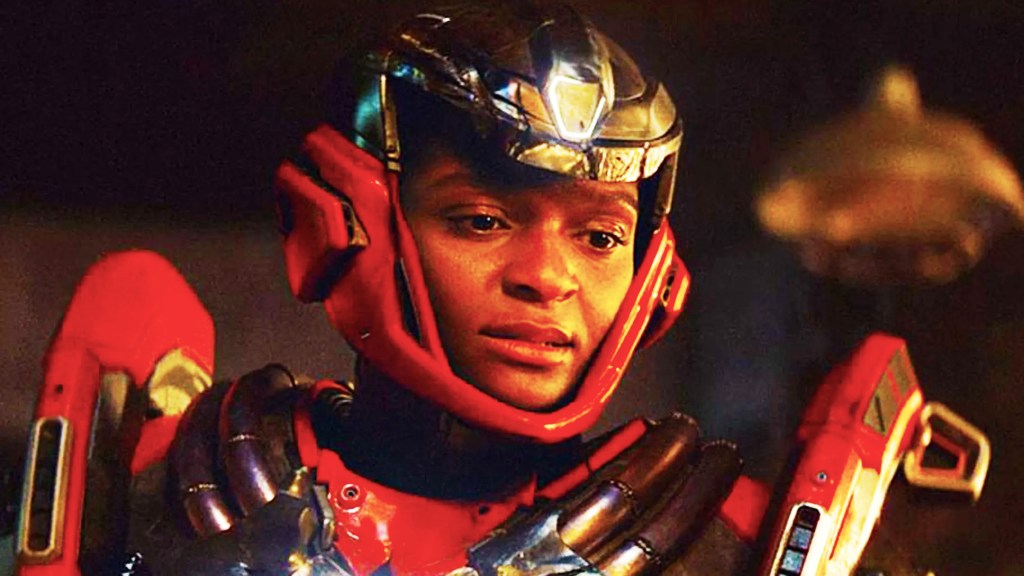
Marvel Studios has a problem, and it’s not just introducing too many new characters, too quickly. Marvel’s mistake lies in introducing new characters and then failing to develop them, meaning audiences simply move on to the next new superhero, never connecting. Consider; there was a three-year gap between Kathryn Hanh’s debut in WandaVision and her own show, and a similar gap for Dominique Thorne’s Ironheart. The latter is all the more staggering given Ironheart wrapped principal photography in November 2022, but didn’t release until June 2025.
That’s when characters have returned at all. Simu Liu’s Shang-Chi will return in Avengers: Doomsday, making it six years since we last saw him on the big screen. Incredibly, Shang-Chi and the Legend of the Ten Rings was a success for Marvel, grossing $432.2 million at the tail-end of the pandemic and with a Rotten Tomatoes audience score of 98%, yet he hasn’t been a priority. Hailee Steinfeld made her MCU debut as Kate Bishop in 2021’s Hawkeye; her series has an RT audience score of 88%, but there’s still been no concrete news of her live-action return.
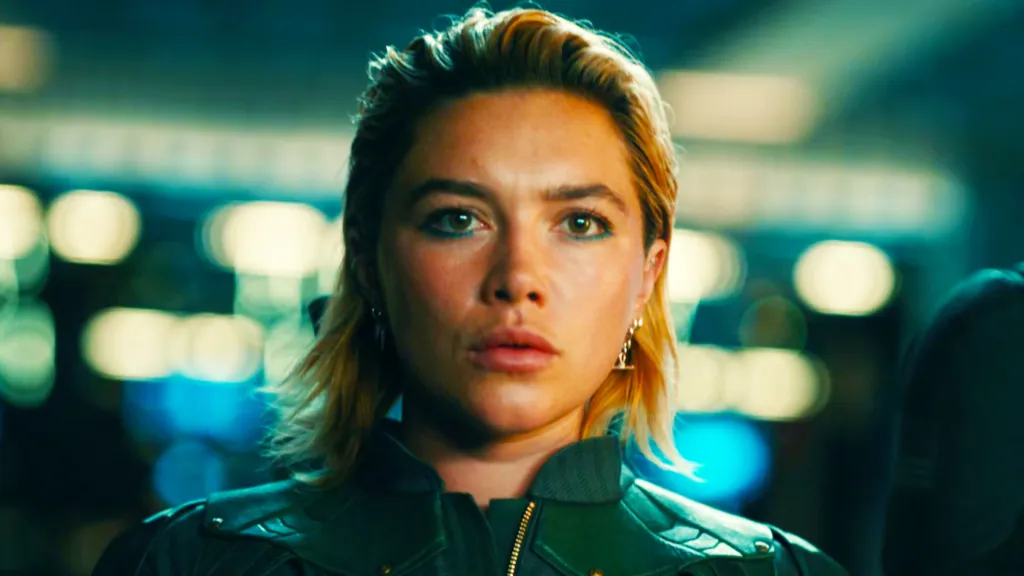
There is only one Phase 4 character who’s really seen the right amount of development; Florence Pugh’s Yelena Belova, who appeared in both Black Widow and Hawkeye in 2021, giving her a better chance of cementing her place in pop culture. It still took Marvel another four years to bring her back, with Yelena essentially playing a starring role in this year’s Thunderbolts*. Black Widow’s successor comes closer than any Phase 4 rival to having an actual character arc.
Marvel Needs to Relearn the Lessons of Phases 1-3
Disney fear the MCU has suffered brand dilution, and Marvel is under strict orders to reduce output over the next few years. While that makes sense, there’s still a grave danger that Marvel will continue to pump out a steady stream of stories featuring new characters, while never taking the time to develop them. The odds of this mistake already seem pretty high, given Avengers: Secret Wars will be followed by the launch of the Mutant Saga and the introduction of the MCU’s rebooted X-Men.
Longer-term engagement isn’t something that happens naturally; it needs to be cultivated. If Marvel want any of their characters to resonate with viewers to the same extent as Iron Man, Captain America, and Thor – those bastions of Phase 1 – then the MCU needs to spend time with them. We should be hearing about sequels within months of a movie coming out, not finally getting news of Shang-Chi half a decade after a successful film. It’s better to develop a character and franchise, than endlessly introduce another new one.
This will, of course, lead to a degree of frustration for some older comic book fans. Everyone has their own favorite character, and everybody naturally wants to see their number one hero join the MCU at last. But a patient, slower approach will secure the MCU the future it deserves, giving Marvel the chance to regain the kind of engagement and audience interest that these movies used to enjoy.
What do you think of this new game? Leave a comment below and join the conversation now in the ComicBook Forum!
Most Viewed
-
Courtesy of Sony Pictures Animation / McDonalds -

©Tsuyoshi Takaki/Shueisha, Project BLACK TORCH -
Image Courtesy of Studio Pierrot