The longevity of the Star Wars franchise presents a unique logistical challenge for Lucasfilm, as the narrative timeline has expanded far beyond the physical reach of its original cast. While the animation sector utilizes a revolving door of voice talent to portray icons like Darth Maul or Anakin Skywalker, these vocal shifts are generally viewed as alternate interpretations rather than formal recasts. Similarly, the studio has occasionally opted for digital preservation over traditional casting, utilizing advanced de-aging and deepfake technology, like when it projected the likeness of a young Mark Hamill onto body doubles Graham Hamilton and Max Lloyd-Jones in The Mandalorian and The Book of Boba Fett. These instances of digital puppetry reflect a corporate hesitation to replace the faces of the original trilogy, yet the sheer scale of the universe has made live-action recasting an inevitable reality.
Videos by ComicBook.com
Unlike the digital reconstructions that prioritize aesthetic mimicry, a true recast requires an actor to provide a transformative performance that justifies the character’s presence in a new era or medium. This process often comes with high stakes, as the fan base remains intensely protective of the archetypes established by the original cast. However, several productions have successfully navigated these boundaries, proving that characters can survive the transition between actors if the new performance honors the essence of the role while offering something fresh.
11) Chewbacca
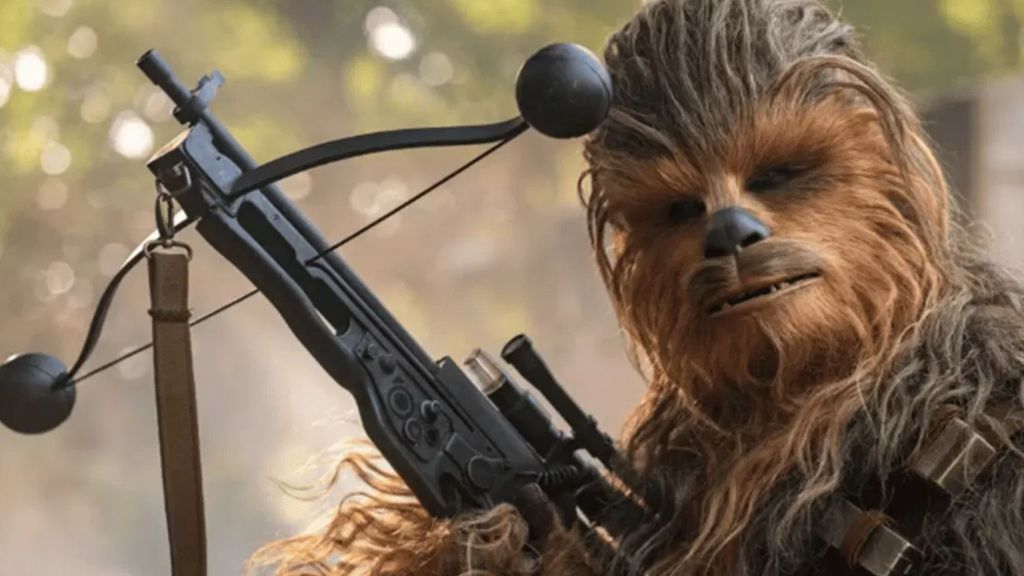
The transition of the legendary Wookiee warrior from Peter Mayhew to Joonas Suotamo represents one of the most successful examples of maintaining character continuity through a physical recast. For decades, Mayhew’s specific gait and expressive body language defined Chewbacca, making the character feel like a sentient companion rather than a creature in a suit.
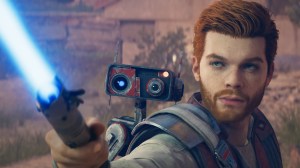
As Mayhew’s health declined during the production of the sequel trilogy, Joonas Suotamo was initially brought in as a body double for the more demanding action sequences in Star Wars: The Force Awakens. Following Mayhew’s retirement, Suotamo took over the role of Chewbacca (Joonas Suotamo) entirely, performing in Solo: A Star Wars Story and the final two episodes of the main saga. This recast was essential for the character’s survival, as it allowed the Wookiee to remain an active participant in high-stakes action scenes while preserving the visual and physical hallmarks established in the 1970s.
10) Bail Organa

The role of the Alderaanian senator Bail Organa has undergone multiple live-action iterations, evolving from a background figure into a cornerstone of the Rebel Alliance’s founding. Originally, Northern Irish actor Adrian Dunbar was cast as the character for Star Wars: Episode I – The Phantom Menace, but his scenes were largely excised from the theatrical cut, and his character was retroactively renamed Bail Antilles. This paved the way for Jimmy Smits (Bail Organa) to make his debut in Star Wars: Episode II – Attack of the Clones, establishing the definitive visual and vocal identity for the character throughout the prequel trilogy and Rogue One: A Star Wars Story.
However, the franchise’s commitment to Smits faced a logistical hurdle during the production of Andor Season 2. Due to scheduling conflicts, the role was recast with Benjamin Bratt for the character’s appearances in the series. This latest transition marks a significant shift for a character who had remained synonymous with Smits for over two decades, showing a new interpretation of Leia’s adoptive father during the critical years of the Imperial era.
9) Owen and Beru Lars

For the prequel trilogy, George Lucas needed to establish the domestic life of the moisture farm on Tatooine, leading to the recasting of the guardians who would eventually raise Luke Skywalker. Owen Lars (Joel Edgerton) and Beru Lars (Bonnie Piesse) were introduced in Star Wars: Episode II – Attack of the Clones as the younger counterparts to the characters played by Phil Brown and Shelagh Fraser in the 1977 original.
Initially, these roles were focused on maintaining a visual link to the original trilogy, but the eventual return of both actors in the Obi-Wan Kenobi series allowed for a significant expansion of their characters. Edgerton, in particular, utilized the additional screen time to portray Owen as a weary survivor whose cynicism regarding the Jedi was rooted in a desire to protect his family. This shift transformed a pair of background casualties into grounded figures, enriching the emotional stakes of the Skywalker Saga.
8) Han Solo
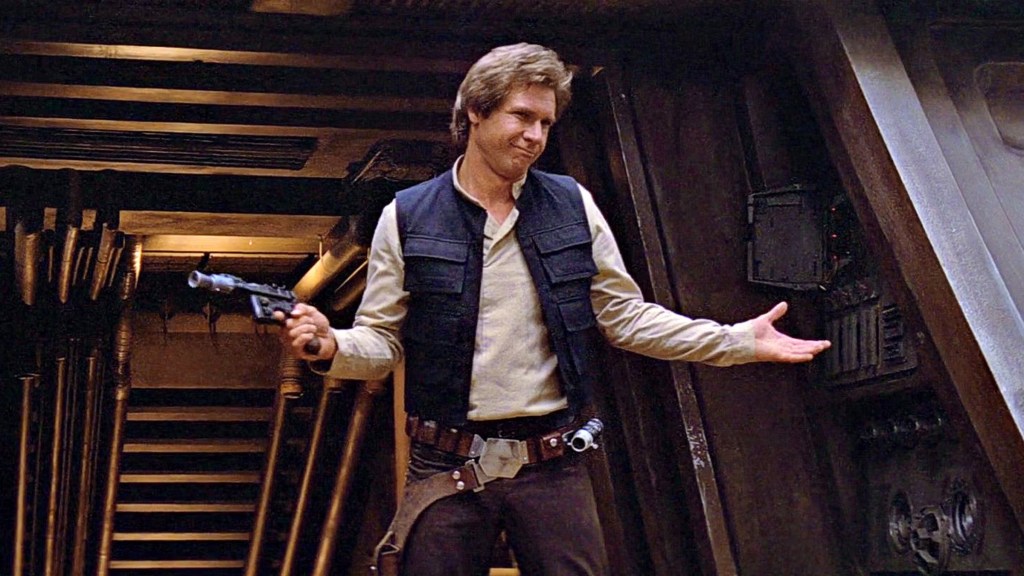
The attempt to provide a definitive origin for the galaxy’s most famous smuggler resulted in the most controversial recast in Star Wars’ history. In Solo: A Star Wars Story, Alden Ehrenreich was tasked with inhabiting the role of Han Solo, a character who had been inextricably linked to the persona of Harrison Ford for over forty years. The production faced an uphill battle from its inception, as the recast occurred only three years after Ford had successfully reprised the character in Star Wars: The Force Awakens.
This proximity made it difficult for audiences to accept a new face in the cockpit of the Millennium Falcon, as the memory of Ford’s definitive performance was still fresh. Consequently, Solo: A Star Wars Story became the first live-action Star Wars movie to bomb at the box office, grossing just $392 million against a massive production budget. While Ehrenreich provided a competent performance, the lack of a return for the character suggests that Lucasfilm views this experiment as a cautionary tale regarding the limits of legacy recasting.
7) Baylan Skol

One of the most recent recasts in the franchise occurred following the tragic passing of Ray Stevenson, who originated the role of the mercenary Jedi Baylan Skol in the first season of Ahsoka. Stevenson’s performance was widely considered the emotional anchor of the series, as he brought a stoic gravity to a character who challenged the traditional binary of the Force. As production for the second season moved forward, Lucasfilm made the difficult decision to recast the role to complete the character’s narrative arc.
The studio eventually cast Rory McCann, known for his imposing presence in Game of Thrones, to step into the role of Baylan Skol. This decision highlights a shift in Lucasfilm’s philosophy, as the studio chose to honor Stevenson’s contribution by continuing the story he helped establish rather than using digital stand-ins or writing the character out. McCann’s casting ensures that Baylan’s journey toward the ancient powers of Peridea remains a central pillar of the unfolding narrative, and we look forward to watching this story unfold in Season 2 of Ahsoka.
6) Lando Calrissian
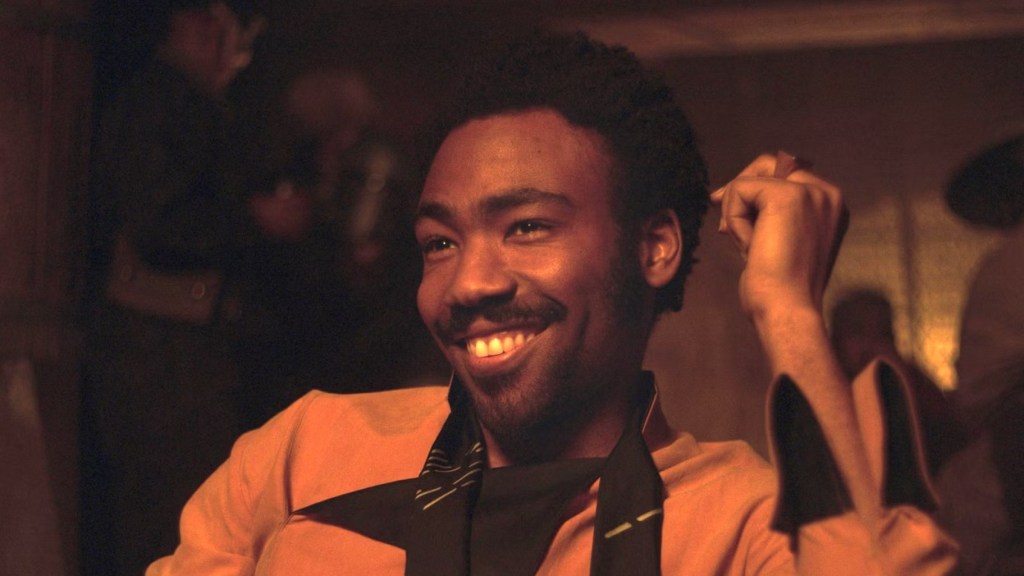
Taking over a role originally defined by the effortless charisma of Billy Dee Williams was a monumental task, yet Donald Glover managed to become a rare bright spot in the otherwise troubled production of Solo: A Star Wars Story. As Lando Calrissian, the actor focused on the character’s flamboyant style and self-obsession, portraying a version of the gambler who was even more concerned with his reputation and wardrobe than his predecessor. This recast allowed the franchise to explore the early days of the Millennium Falcon’s ownership and the shifting loyalties of the criminal underworld.
Unlike the primary casting of Han Solo in the same film, Glover’s performance was met with universal acclaim, with many fans arguing that he perfectly captured the spirit of the character while adding a new layer of youthful vanity. His success in the role has even led to a planned Lando movie at Lucasfilm, although the project has been in development for several years without a clear production schedule.
5) Anakin Skywalker

Anakin Skywalker holds the distinction of being the most recast character in the history of Star Wars, with his various life stages requiring different actors to convey a believable descent into darkness. The transition from the childhood innocence of Jake Lloyd to the teenage angst and eventual fall of Hayden Christensen in the prequels was essential for depicting the character’s tragic trajectory. However, the most significant recast occurred when Christensen effectively replaced Sebastian Shaw, who had played the unmasked and redeemed Anakin in the finale of the original trilogy.
In the 2004 DVD release, Lucas digitally replaced Shaw’s Force ghost with the image of Christensen, a controversial move intended to emphasize the version of the character that existed before he fell to the dark side. This consolidation of the character’s identity around Christensen’s likeness has remained the standard for the franchise, as the actor eventually returned in the 2020s for Obi-Wan Kenobi and Ahsoka to further unify the many eras of the Chosen One’s life.
4) Emperor Palpatine
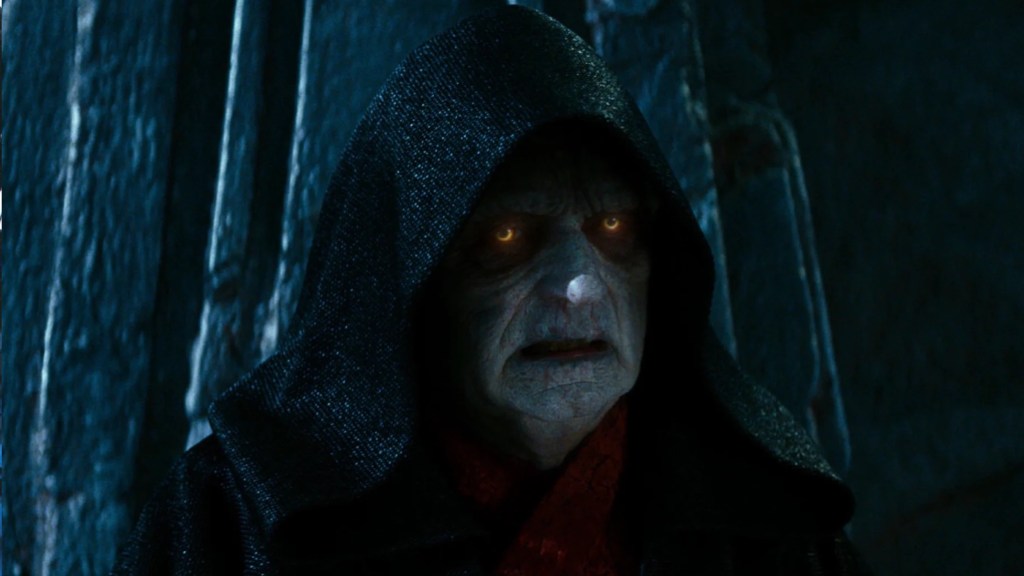
When Emperor Palpatine first appeared as a holographic projection in the original 1980 release of Star Wars: Episode V – The Empire Strikes Back, he was physically portrayed by Marjorie Eaton and voiced by Clive Revill. However, for Star Wars: Episode VI – Return of the Jedi, George Lucas sought a more permanent and physically imposing presence, eventually casting Ian McDiarmid in the role.
McDiarmid’s interpretation was so successful that he became the definitive version of the Sith Lord, eventually returning for both the prequel and sequel trilogies. The impact of this recast was so profound that Lucas eventually decided to replace the original Eaton and Revill version in subsequent re-releases of the 1980 film. By digitally inserting McDiarmid into the earlier movie, the studio ensured that the face of Imperial evil remained consistent throughout the timeline.
3) Boba Fett

In the original films, Boba Fett was a masked enigma, physically portrayed by Jeremy Bulloch and voiced by Jason Wingreen. However, once Star Wars: Episode II – Attack of the Clones established that Fett was an unaltered clone of Jango Fett, the identity of the character became tied to the lineage of the Fett clones. This led to Temuera Morrison, who played Jango, eventually taking over the role of Boba Fett in live-action during the second season of The Mandalorian and his solo series, The Book of Boba Fett.
Morrison also retroactively dubbed the character’s voice in modern releases of the original trilogy, unifying the character’s identity. This recast successfully transformed a silent background threat into a multifaceted protagonist, providing a human face and a complex cultural history to a character who was previously recognized only by his armor.
2) Mon Mothma
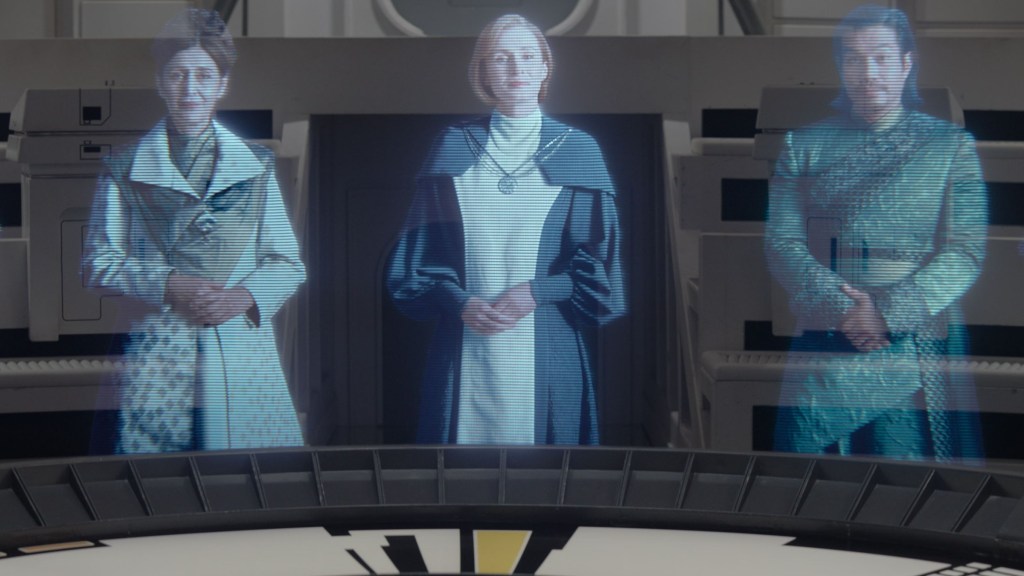
Genevieve O’Reilly has achieved the remarkable feat of taking a minor figure from the original trilogy and transforming her into one of the most compelling characters in the entire franchise. Initially played by Caroline Blakiston in Star Wars: Episode VI – Return of the Jedi, Mon Mothma was first recast for a brief scene in Star Wars: Episode III – Revenge of the Sith that was ultimately deleted from the theatrical version. However, O’Reilly’s return in Rogue One: A Star Wars Story and her starring role in Andor provided a definitive expansion of the character’s internal life.
By depicting the senator as a desperate, calculating leader navigating the dangerous politics of the Imperial capital, O’Reilly added the psychological depth that the original appearance lacked. This recast proved that the franchise could use its expansive timeline to elevate supporting figures into primary protagonists, making Mon Mothma the face of the Rebellion’s political struggle.
1) Obi-Wan Kenobi

The transition of the Jedi Master Obi-Wan Kenobi from Alec Guinness to Ewan McGregor stands as the definitive benchmark for recasting in Star Wars. When Obi-Wan Kenobi was introduced in the prequel trilogy, McGregor faced the daunting task of honoring the gravitas of a legendary stage actor while playing a younger, more physically capable version of the character. Over the course of three films and a subsequent solo series, McGregor did more than just mimic Guinness’s vocal patterns, inhabiting the role so completely that he became the primary face of the character for a global audience.
The Obi-Wan Kenobi recast was critical for the survival of the Skywalker Saga, as it provided a tragic and heroic anchor for the transition from the Old Republic to the Imperial era. By balancing the knightly idealism of the prequels with the weary wisdom seen in his later years, McGregor also ensured that the soul of the character remained consistent across generations.
Which Star Wars recast do you think best captured the spirit of the original character while successfully carving out a new path for the franchise? Leave a comment below and join the conversation now in the ComicBook Forum!
Most Viewed
-

Official art by Bastien Lecouffe-Deharme -

A photo of the Retrovolt Arcade taken in 2017, showing several classic arcade cabinets and stools. -
Image courtesy of Tor Books/Macmillan -

Courtesy of Saber Interactive