Right now, all the buzz in Hollywood is surrounding Resident Evil, which has hit theaters and quickly gained traction as one of the better modern horror movies. This adaptation comes from director Zach Cregger, who has established himself as a master of the genre with his first two feature films, Barbarian and Weapons. Despite the impressive trailer and early impressions, there has been controversy surrounding Resident Evil. The film is based on Capcom’s video game series of the same name, yet many longtime fans of those games have been upset since they learned that Cregger wasn’t adapting a story or characters from the source material. They are unhappy that the characters they have come to love over the decades won’t be depicted, and they argue that this could have just been a standalone horror movie that didn’t profit off the Resident Evil name if it wasn’t going to connect to the games.
Videos by ComicBook.com
However, the early views of this film showcase that Resident Evil actually did the right thing. In fact, the choice that Zach Cregger made is the blueprint that future video game-to-movie adaptations should follow. It might not make every longtime fan happy, but it should lead to better films.
Resident Evil Feels Like The Game Rather Than Just Adapting The Story
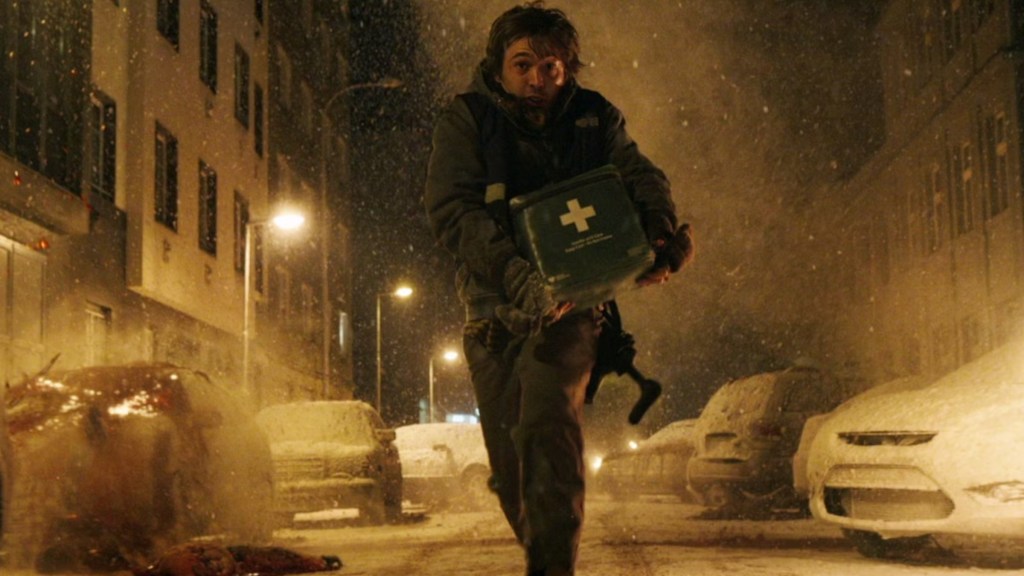
The best thing that Zach Cregger did with this take on Resident Evil was to avoid telling a story from the game. While plenty of video games, including Resident Evil, feature solid plots and are well-written, they don’t always transfer well to the big screen. Many of these games take a long time to complete, even when you focus only on the main story elements, so it’s hard to put that in a two-hour movie without sacrificing plot points. The end result is usually something that gamers don’t like because it doesn’t faithfully feel like what they experienced.
Instead of taking characters or stories from the franchise, Cregger decided to make sure the movie felt like the protagonist was in a Resident Evil game. Everything that he faces feels like a terrifying event that captures the horror aspects of the game. To date, Resident Evil movies have prioritized action and featured characters who can kind of defeat the villains without much tension. In Cregger’s world, the main character is severely out of his depth, so every situation he faces feels like it could do him in. That tension and scary feeling are crucial to capturing how it feels to first play the game.
We are seeing that the most important thing when adapting a video game is to have content that is inspired by the world, lore, and style of the subject matter. It’s better to feel like you’re watching something that takes place in this series rather than just seeing familiar characters pop up in an undefined world. Resident Evil does this on the big screen, but Fallout did a great job with the concept on TV. Characters like Lucy MacLean, Maximus, and the Ghoul are clearly inspired by the games, yet none actually appear there, and the show is still great.
Reviews For Zach Cregger’s Resident Evil Are Far Superior To Most Game Adaptations
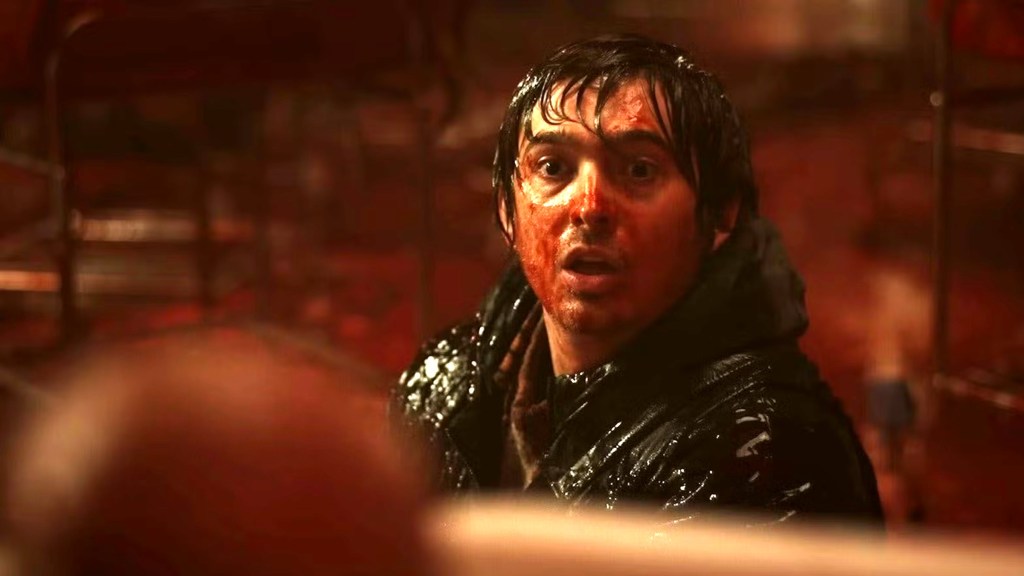
It’s still early, but the reviews for Resident Evil are pretty sparkling. After 110 reviews from critics, the film sits at 96% on Rotten Tomatoes and is certified fresh. That is much higher than any video game adaptation in history. The closest that any video game movie has come to that is Sonic the Hedgehog 3 and Werewolves Within, which are both at 86%. This score for 2026’s Resident Evil is also significantly stronger than past installments. Resident Evil: The Final Chapter is at 39%, which is the highest to date.
To be fair, those Resident Evil movies didn’t faithfully adapt the games except for featuring a few characters. However, Resident Evil: Welcome to Raccoon City was a pretty faithful iteration, and it was also poorly received. Since video games are so difficult to properly turn into a captivating film, future adaptations should follow in the footsteps of Resident Evil and Fallout. The results are much more promising with those projects than with the ones that follow many game plot points.
A good example is The Last of Us. Season 1 was critically acclaimed, yet the show’s best episode, “Long, Long Time”, is different. It takes something the game implied and builds a beautiful story around it that feels perfect for the game’s world. Of course, some of the changes that Season 2 made were met with mixed reviews, so it’s not a perfect comparison. Still, even when the show directly adapts the game and it works, it’s nowhere near as fun or as novel as what Fallout or this new Resident Evil pulled off.
More Movies
-

Image courtesy of Marvel Studios -

IMAGE COURTESY OF COLUMBIA TRISTAR -
Image Courtesy of New Line Cinema -

Orion Pictures – Amazon MGM