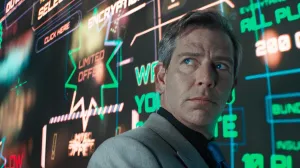
Every decade since the 1950’s has given us incredible sci-fi movies, but there’s a case to be made for the 80’s being the best decade of them all. That ten-year period was the perfect storm of post-Star Wars sci-fi craze, widespread technological advancement, a trend towards futurism, and the rising political tensions of the Reagan era and the Cold War. Wild dystopian worlds and neon color palettes were popping up on silver screens everywhere, in higher numbers than ever before.
Videos by ComicBook.com
While many of the decades’ offerings were cheesy and admittedly aged like milk, there were also plenty of mind-bending sci-fi films that feel even more relevant today than they did at the time. Setting aside obvious picks like Blade Runner and The Terminator, we’re running down five science fiction masterpieces that have aged like a 1982 Bordeaux.
5) Videodrome
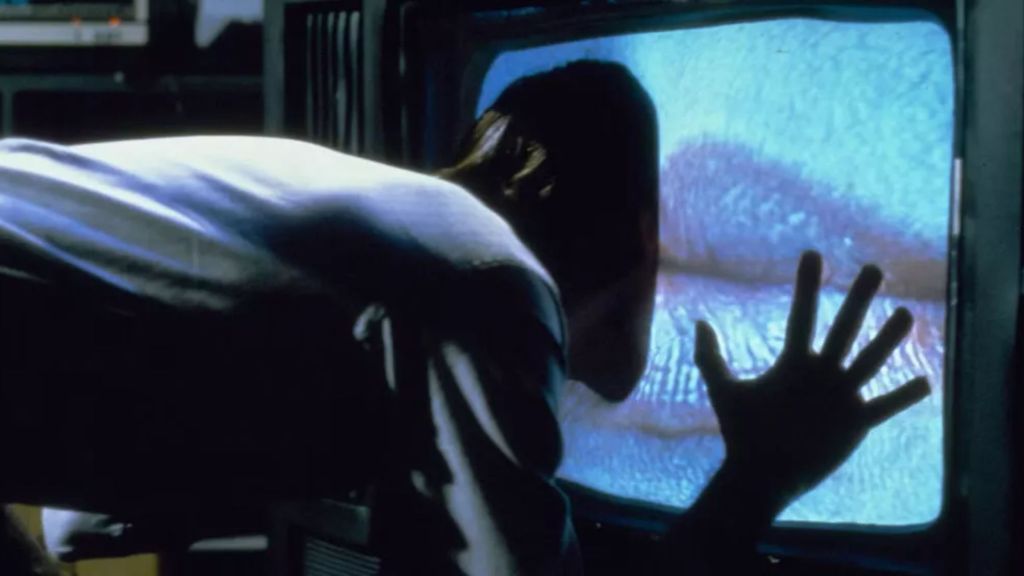
David Cronenberg’s Videodrome feels like a collective hallucination about the melding of tech and the human mind. James Woods stars as Max Renn, a sleazy cable TV exec who discovers a signal broadcasting extreme sexual violence. Today, it’s a beloved cult classic, but upon release, critics were divided due to the controversial subject matter and cynical messaging.
Now that so much of the population is glued to screens 24/7, Videodrome’s themes seem prophetic. Not to mention, horrific deepfakes are circulating the internet, the fabric of truth is disintegrating, and addiction to violent content and voyeurism runs rampant. Couple that with top-tier practical body horror effects, and you’ve got a movie that’s not only still culturally relevant but still looks great, too. Remember when Max’s face merges with the TV? If you don’t, it’s time to rewatch Videodrome.
4) Akira

Katsuhiro Otomo’s highly influential Akira is set in a dystopian, post-apocalyptic Neo-Tokyo. It follows biker gang member Kaneda as he confronts psychic powers unleashed by his friend Tetsuo. When it premiered, Western audiences had never seen anything like the stunning detail of its cyberpunk hand-drawn animation, and it’s credited with getting many Americans into anime for the first time.
Today, every frame of animation holds up, including the gorgeous sprawling cityscapes and the famous motorcycle light-cycle sequence. Rebellion, government experiments, and urban decay are among the still-relevant themes, while the underlying anxiety about tech is perhaps the most pertinent. Many contemporary filmmakers from The Matrix to Stranger Things have openly acknowledged Akira’s influence.

3) The Thing
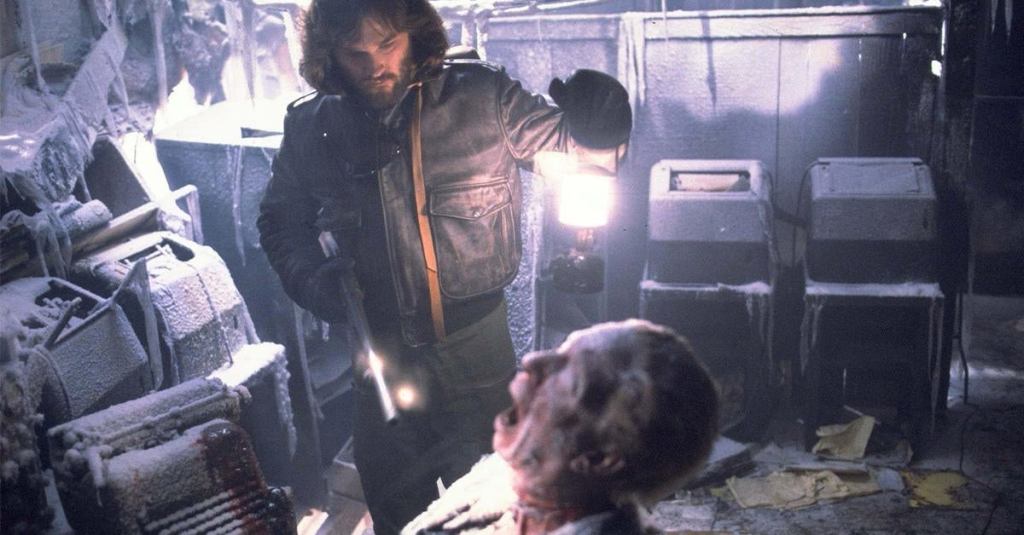
Right after release, John Carpenter’s The Thing saw mixed reviews and disappointing box office turnout, mostly because it was overshadowed by Steven Spielberg’s family-friendly alien epic, E.T. Yet, over the years, it has gained a massive fanbase. Set at a research station in Antarctica, Kurt Russell leads a killer ensemble as they confront a shape-shifting alien capable of assimilating its victims.
Now celebrated as one of the greatest horror-sci-fi’s ever, Carpenter builds feelings of paranoia and isolation, with suspicious glances between characters and whispered accusations drawing you into the mystery. The practical effects by Rob Bottin continue to terrify viewers with grotesque body horror. The tangible look and feel of Bottin’s effects is exactly what makes them more horrifying than most modern CGI monsters. Even beyond gore, the film’s main theme about fear corroding trust is universal and timeless.
2) Brazil
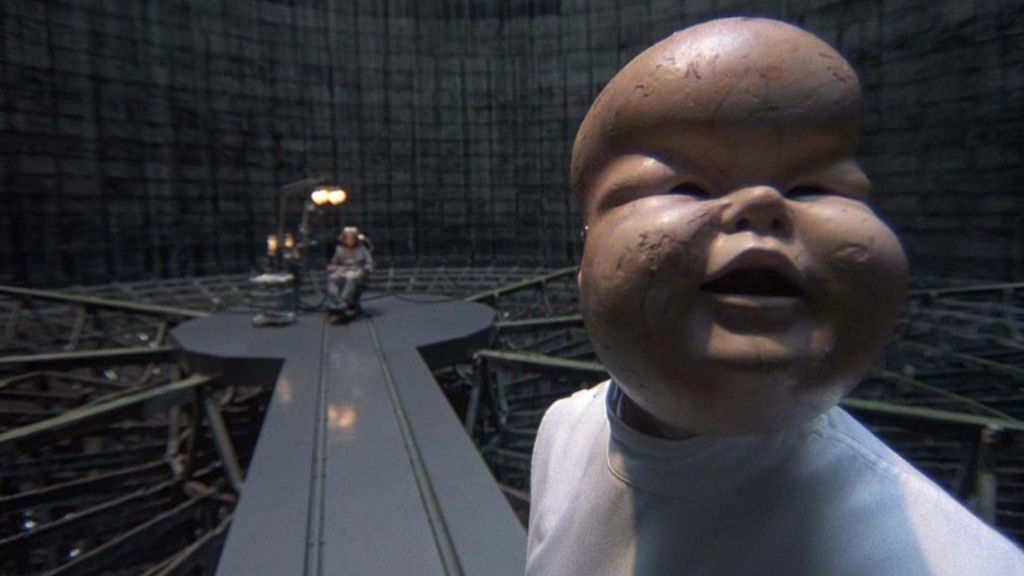
Terry Gilliam’s Brazil is a surrealist dystopian film about the bizarre absurdity of modern life. Jonathan Pryce plays the meek and unlikely hero Sam Lowry, who is a low-level government stooge facing piles of paperwork, intrusive surveillance, and forced conformity. Initial reviews were mixed, though critics have since come around, even hailing it as a defining satirical masterpiece of the 20th century.
Watching Brazil today is both utterly wild and strangely familiar. Its speculative depictions and interpretations of broken systems manage somehow to capture what the world feels like today. The film’s dark comedy is highly resonant yet full of bizarre ideas, such as ventilation ducts functioning as bureaucratic prisons. Gilliam’s fever dream gets better and better as each year passes and our own society becomes more absurd.
1) They Live

Another Carpenter classic, They Live is a mix of action, horror, speculative fiction, and social commentary. The plot kicks off when drifter Nada, played by Roddy Piper, finds a pair of sunglasses that show the world as it really is. He soon discovers that an alien elite controls society through subliminal messaging embedded in ads and TV; a statement on capitalism and consumer culture that’s both hilarious and horrifying.
They Live has aged brilliantly, with its ideas more relevant today than ever. The hidden “OBEY” and “CONSUME” messages still circulate the internet, often used in reaction to the audacity of modern advertising. A critique of corporate overlords pushing mindless consumerism, it almost seems impossible that this film was made in 1988. The idea that most people are too distracted or complicit to see the world for what it is hits especially hard today, making Carpenter’s satire feel less like ‘80s camp and more like an urgent commentary on the state of the world.
Any 80s sci-fi movies we forgot that have aged like fine wine? Leave a comment below and join the conversation now in the ComicBook Forum!