
J.R.R. Tolkien constructed one of the most elaborate cosmologies in literary history, with historical descriptions that predate the events of The Hobbit and The Lord of the Rings by thousands of years. While audiences are intimately familiar with the War of the Ring and the quest to destroy Sauron, Middle-earth’s mythology extends far beyond those central narratives. For instance, Tolkien populated his world with a diverse array of species, assigning each a specific role within a rigidly defined hierarchy. From immortal guardians and corrupted foot soldiers to divine architects shaping the continents themselves, the sheer variety of lifeforms in Arda reflects Tolkien’s fascination with cosmology and history, with all beings of Middle-earth serving a specific purpose.
Videos by ComicBook.com
Of course, not all beings are made equal in Middle-earth. Some were part of Eru Ilúvatar’s design from the start, as the supreme divinity of Arda created the beings who would inherit the world. Others were the product of evil forces or minor deities’ attempts at creation. As a result, the beings of Middle-earth are incredibly diverse.
22) Spiders
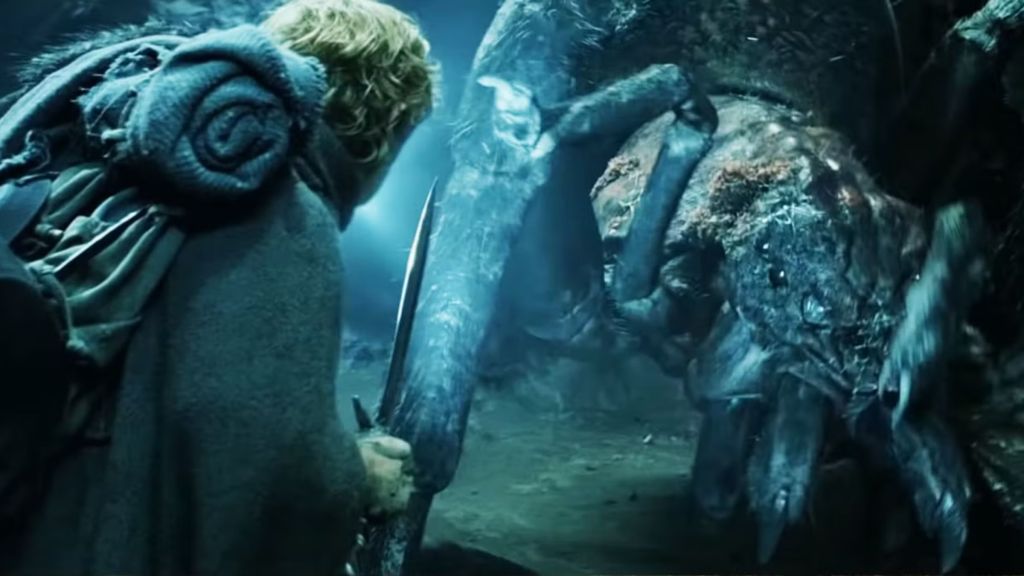
The giant spiders of Middle-earth descend from Ungoliant, the primordial darkness that consumed the light of the Two Trees alongside Morgoth in the earliest age of the world. That ancestry grants them a malevolence beyond ordinary predatory instinct, but it does not grant them proportional power. Shelob, the greatest of Ungoliant’s surviving descendants and the most formidable spider encountered across The Lord of the Rings, is a cunning ambush predator whose venom paralyzes her victims, but she is ultimately driven off by Samwise Gamgee alone, with the help of a glass vial of pure light. The spiders of Mirkwood, encountered in The Hobbit, are similarly routed by a company that includes Bilbo and his magical ring. Their power depends entirely on surprise, darkness, and numerical advantage, and when those conditions are removed, they are an easy threat to dispose of in Tolkien’s books.

21) Orcs
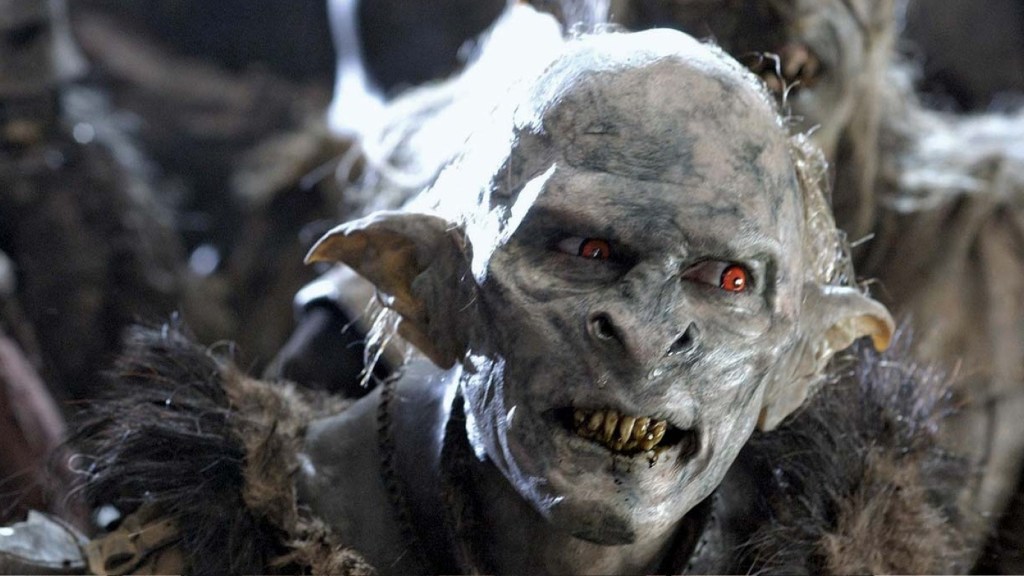
Tolkien established Orcs as corrupted Elves, a race that Morgoth twisted from captives taken in the earliest ages of the world, and that origin makes them one of the most tragic beings in the legendarium. Orcs are physically inferior to most races they are set against, and the military threat they pose across The Lord of the Rings is a product of overwhelming numbers and the organizing will of Sauron or Saruman driving them forward. Besides the standard Orc soldiers, Saruman breeds the larger Uruk-hai for daylight warfare in The Two Towers, and Bilbo encounters the cave-dwelling Goblins beneath the Misty Mountains in The Hobbit. These are all variations on the same corrupted template, differentiated by size and selective breeding.
20) Hobbits
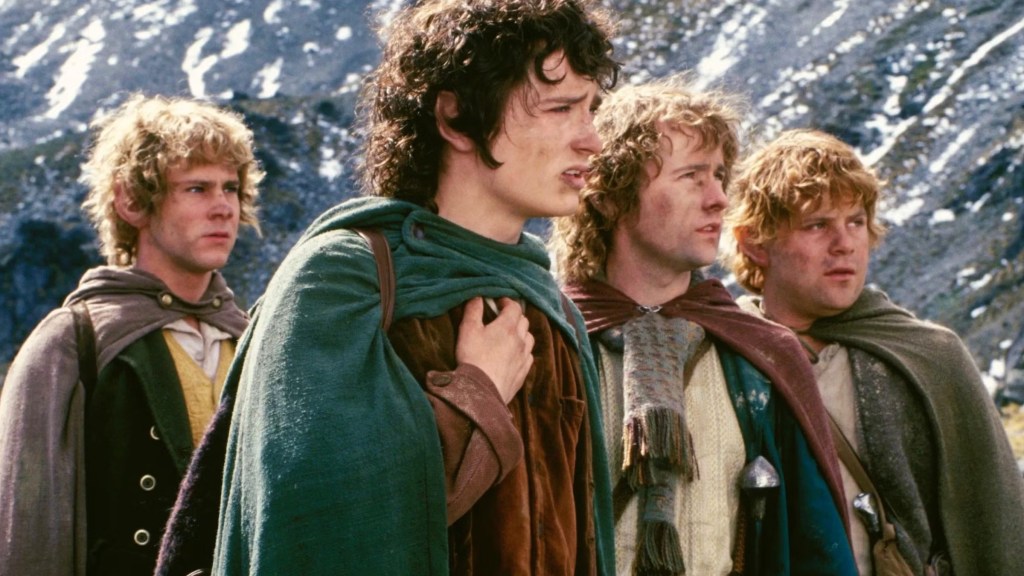
Tolkien never fully explains the origin of Hobbits within the cosmological framework governing other races, positioning them as a branch of Men adapted to agricultural life in sheltered terrain, which places them at the bottom of the mortal hierarchy in terms of raw power. The average Hobbit stands roughly half the height of a Man, avoids conflict by instinct, and carries no tradition of organized warfare. What The Lord of the Rings documents, however, is a psychological resilience that defies every physical limitation. Frodo Baggins carries the One Ring further toward Mordor than any being of greater power managed, and Meriadoc Brandybuck delivers the strike that breaks the Witch-king’s physical form at the Battle of Pelennor Fields.
19) Trolls

While physically devastating in direct combat and nearly impervious to conventional weapons, Trolls are limited by their low intelligence and vulnerability to sunlight. In The Hobbit, the three trolls Bert, William, and Tom are undone entirely by Gandalf’s manipulation until dawn turns them to stone. Similarly, the Cave-trolls encountered in the Mines of Moria during The Fellowship of the Ring are genuinely dangerous in confined spaces, capable of shrugging off sword strikes and pinning soldiers to walls with chain-mounted hammers, but they require direction to function as anything beyond blunt instruments. The Olog-hai, the war-trolls Sauron bred to withstand sunlight, represent the form’s upper limit and fight at the Black Gate with enough power to threaten entire defensive lines. Even at that level, Trolls are tools rather than strategists, and those limitations set their place in this ranking.
18) Nameless Things
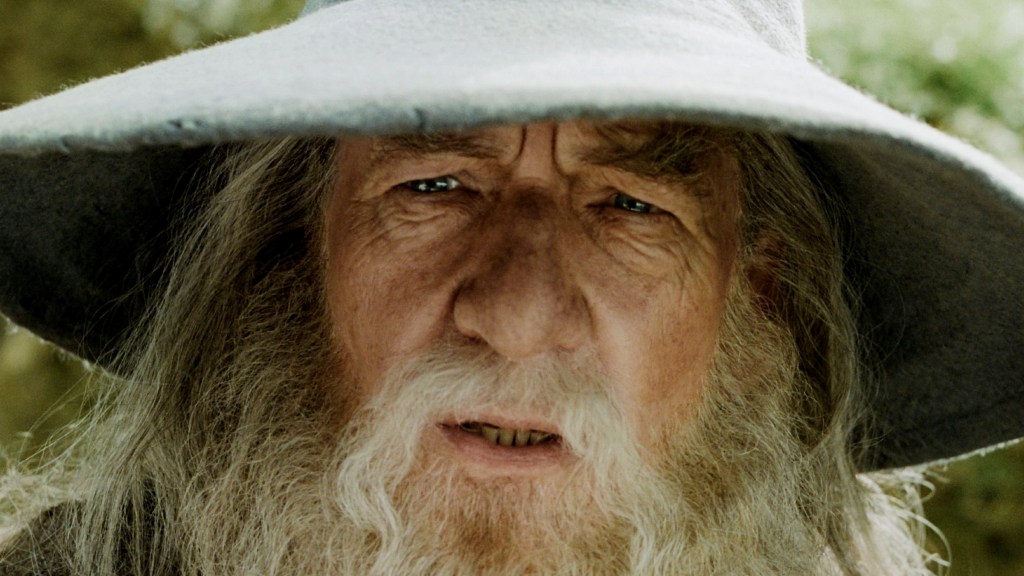
Briefly mentioned by Gandalf during his battle with the Balrog in The Two Towers, the Nameless Things are eldritch entities that “gnaw the earth” at the roots of the world. Tolkien suggests they are older than Sauron and perhaps even the Valar’s arrival in Arda. While they possess an ancient strength that even a Maia finds unsettling, they remain at the bottom of the active hierarchy because they lack agency, political will, and any impact on the historical events of Middle-earth. They are a force of nature rather than active participants in the struggle of Arda.
17) Men (Common / Middle-men)

The “Common Men” of the Third Age, such as the Rohirrim, the people of Lake-town, and the Bree-landers, represent the standard mortals of Middle-earth. Unlike the Númenóreans, they do not possess extended lifespans or the inherent majesty of the “High Men,” yet they serve as the primary force against the ground forces of Mordor and Isengard. In particular, the Riders of Rohan display a martial discipline and cultural resilience that allows them to turn the tide of the Battle of the Pelennor Fields, proving that even “lesser” men can challenge the most ancient evils when united by a singular cause. However, their vulnerability to fear, disease, and the rapid passage of time places them at the lower end of the power scale.
16) Skin-changers
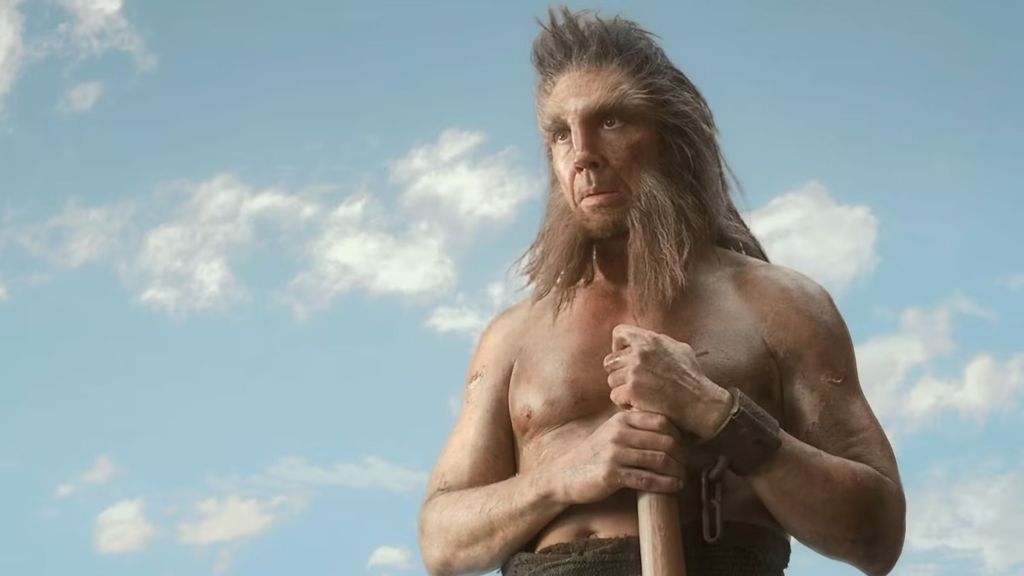
The Beornings, or skin-changers, are a branch of Men with the ancestral ability to assume the form of great bears. While their origin is as mysterious as that of the Hobbits, their impact on the battlefield is undeniable. Beorn himself turned the tide of the Battle of Five Armies in The Hobbit, appearing as a massive ursine force that was essentially impervious to Orcish weapons and capable of crushing the vanguard of Bolg’s army alone.
15) Dwarves

Tolkien built Dwarves as beings uniquely resistant to corruption, a trait baked into their creation by the Vala Aulë, who fashioned them independently from Eru Ilúvatar’s designs. That origin gives them a physical toughness that separates them from Men and Hobbits, alongside a martial tradition refined across thousands of years of subterranean warfare. The Battle of Azanulbizar, documented in the appendices of The Return of the King, saw the entirety of Durin’s Folk commit to war against the Orcs of Moria, accepting catastrophic losses to see it through. Plus, Gimli tracks 42 Uruk-hai kills at Helm’s Deep in real time, a figure that reflects individual Dwarven combat capability at its clearest. Dwarves rank below Men on this list because their numbers are historically small, their geographic reach is limited to specific mountain strongholds, and they produced no figures capable of operating at the political and strategic scale of the greatest Men of the Third Age.
14) Nazgûl and Wraiths
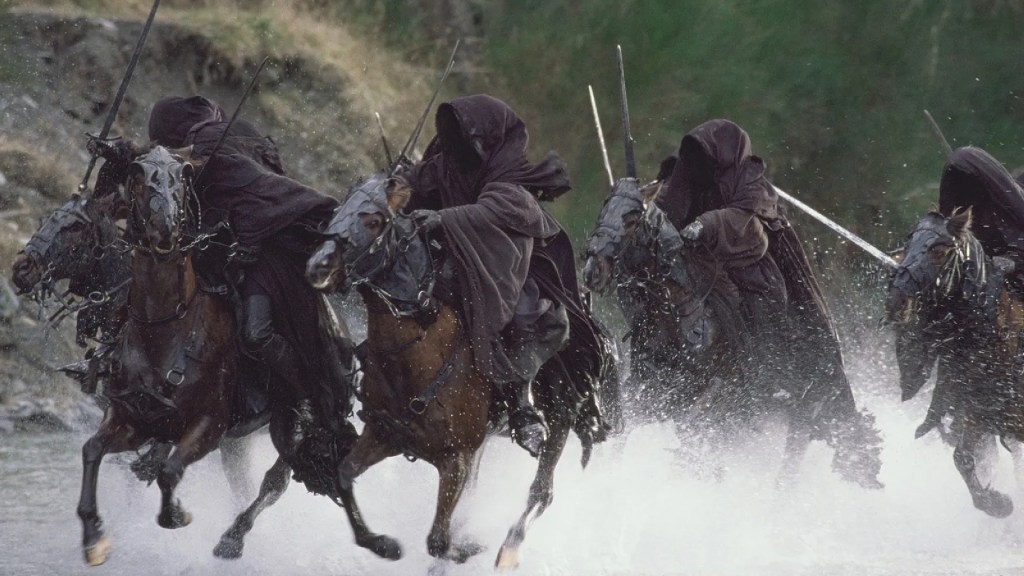
The Nazgûl represent the ultimate corruption of Men, transformed into immortal wraiths by the Nine Rings of Power. Tethered to the will of Sauron, they exist primarily in the “Unseen” world, where their presence alone can erode the minds of others. Their “Black Breath” can cause despair and death in those they encounter, and their leader, the Witch-king of Angmar, wielded power capable of shattering weaponry and leading massive armies. While they are physically limited and vulnerable to certain environments, their immunity to conventional death and their role as the primary agents of the Dark Lord place them above the more mundane mortal races.
13) Men (Númenóreans)

The Númenóreans represent the absolute peak of human potential, a race of Men granted the island of Elenna and extended lifespans as a reward for their service against Morgoth. At the height of their civilization, their maritime empire was so formidable that Sauron himself surrendered to their king, Ar-Pharazôn, rather than face their military might in open battle. In the Third Age, this lineage is preserved in the Dúnedain, with Aragorn serving as the primary example of their enduring capability. His ability to command the Dead Men of Dunharrow and withstand the mental gaze of Sauron through the Palantír reflects a spiritual and physical resilience that sets his kin apart from all other mortals.
12) Vampires and Werewolves

In the First Age, Morgoth inhabited the bodies of massive wolves and bats with “dread spirits” to create Werewolves and Vampires, which the Dark Lord used as engines of destruction. Draugluin, the progenitor of all werewolves, and Thuringwethil, a winged messenger, were among the most feared lieutenants of the first Dark Lord. Their power was such that they required the intervention of divine hounds or high-tier heroes to defeat. They are powerful creations of the Elder Days that have largely faded from the world by the time The Lord of the Rings unfolds.
11) Elves (Sindar and Silvan)
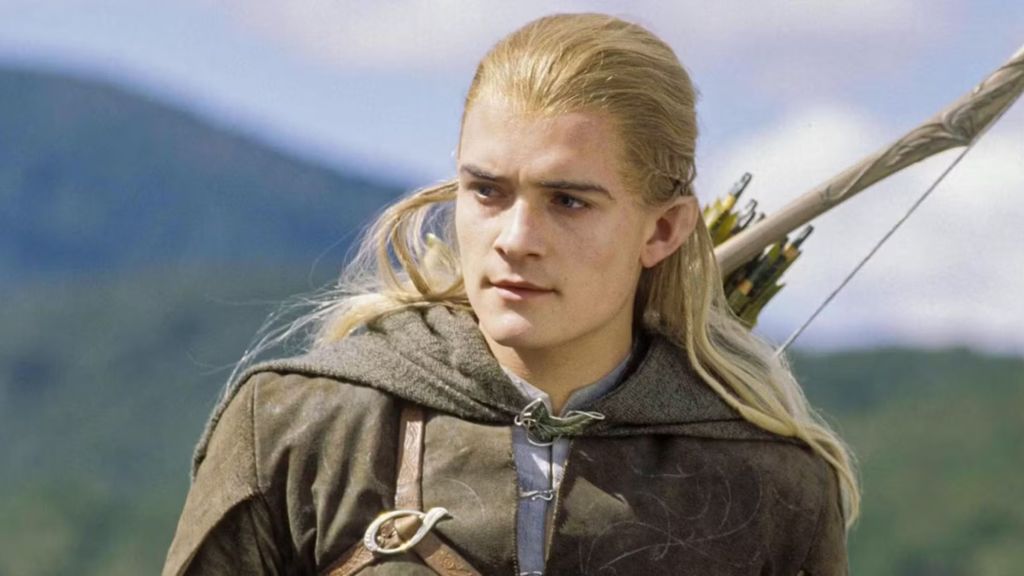
While the High Elves carry the light of Valinor in their blood, the Sindar and Silvan Elves—collectively known as the Moriquendi—represent the majority of the Elven population seen across The Lord of the Rings. These Elves never beheld the Two Trees of the West, yet they remain fundamentally superior to Men and Dwarves through their immortality, immunity to disease, and almost supernatural grace. Legolas of the Woodland Realm represents the Elves’ power throughout The Lord of the Rings trilogy, demonstrating the ability to walk atop deep snow without sinking and maintain perfect accuracy with a bow while in high-speed pursuit. Elves are also master tacticians of the wilderness, maintaining realms like Lothlórien and Mirkwood against the encroaching shadow for thousands of years.
10) Ents
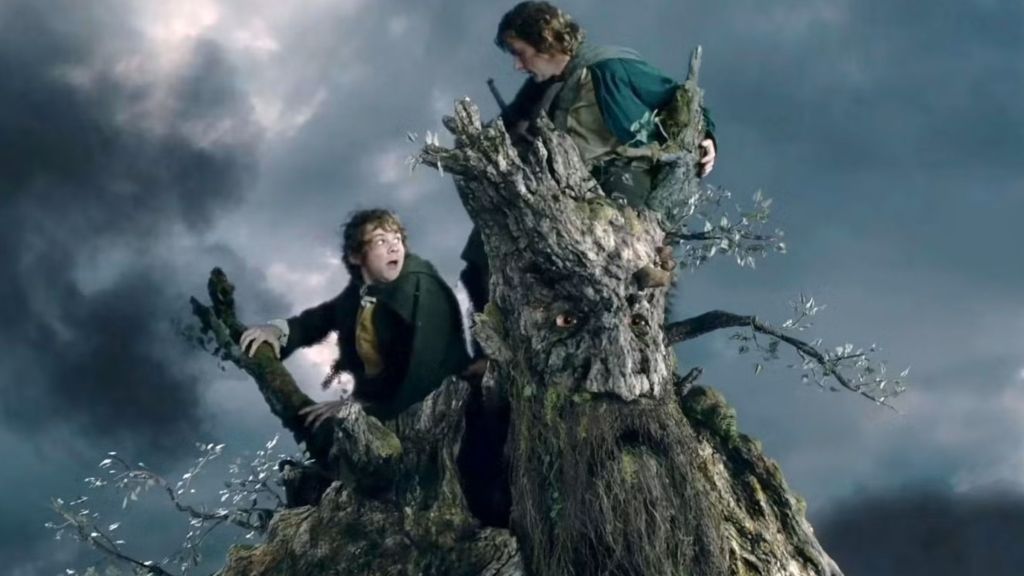
Brought into being by the Vala Yavanna as guardians of the forests, Ents are among the oldest living things in Middle-earth. A fully mature Ent can tear apart the stone walls of Isengard with bare hands, as demonstrated during the assault in The Two Towers, and their bark-like skin resists conventional weapons with an effectiveness that makes them essentially immune to standard Orc armaments. The limitation that keeps Ents from ranking higher is their deliberate nature and their dependency on the living world they protect. They are beings of deep time rather than rapid response, and their numbers have collapsed through the loss of the Entwives, removing any possibility of new generations of Ents being born.
9) Great Eagles

The Great Eagles of Middle-earth are servants of Manwë, the King of the Valar, functioning as divine messengers and interventionary forces deployed at moments of historical significance. For example, Gwaihir the Windlord carries Gandalf from Isengard and later from the peak of Zirakzigil after the battle with Durin’s Bane, acts of service that reflect the Grey Wizard’s alignment with the purposes of the Valar. The Eagles’ intervention at the Battle of Five Armies in The Hobbit also turns a conflict that the combined forces of Dwarves, Men, and Elves were losing, and their arrival at the Black Gate during the War of the Ring carries the same decisive weight. Their power is vast because they appear when the purposes of Manwë require it.
8) High Elves (Calaquendi)

Tolkien distinguishes between the Elves who remained in Middle-earth and the High Elves who saw the Light of the Two Trees in Valinor, the Undying Lands. This distinction is crucial because High Elves like Fingolfin and Glorfindel exist simultaneously in the physical and spiritual realms, granting them a terrifying power against creatures of shadow. Fingolfin’s ability to wound the Vala Morgoth seven times in a single duel and Glorfindel’s spiritual aura, which terrified the Nazgûl at the Ford of Bruinen, are abilities that far exceed the Elven soldiers of the Third Age.
7) Tom Bombadil
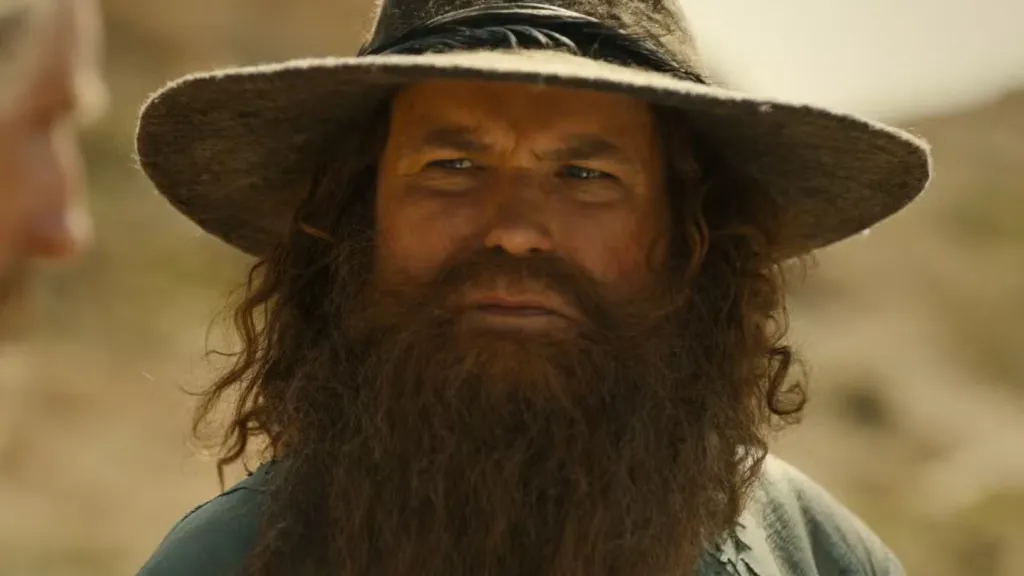
Perhaps the most enigmatic figure in Tolkien’s writing, Tom Bombadil is a being who exists entirely outside Arda’s cosmology, with no direct association to any other beings. He identifies himself as “Eldest,” claiming to have seen the first raindrop and the first acorn before the Dark Lord arrived from Outside. In addition, within his own borders, he is completely immune to the corruption of the One Ring, treating the artifact as a mere trifle in The Fellowship of the Ring. Tom Bombadil ranks below the more active divine spirits because his influence is strictly localized and he lacks the desire or ability to engage with the world’s broader conflicts.
6) Dragons

Dragons entered Middle-earth as weapons of Morgoth, bred in the pits of Angband during the First Age as instruments of war rather than as natural creatures with an independent place in the world. That means Dragons are engineered evil, constructed to maximize destruction through a broad array of abilities. For instance, Glaurung, the first Dragon, was capable of bending entire armies to his will through psychological domination without breathing a flame. Ancalagon the Black was large enough that his fall during the War of Wrath shattered three mountain peaks of Thangorodrim as he came down. Smaug, the last great Dragon of the Third Age in The Hobbit, holds a Dwarven kingdom and its surrounding territory alone for nearly two centuries. Few beings in Middle-earth can match a Dragon’s might, which explains why Tolkien deployed them as Morgoth’s signature weapons.
5) Wizards (Istari)

The five Wizards sent to Middle-earth during the Third Age are Maiar, divine spirits of the same order as the Balrogs, clothed in mortal form by the Valar as a deliberate constraint on their power. Gandalf, the most prominent of the five, demonstrates what an Istari can accomplish within those constraints. The Grey Wizard holds the Bridge of Khazad-dûm against a Balrog, defeats it across a ten-day battle through the roots of the mountain, and returns as Gandalf the White with his mandate elevated. Saruman, despite the doom brought to him by his personal ambition, constructed a military operation at Isengard capable of threatening Rohan as a functioning kingdom. The Wizards rank below Balrogs specifically because they were sent to guide and inspire rather than to exert direct divine force, a limitation that shaped what they were permitted to do.
4) Balrogs

Balrogs are Maiar who followed Morgoth into darkness during the earliest conflicts of creation, and the corruption they underwent transformed them from spirits of light and power into beings whose destructive capacity is documented across the entire span of Tolkien’s legendarium. The Balrogs of the First Age fought alongside Morgoth in the wars against the Elves and killed some of the greatest warriors those conflicts produced, including Glorfindel, who took one down at the cost of his own life. Durin’s Bane, the Balrog of Moria encountered in The Fellowship of the Ring, drove the Dwarves from Khazad-dûm in the Third Age and held the Mines for millennia before Gandalf arrived. Their power exceeds that of the Istari because they don’t have a mortal body.
3) Unconstrained Maiar
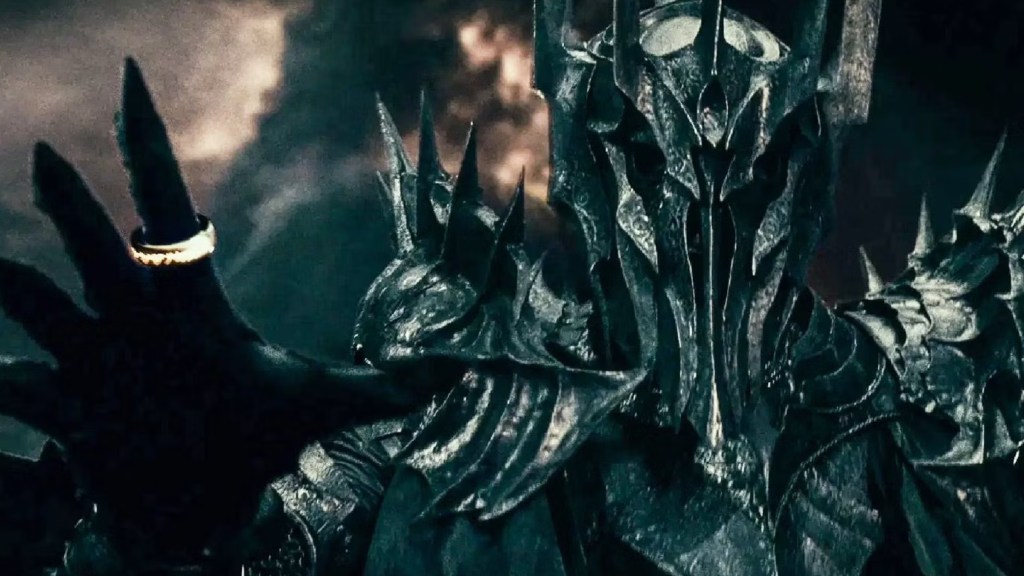
While the Wizards and Balrogs are technically Maiar, they represent spirits bound by specific rules. An unconstrained Maia, such as Sauron at the height of his craft or Melian the Maia, operates with the full breadth of their angelic potency. Melian’s “Girdle” protected an entire kingdom from the reach of Morgoth for centuries, and Sauron’s ability to manipulate the physical world and the minds of Men allowed him to nearly dominate Middle-earth twice. They rank below the Valar only because they are their subordinates, but they possess a versatility and raw power that the more specialized “clothed” spirits lack.
2) Valar

The Valar are the fourteen Ainur who descended into the physical world at the beginning of creation to shape it according to Eru Ilúvatar’s design, and the scale of what they have accomplished makes every other type of being on this list look almost insignificant. Manwë commands the winds and the sky from the peak of Taniquetil. Ulmo rules every body of water in the world and communicates through rivers and rainfall with beings he has never physically met. Aulë created the Dwarves from raw matter before Eru granted them souls, demonstrating a creative power that no other being in the legendarium possesses. Melkor, who became Morgoth, was the mightiest of the Valar before his corruption, and the wars the other Valar fought against him reshaped the geography of the world multiple times, sinking continents and raising mountain ranges as byproducts of the battle. By the Third Age, the Valar act at a distance from their seat in the Undying Lands, but their fingerprints are on every significant event in Middle-earth’s history, from the return of Gandalf the White to the destruction of the One Ring itself.
1) Eru Ilúvatar

Tolkien’s cosmology begins with Eru, the One, who exists in the Timeless Halls beyond the physical universe. While the Valar are the architects of Arda, Eru is the sole source of the Flame Imperishable, the divine spark required to create independent life. His power is absolute and primarily hands-off, yet his rare interventions change the history of Middle-earth — most notably in the literal reshaping of the world during the destruction of Númenor and the resurrection of Gandalf after his fall in Moria. Because he sits above the Music of the Ainur as the ultimate creator, Eru occupies a rank beyond any other being in the legendarium.
Which type of being from Tolkien’s world is your favorite? Leave a comment below and join the conversation now in the ComicBook Forum!
