
J.K. Rowling published the first Harry Potter novel in 1997, and the franchise that followed became the most commercially dominant literary property in modern publishing history. The seven-book series sold over 600 million copies worldwide, establishing a cultural footprint that stretched across more than 80 languages and generations of readers. In addition, Warner Bros. translated that success into eight feature films between 2001 and 2011, all of which earned Certified Fresh ratings on Rotten Tomatoes, a consistency that remains almost without precedent for a franchise of that scale. Beyond the main series, Rowling expanded the universe through supplementary texts, stage productions, and the Fantastic Beasts spinoff cycle, ensuring that the Wizarding World never fully receded from public conversation.
Videos by ComicBook.com
HBO is now reimagining Rowling’s novels as an ambitious TV show set to premiere on Christmas Day 2026, with the first season adapting Harry Potter and the Philosopher’s Stone across eight episodes. Showrunner Francesca Gardiner, whose Emmy-winning work on Succession established her as one of television’s most precise dramatic writers, leads the project alongside director Mark Mylod, a veteran of both Game of Thrones and Succession. The adult cast features John Lithgow as Albus Dumbledore, Janet McTeer as Minerva McGonagall, and Paapa Essiedu as Severus Snape, with three young newcomers taking on the franchise’s three central roles: Dominic McLaughlin as Harry Potter, Arabella Stanton as Hermione Granger, and Alastair Stout as Ron Weasley. HBO plans to adapt all seven novels over a decade of television, and the series’s success could extend the Harry Potter story beyond The Deathly Hallows.
7) Luna Lovegood
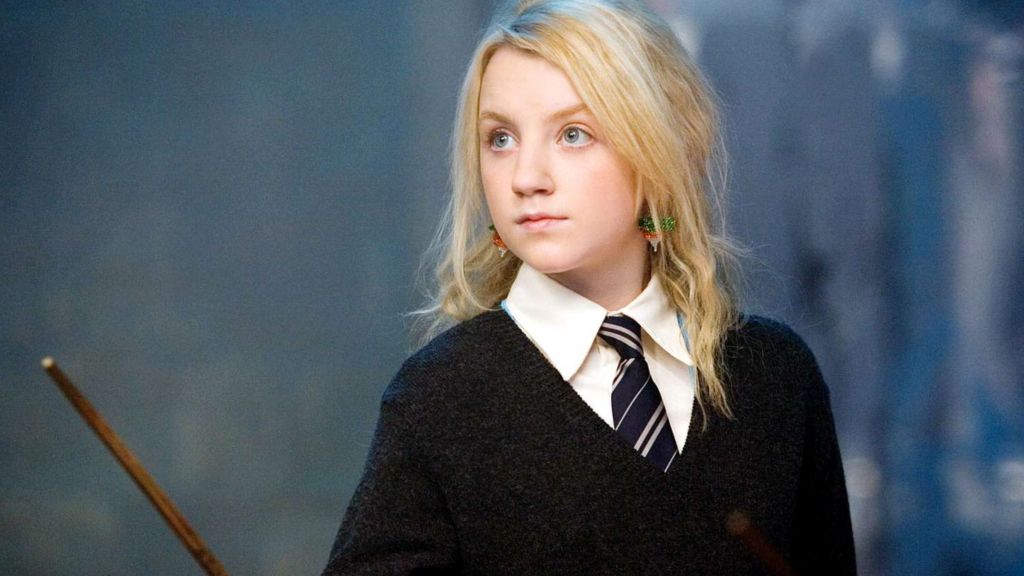
Of all the core members of Dumbledore’s Army, Luna Lovegood’s post-war trajectory is the most quietly satisfying. Rowling confirmed that Luna pursued her lifelong fascination with magical creatures, eventually becoming a celebrated magizoologist whose research took her to some of the most remote corners of the Wizarding World. She married Rolf Scamander, the grandson of Newt Scamander, which directly connects her to the Fantastic Beasts universe. The couple had twin sons, Lorcan and Lysander, two names that reflect Luna’s enduring commitment to the whimsical. Luna appears briefly at the epilogue of Deathly Hallows and is confirmed as a presence at the Quidditch World Cup in Harry Potter and the Cursed Child, though the stage play focuses primarily on the next generation rather than on her own story.
6) Neville Longbottom

Neville Longbottom’s post-war life turned the anxious, forgetful boy of Philosopher’s Stone into one of the most respected figures in the wizarding world. According to Rowling, Neville briefly worked as an Auror before finding his true calling back at Hogwarts, where he became the Herbology professor. He married Hannah Abbott, who took over as landlady of the Leaky Cauldron, giving the couple a dual presence in both the academic and commercial life of the wizarding community. The Cursed Child confirms Neville’s continued role at Hogwarts, where he teaches the next generation of students, including Albus Potter and Scorpius Malfoy.
5) Draco Malfoy

The epilogue of Deathly Hallows offers only a glimpse of Draco Malfoy at Platform Nine and Three-Quarters, visibly aged and accompanied by his wife, Astoria Greengrass, and their son, Scorpius. Harry Potter and the Cursed Child expands that picture considerably. Astoria, who held more progressive views on pure-blood ideology than her family approved of, suffered from a blood malediction inherited through her ancestors and died during the events of the play, leaving Draco a widower and Scorpius without a mother. Draco’s relationship with his own past is also complicated throughout The Cursed Child, as he is forced to confront the damage his family’s ideology caused while simultaneously protecting a son who bears none of the responsibility for it.
4) Ginny Weasley
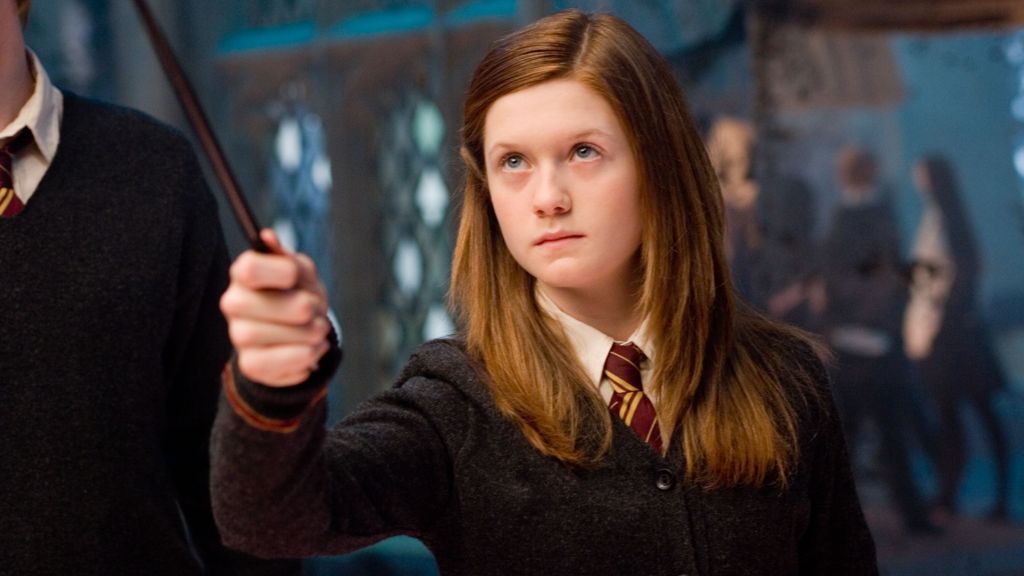
Ginny Weasley’s career after the Battle of Hogwarts followed the path set for her in the earlier novels. She played professional Quidditch for the Holyhead Harpies, establishing herself as one of the sport’s prominent players before transitioning into sports journalism, eventually becoming a senior Quidditch correspondent for the Daily Prophet. Her marriage to Harry produced three children—James Sirius, Albus Severus, and Lily Luna—whose names collectively reflect the weight of the people Harry lost and loved. Within The Cursed Child, Ginny functions as a steady counterbalance to Harry’s more reactive parenting, particularly regarding their middle son Albus, whose fraught relationship with his father drives the play’s central conflict.
3) Ron Weasley
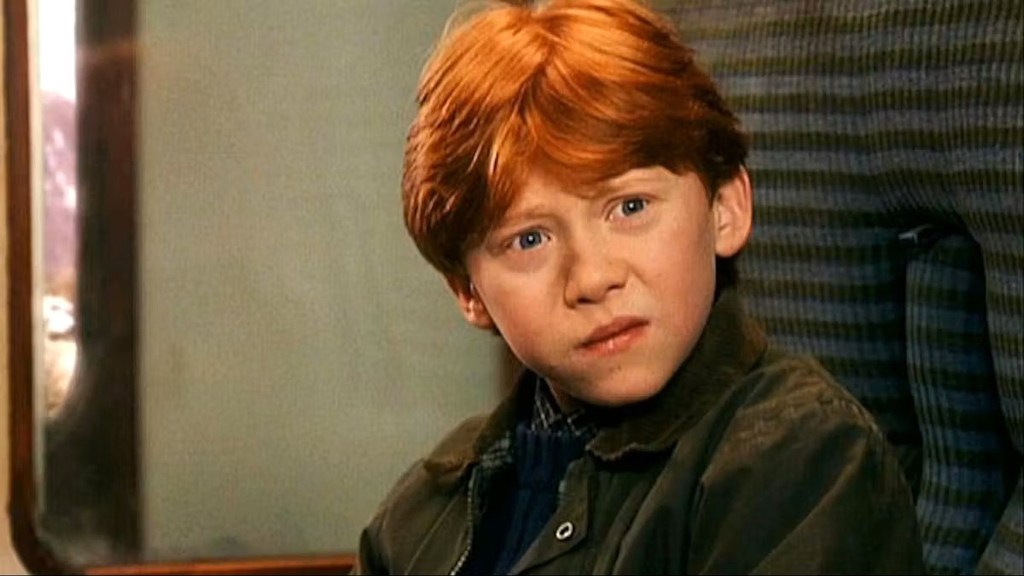
After leaving Hogwarts, Ron Weasley initially joined the Auror Office alongside Harry, before eventually leaving to co-manage Weasley’s Wizard Wheezes with his brother George. As fans know, George lost his twin Fred at the Battle of Hogwarts, and Ron’s presence in the shop represents an act of loyalty that goes beyond professional convenience. Ron married Hermione Granger and had two children with her, Rose and Hugo. In The Cursed Child, Ron functions largely as comic relief in a narrative that prioritizes Harry, Ginny, and Hermione, a creative choice that frustrated some fans who felt the stage play diminished the character’s growth across seven books.
2) Hermione Granger
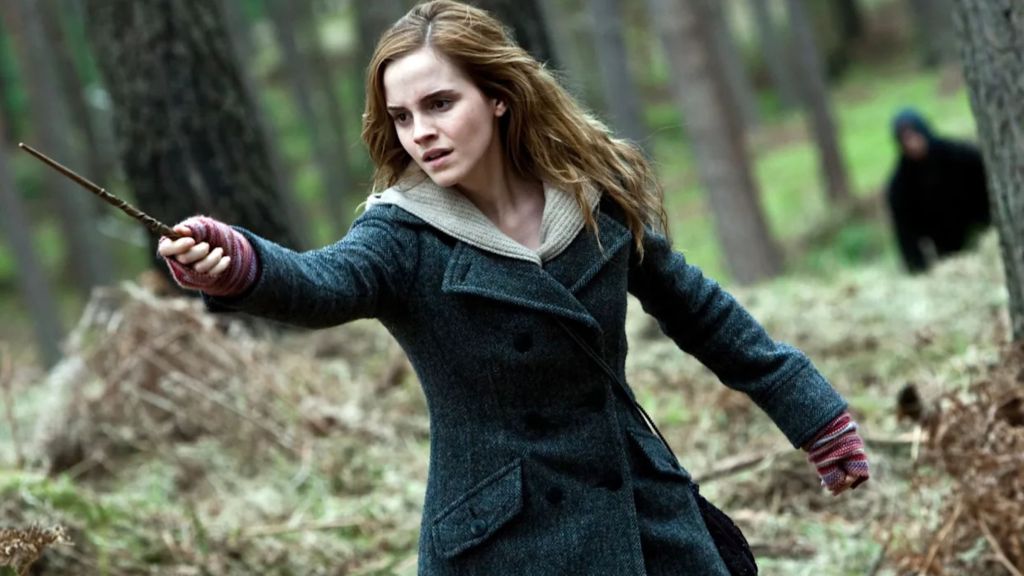
After The Deadly Hallows, Hermione Granger worked at the Ministry of Magic in the Department for the Regulation and Control of Magical Creatures, a role that directly reflected the advocacy work she began with S.P.E.W. during her time at Hogwarts. From that position, she rose through the Department of Magical Law Enforcement, eventually becoming Minister for Magic, the highest position in the British wizarding government. The Cursed Child depicts her as Minister at the height of her powers, navigating a crisis that tests both her political authority and her personal loyalties simultaneously.
1) Harry Potter

After destroying Voldemort at the Battle of Hogwarts, Harry Potter joined the Ministry of Magic’s Auror Office, a role that placed him back on the front lines of magical law enforcement. He became Head of the Auror Office by the age of 26, though the specifics of his career beyond that point are intentionally sparse in the epilogue, which prioritizes the domestic image of him sending his children off to Hogwarts over any professional milestone. Harry Potter and the Cursed Child depicts him as Head of Magical Law Enforcement at the Ministry, a man whose famous scar has not hurt in nineteen years and who is struggling to connect with a son who resents his father’s shadow.
Which Harry Potter character do you think had the most satisfying arc after The Deathly Hallows? Leave a comment below and join the conversation now in the ComicBook Forum!
