Stephen King’s IT is a brilliant and terrifying story, but there are parts of it that just don’t add up. The book dives deep into fear, childhood trauma, and the horrors lurking in small-town life, but sometimes it feels like the rules of its world are made up as it goes along. Pennywise is presented as an all-powerful entity, yet the way he operates often feels inconsistent. How can something so ancient and otherworldly be stopped by simple rituals or belief? The story doesn’t always explain itself, leaving readers unsure how things actually work in this dark and twisted universe.
Videos by ComicBook.com
Another thing that doesn’t quite make sense is the way the story handles its bigger ideas. King introduces fascinating concepts about Pennywise’s origins, the nature of the Deadlights, and the cosmic forces behind the horror, but they’re barely explained. While the mystery can make things scarier, it also leaves you feeling like some parts of the story are missing or unfinished.

5. Why Does Pennywise Target Children Specifically?
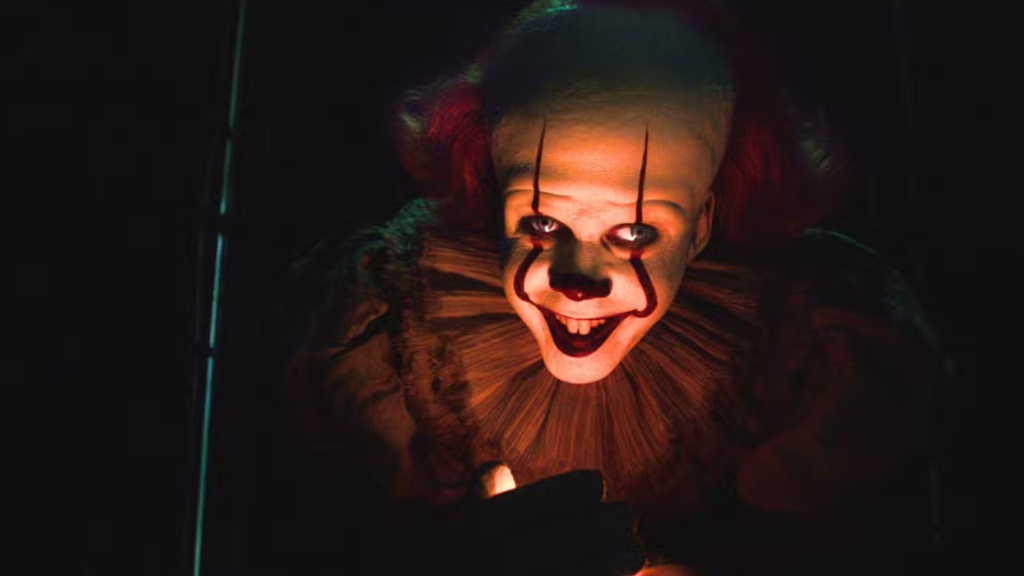
Pennywise, the sinister entity in IT, has an insatiable appetite for fear, particularly the fear of children. It is explained in the book that children’s fears are “simpler” and easier to exploit — clowns, monsters, or the dark. While this makes sense to some extent, it raises a fundamental question: why would an ancient, omnipotent creature like Pennywise limit itself to preying on children? Adults also experience fear, often more complex and deeply rooted. Derry is filled with adults carrying trauma, guilt, and unresolved fears — prime emotional feasts for a creature like Pennywise. Yet, the story repeatedly emphasizes his fixation on children without fully exploring why their fear is more “nutritious” or why he doesn’t expand his reach.
By targeting children, Pennywise draws more attention to his activities, especially from grieving and panicked parents, as seen in the string of disappearances in Derry. If his goal is to feed without detection, why wouldn’t he spread his terror across a broader demographic? While King’s focus on children creates a thematic exploration of childhood fears and innocence lost, it doesn’t entirely hold up when you consider the pragmatic logic of Pennywise’s predation patterns.
4. Why Doesn’t Derry Fight Back?
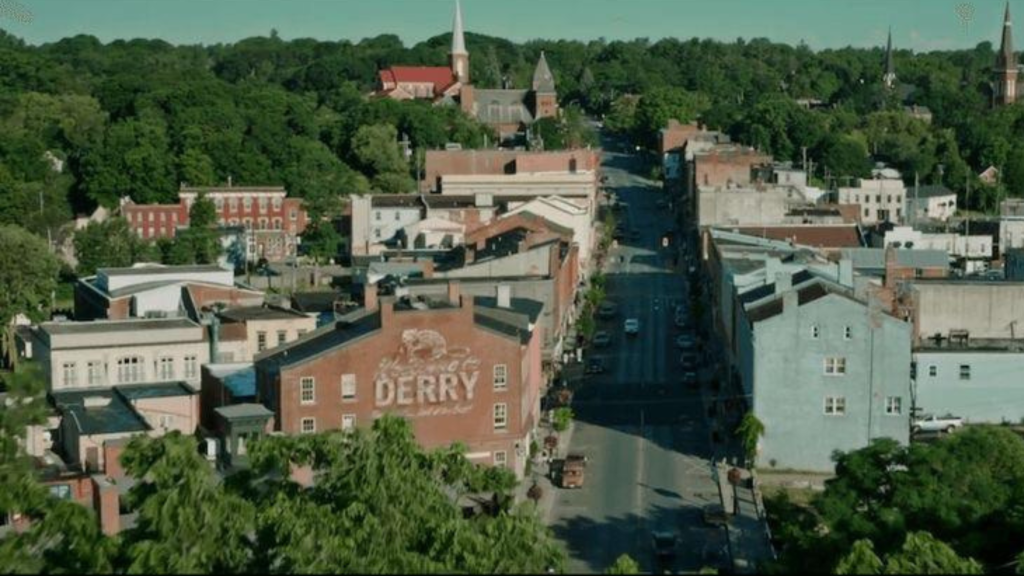
Derry is no ordinary small town; it’s a place where Pennywise thrives, and the residents seem to exist under an unspoken spell of apathy and denial. Sure, Pennywise’s influence on the town’s psyche is well-documented — he creates an aura of fear and suppression, making people turn a blind eye to horrific events. But what remains unclear is why the entire town succumbs so deeply to this influence. Are they all under Pennywise’s direct control, or is it a more passive, ambient effect? If he exerts such control, why doesn’t this power extend to the Losers’ Club, who actively resist him?
Additionally, the town’s pattern of violent and bizarre events, like the Black Spot fire or the Bradley Gang shootout, would realistically raise red flags for outsiders or even state authorities. Yet, Derry’s history of horrific incidents remains inexplicably unnoticed. King hints that Pennywise manipulates not only the townsfolk but the broader perception of Derry itself, yet this explanation feels tenuous at best. It’s hard to believe no one —especially in a modern context — would notice such a terrible pattern in one town over decades.
3. What Exactly Is Pennywise’s True Form?
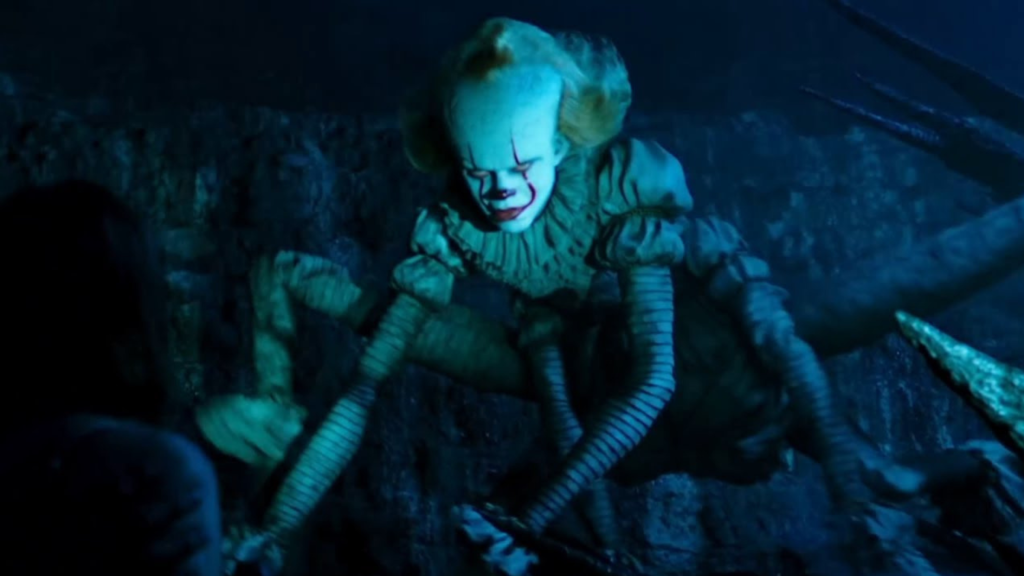
Pennywise’s true form is a recurring mystery in IT. He is described as an ancient, otherworldly being whose true shape cannot fully be comprehended by humans. This ambiguity is both terrifying and frustrating. The “Deadlights,” a source of his power, are often hinted to be his true form, yet even that remains vague. If the Deadlights are indeed his essence, then how does Pennywise take on physical forms like the clown or the various manifestations of fear? Are these projections of his power, or are they separate entities entirely?
Moreover, there’s a disconnect between the metaphysical nature of Pennywise and his vulnerability to physical harm. If he’s an eternal being from King’s larger mythos of the Macroverse, why can the Losers hurt him with mundane weapons like silver or even their bare hands? The novel tries to reconcile this by suggesting that belief shapes reality, but even this explanation feels inconsistent when facing an entity supposedly beyond human comprehension. Pennywise’s true form remains one of the most perplexing aspects of the story, leaving readers with more questions than answers.
2. Why Does Pennywise Follow a 27-Year Cycle?
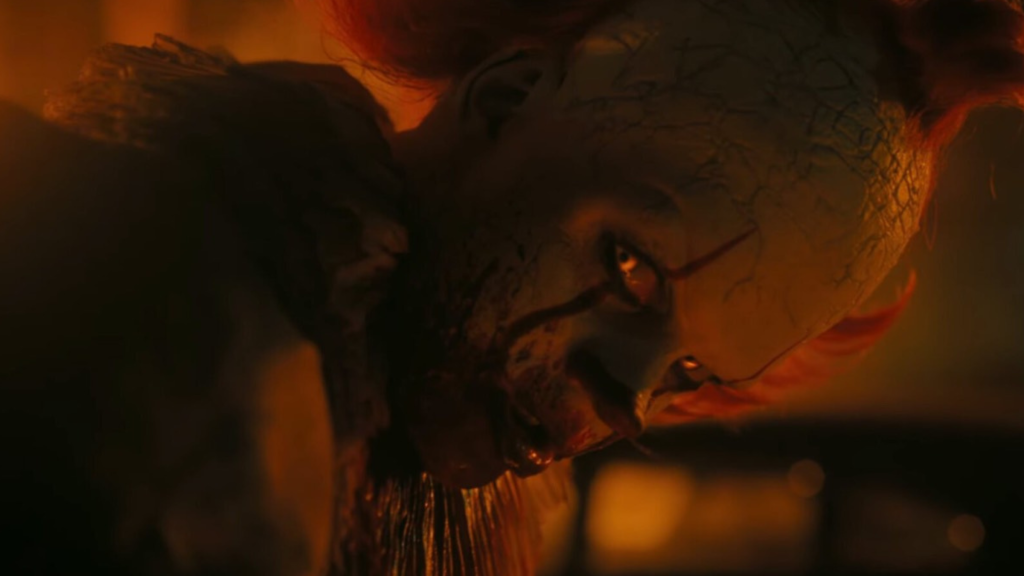
Pennywise operates on an eerily specific 27-year cycle, waking to feed on the town’s fear before returning to hibernation. While this pattern is central to the story’s structure, it’s never fully explained. Why does an interdimensional being need to sleep for such long periods? Is it a biological necessity tied to his otherworldly nature, or is it a choice? And if he is so hungry for fear, why doesn’t he feed continuously? These unanswered questions make the cycle feel more like a convenient plot device than a well-thought-out characteristic.
Additionally, the 27-year cycle doesn’t seem to align with Derry’s history. Disasters and tragedies occur with some regularity, but not all of them match Pennywise’s active periods. If he’s the source of Derry’s darkness, why do these events sometimes happen outside his feeding years? The cycle is an intriguing concept that adds to the story’s eerie atmosphere, but its lack of a clear rationale undermines Pennywise’s mythos and leaves readers scratching their heads.
1. Why Doesn’t Pennywise Ever Leave Derry
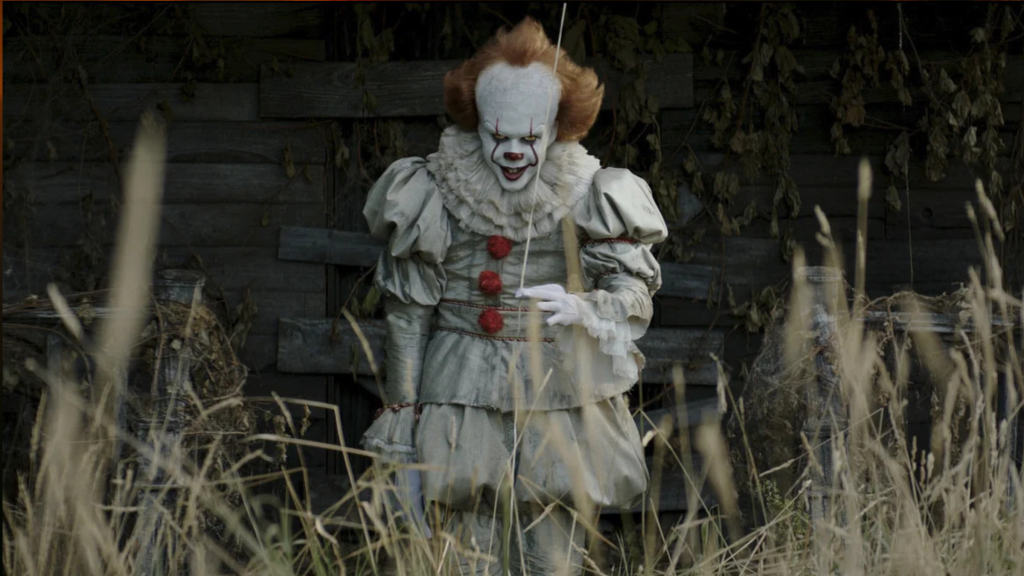
For a being as powerful and malevolent as Pennywise, his confinement to Derry feels oddly restrictive. The novel implies that he has some sort of symbiotic relationship with the town, feeding off its darkness while also influencing its residents. But why doesn’t he ever leave? If he’s from the Macroverse, his domain shouldn’t logically be limited to one small town in Maine. Is Derry a unique feeding ground for him, or is he simply unwilling — or unable — to explore other areas?
This limitation creates a strange inconsistency in Pennywise’s supposed omnipotence. If he’s as ancient and powerful as he claims, why not expand his influence beyond Derry? The idea that he’s tied to Derry’s geography or history is never fully explained.
What do you think? Leave a comment below and join the conversation now in the ComicBook Forum!
Most Viewed
-

Image courtesy of Netflix -

Image Courtesy of Netflix