
Legolas is a fan-favorite character in The Lord of the Rings, and the elves are some of the most important and influential beings in Middle-earth, yet several things about them still make no sense. Elves hold a very special place in The Lord of the Rings franchise, particularly because of the role they played in the victory over Sauron. In fact, long before the fellowship was ever formed, elves like Galadriel and Elrond were instrumental in laying the groundwork for what would eventually be Sauron’s downfall (thousands of years later).
Videos by ComicBook.com
J.R.R. Tolkien was also incredibly dedicated to world building, which astonishingly included developing multiple full-fledged Elvish languages. While that shows just how important elves are in this franchise, the truth is, particularly the movies have made these characters quite a bit more confusing. In light of the movies, here are 5 things about elves in general and Legolas in particular that make very little sense in The Lord of the Rings.
The Term “She-Elf” Was Added To The Movies…For No Reason
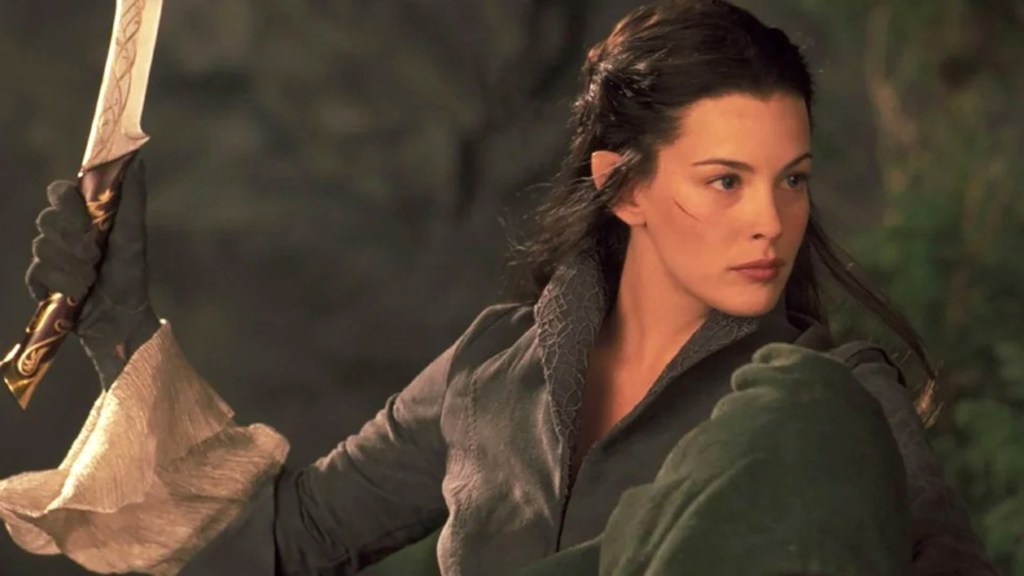
Although a relatively minor detail, one of the things that makes no sense about elves in The Lord of the Rings is the introduction of the term “she-elf,” which notably did not exist in Tolkien’s novels. Rather, this was an invention of the movies. While there’s little doubt that Peter Jackson’s movies, specifically the original Lord of the Rings trilogy movies, are masterpieces, this was a completely unnecessary and confusing change.
The gendered term implies that “elf” is a specifically male designation, which just isn’t the case. Even if one was to give Jackson the benefit of the doubt and assume this was a term that others, like orcs, used to be condescending, that really only raises a host of other questions, including why highlighting that a female elf is a woman would be insulting. Jackson almost certainly meant nothing serious by it, but this was a bizarre addition that isn’t reflective of Tolkien’s writing.

No One Cares That Legolas Is A Prince (Including Legolas)

Royalty is a crucial part of some Lord of the Rings characters’ storylines, particularly Aragorn, whose ascension to the throne of Gondor is a massive part of the plot. The Lord of the Rings: The Return of the King’s title signals just how important that royal lineage was, in fact. Yet, Legolas is also royalty, and no one seems to care about it at all, especially in the original trilogy. Legolas was the son of the Elvenking Thranduil, making him the prince of Mirkwood, but that goes almost entirely ignored in the original movies.
Gimli makes one reference to this in the original trilogy, calling Legolas a “princeling” as a way to tease him, but that’s really the extent of it. Legolas’ backstory is explored in the trilogy of movies based on The Hobbit (although, notably, Legolas doesn’t actually appear in that book), which does shed more light on his royal status. Overall, though, Legolas being a prince is largely overlooked, which is more than a little odd.
Tauriel Is Never Seen, Heard From, Or Spoken About Again

Yet another invention of Peter Jackson’s movies is the character Tauriel, played by Evangeline Lilly in The Hobbit trilogy. This character didn’t exist in any of the books, but she becomes a central figure in those movies. Legolas even has feelings for her; however, she eventually falls for a dwarf instead. What makes her character odd is really what happens at the end of that trilogy and her complete absence, in physical presence or by mention, in the original trilogy. Namely, Tauriel’s story ends abruptly, and it isn’t clear what happens to her.
Of course, this absence is because she didn’t exist until The Hobbit trilogy, which came after the original movies. Yet, by introducing Tauriel in The Hobbit movies, Jackson created an issue wherein it makes no sense that Legolas never thinks of or talks about her again, and she is ultimately completely irrelevant to the larger narrative. Presumably, a woman Legolas had feelings for (the only woman he had feelings for on screen, actually) would be more important, but instead, it’s like she never existed at all.
Legolas’ Hatred Of The Dwarves Wasn’t Diminished Despite The Hobbit Trilogy
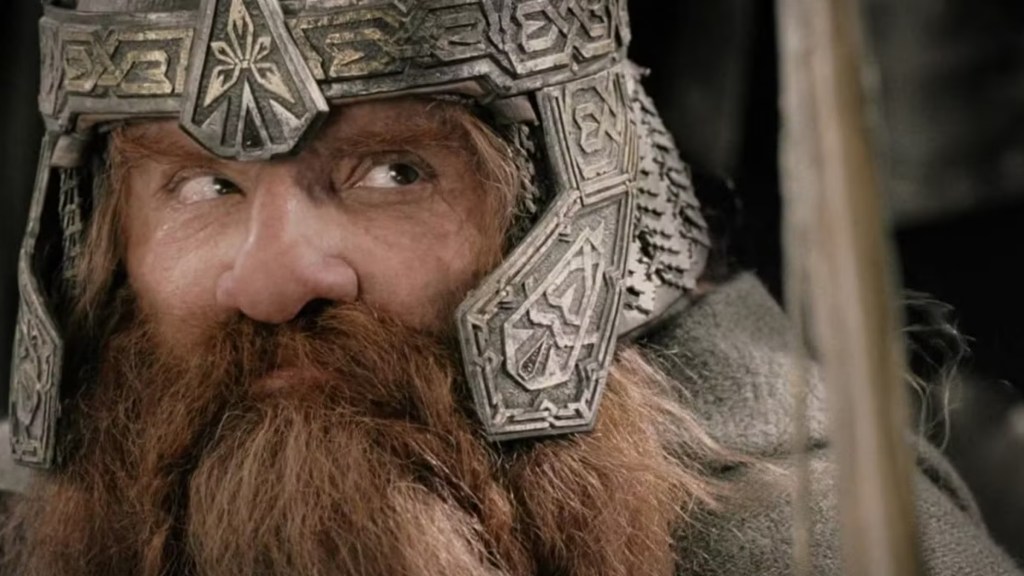
The elves and the dwarves absolutely hate each other in The Lord of the Rings, and that was clear on the macro scale and the micro scale in the original trilogy movies. That was in part what made Legolas and Gimli’s eventual close friendship so meaningful. However, by bringing Legolas into The Hobbit movies, Jackson created yet another issue that wasn’t present in Tolkien’s books. Specifically, Legolas had already fought side-by-side with dwarves and gained a new perspective on them in The Hobbit movies, yet it seems he’s totally forgotten that in the original trilogy.
Even odder, perhaps, is the fact that Legolas gets to know Gimli’s father, Glóin, in The Hobbit and even sees a picture of young Gimli, but that is never brought up in the original movies. Sure, someone could apply the Duffer Brothers’ “it happened off screen” logic to this issue, but that’s kind of a copout. Even that issue aside, though, it’s weird that Legolas is right back to despising dwarves in The Lord of the Rings: The Fellowship of the Ring after seeing a different side to them in The Hobbit.
Legolas And Frodo Never Speak Directly
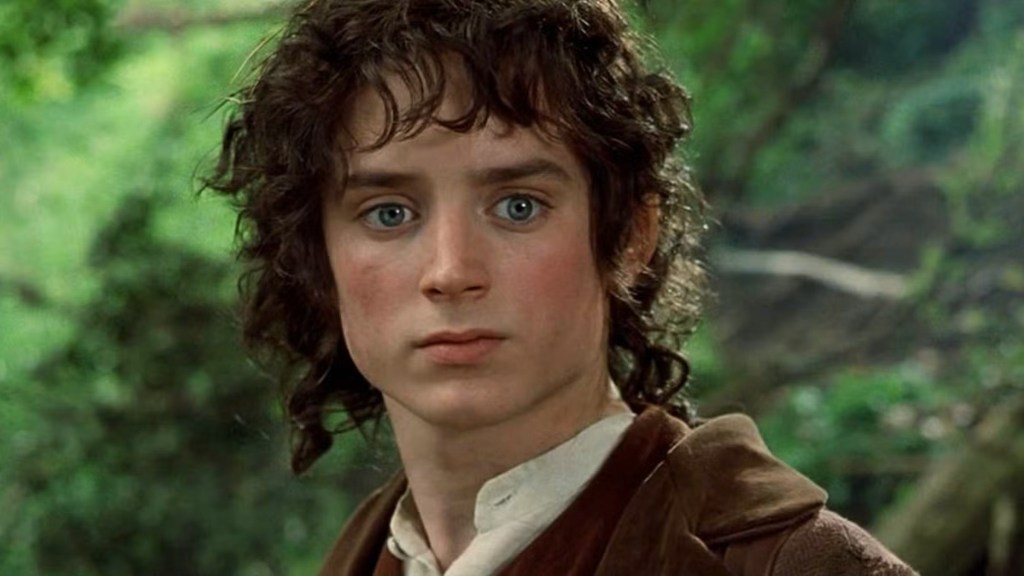
One of the most hilarious things about Legolas in Peter Jackson’s movies is the theory that Frodo doesn’t know Legolas’ name because of the scene in Rivendell after the One Ring has been destroyed, in which he addresses basically everyone by name except the elf. While it’s very unlikely that Frodo really doesn’t remember his name, it is true that Frodo and Legolas have no direct interaction in the movies, which is odd.
The closest the two get is when Legolas says Frodo has his bow as the fellowship is being formed, but that is stated in front of everyone, and it’s the only time he speaks to Frodo—and Frodo never speaks to him. Their relationship obviously wasn’t the most important, but it’s still odd (and very funny) that they have next to no interaction at all on screen.
What do you think? Leave a comment below and join the conversation now in the ComicBook Forum!
