In a move that is proving to be controversial, Netflix has announced their plan to purchase Warner Bros. Discovery for a gargantuan $82.7 billion. It’s not the first time something like this has happened, as you might remember that Amazon acquired MGM back in 2022, hence the fact that future Bond movies will likely be heading straight to Prime Video. This means that major Warner Bros. assets, like Harry Potter and anything and everything DC movie or TV show, will find itself positioned under the Netflix umbrella. Granted, the merger hasn’t gone all the way through yet, and things of this magnitude can change, but if it does go through it raises some eyebrows about what it means for the future of the entertainment industry.
Videos by ComicBook.com
There are five questions in particular I’m asking myself. Some relate to specific content while others are tied into macro-scale ramifications for the industry. All of them will only be firmly answered by the march of time.
5) The Impact on the Physical Media Industry
Blockbuster (aka my childhood) died and Redbox died. If you go to a Target, at least in my neck of the woods, you won’t find a single Blu-ray or DVD. Albums? Sure. Books? Yes again. But not movies.
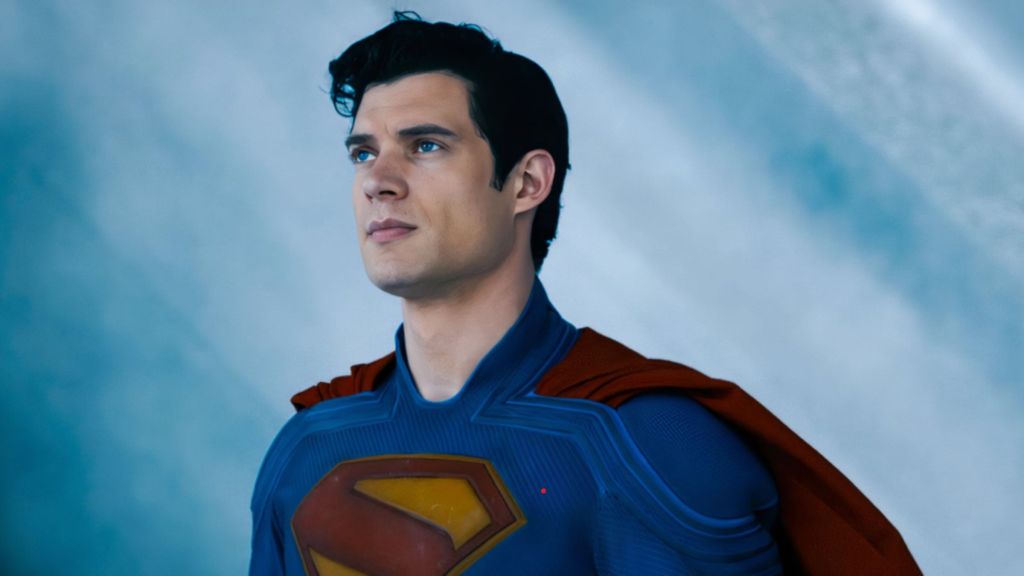
To phrase it differently, physical media has already been on its way out for quite some time. If Netflix absorbs Warner Bros. it’s really hard to imagine them continuing to release, say, DCU movies and shows on 4K Blu-ray. They would make more money keeping them as streaming exclusives. If someone wants to watch Man of Tomorrow once, they have to pay for a month of Netflix. If they feel the urge to watch it again two months later, they have to pay for another month of Netflix. In 2025 Netflix prices that’s already about $36 dollars, aka more than the $30 cost of a 4K Blu-ray. Factor in a potential (and extremely likely) price hike and the fact that’s only two screenings of Man of Tomorrow, and one can see the logic in them no longer contributing to the physical media market. That’s unfortunate for people such as myself, who, when they really like a movie, strongly prefer buying it, picking it up, and adding it to their shelf.
4) The Impact on the Theater Industry
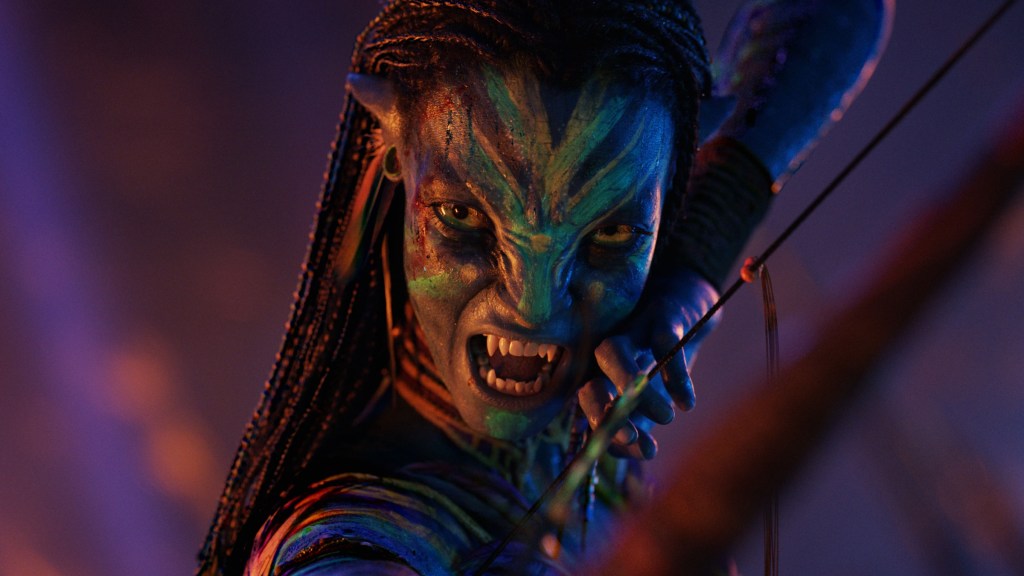
I worked in a movie theater in my late teens and early 20s. It was a little two-screen art house theater that, sadly, was torn down and replaced with an extension of the existing parking lot. If there’s one massive, industry-altering question mark hanging over this merger it’s just what that means for the future of movie theaters. Theaters are already doing far worse than they did as recently as 10 years ago. It’s only the massive movies, like Avatar: Fire and Ash, that feel even close to an event that gets people out of their homes and makes them go to the theater. If the merger goes through fewer films will go on the big screen and, if Netflix does allow them to play, Netflix CEO Ted Sarandos has made it clear the window of big screen play will be considerably shortened.
According to Deadline, Sarandos said that the notion of sending Netflix (meaning Warner Bros.) movies to theaters won’t go away entirely, but he feels that “long, exclusive windows” are something they “don’t really think are that consumer friendly.” In other words, expect maybe two or three weeks of play then, bam, they’re on Netflix. If the movie was making money for theaters on the big screen, tough cookies for the theaters because they don’t have the product anymore.

3) How Expensive Will Netflix Become?
As of December 2025, Netflix costs $7.99 for its Standard with ads plan, $17.99 for its Standard (without ads) plan, and a whopping $24.99 for its Premium plan. That’s already pretty high, especially considering Netflix’s content lineup isn’t really any better than Paramount+’s, HBO Max’s, or Hulu’s.
If Netflix then absorbs HBO Max’s catalogue and has big new DC movies debut exclusively on it shortly after hitting theaters? They would have a valid reason to up their price considerably. Having all these streaming subscriptions is already a wallet killer—especially if you write about movies and television series for a living—so it’s concerning to imagine Netflix eventually doubling its prices. Will they be doubled? Probably not quite that, but it also wouldn’t be entirely surprising if that’s exactly what happened.
2) What Happens with HBO Max?
If the merger goes through, HBO Max will almost certainly eventually have its catalogue absorbed by Netflix. The downside there is that those with the Disney, Hulu, and HBO Max bundle will be down a third of the bundle.
The bigger issue is the quality of HBO’s content. Not only will the HBO Max exclusive shows face a potential dive in quality (Netflix has some excellent shows, but even its best aren’t HBO level), but all HBO shows in general. And, as has been seen on Netflix, even if a show is a critical darling, that doesn’t mean it’s going to last. Just look at GLOW to see how Netflix has no issue with taking a beloved series and giving it the axe even though it has just a few episodes left to complete its telling of a whole story.
1) The Future of the DCU
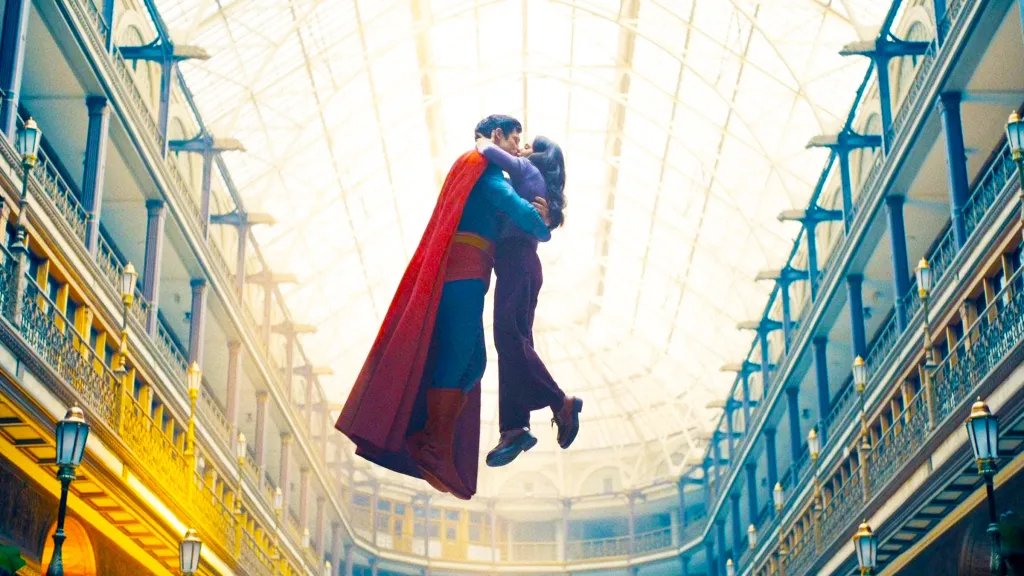
As mentioned, Ted Sarandos has said that theatrical distribution of major WB properties like the DCU isn’t going away entirely. But the window will be shortened, and one wonders just how James Gunn and Peter Safran feel about that.
The DCU is still a baby at this point, but it’s already shown itself to be an exciting and impressive beginning to something Superman‘s success seemed to indicate would last years. The likelihood is that Netflix will keep Gunn and Safran around, so that worry shouldn’t get in the way of the DCU continuing. But who’s to say Gunn and Safran won’t find themselves displeased with their planned projects suddenly facing brief theatrical windows? Would they choose to step away, effectively ending their cinematic universe before it really got the chance to move beyond, say, Chapter One: Gods and Monsters? It will prove very interesting to see just how all of this effects Superman and his friends (and enemies).
Are you worried about this Netflix and Warner Bros. merger? Let us know in the comments.
Most Viewed
-

Warner Bros. Animation / Cartoon Network Studios -

Image courtesy of United Artists -

Image courtesy of Marvel Studios. -

Image courtesy of Netflix