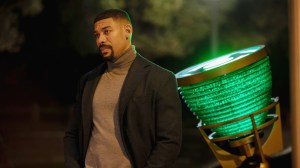
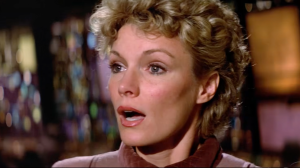
We’ve reached a point in superhero entertainment where the idea of the crossover is not only common but almost expected. Fans anticipate seeing characters from one project appear in another, signaling the connection between the stories and the larger world they exist within. A recent example of this is Peacemaker. After the success of James Gunn’s Superman, fans were thrilled to see appearances by Sean Gunn’s Maxwell Lord, Isabela Merced’s Hawkgirl, Nathan Fillion’s Guy Gardner, and Nicholas Hoult’s Lex Luthor and are now more excited than ever to see how Peacemaker ties to the larger DCU.
Videos by ComicBook.com
But crossovers like this weren’t always the norm. In fact, there’s one specific crossover event that changed everything for DC in terms of television, proving that not only could two separate superhero programs exist in a compelling way, but that they could come together within a shared universe to tell a connected story and even lay the groundwork for their worlds to expand. Eleven years ago, that crossover, “Flash vs. Arrow” debuted, bringing together The CW’s Arrow and The Flash and changing superhero tv forever.
What Was “Flash vs. Arrow”?
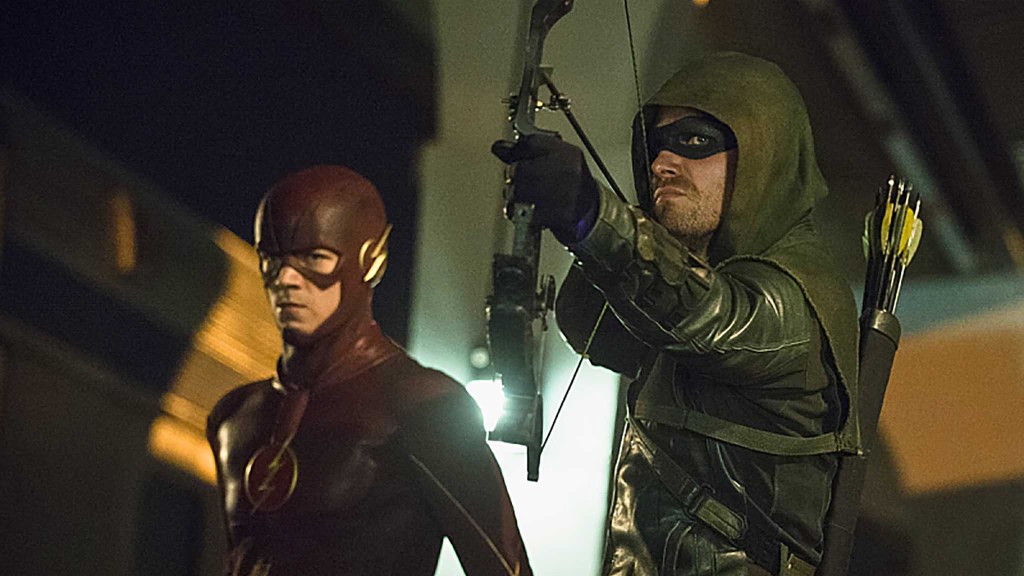
“Flash vs. Arrow” was a two-episode crossover event that aired on The CW beginning on December 2, 2014, with The Flash episode entitled “Flash vs. Arrow” and concluding the next night, December 3, 2014, with the Arrow episode “The Brave and the Bold.” The Flash episode — the eighth in The Flash’s first season — saw the emergence of a new metahuman, Roy Bivolo, who uses his ability to send people into uncontrollable rage to rob banks. At the same time, Oliver Queen/Green Arrow contacts Barry and lets him know that his team is tracking a killer who is using lethal boomerangs. The two heroes agree to work together to try to catch each other’s targets, However, when Barry goes after Bivolo alone, the crook uses his powers on Barry and they end up lasting much longer and results in some complications — including a fight between Barry and Oliver and the formation of a metahuman task force by the police after the enraged Flash attacks Eddie Thawne. The heroes do, however, manage to capture Bivolo.
In “The Brave and The Bold”, the eighth episode of Arrow’s third season, Oliver and his allies continue to track down the boomerang-wielding killer — Digger Harkness. When Digger tries to kill Lyla Michaels, Oliver and Barry arrive and stop him. It’s revealed that Digger was part of A.R.G.U.S.’s Suicide Squad and Barry witnesses Oliver’s more extreme interrogation methods, which causes him to question Oliver’s emotional stability much in the way that Oliver had previously questioned Barry’s readiness to be a hero. Eventually, Oliver captures Digger and Barry, using both Team Flash and Team Arrow, are able to defuse bombs that Digger has planted around the city, saving the day. Having worked together and seen both the best and worst of each other, Barry and Olver are now firmly friends and allies and end the episode having a friendly duel.
Why Does “Flash vs. Arrow” Matter?
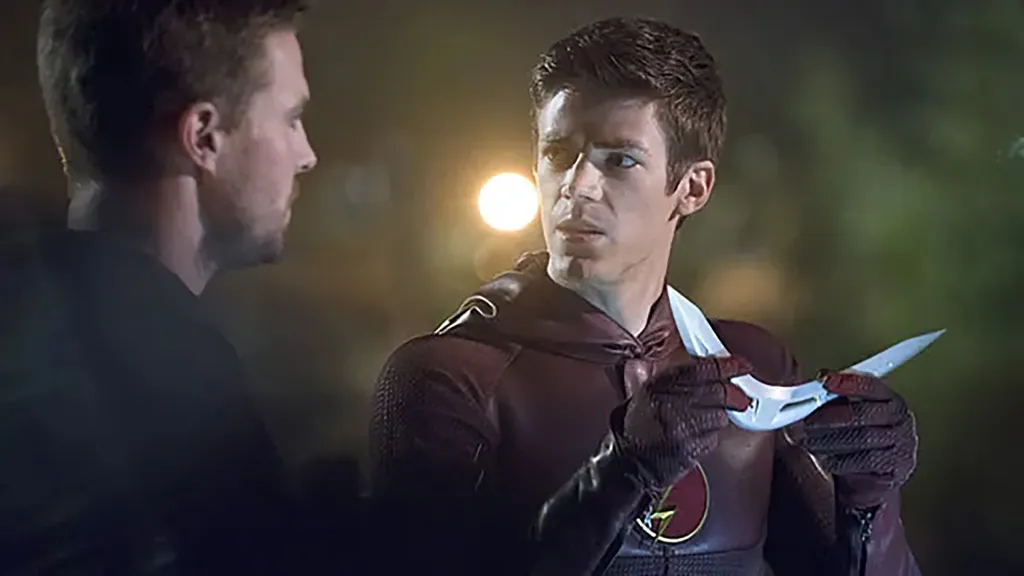
“Flash vs. Arrow” was a gamechanger for the fledgling Arrowverse. The crossover didn’t establish the idea that the two shows existed within the same universe; that’s something fans knew from the start as Barry Allen (Grant Gustin) was actually introduced in season two of Arrow which led to the character getting his own series. The two-episode backdoor pilot from Arrow’s second season, “The Scientist” and “Three Ghosts”, established that Barry and Oliver had worked together so there wasn’t a pressing need to use the crossover to establish a connection. What the crossover did do, however, was showed that even with the two shows having very different tones — Arrow was much darker than The Flash — and having very different storylines as part of their main series, meaningful shared stories could be told in ways that served both series and both heroes.
This also meant that there were larger stories that the Arrowverse could tell because they now had more area and opportunity to do so. Even in comics, some foes and threats are larger than any one hero. They need others to be a part of the story. While that’s something that can be done on the page with some ease thanks to comics usually having an established history of team ups, it’s less simple on the screen. “Flash vs. Arrow” showed that it was not only possible to do but do it well. The crossover was a ratings and critical success, earing praise not only for its story but for how both parts remained true to the individual heroes and shows while simultaneously creating something new. It’s success that The CW would go on to replicate numerous times with other crossovers as the universe expanded. In fact, the second Arrowverse crossover the following year, “Heroes Join Forces”, was another The Flash/Arrow event, but featured characters that would go on to be part of DC’s Legends of Tomorrow as that spinoff series was in development at the time and the crossover ended up serving as something of a backdoor pilot for the series.
Eventually, the “Arrowverse Crossover” would become something that fans eagerly looked forward to each season and, each season, they grew more and more ambitious. The third, “Invasion!”, included DC’s Legends of Tomorrow and Supergirl and took inspiration from the 1989 comics miniseries of the same name and ended up breaking viewership records. The fourth, “Crisis on Earth-X” incorporated elements from an animated web series, Freedom Fighters: The Ray. The fifth crossover, “Elseworlds”, got even more ambitious, bringing in Batwoman as well as saw Elizabeth Tulloch’s Lois Lane and set up for what ended up being the biggest crossover of them all, “Crisis on Infinite Earths”. That crossover remains one of the most ambitious adaptations in live action. There was nothing like it before — and there might not ever be anything lie it again. And it all started, thanks to “Flash vs. Arrow” eleven years ago today.
What do you think? Leave a comment below and join the conversation now in the ComicBook Forum!


![Lanterns Season Finale Is a Muted Conclusion, But With Satisfying Storytelling [REVIEW]](https://comicbook.com/wp-content/uploads/sites/4/2026/10/Lanterns-finale-review.jpg?w=300)