
Few entertainment franchises have survived their own creative inconsistency as reliably as Transformers. Since Hasbro’s toy line launched in 1984, the property has grown into a global brand spanning animation, comics, and live-action film, all while producing work of wildly uneven quality. For instance, Michael Bay’s five-film run earned billions but ultimately ended in audience fatigue, consistently getting lower critical scores that underlined the director’s preference for style over substance. The animated Transformers One took a different direction, earning strong reviews and the highest Rotten Tomatoes score in franchise history, yet still underperformed at the box office. On television, the animated catalogue has followed the same pattern, cycling through entries that range from forgettable to genuinely exceptional. However, a specific series from the late 1990s managed to be critically acclaimed and a massive commercial success, standing as arguably the best entry in the TV side of the franchise.
Videos by ComicBook.com
On September 16, 1996, Beast Wars: Transformers premiered on American syndicated television. Produced by Mainframe Entertainment and Hasbro, the series was set hundreds of years after the conclusion of the Great War between Autobots and Decepticons that unfolded in the main continuity. The leader of the Autobots’ descendants, the Maximals, Optimus Primal (voiced by Gary Chalk), carried his predecessor’s moral legacy in both name and character. Meanwhile, the Predacon commander Megatron (voiced by David Kaye) adopted a title that underlined he inherited the Decepticons’ philosophy. Across 52 episodes and three seasons, Beast Wars: Transformers constructed a dense narrative that intersected directly with Generation 1 continuity in ways that escalated with each passing season. The two-part finale, “Nemesis,” aired its concluding episode on May 7, 1999, and closed one of the best story arcs the franchise has ever delivered.
What Makes Beast Wars a Transformers Classic Worth Revisiting?
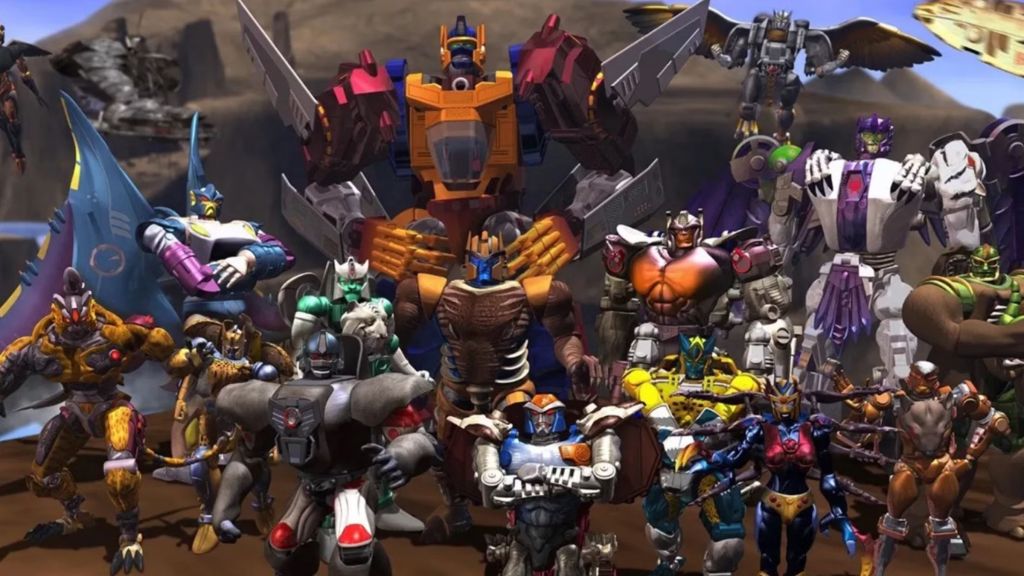
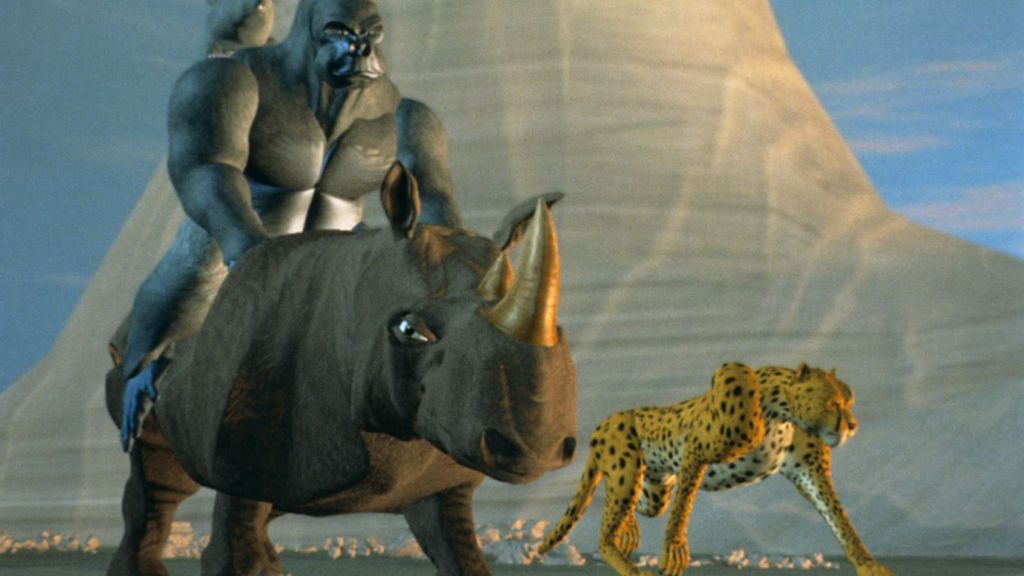
As one of the earliest fully computer-generated television series ever produced, Beast Wars: Transformers operated under severe rendering constraints, particularly in its first season. Since the visuals couldn’t be as sharp and crispy as the creative team would like, the focus fell into the storytelling. Story editors Bob Forward and Larry DiTillio built the series around a serialized model without precedent in Transformers television, with character arcs developed across full seasons, deaths carrying permanent narrative weight, and the overarching story building toward a finale that paid off threads planted more than 50 episodes earlier.
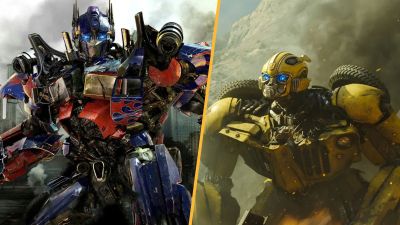
The canonical significance of Beast Wars: Transformers further separates it from every subsequent Transformers series. The show positioned itself officially as the future of the Generation 1 universe, granting the writers access to the full G1 mythology while allowing them to select which elements to incorporate at which moment. For instance, by Season 2, Megatron had moved against the Ark, the original Autobot vessel buried beneath prehistoric Earth in the 1984 cartoon, making the outcome of the Beast Wars directly consequential for the entire franchise. Then, in Season 3, Optimus Prime (voiced by Peter Cullen) becomes the subject of Megatron’s most dangerous gambit when the Predacon commander extracts the original Autobot leader’s spark in an attempt to rewrite history.
That connective tissue is exactly what the Transformers franchise lacks beyond the comics, as the live-action movies often contradict themselves and create massive plot holes with each new installment. A modern production with the budget to render the setting of Beast Wars: Transformers at scale, a writing staff committed to long-form storytelling, and the freedom to treat Generation 1 mythology as a narrative framework rather than a licensing checklist would have every structural advantage a new Transformers series needs.
The Maximals and Predacons have since appeared in Transformers: War for Cybertron — Kingdom on Netflix and as supporting figures in Transformers: Rise of the Beasts, but neither production did justice to the Beast Wars: Transformers legacy. The franchise’s near-term focus sits on live-action projects still in early stages, including one from Michael Bay and another from the director of Transformers One, Josh Cooley. In addition to that movie output, the time is perfect to give Beast Wars: Transformers and invite a new generation to explore the best corner of the franchise.
Would you watch a remake of Beast Wars: Transformers? Leave a comment below and join the conversation now in the ComicBook Forum!
