Over the course of its nine-season run, Seinfeld made a name for itself bucking many of the typical sitcom tropes, so it isn’t surprising that it put its own spin on the concept of the holiday special. Instead of crafting a poignant episode where George Costanza learns the true meaning of Christmas or Jerry and his family bond over Hanukkah, the Seinfeld team used the holiday season to further illustrate George’s deranged upbringing by introducing viewers to Festivus, a non-commercial alternative to Christmas created by George’s father, Frank Costanza. Festivus is a key part of the Season 9 episode “The Strike,” which originally aired back on December 18, 1997.
Videos by ComicBook.com
When hearing Frank excitedly explain Festivus to a curious Kramer, it sounds like such a wild idea that one would be forgiven for believing it was something made up specifically for a sitcom. However, like some of the best Seinfeld episodes, “The Strike” is rooted in truth. Festivus is, in fact, a real-life holiday. It came from the mind of Daniel O’Keefe, father of Seinfeld writer Dan O’Keefe, to celebrate the anniversary of his first date with his wife. Initially, the younger O’Keefe was hesitant to build an episode around it (blocking Festivus out of his mind like a traumatic childhood memory), but he was encouraged by other members of the crew to go ahead with it.
Seinfeld Put Its Own Spin on Festivus
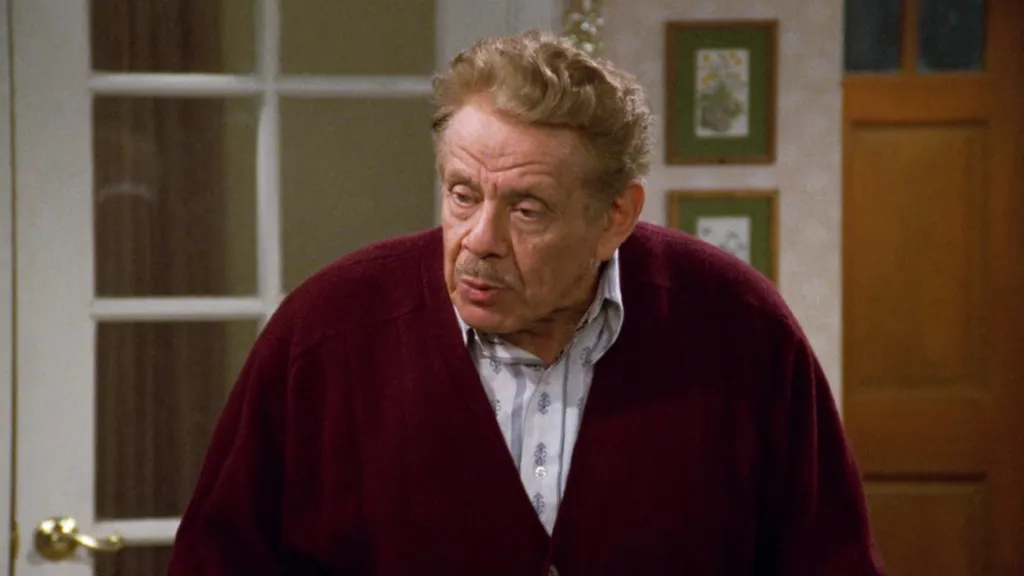
The Festivus Seinfeld fans see on “The Strike” is not a 1:1 recreation of the holiday festivities that took place in the O’Keefe household. Like any screen adaptation, there were some changes and embellishments to better fit the medium of television. Perhaps the biggest alteration is the presence of the Costanzas’ metal pole, which takes the place of a traditional Christmas tree. The O’Keefes never had a pole, but Daniel would nail a clock in a bag to the wall. Another key difference is that on Seinfeld, Festivus has a set date of December 23rd (coinciding with the Christmas season). Dan O’Keefe described Festivus as a “floating holiday” that took place whenever his father felt like having it.
A couple of O’Keefe traditions were incorporated into Seinfeld, however. They performed their own version of the “Feats of Strength” by having the children participate in wrestling matches with each other. The “Airing of Grievances” originated from Daniel’s practice of hiding a tape recorder and tricking family members into complaining about one another. These tapes were later played for all to hear.
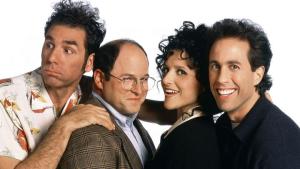
Given Seinfeld‘s overwhelming popularity, Festivus quickly transformed from a family quirk to part of the pop culture zeitgeist. Today, Seinfeld fans all around the world take the time to celebrate Festivus themselves, making it part of their annual holiday traditions. Festivus became so famous that Ben & Jerry’s produced a special ice cream flavor based on it, and Festivus was the subject of some great gags on The Simpsons. Seinfeld was responsible for adding a lot of new terms and phrases to the pop culture lexicon, and Festivus has to be one of the most prevalent.
It undoubtedly was a little strange for the elder O’Keefe to see his bizarre creation become a cultural phenomenon, but Seinfeld fans can rest assured that he grew to appreciate what happened. On a special inside look at “The Strike” included on the Seinfeld Season 9 DVD box set, Dan O’Keefe recalled his father’s reaction to the episode. Initially, his dad was “weirded out” by the whole thing, but then his attitude shifted to “Yes! Vindication!” because he took it as a sign that “his message was getting out.” His message does indeed get out every December 23rd thanks to his son’s work on Seinfeld.
What do you think? Leave a comment below and join the conversation now in the ComicBook Forum!
Most Viewed
-

Image Courtesy of Studio Pierrot -

Image Courtesy of Madhouse -
Image Courtesy of Netflix