Star Trek has a long and celebrated history, but it’s somewhat funny to find the modern generation of fans still missing out on one of the franchise’s biggest gems: Deep Space Nine. 32 Years ago, around this time (January 3, 1993), Star Trek: Deep Space Nine first premiered, and would go on to last for 7 seasons (176 episodes), from 1993 – 1999.
Videos by ComicBook.com
Over three decades later, Deep Space Nine is one of the most acclaimed series in the Star Trek franchise, with a critics’ score of 91% on Rotten Tomatoes and an audience score of 89%. But more than the acclaim that Deep Space Nine brought to Star Trek, the series also broke so many of the so-called “rules” of the franchise up to that point, in the best possible way.
Deep Space Nine Achieved So many Milestone Firsts For Star Trek
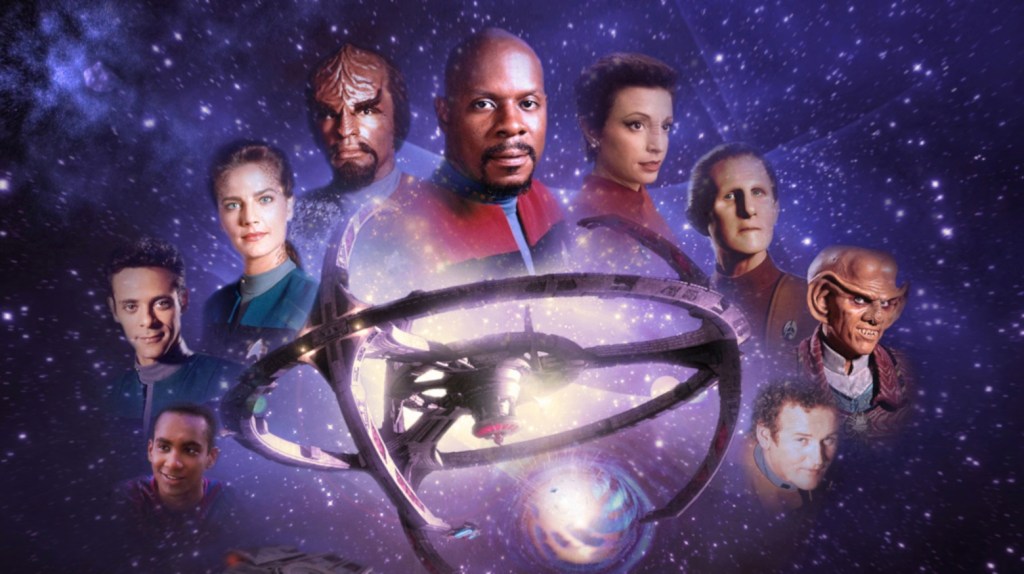
Star Trek: Deep Space Nine was a show that broke the mold of Star Trek (up to that point). The series was the first show in the franchise to take the primary setting off of a Federation starship and relocate it to a space station, opening a new lane of storytelling in the Star Trek universe via the crossroads of different species and organizations that passed through that junction. It allowed Star Trek to focus on some of the deeper subtext about race and culture and politics that have always run through the series, just not as prominently as in DS9.
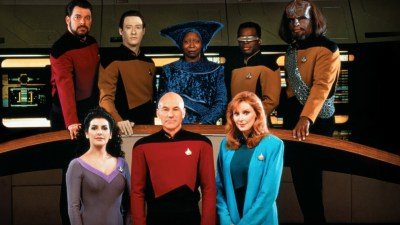
Deep Space Nine was also the first Star Trek series to air concurrently with another show (Star Trek: The Next Generation). The two series would have several crossover episodes and characters, including Jean-Luc Picard (Patrick Stewart) appearing in the pilot and later episodes, while TNG characters Chief Miles O’Brien (Colm Meaney) and Lt. Worf (Michael Dorn) both crossed over from that series to become regulars on DS9. In the 1990s, before the franchise universes like the Marvel Cinematic Universe, Star Trek was achieving a level of shared universe synergy that thrilled fans. By the time TNG ended in 1994, DS9 was firmly established and beloved enough to take the reins in one of the smoothest transitions Star Trek has ever pulled off between shows.
The head of the Deep Space Nine station, Captain Benjamin Sisko (Avery Brooks), was also the first black captain and series lead in Star Trek. While it was obviously a conspicuous change in aesthetic, actor Avery Brooks ultimately carved out his legacy through the masterful theatrical gravitas he brought to Ben Sisko a captain who was pushed to the brink of Starfleet’s ideals like few others in the series: as highlighted in the classic episode “In the Pale Moonlight“, which is considered one of Star Trek’s greatest episodic stories and performances.
DS9 Started A Whole New (Risky) Era of Star Trek
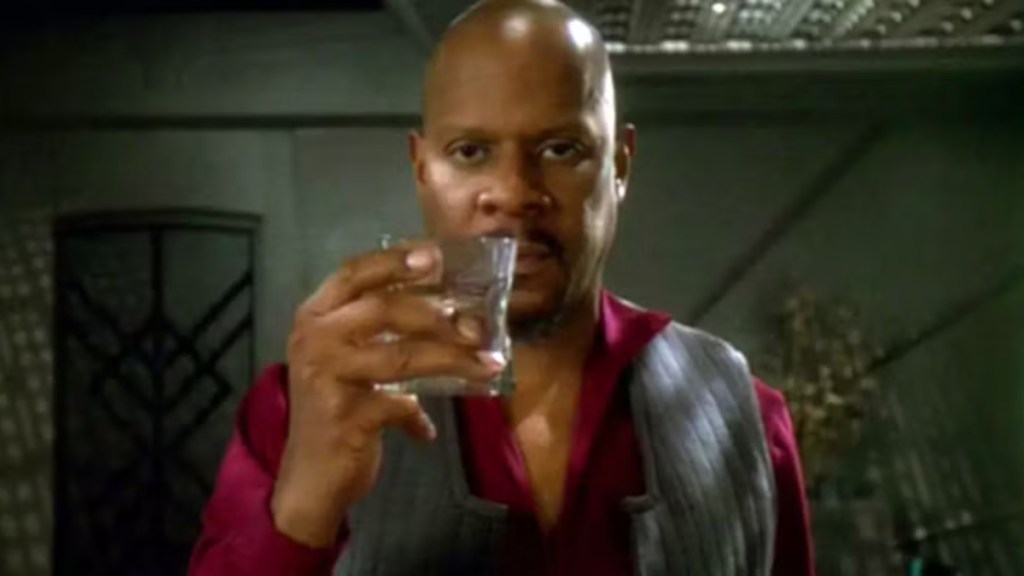
That was crucial for the franchise: Deep Space Nine was the first Star Trek series to air that wasn’t created by Gene Roddenberry; instead, Rick Berman and Michael Piller served as creators, with Piller acting as showrunner for three seasons, and Ira Steven Behr taking over showrunning duties for the final four. Many fans were skeptical that the quality and essence of The Original Series and The Next Generation would carry over – but within a few seasons, Deep Space Nine had calmed all those worries. It’s a big testament to Deep Space Nine’s quality that Paramount tapped the creators (and Star Trek: TNG veteran Jeri Ryan) to develop the next series, Star Trek: Voyager.
Meanwhile, story arcs like “The Dominion War” demonstrated the strength and boldness of DS9‘s creative team to take big swings with the larger Star Trek lore, on a mature level. Those bigger serialized storylines didn’t stop the series from delivering great standalone episodes as well, balanced between one of best (if not underrated) ensemble casts that Star Trek has put together.
Star Trek: Deep Space Nine can be streamed on Paramount+. Let us know about your favorite episodes over on the ComicBook Forum!
More TV Shows
-
Courtesy of Adult Swim