The Doctor Who fandom has had a rough week. On Wednesday, the BBC made the announcement nobody had wanted to hear: this year’s Doctor Who Christmas Special has officially been cancelled. The Doctor Who partnership between the BBC and Bad Wolf Studios is over, too, with showrunner Russell T. Davies ending his second run on a cliffhanger ending that felt rather more like a gimmick. The news was all the more shocking given Davies had previously made an upbeat statement promising this press release, and his social media post about the matter seemed almost boisterous.
Videos by ComicBook.com
Looking forward, Doctor Who now faced something it had never confronted before: the BBC was putting the world’s longest-running sci-fi TV show up for competitive tender. Like most of the Doctor Who fandom, I was shaken. Doctor Who was quietly cancelled back in 1989, with the BBC losing faith in the show and never officially declaring it “dead,” and this competitive tender felt disturbingly reminiscent. It’s taken two days for cooler heads like WilliamWho to join the dots and figure out what’s really going on.

The BBC Is Required to Put Doctor Who Out For Competitive Tender
The BBC is a public service broadcaster bound by a Royal Charter setting out its mission, operations, and strategic vision. The last Charter negotiations took place in 2016, and they established a duty for the BBC to open itself up for competition through competitive tenders; basically an invitation for production companies to pitch for the opportunity to make an existing series in a sort of “work for hire” contract. According to this Charter, 100% of relevant television content – including Doctor Who – should be open for competition by the end of 2027. As Davies himself explained in an interview with Gaydio, that includes everything from Casualty to the weather.
The BBC already tenders well over 70% of its shows, but flagships like Doctor Who, Strictly Come Dancing, and EastEnders have been held back – until now. Doctor Who is the first proper BBC flagship show to go through this process, but that’s probably because of timing; after all, if the BBC entered into a new co-production partnership for Doctor Who, it could only run until the end of 2027 at the latest. Then, the BBC would have to put Doctor Who up for tender. Given this context, the BBC clearly couldn’t work with any partners on a relaunch that would only last a single year.
BBC bosses have consistently stressed their commitment to Doctor Who. Back in February, the BBC’s Director of Drama Lindsay Salt openly described it as “one of the BBC’s most treasured brands,” and the BBC’s new Director General, Matt Brittin, is known industry-wide as a Doctor Who superfan. I admit that, like the rest of the fandom, the competitive tendering process spooked me; now, as I’ve dug into the Charter, I’ve begun to realize this does not mean the BBC has lost confidence in Doctor Who. Rather, the show is simply going through the process it was always going to need.
What Can We Expect From the BBC’s Competitive Tendering?
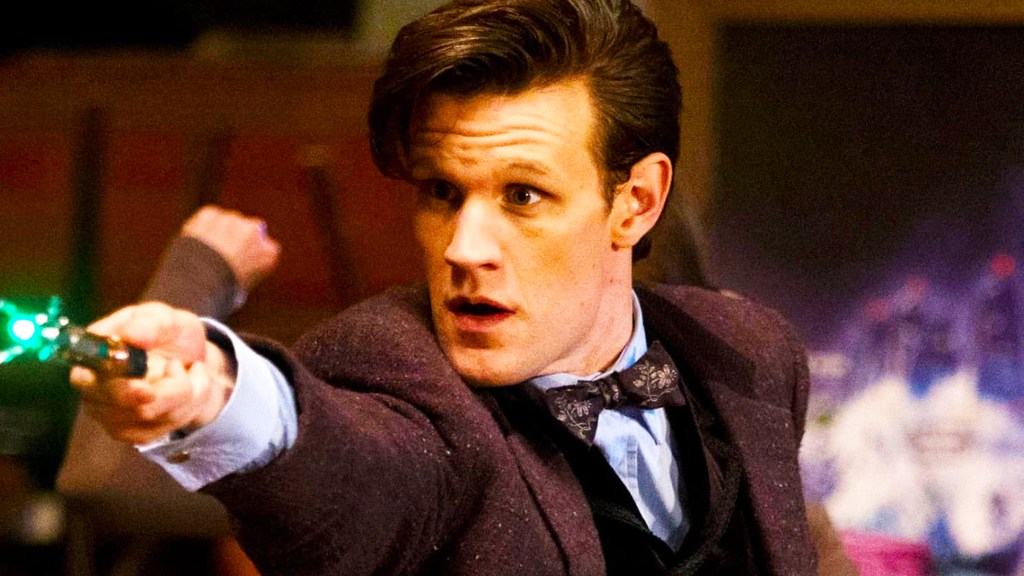
The BBC has not given up on Doctor Who. But will other production partners step up? This is a legitimate concern, given the BBC’s Disney+ partnership failed because of Doctor Who‘s low viewership and high costs. Deadline spoke to “four respected UK drama producers,” and they were apparently wary; “You would have to be mad,” one top producer apparently said. “[It’s a] bit of a nightmare for any producer in this market with the shadow of the Disney fallout.”
“It’s hard to see another major U.S. studio replacing Disney,” the same producer said. “So the budget would be hard to get above £3M ($4M) [per episode] without significant co-pro or insane investment from the distribution arm [BBC Studios], which they will struggle to recoup on sales.” That said, even Deadline note that others are more positive; “One person said Doctor Who is both an intriguing prospect and a potential resource sink. Doctor Who is a global brand that could burnish the resumé of a producer and potentially open other doors. And whatever happens, BBC Studios will remain in the saddle, handling distribution, licensing, consumer products, digital, and immersive experiences.”
Davies himself points to one important factor that hasn’t really been discussed: that the tender process is more likely to generate bids for multiple seasons. As he notes, it wouldn’t make financial sense for any production company to bid for just a single season. Thus, in his view, Doctor Who‘s long-term future will be much more secure once the tendering process has been completed.
This will certainly be a tense time for an already-stressed fandom. But it’s important to stress that this is not a cancellation; rather, it is simply the process Doctor Who now has to go through, according to the BBC’s Royal Charter. What’s more, after several hours reviewing the BBC’s previous tenders, I am yet to find a single one where it did not conclude positively. All in all, given the BBC’s stressed commitment to Doctor Who, there probably isn’t any real need to panic just yet.
Why Has the BBC Cancelled the Christmas Special?
Doctor Who Season 15 ended with a surreal cliffhanger, with a regeneration apparently bringing back former companion Billie Piper – either as the Doctor, or some sort of cosmic avatar. In truth, this was always something of a gimmick; a desperate attempt to grab attention in the hopes Disney would choose to renew their partnership with the BBC. It failed, not least because it was utterly transparent. Since then, Davies has made contradictory statements about whether he’d even written a script for the Special in the first place; he often exaggerates to try to put a positive spin on things, so it’s impossible to say.
According to the BBC, the Christmas Special was cancelled for a simple reason: ” in order to set the show up for future series, it was decided that rather than bridge the gap with a one off special, we are choosing to push forward to invest in the long-term future of the show.” The Christmas Special put a time pressure on the tendering process, because Doctor Who‘s entire future direction needed to have been decided by the time filming had begun – if only to ensure it wasn’t a bridge to nowhere. Yes, it’s frustrating, but I can fully see why the Christmas Special was cancelled.
In truth, the Doctor Who Christmas Special probably wasn’t a great idea. It followed the same approach as the so-called “RTD2” era, focusing on a quick, nostalgic gimmick – and that strategy had already failed to bring in viewers. Unfortunately, this leaves a frustrating problem for the next production team; they have to decide whether to address it, or simply move on and trust Doctor Who‘s expanded universe to deal with it in another medium. Personally, I think the latter would probably be for the best, abandoning the gimmick in favor of a new direction.
What do you think is next for Doctor Who‘s future? Leave a comment below and join the conversation now in the ComicBook Forum!
More TV Shows
-

Image courtesy of Nickelodeon -

IMAGE COURTESY OF WARNER BROS.