
The world’s longest-running sci-fi TV show, Doctor Who has had a rough decade. Regeneration is arguably Doctor Who‘s “secret source,” the reason it’s been running since 1963 (albeit with a hiatus between 1989 and 2005). Regeneration gives the show a chance to mix things up, to reinvent itself in the most radical ways. For modern Who, regeneration has often been accompanied by a switch in showrunners, meaning the whole creative vision changes.
Videos by ComicBook.com
Steven Moffat’s tenure as showrunner ended in December 2017, and the decade since has been a rough one. Now, after the collapse of a revolutionary deal between Disney and the BBC, Doctor Who‘s future seems to be in question; this year’s Doctor Who Christmas Special has reportedly been delayed, and those rumors haven’t exactly calmed a worried fanbase. But what’s gone wrong, and how can Doctor Who possibly be fixed?
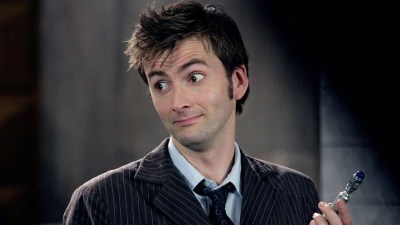
Doctor Who Has Lacked a Creative Vision for Almost Ten Years
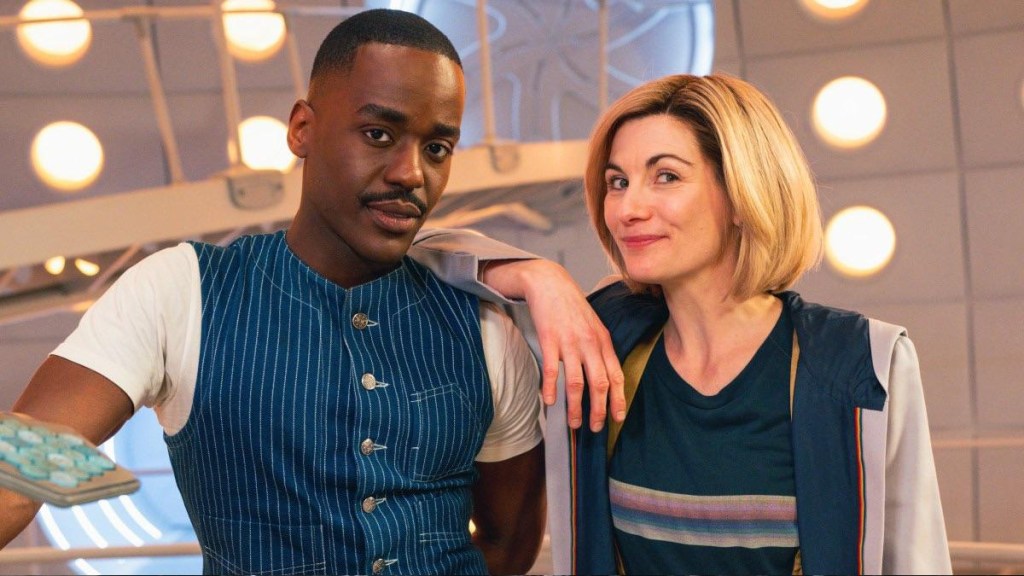
Doctor Who has traditionally been mocked for operating on a shoestring budget (in one classic story, an entire Dalek army consists of a couple of wind-up Daleks filmed against a backdrop of mirrors).The last two showrunners, Chris Chibnall and the returning Russell T. Davies, have been eager to change that. Chibnall wanted to make a show that felt like prime-time TV, while Davies embraced the challenge of competing in the Disney+ era by getting Disney money. It meant that, visually, these last few seasons of Doctor Who have frequently been among the most beautiful in the franchise’s history.
Ironically, though, that’s not been enough. There have been some wonderful individual episodes – think “Rosa” and “Wild Blue Yonder” – but the runs as a whole have been inconsistent, lacking narrative and thematic cohesion. The mission was simply to make prime-time, big-budget Doctor Who, without stopping to ask what Doctor Who should really be. Individual stories and character arcs were so disjointed that some viewers proposed alternate viewing orders for Doctor Who Season 15. Stories didn’t really “say” anything about the Doctor and their companions, or else contradicted what had been said an episode ago.
Tying in to this, the Chibnall and so-called “RTD2” eras focused in on deep lore. Chibnall’s run will forever be associated with the controversial “Timeless Child” reveal, which rewrote the Doctor’s history and revealed the Doctor isn’t a Time Lord at all. The problem, though, is that the same episode featured a scene in which Jodie Whittaker’s Thirteenth Doctor realized she’d never been defined by her past anyway. In other words, the change was literally designed to have minimal character impact; it was all about lore, building on a forgotten plot from 1976’s “The Brain of Morbius.”
The RTD2 run doubled down on this approach, with entire arcs and character reveals that made absolutely no sense if you weren’t familiar with the 1973 story “The Three Doctors” or “The Pyramids of Mars” from 1975. In an unfortunate coincidence of timing, Davies’ lore-focused approach coincided with what Christopher Nolan has called the dawn of a “post-franchise” era. Continuity is no longer a draw; audiences are won over by concept and character. Those two things have frequently been lacking over the last decade of Doctor Who.
Can Doctor Who Be Saved?
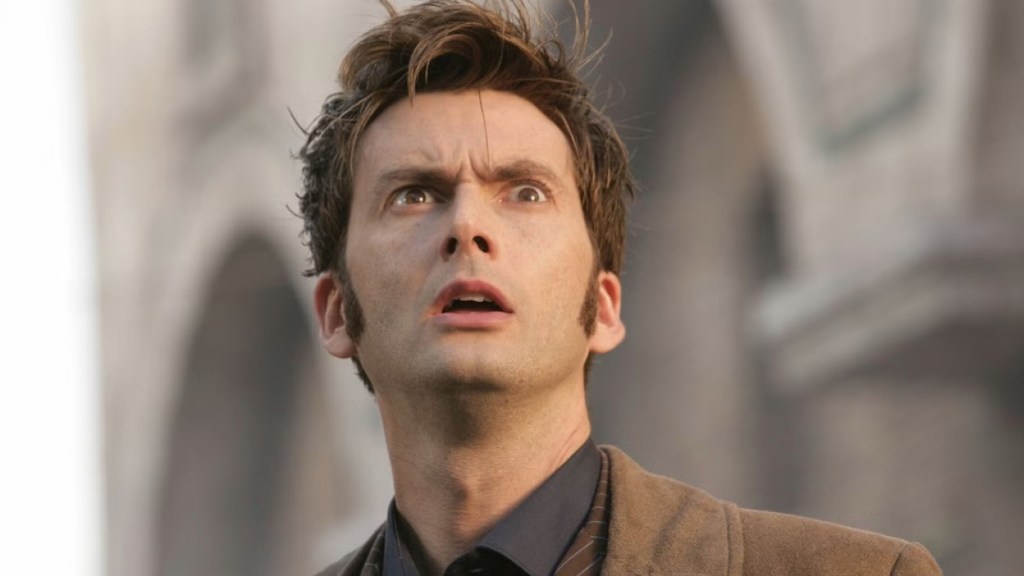
BBC execs have routinely committed to Doctor Who‘s future. Back in February, the BBC’s Director of Drama Lindsay Salt insisted the show is “one of the BBC’s most treasured brands,” but quickly moved on to discussing funding. “There are different ways of setting up a show,” she explained. “We just need to make sure we do it in the right way and make sure we take the right time to do it.” Right now, the focus appears to be on figuring out the funding model, so it makes sense that this is taking time.
But once this has been decided, Doctor Who needs more than a funding model. The challenge is not just to acquire sufficient funding and then make the show; rather, it is to establish a clear creative vision that drives the next era forward. It’s not enough to make eight or ten disjointed, standalone episodes where you could easily switch the current Doctor for another; it’s not enough to have Doctor Who companions with regional accents who lack depth. Whoever the next showrunner may be, they need to be approaching the series with a strong sense of what they want their era to be about in practical and narrative terms.
At its best, Doctor Who can be pretty much anything. The Doctor and their companions can leap from historical adventures to hard sci-fi, from musical episodes to horror. When you look back over the last near-decade, there are so many good ideas; they were just never capitalized upon (to be fair, sometimes for good reason; Doctor Who: Flux was a great concept that suffered because of COVID). If Doctor Who is to flourish, it needs a showrunner with the vision to tell a story that weaves across time and space, working with their teams to create fleshed-out, well-rounded companions whose adventures couldn’t switch place.
We don’t know whether Doctor Who has been postponed to next year. What we can say for certain, though, is that the world’s longest-running sci-fi TV show still has the potential to regenerate itself for the 2020s. If it takes time for the BBC to figure it out, then that will be time worth spent; because after almost a decade struggling, Doctor Who needs to be bold again.
What do you think? Leave a comment below and join the conversation now in the ComicBook Forum!
