The original Star Trek TV series may have won over millions of fans with its weekly science fiction adventures, but its vision of a better future for humanity is what has truly cemented its legacy over the past half-century. Embodying creator Gene Roddenberry’s own wish to advance society away from prejudice and towards Star Trek‘s idea of equality, some of the show’s boldest, bravest, or most boundary-pushing stories also turned out to be the greatest Trek episodes of all time.
Videos by ComicBook.com
Despite the legacy and reputation of the TV show’s bold steps forward (or its own fair share of poorly-aged tropes), actually getting a shocking, controversial, or divisive storyline to broadcast was no easy task. Roddenberry and the writers could pitch ideas guaranteed to send America into an uproar, but more cautious minds often prevailed. Which is why Captain Kirk’s encounter with an immortal ‘Man from Earth’ played out very differently than the controversial version that was originally pitched.
Captain Kirk Was Originally Going To Meet Jesus in The Original Star Trek

The shocking scene in what would have been Star Trek history was conceived for the third season, as writer Jerome Bixby delivered his first draft for the episode titled “Requiem for Methuselah.” When Kirk and Spock head to a barren planet in search of ingredients needed to cure the Rigelian Fever plaguing Enterprise’s crew, they uncover a world-shattering secret. Not only is the planet not empty, but it is inhabited by a lone, mysterious human.
Claiming his name is “Flint,” the episode’s drama eventually reveals the man is not only from Earth, but he is an immortal being who has lived since nearly 4,000 BC. And as Kirk soon learns, this immortal man not only lived as iconic artists and thinkers like Socrates and Rembrandt, but Biblical figures like Moses and Jesus. And William Shatner’s hero wasn’t the only one caught off-guard by the revelation.

As detailed in “These Are The Voyages: TOS Season 3” by Marc Cushman and Susan Osborn, the Biblical element caught the attention of Joan Pearce of de Forest Research upon review of the first draft. The suggestion elsewhere that Flint had lived as Pablo Picasso was highlighted as a potential legal problem (considering the artist was still alive at the time), but Pearce also warned that the rewriting of such key Old and New Testament figures could draw “repercussions” from viewers.
Upon reviewing Kirk’s line of dialogue to Flint, inferring that “Galileo… Moses… Socrates… Jesus… You have been such men?” Pearce warned: “Juxtaposition of Jesus and ‘you have been such men’ may be misunderstood and bring repercussions from those with orthodox religious viewpoints. Suggest delete or rearrange sequence.” NBC Broadcast Standards went even further to demand it be “clarified or deleted,” and subsequent drafts removed the concept. But Bixby wasn’t finished with the idea, even if Star Trek couldn’t bring it to life.
The Deleted Star Trek Story Became Its Own 100% RT Movie
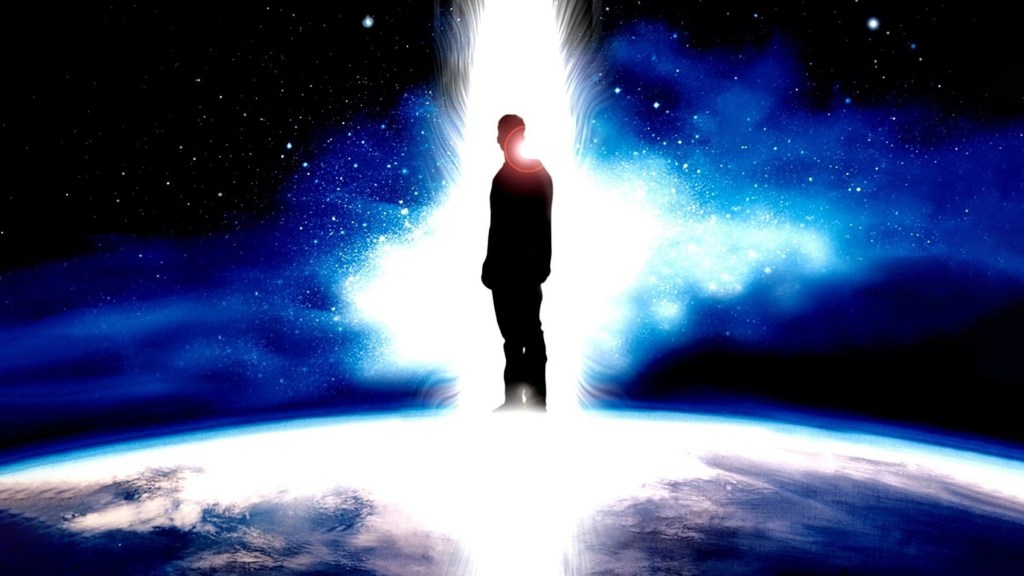
While the revised episode would air in 1969, the abandoned elements were never forgotten by Bixby, who would go on to develop an entirely standalone screenplay based on the same inspiration nearly 30 years later. Putting the idea of an immortal man living more than 14,000 years into our modern day, the screenplay would be Bixby’s last, ultimately dictating the work in his final days to his son, screenwriter Emerson Bixby.
The project would evolve into The Man From Earth (2007) from director Richard Schenkman, starring Star Trek: Voyager alum David Lee Smith as the titular protagonist. Bidding farewell to his fellow university professors, ‘John Oldman’ is pushed to tell them the truth: he is not only 14,000 years old, and not only the true identity of multiple historical figures, but the Biblical Jesus of Nazareth, as well. As one would expect, several lengthy (and emotional) conversations and interrogations of just what this means to art, philosophy, and religion follows.

The film’s small budget and marketing campaign helped it spread through word of mouth upon its release, attracting audiences based largely on its surprising premise. Still boasting a 100% Rotten Tomatoes score, it’s safe to say that Bixby’s kernel of an idea — given far more room to breathe and develop in its own film, not just one Star Trek episode — ended up delivering on its potential, and then some.
A sequel, The Man From Earth: Holocene released in 2017, recruiting yet another Trek icon in Michael Dorn (joining Smith, John Billingsley, and Tony Todd from the original film). So even if most viewers will be completely oblivious to this story being deemed ‘too controversial’ for the Star Trek universe, the cast alone is a clear reminder that the franchise’s boldest ideas are nearly impossible to contain.
What do you think? Leave a comment below and join the conversation now in the ComicBook Forum!
Most Viewed
-

Official art by Bastien Lecouffe-Deharme -

A photo of the Retrovolt Arcade taken in 2017, showing several classic arcade cabinets and stools. -
Image courtesy of Tor Books/Macmillan -

Courtesy of Saber Interactive