The stewardship of the Star Wars franchise remained under the direct oversight of George Lucas for over three decades, while he established a singular narrative voice that shaped the space opera genre. Following the landmark acquisition of Lucasfilm by Disney in 2012, the property entered a transformative era that sought to balance the creator’s foundational mythology with bold interpretations. This era has seen the successful completion of legacy-driven projects, such as the final season of Star Wars: The Clone Wars, alongside stylistic departures like the universally acclaimed Star Wars: Andor and the divisive sequel trilogy. However, the arrival of Star Wars: Maul – Shadow Lord marks a definitive turning point for the brand, as it prepares to bring the final narrative threads ever conceived by the original creator to the screen.
Videos by ComicBook.com
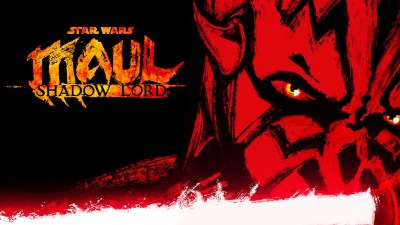
Scheduled to premiere on Disney+ in April, Maul – Shadow Lord is a 10-episode animated series that serves as a direct bridge between the chaotic conclusion of the Galactic Republic and the rise of the criminal underworld during the Imperial era. Set on the neon-drenched planet of Janix, the story follows the former Sith apprentice Maul (voiced by Sam Witwer) as he navigates a galaxy that has officially outgrown the Jedi-Sith dichotomy. By utilizing a noir-inspired aesthetic, the production seeks to fulfill a very specific vision of the Star Wars underworld that Lucas first explored in development notes decades ago. Consequently, the show represents the final realization of a narrative blueprint that existed long before the Disney transition.
George Lucas Imagine Darth Maul’s Next Story Decades Ago

For several years, the prevailing sentiment among the Star Wars community was that the conclusion of the animated series The Bad Batch represented the final vestige of the Lucas era. This perspective was largely shared by the creative talent involved in those productions, who viewed the story of the experimental clones as the last project to have direct DNA from the creator’s tenure at Lucasfilm.
Dee Bradley Baker, who voiced the central squad of clones, specifically noted the sense of finality surrounding that series during its production. He explained to ScreenRant, “That actually tracks back to the original idea that George Lucas came up with because this is sort of the end of George Lucas’ legacy, is the Bad Batch — he came up with that idea, and it was part of the original Clone Wars series that he made with Dave Filoni… The dynamic that he and the writers came up with was very clear… so that they feel so different, that it was actually easy for me — easier for me — than keeping the clones distinct because they all feel like such different people to me.”
However, the publication of The Star Wars Archives: 1999–2005 provided a different context for what Lucas’s true legacy conclusion will look like. In the book, Lucas revealed that his original vision for a sequel trilogy placed Maul in a central role as the “godfather of crime” in the universe. Instead of the resurrected Palpatine seen in Star Wars: The Rise of Skywalker, Lucas intended for the underworld to become the primary antagonist of the New Republic, with Maul uniting various syndicates to fill the vacuum left by the fallen Empire.
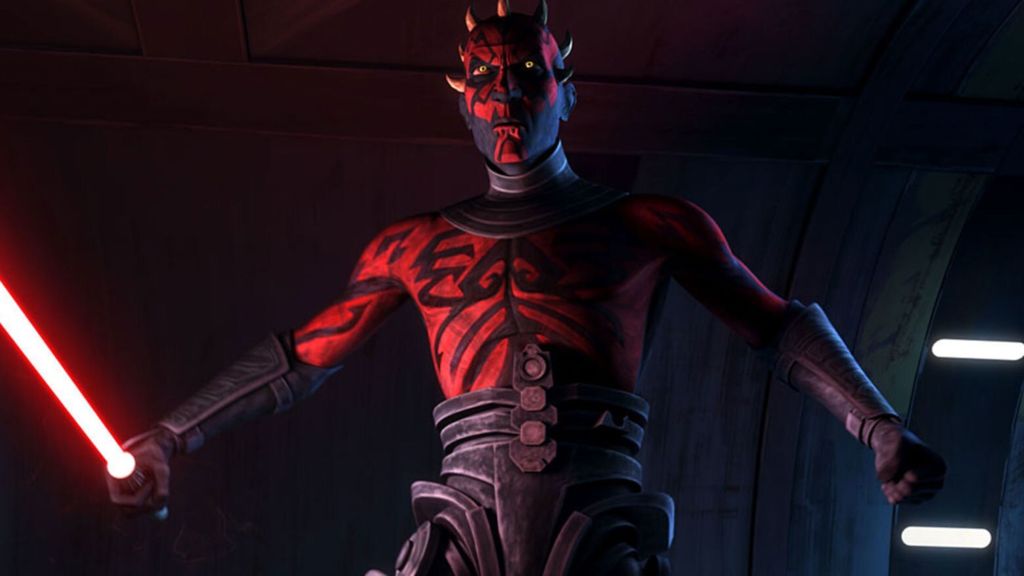
While the live-action Star Wars films moved in a different direction, the narrative seeds of Maul’s crime lord persona were planted during the later seasons of The Clone Wars, specifically through the formation of the Shadow Collective. During this arc, Maul utilized his Sith training to coerce the Pyke Syndicate, the Black Sun, and the Mandalorian Death Watch into a formidable alliance. His subsequent takeover of Mandalore was a calculated move to establish a sovereign base of operations for his growing empire.
Maul – Shadow Lord effectively harvests those seeds, utilizing the specific “godfather” concept to anchor its plot. By depicting Maul’s consolidation of power on Janix, the show serves as a retroactive fulfillment of Lucas’ long-dormant plans for the character’s evolution. This move ensures that the “Maul crime lord” arc is a canonized finale to the Star Wars creator’s conceptual influence.
Star Wars: Maul – Shadow Lord is scheduled to premiere on Disney+ on April 6, 2026, with two episodes releasing weekly.
Do you think that Maul – Shadow Lord will successfully honor the original sequel trilogy plans that George Lucas had for the character? Leave a comment below and join the conversation now in the ComicBook Forum!
More TV Shows
-
Marvel Studios – Disney+ -

Courtesy of Paramount+ -
Courtesy of Paramount -

Image Courtesy of Marvel