When Darth Maul is introduced in Star Wars: The Phantom Menace, he’s little more than just an instrument of destruction sent to do Darth Sidious’ bidding. With minimal screen time and barely any dialogue, Maul frankly doesn’t have much to do in the film other than take part in some lightsaber duels, which is why it was so disappointing to see him (seemingly) killed at the end of the movie. Fans felt the character had so much untapped potential, and it took years for George Lucas to realize the error of his ways and bring Maul back. In The Clone Wars, it’s revealed Maul survived the Battle of Naboo and he commences a new mission.
Videos by ComicBook.com
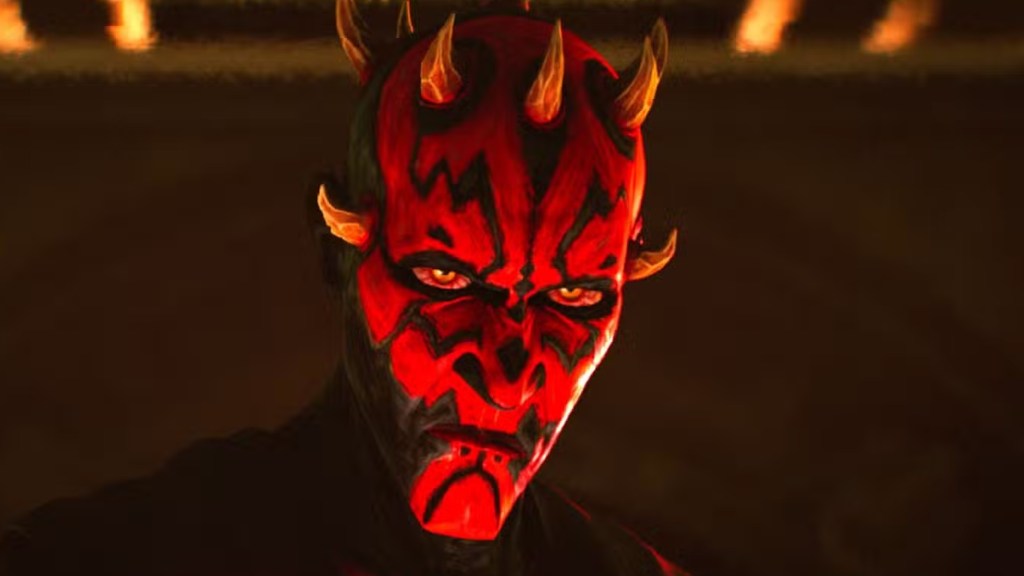
Post-return, Maul has been depicted as a key player in the galactic underworld, assembling a criminal empire. This is the main focus of the new animated series Star Wars: Maul – Shadow Lord, which depicts Maul’s attempt to rebuild his enterprise in the aftermath of the Clone War. Maul’s main mission is to destroy the Empire, a desire rooted in his hatred for his former master (who cast him aside). But now we have greater insight into what his true motives are, and it probably isn’t what fans were expecting.
Maul Has Surprisingly Noble Motives on Shadow Lord
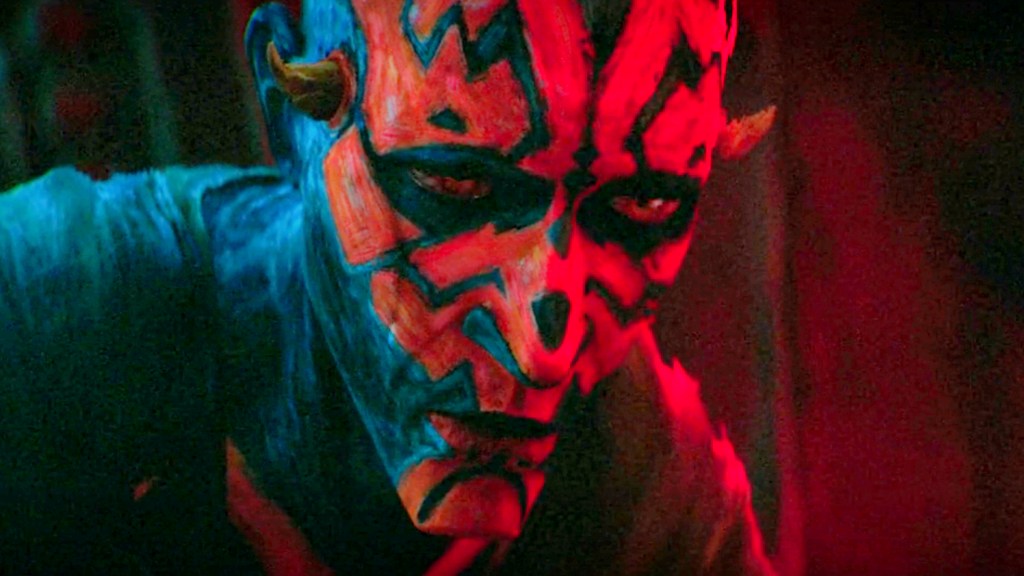
The eighth episode of Shadow Lord, “Chapter 8: The Creeping Fear,” is a definite highlight of the first season. It portrays Maul in a way we haven’t seen on screen before; as he attempts to reunite with members of the Shadow Collective, Maul has visions from key moments of his past, such as his rigorous, torturous training under Darth Sidious. At various points, he sees his younger self staring back at him in reflections in the water. These bits serve to deepen the tragedy of Darth Maul, highlighting how he was torn away from his home as a boy to be molded into a tool of death, broken by the galaxy’s most powerful Sith Lord.
Upon seeing his younger self, Maul says, “I won’t let him do this to anyone else.” “Him,” of course, refers to Darth Sidious. This one line completely changes the nature of Maul’s mission. He isn’t after Palpatine solely as a means of revenge. That’s certainly part of it, but he’s motivated more by a desire to ensure what happened to him doesn’t happen again. He’s taking the steps to spare someone from enduring the immense pain he suffered during his youth, which is an admirable goal. Fans may not necessarily agree with Maul’s methods (and he certainly isn’t a hero in the traditional sense), but they can get behind his objective.
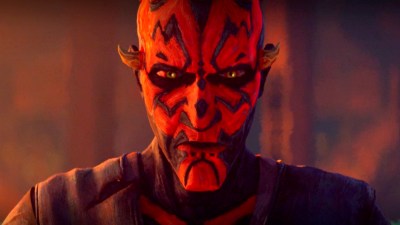
From a certain point of view, Maul’s mission has already failed. Palpatine, of course, has done this to someone else, twisting Anakin Skywalker into becoming Darth Vader. Maul was too late to save Anakin, but it doesn’t change the general sentiment of his quest. Maul’s feelings over being tossed aside and replaced by Palpatine are among the main things motivating him. That’s an integral part of his arc. Maul was trained under the belief that he would be at Sidious’ side, ruling the galaxy with him for years to come. Instead, he was abandoned. When Sidious thought his apprentice was dead he moved on and proceeded with someone else, and that feeling of being disposable is precisely what’s driving Maul.
With the Inquisitors playing such a key role on Maul – Shadow Lord, it’ll be interesting to see if Darth Vader himself is brought into the fold. Some fans believe Shadow Lord is laying the groundwork for an eventual Maul/Vader showdown, but nothing has been confirmed on that front yet. It would definitely make for a fascinating encounter; two of Palpatine’s prized pupils whose lives have become complete tragedies trading blows with each other. The more we learn about Maul, the more in common he has with Vader. He would likely have a compelling reaction to seeing what Vader is now — more machine than man — and perhaps even try to convince the Sith to join him.
Maul’s Shadow Lord Mission Makes His Death Even Better
Long before Shadow Lord was even a thought in anyone’s mind, Maul was part of one of the standout episodes of Star Wars Rebels. In Season 3’s “Twin Suns,” Maul heads to Tatooine to seek out Obi-Wan Kenobi and kill him in an act of hostile vengeance. Once again, Obi-Wan gets the better of his foe in combat, killing Maul for good this time. In his final breath, Maul asks Kenobi a question — one that Shadow Lord adds a great amount of depth to.
Realizing that Obi-Wan is on Tatooine to protect someone, Maul uses his last moments to ask if it is “the Chosen One.” Obi-Wan responds in the affirmative, which gives Maul some much-needed peace in his passing. Maul knows that the Chosen One is destined to destroy the Sith, which means eliminating Sidious. While Maul certainly would have cherished to have that opportunity himself, he can rest (somewhat) easy knowing that his mission will still be carried out years after he originally started his quest. Because of the Chosen One, what happened to him won’t happen to someone else.

Maul seemed relieved to know that the Chosen One was out there, waiting for his opportunity to defeat Sidious, so he always died with peace of mind. But at the time that episode of Rebels premiered, Maul was still positioned as more of a villainous figure. Outside of his role in The Phantom Menace, he was a secondary antagonist in The Clone Wars (even killing Satine), and in Rebels, he tries to sway Ezra Bridger to the dark side. It was clear Maul wanted to kill Palpatine, but we didn’t have the full picture back then. Shadow Lord takes advantage of its ability to flesh Maul out further by highlighting he had noble intentions.
It’s a continuation of one of the strongest aspects of The Clone Wars. Bringing Maul back wasn’t just a bit of fan service to get a cheap reaction. Lucas made it count by building the character into the captivating figure he always had the potential to be. What transpired on Clone Wars was more than enough to redeem one of the prequels’ biggest mistakes, but Lucasfilm Animation has taken the extra steps to transform Maul into something of an antihero. It’s interesting to see a character who was intentionally designed to resemble your worst nightmares develop to the point he’s actually looking after the wellbeing of others. Pursuit of power is still important to Maul, of course, but there’s an emotional component to his mission as well.
What do you think? Leave a comment below and join the conversation now in the ComicBook Forum!
More TV Shows
-
Image Courtesy of DC Comics