The zombie genre has been ruling TV for a long time, but just when it seems like it’s run out of steam, a show comes along to prove there’s still room to have fun — if it’s done right. In the middle of a sea of apocalyptic dramas filled with horror, trauma, and desperate survival, Netflix dropped a comedy about a suburban couple hiding bodies in their garage. It became one of the most refreshing and creative additions to the platform’s catalog, balancing gore and sarcasm with surprising ease. On top of that, it mixed all the chaos of the undead with everyday life. The concept was already strong, and the execution lived up to it: a hilarious, twisted, and unexpectedly heartfelt take on what it means to hold a family together. It’s a shame it got canceled.
Videos by ComicBook.com
Santa Clarita Diet had absurd humor, but what made it stand out was how it treated the surreal as totally normal. The story follows Sheila (Drew Barrymore) and Joel Hammond (Timothy Olyphant), two real estate agents living an ordinary life — until she dies and comes back craving human flesh. Literally. Instead of turning into another grim, post-apocalyptic survival story, the show flipped the script: Sheila still has to work, parent, and be a wife, even with her new “dietary” needs. Joel becomes her partner in crime, helping hide the evidence and trying to keep up appearances while their marriage turns into a literal mess. It’s the perfect embodiment of couple life when “fighting through the day” takes on a way bloodier meaning.
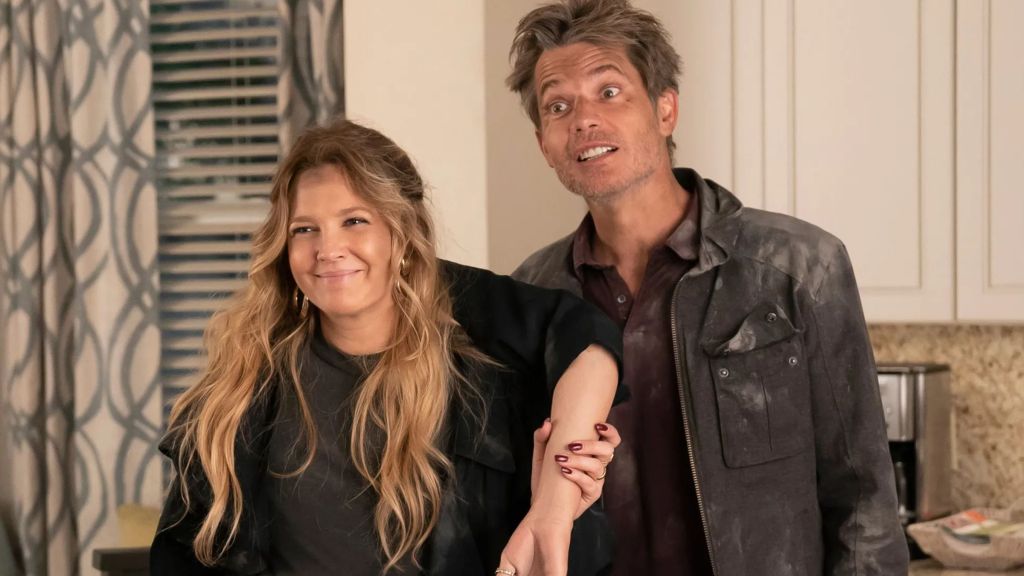
The humor worked because it blended the grotesque with the mundane. Barrymore and Olyphant are brilliant together — no matter how insane the situation, they make it genuinely fun to watch. Barrymore shines, playing Sheila with unmatched charisma, wit, and a wild sense of freedom. Olyphant, on the other hand, is chaos barely contained; the kind of husband who’s lost control of everything but still tries to act like he hasn’t. Together, they create such a believable and hilarious dynamic that you almost forget one of them is munching on human remains. In a way, Santa Clarita Diet felt like a rom-com, just with more blood and chainsaws. For a zombie story, that was the kind of twist the genre desperately needed.
Narratively, the series also pulled off something clever: it used horror to talk about change, repression, and identity. Before turning undead, Sheila is bored and bottled up. After her transformation, she feels more alive than ever. The gore and dismemberment are just background noise for a story about freedom and breaking social facades. Meanwhile, Joel represents the urge to control the uncontrollable; he’s the guy who watches his wife turn into a monster and still decides to stick it out. That balance between absurd and emotional gave the show real depth, something rare in horror-comedy.

On top of that, Santa Clarita Diet also stood out visually: the bright, clean California aesthetic clashed perfectly with the constant blood splatter. Everything looked sunny and perfect until someone lost a finger. That contrast made everything even funnier because the violence never felt grim; it was just part of the madness. The jokes landed fast, and the pacing was sharp. Nothing about the show felt designed to chase mainstream approval — it embraced its weirdness unapologetically. At first, it seemed made for a niche audience, but word of mouth quickly turned it into a hit. And then, suddenly, it was gone.
Why Was Santa Clarita Diet Canceled Exactly?
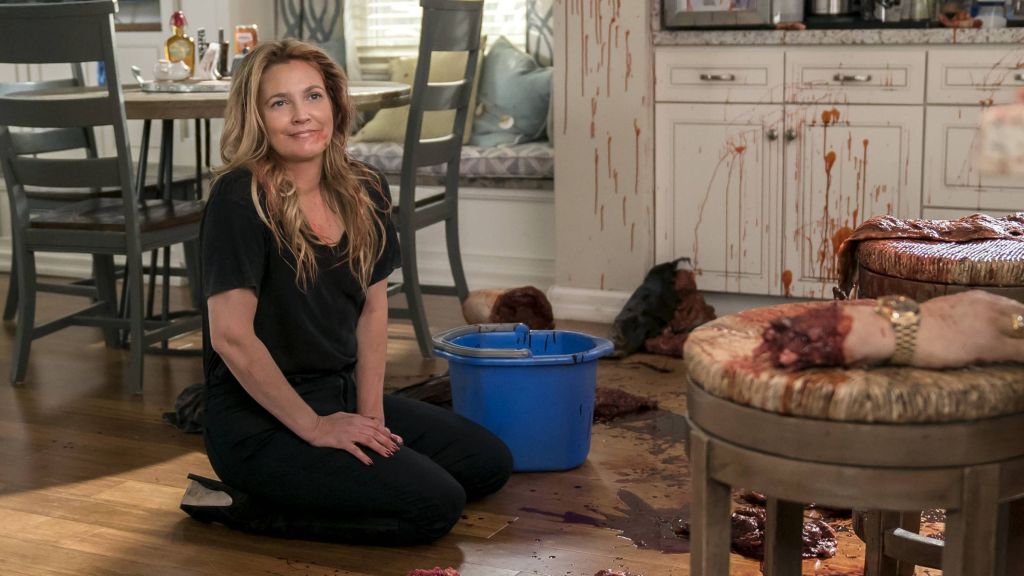
The series ran for three seasons, and with each one, it got better. Critics loved it, and the final season even scored a rare 100% on Rotten Tomatoes. However, just when it had found its rhythm, Netflix pulled the plug, cutting things off right at a cliffhanger that left fans furious. It’s a pattern the platform has become infamous for, and once again, the reasoning was frustratingly corporate. According to then–Head of Original Content Cindy Holland, Netflix’s renewal decisions depend on a mix of viewership, cost, and projected long-term returns — critical acclaim alone doesn’t always cut it.
Showrunner Victor Fresco later revealed another side of the story: Netflix’s contract model gives talent bonuses that increase with each season, which can make renewals expensive unless the show is a massive global hit (think Stranger Things). Add to that the costs of practical effects, makeup, and two big-name leads, and it became a pricey show that wasn’t delivering blockbuster numbers. In short, it was great, just not “profitable enough.”
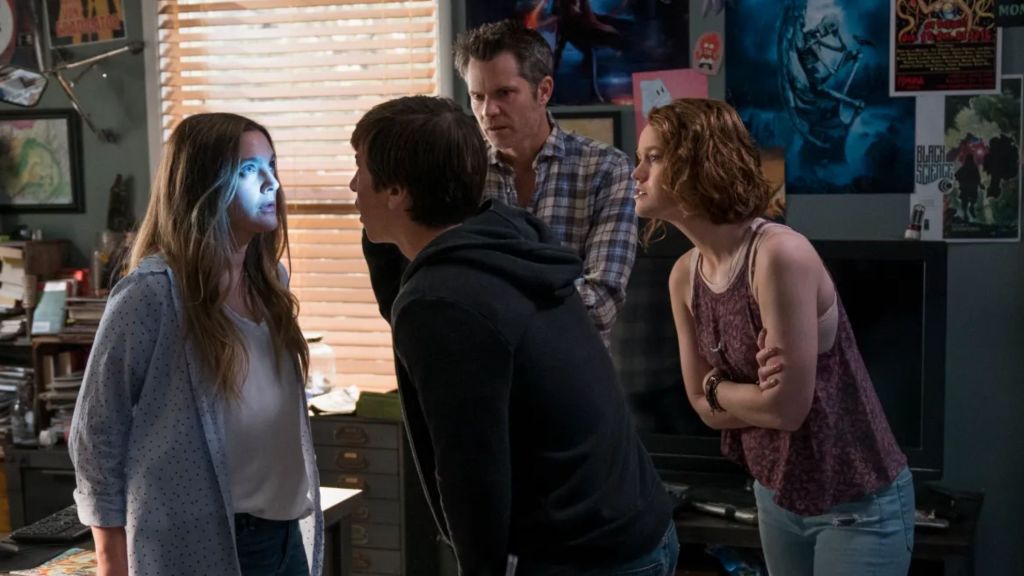
But what made it sting even more was that cliffhanger. The story was gearing up for an exciting shift that could’ve taken the characters to a whole new level of chaos. Instead, it ended before it could reach its full potential. This kind of cancellation hurts the most because the show had finally figured out exactly what it wanted to be. After three seasons of sharp writing, outrageous humor, and surprisingly heartfelt storytelling, it deserved better.
In the end, Santa Clarita Diet pulled off what most zombie stories can’t: it reinvented the genre without relying on an apocalypse, heroes, or global collapse. It brought horror into the middle-class suburbs and made us laugh at things that should’ve been horrifying. It was never meant for everyone, but it slowly won over a loyal fan base that still misses it. For all its blood and chaos, it was one of the smartest, weirdest, and most original comedies Netflix ever made. It just needed more time — but even cut short, it’s still worth every bite.
Were you a fan of Santa Clarita Diet? What did you think of it while it was running? Let us know in the comments!
Most Viewed
-
A Nintendo 64 console over a collage of game box art from the system's library. -

Image courtesy of Netflix -
Image courtesy of Virgin Films