Fox Kids launched on September 8, 1990, and immediately set its sights on snatching the Saturday morning audiences that had belonged to ABC and NBC for two decades. The block expanded rapidly through the early years of the decade, growing to four hours of weekend programming alongside a weekday afternoon slot, eventually signing a landmark partnership with Saban Entertainment in 1996 that only made Fox Kids more relevant. What followed was a programmers’ streak that broadcast television rarely achieves. By 1995, the top ten children’s shows on television were all on Fox, a dominance anchored by a slate that combined superhero drama, multi-studio animation talent, and comedy produced at a standard children’s television had never previously attempted.
Videos by ComicBook.com
Fox Kids sold to Disney in 2001, ending one of broadcast television’s most consequential children’s programming runs. However, the shows it produced during its peak decade continued generating audience loyalty long after the block disappeared, and several of them became templates for how studios approach serialized storytelling in animation today.
7) Bobby’s World
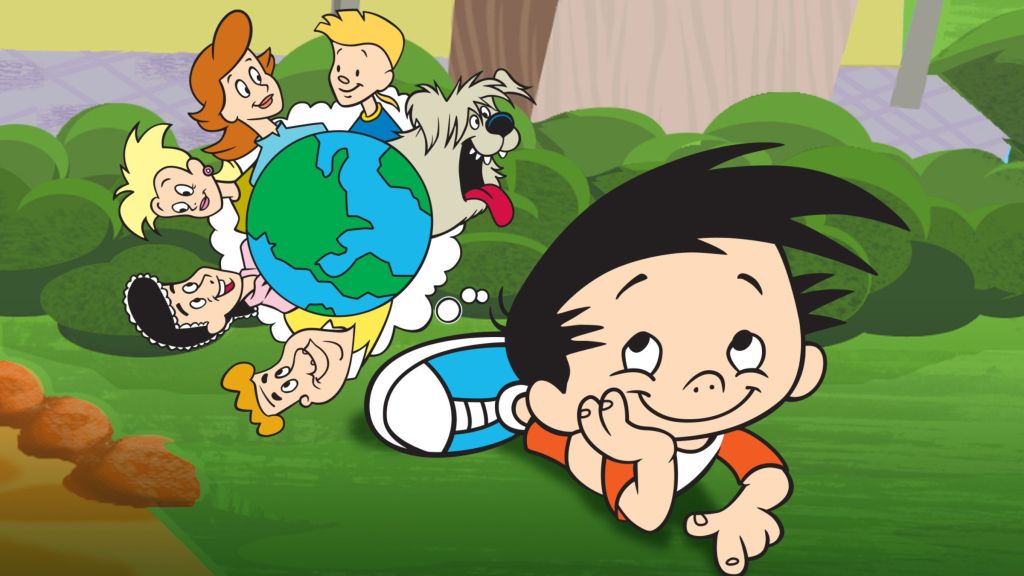
Comedian Howie Mandel partnered with Film Roman to construct Bobby’s World, an animated venture that anchored Fox Kids’ morning lineup for eight continuous seasons. The series centers on the hyperactive imagination of Bobby Generic (voiced by Mandel), a four-year-old boy who processes the mundane complexities of suburban family life through elaborate fantasy sequences.

The production team prioritized relatable domestic conflicts over high-stakes adventures, dedicating entire episodes to common childhood anxieties like learning to swim, visiting relatives, or managing a fear of the dark. Furthermore, the animation shifted whenever the perspective entered the protagonist’s daydreams, with exaggerated character designs and surreal environments to visualize his internal monologue. The combination of the relatable mundane with the fantastic turned the series into a success. Finally, Bobby’s World was also the very first program aired in the Fox Kids block, setting the way for every other animated series.
6) Beetlejuice
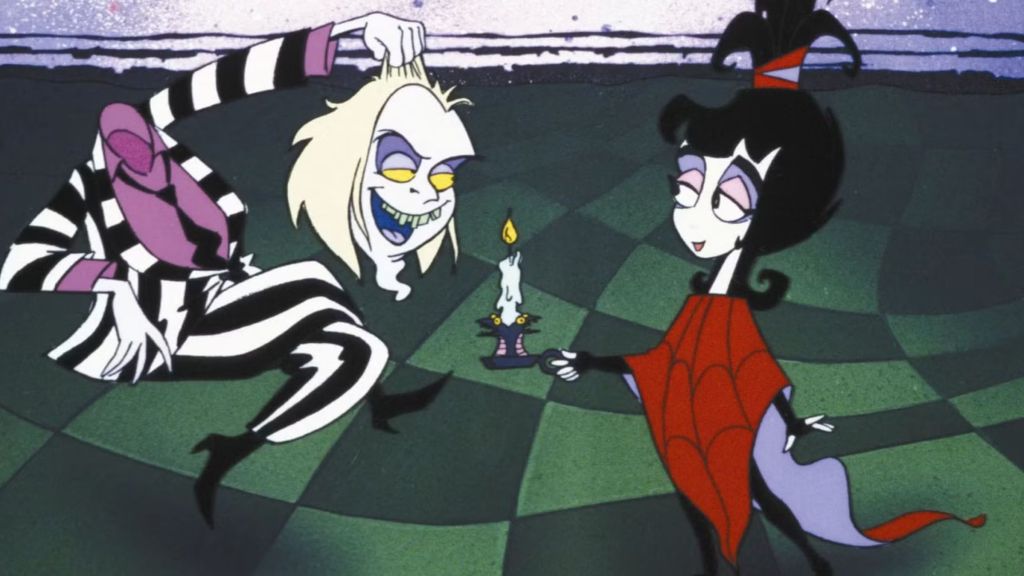
Canadian studio Nelvana produced the animated Beetlejuice series in association with Tim Burton’s own production company, with Burton serving as executive producer and Danny Elfman personally rearranging his original film score for the series. The show ran three seasons on ABC starting in 1989 before Fox Kids acquired it for a 65-episode fourth season in 1991, making it one of the first animated series to air concurrently on two competing broadcast networks. Its arrival on Fox Kids gave the block a property that had a proven track record in theaters.
The animated series repositioned Beetlejuice (voiced by Stephen Ouimette) from the predatory con-man of the 1988 film into Lydia’s (voiced by Alyson Court) willing accomplice, which allowed each episode to take the duo in a new corner of the Neitherworld, a supernatural realm populated entirely by monsters, ghosts, and surrealist set pieces that drew directly from Burton’s visual vocabulary.
5) Tiny Toon Adventures
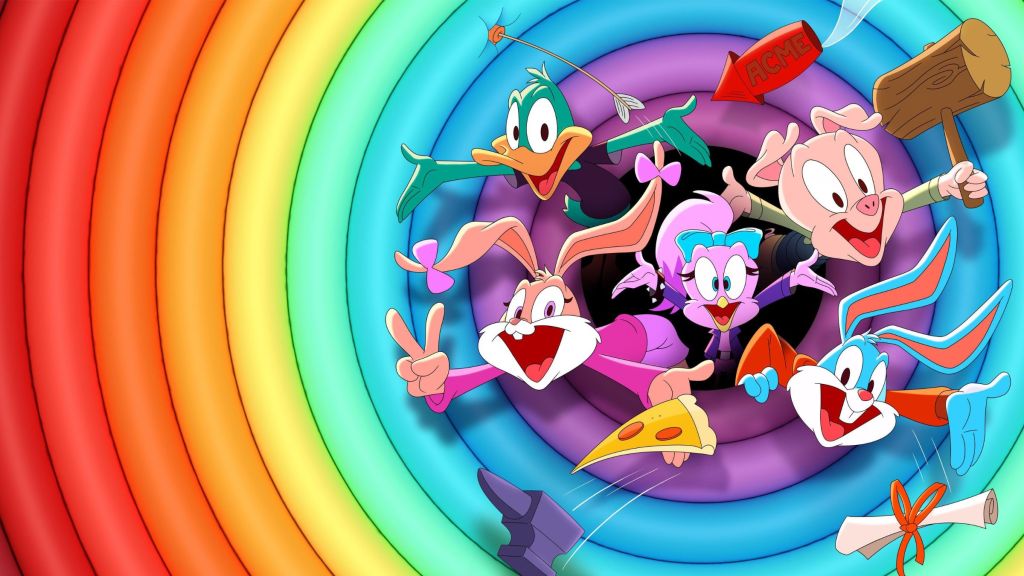
The first condition Steven Spielberg attached to his executive producing credit on Tiny Toon Adventures was a full live orchestra, a demand the studio initially considered too expensive but ultimately honored, selecting composer Bruce Broughton to oversee the music. That production standard, at a time when synthesizer library tracks dominated animated series, gave the show a quality of sound that its Saturday morning competitors couldn’t replicate.
The series centered on a new generation of cartoon characters attending Acme Looniversity, a school run by Bugs Bunny, Daffy Duck, and the other classic Looney Tunes, which gave the show a built-in framework for translating the slapstick energy of the original shorts into contemporary settings. Still, the series introduced a broad cast of new characters that would also become pop culture staples, including Buster Bunny (Charlie Adler), Babs Bunny (Tress MacNeille), and Plucky Duck (Joe Alaskey). Tiny Toon Adventures ran two seasons in syndication before Fox Kids acquired it for a third season in September 1992, and when production ended that December, the same creative team immediately pivoted to Animaniacs, which says everything about how successfully the show was.
4) Animaniacs
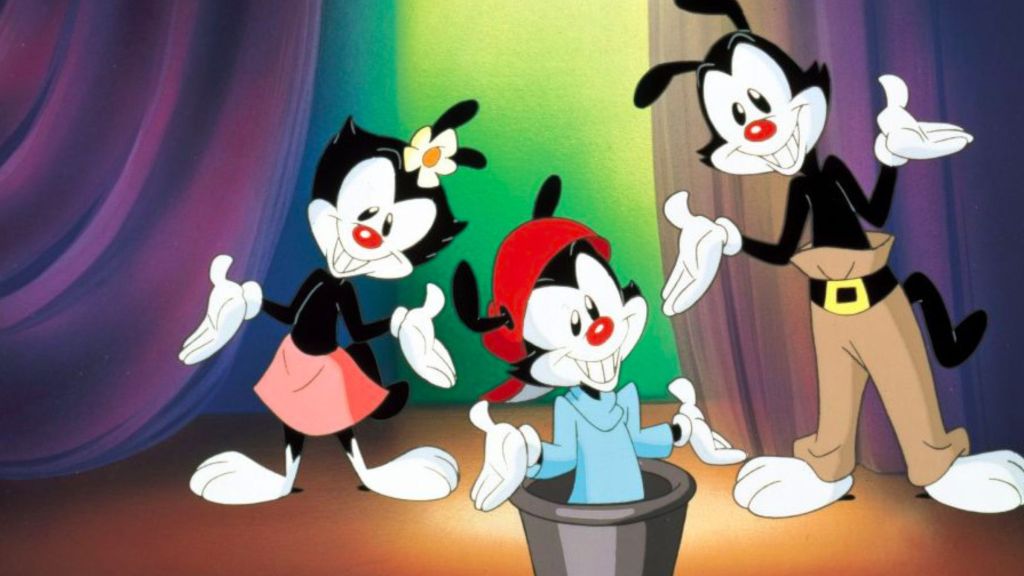
Animaniacs introduced three cartoon siblings locked in the Warner Bros. water tower since the 1930s: Yakko (voiced by Rob Paulsen), Wakko (voiced by Jess Harnell), and Dot Warner (voiced by Tress MacNeille). Structured as a variety show rather than a conventional animated series, the program alternated between the siblings and a rotating cast of supporting characters that included Pinky (voiced by Rob Paulsen) and the Brain (voiced by Maurice LaMarche). The scripts also mixed political satire, parody, and musical numbers dense enough that younger viewers and adults were consistently laughing at different jokes in the same scene, which explains the show’s popularity among different generations.
Fox Kids picked up Animaniacs when it premiered on September 13, 1993, and it beat the Disney Afternoon competition in its timeslot immediately. As early as November 1993, Fox Kids president Margaret Loesch and executive producer Spielberg agreed that Pinky and the Brain, the two lab mice who plotted world domination in brief supporting segments, were strong enough to carry their own series, which launched on Kids’ WB in 1995. As such, Animaniacs remained a central part of Fox Kids’ strategy and a defining series of the 1990s.
3) Spider-Man: The Animated Series

When John Semper Jr. took over Spider-Man: The Animated Series, he got a mandate from executive producer Avi Arad to prioritize toy-friendly villains over story coherence. Semper pushed back against that, telling his writers to treat the show as the Peter Parker story rather than the Spider-Man story. The resulting series built its episodes around the personal consequences of Parker’s double life rather than around action sequences.
Spider-Man: The Animated Series also structured its seasons around multi-episode arcs adapted directly from the comics, including the Venom symbiote saga, the Green Goblin’s identity arc, and a Secret Wars adaptation, giving each storyline room to develop across weeks rather than resolving in a single episode. Despite its success, the series ended after New World Pictures folded and Fox declined to cover the costs, cutting short a show that Semper had planned to continue for at least one more season.
2) X-Men: The Animated Series
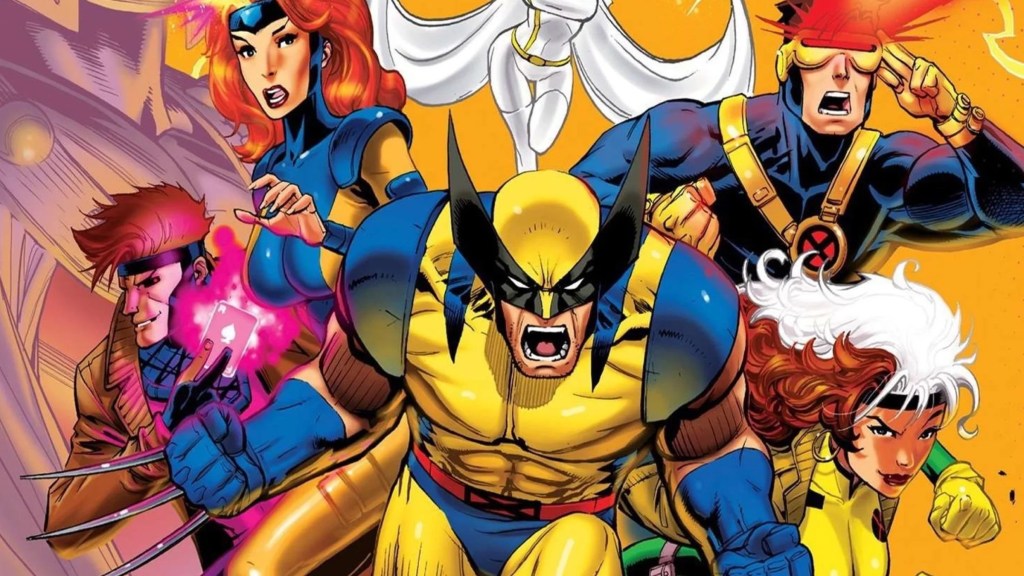
Showrunner Eric Lewald built X-Men: The Animated Series around the thematic framework of systemic prejudice, dedicating significant screen time to political debates regarding mutant registration, government surveillance, and the philosophical divide between peaceful integration and violent separatism. That alone would be enough to make X-Men: The Animated Series stand apart, but the core ensemble also operated as a highly dysfunctional family, anchored by the bitter rivalry between the disciplined Cyclops (voiced by Norm Spencer) and the volatile Wolverine (voiced by Cathal J. Dodd). Those decisions gave the series a serialization that was unprecedented at the time.
The writers of X-Men: The Animated Series boldly adapted the most complex storylines from the source material, executing multi-part sagas involving time travel, alien empires, and the Phoenix Force without diluting the emotional stakes. The sheer commercial dominance of this specific property essentially funded the massive expansion of the Fox Kids block, laying the foundation for the contemporary superhero boom by teaching an entire generation to take comic book storytelling seriously.
1) Batman: The Animated Series
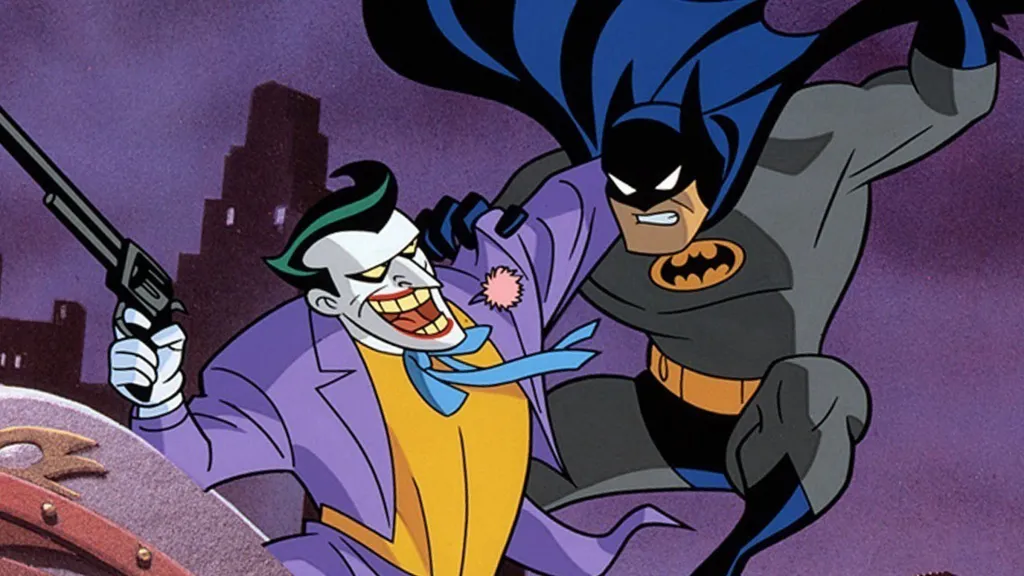
Batman: The Animated Series was the only animated production in the 1990s painting its backgrounds on black paper rather than white, which is what made the visual approach Bruce Timm and Eric Radomski called “Dark Deco” immediately distinctive. The technique also combined Art Deco architecture with film noir shadow work and drew from both the Fleischer Superman shorts of the 1940s and Tim Burton’s two Batman films, giving Gotham City a retrofuturist quality that made it feel timeless.
The narrative tone of Batman: The Animated Series matched the series’ visual darkness, prioritizing psychological depth and character-driven crime dramas. That means Bruce Wayne (voiced by Kevin Conroy) is depicted in the series as a deeply traumatized detective operating in a city entirely consumed by systemic corruption, while villains like Mr. Freeze (voiced by Michael Ansara) are given tragic backstories that recontextualize their criminal behavior. Kevin Conroy’s Batman and Mark Hamill’s Joker became so definitive that both actors reprised the roles in the Batman: Arkham video game series more than fifteen years after the show ended.
Which Fox Kids animated series do you still think about most? Leave a comment below and join the conversation now in the ComicBook Forum!
More TV Shows
-

Image Courtesy of Lucasfilm -
Image via Netflix -
Image Courtesy of Marvel