Avery Brooks first appeared as Commander Benjamin Sisko in 1993, in the Star Trek: Deep Space Nine pilot “Emissary,” immediately setting the tone for what would become one of the most beloved Trek series of all time. By Season 2, he’d stepped behind the camera as well, making his directorial debut with the episode “Tribunal,” the first of nine episodes he would go on to helm.
Videos by ComicBook.com
Before DS9, Brooks was already a celebrated performer with a résumé spanning television, theater, and music. He was the first Black actor to lead a mainstream U.S. network drama series (Spenser: For Hire spinoff A Man Called Hawk), and he’d built a formidable stage career, particularly in Shakespeare and the works of August Wilson. A trained baritone and longtime educator at Rutgers University, Brooks brought a uniquely intellectual, artistic, and spiritual depth to Sisko, shaping him into one of the franchise’s most interesting captains.
1) “Tribunal”
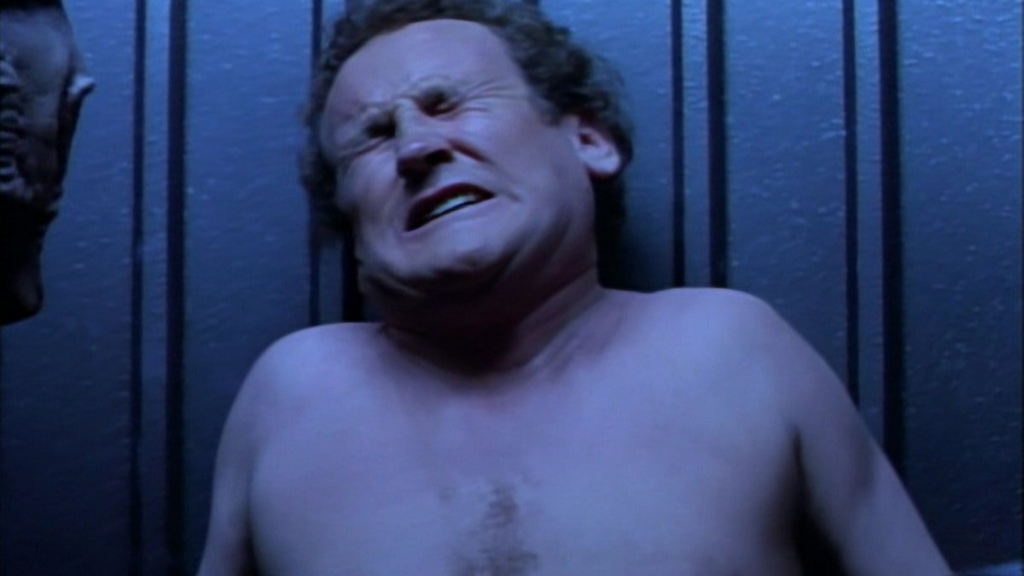
Avery Brooks’ first DS9 directing credit came in “Tribunal,” which aired late in Season 2 and placed Chief O’Brien at the center of a Cardassian legal ordeal. The episode includes great scenes in a Cardassian courtroom where O’Brien (presumed guilty) faces charges of sabotaging a transport, with the prosecution presenting a pre-written verdict. Brooks’ Sisko appears in the episode, working with the DS9 crew to uncover evidence of O’Brien’s innocence. The tension builds as Keiko and Odo both attempt to intervene in a system designed to deny appeals. Brooks does a great job directing Colm Meany as O’Brien, especially during his forced confession rituals.
2) “The Abandoned”
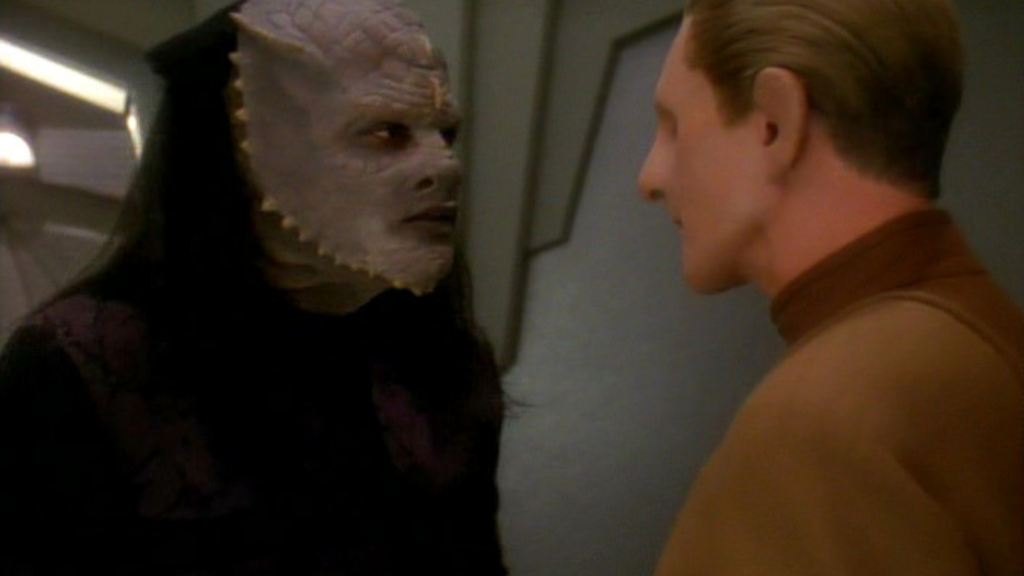
In Season 3, Episode 6, “The Abandoned,” DS9 receives a newborn Jem’Hadar infant found aboard a wrecked ship. The boy grows rapidly, reaching adolescence within hours, and becomes increasingly aggressive due to his genetic programming. The episode focuses on Odo attempting to mentor him, hoping that early guidance might counteract the Dominion’s influence. Sisko appears in the episode and eventually makes the final decision about the young Jem’Hadar’s fate. The episode’s best moments include the growth-time-lapse scenes and the moment the boy arms himself with a stolen phaser rifle. Brooks’ direction keeps most of the tension centered in DS9’s security areas, escalating risk as the Jem’Hadar matures, and keeping viewers on the edge of their seats.
3) “Fascination”
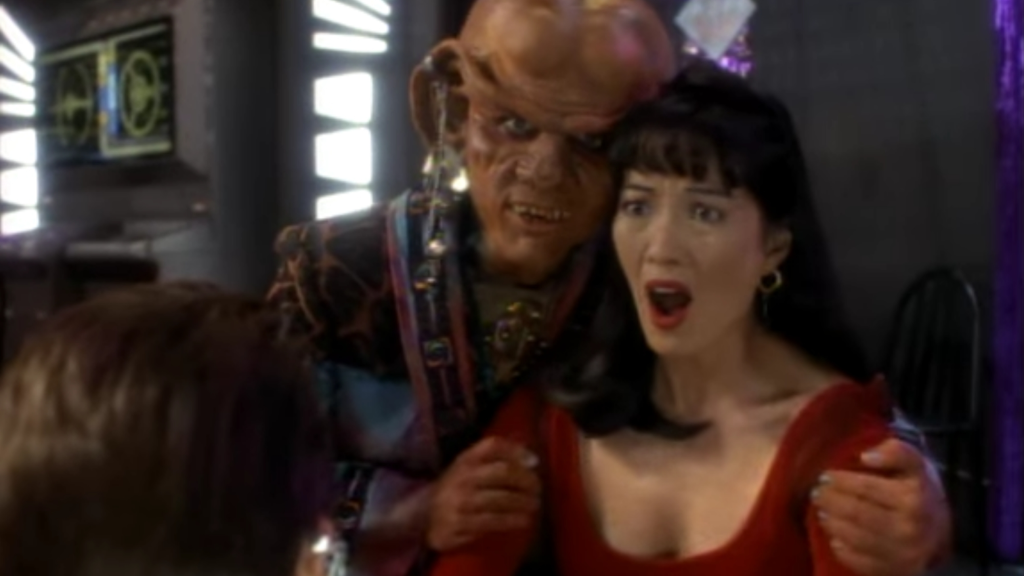
Brooks’ third directing assignment came later in Season 3 with “Fascination,” set during the Bajoran Gratitude Festival. When a temporary telepathic condition is brought to the station by Lwaxana Troi, characters begin to experience sudden romantic attractions to one another. The feelings spark some great comedic misunderstandings across DS9, including scenes in which Kira is drawn to Bashir, Jake shows interest in Kira, and Odo has more than one awkward encounter. The Bajoran Gratitude Festival provides the backdrop, giving the episode its crowded, chaotic setting. Sisko’s attempt to maintain order as things with the crew get weirder is one of the episode’s strengths, as Brooks’ direction and performance punctuate the comedic timing.
4) “Improbable Cause”
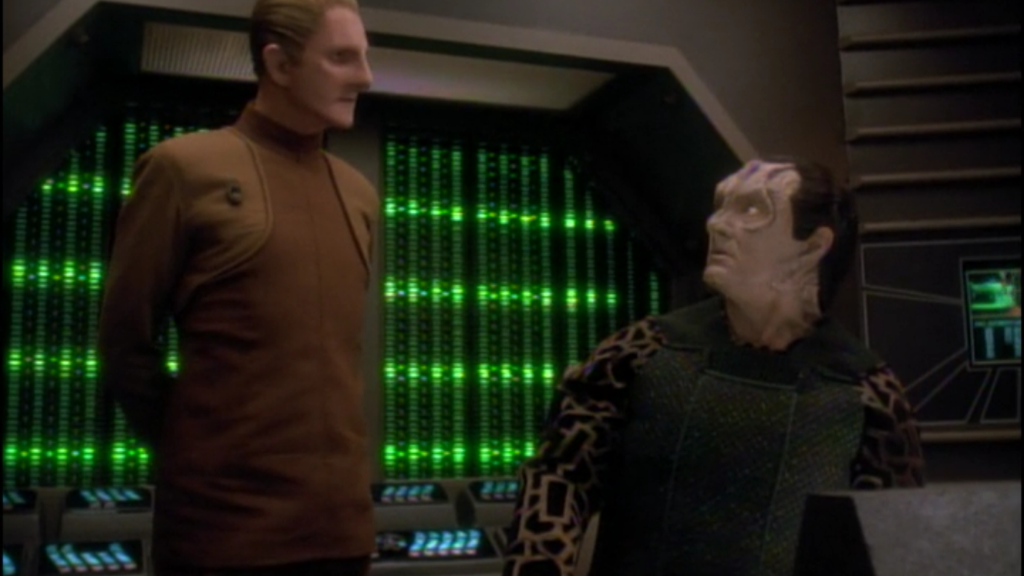
The third and final Season 3 episode Brooks would direct, “Improbable Cause,” features Garak, who survives a bombing in his shop, and launches an investigation into who targeted him. The storyline expands when Odo uncovers a conspiracy involving the Romulan Tal Shiar and Cardassian Obsidian Order. The episode ends on a cliffhanger that leads directly into “The Die Is Cast.” Odo’s interrogation of a Flaxian assassin, Garak’s evasive antics, and the discovery of a joint Cardassian–Romulan fleet preparing for an unauthorized strike. Brooks does a good job directing this dialogue-driven episode, and handles the unravelling of Garak’s past with care.
5) “Rejoined”
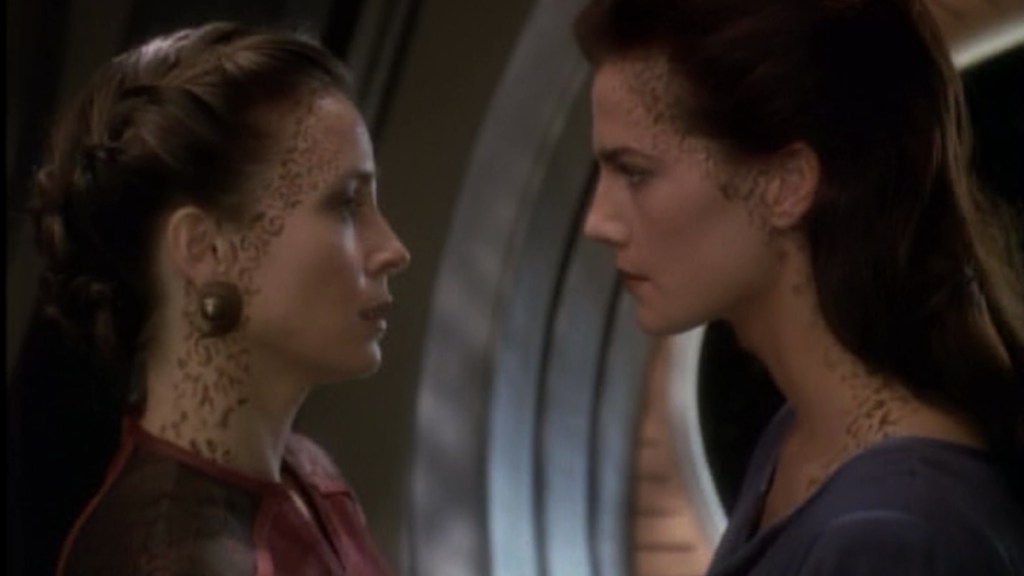
Brooks returned in early Season 4 to direct “Rejoined,” one of DS9’s most talked-about episodes. “Rejoined” follows Jadzia Dax reconnecting with Lenara Kahn, a fellow Trill whose symbiont was once married to Dax in a previous life. Trill taboos forbid “reassociation” with former partners, but the two rekindle their connection while working on a high-level scientific project aboard DS9. Standout moments include Jadzia and Lenara performing a high-risk wormhole-stabilization maneuver, as well as the formal dance where their chemistry becomes unmistakable. In Brooks’ attention to detail in small gestures, i.e., glances and pauses, he brings us one of DS9’s most famous relationship moments.
6) “Body Parts”
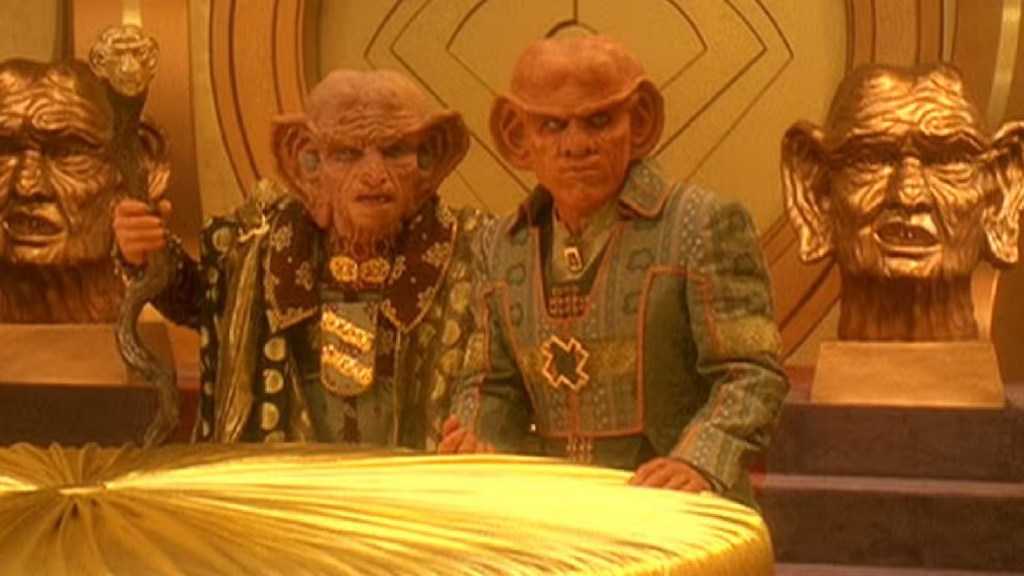
A late Season 4 episode, “Body Parts,” centers on Quark believing he is dying and selling his remains in an auction, only to discover he is actually perfectly healthy. When the buyer (Brunt of the FCA) demands fulfillment of the contract, Quark faces a moral and physical dilemma about whether to follow Ferengi law. Meanwhile, the subplot follows Kira recovering from an injury and carrying the O’Brien’s baby after Keiko’s accident. Brooks does a good job balancing the tones between Quark’s panic and the intimate moments of the Kira/O’Brien storyline, a task that is hard for even lifelong directors.
7) “Ties of Blood and Water”
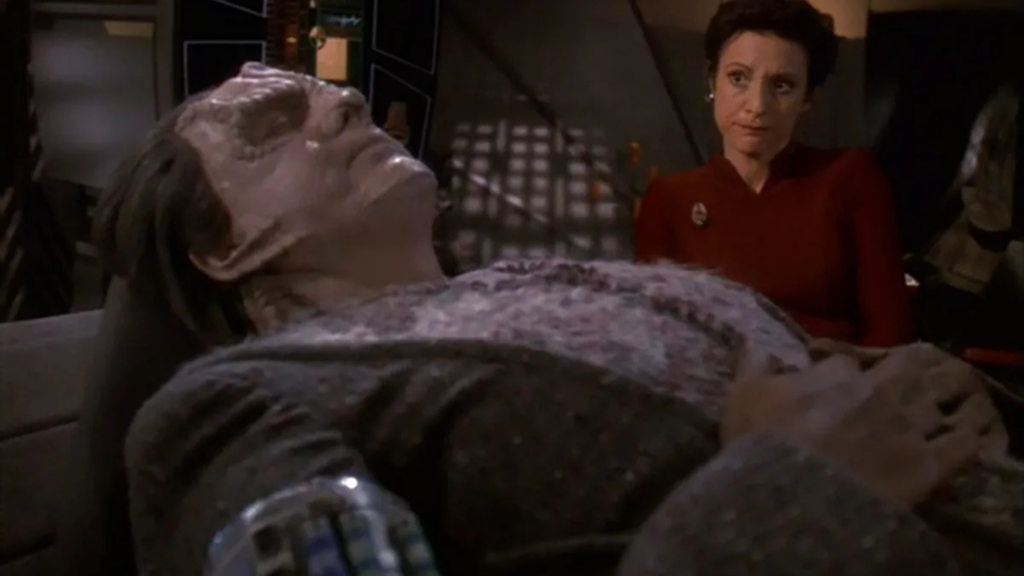
Brooks directed “Ties of Blood and Water” midway through Season 5, returning to the story of Tekeny Ghemor, the Cardassian dissident who once believed Kira to be his daughter. Now terminally ill, Ghemor asks Kira to stay with him so he can reveal secrets about the Cardassian government before his death. Sisko appears throughout the episode, offering guidance as Kira struggles with memories of her own father and the emotional weight of Ghemor’s request, but key scenes include Kira reading Ghemor’s final confessions, the Cardassian delegation attempting to reclaim him, and the flashbacks to Kira’s time in the Resistance.
8) “Far Beyond the Stars”
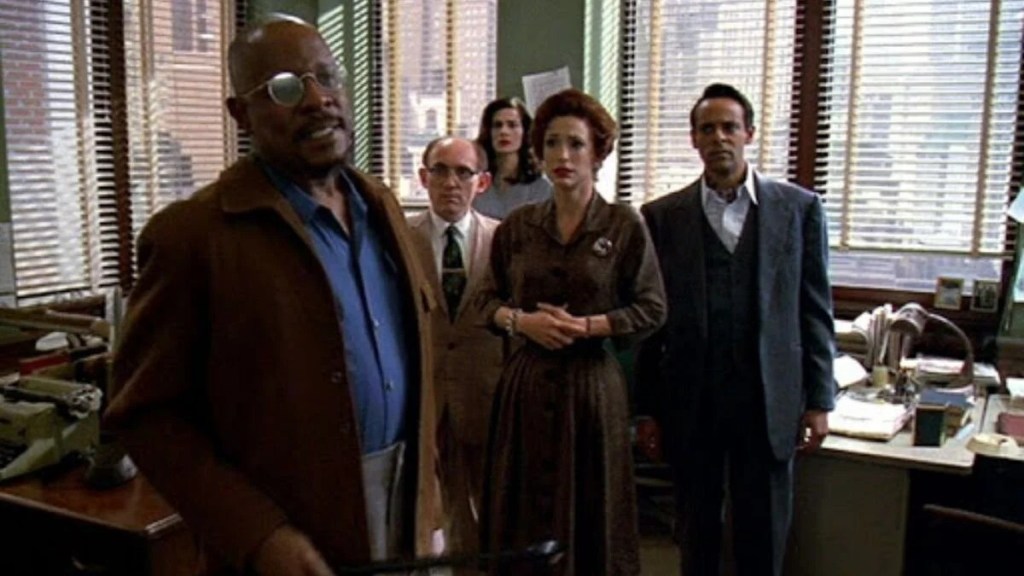
By far Brooks’ most famous DS9 directing effort and one of the best DS9 episodes, Season 6’s “Far Beyond the Stars” transports Sisko into a 1950s alternate reality where he becomes Benny Russell, a science-fiction writer confronting racism in the publishing industry. The DS9 cast appears without prosthetics as coworkers, friends, and authority figures in Benny’s life, Wizard of Oz style. Brooks not only directs the episode but also stars as both Sisko and Benny, giving him a strong presence in nearly every scene. Benny witnessing police brutality and the climactic breakdown in which he fights to keep his story alive are among the best performance moments in the series. Brooks’ direction emphasizes close-ups, physicality, and timing, elevating the ensemble’s performances as a whole.
9) “The Dogs of War”
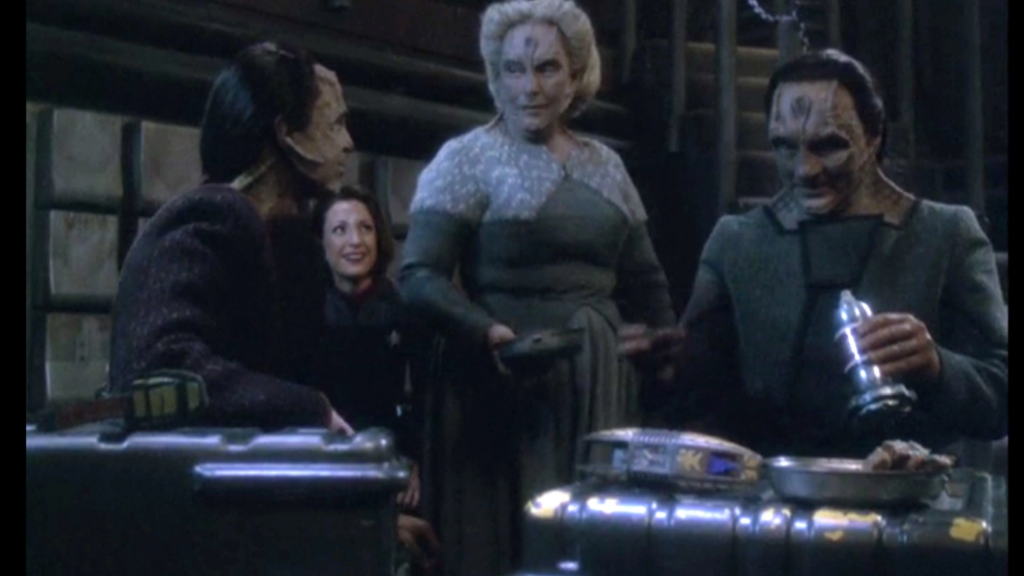
Brooks’ final DS9 directing credit came near the end of Season 7 with “The Dogs of War.” Part of the series’ final arc, the episode tracks the Dominion’s retreat and the Federation’s coordinated push to end the war. The episode serves up major political plotlines (including Damar rallying Cardassian resistance forces), but it also introduces the new Defiant-class ship, the USS Defiant (formerly the USS Sao Paulo). Sisko plays a central role, receiving the new ship and preparing for the final stage of the conflict. The best moments of Brooks’ direction in “Dogs of War” include Kira, Garak, and Damar fighting alongside the Cardassian resistance, the first reveal of the new Defiant, and Quark’s discovery that he may inherit the Ferengi throne. We get a bit of station drama and a bit of war strategy as Brooks sets the series up for its final battle.
Which Brooks-directed episode is your favorite? Leave a comment below and join the conversation now in the ComicBook Forum!
Most Viewed
-
Image courtesy of Tor Books/Macmillan -

Official art by Bastien Lecouffe-Deharme