Nowadays, it’s rare to come across truly high-quality shows (especially when it comes to horror or thrillers). And even the good ones that do exist often don’t get the recognition they deserve from a wider audience. But for those who give them a shot, they’re instantly hooked from the very first episode. That’s because these shows don’t need to keep convincing you they’re good – they just are. They’ve got smart writing, characters who genuinely matter to the story, and episodes that make you wonder, “Is this real or just paranoia?” There’s no filler, no forced drama, and they even manage to sneak in laughs during absurd moments. Now imagine all that holding up across four full seasons. Sounds too good to be true, but it’s not.
Videos by ComicBook.com
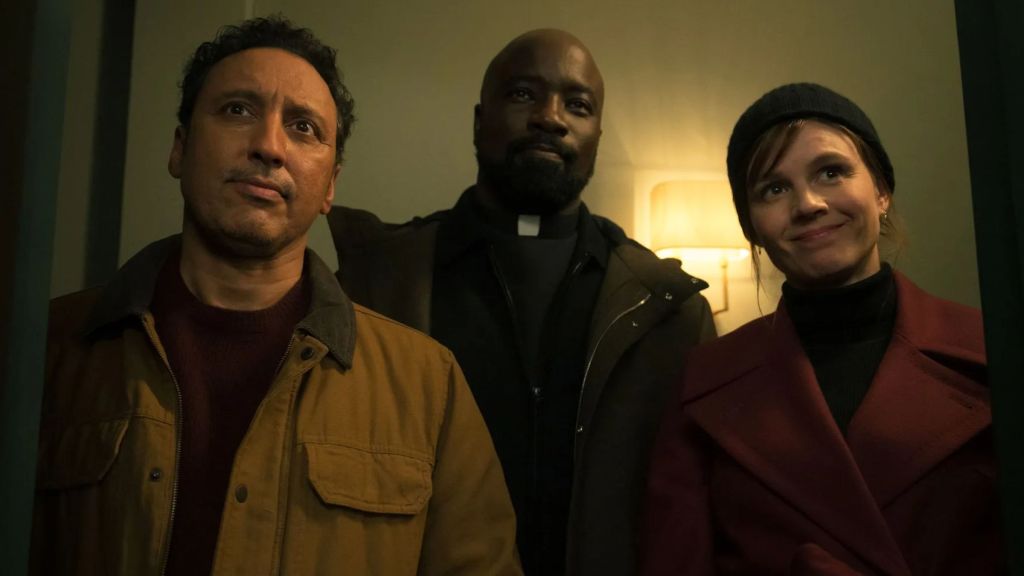
Created by Robert and Michelle King, Evil is a supernatural drama that follows Dr. Kristen Bouchard (Katja Herbers), a forensic psychologist recruited by the Catholic Church to investigate cases that seem beyond explanation. She teams up with David Acosta (Mike Colter), a seminarian with unwavering faith, and Ben Shakir (Aasif Mandvi), a skeptical, tech-savvy realist. On the surface, the show is procedural, with each episode tackling a new case: exorcisms, apparitions, miracles, and bizarre events no one can explain. But it also ties everything into a bigger arc about morality, faith versus reason, and the personal dilemmas of its main characters. Overall, it constantly keeps you questioning what’s real and what’s made-up – and that doubt is the show’s secret weapon.
Don’t expect classic horror tropes in Evil. The tension usually comes from people arguing, questioning, and clashing over what to do (not just from monsters or effects). An episode might kick off with something that looks supernatural, but by the end, you realize the real threat was human all along. That balance is exactly what keeps the show engaging, because nothing feels predictable. You keep watching not because of scares, but because you never feel like you’re getting the same thing twice.
And the characters carry the show just as much as the cases. Kristen isn’t written as the typical “serious psychologist” who risks becoming dull. David isn’t just “the nice priest,” and Ben isn’t boxed in as “the nerdy comic relief.” Evil never traps its leads in archetypes and sticks to that until the end. The Kings know how to make them complex and use that complexity to feed into the plot. They mess up, they argue, they doubt themselves, and you get to see all of that naturally unfold. When something strange or dangerous happens, you actually care about what’s going to happen to them because everything they do matters – nothing they choose or go through is wasted. That’s rare in shows of this kind, where some characters are often pushed aside when it’s convenient.

Evil‘s Strength Lies in Its Take on Heavy Topics
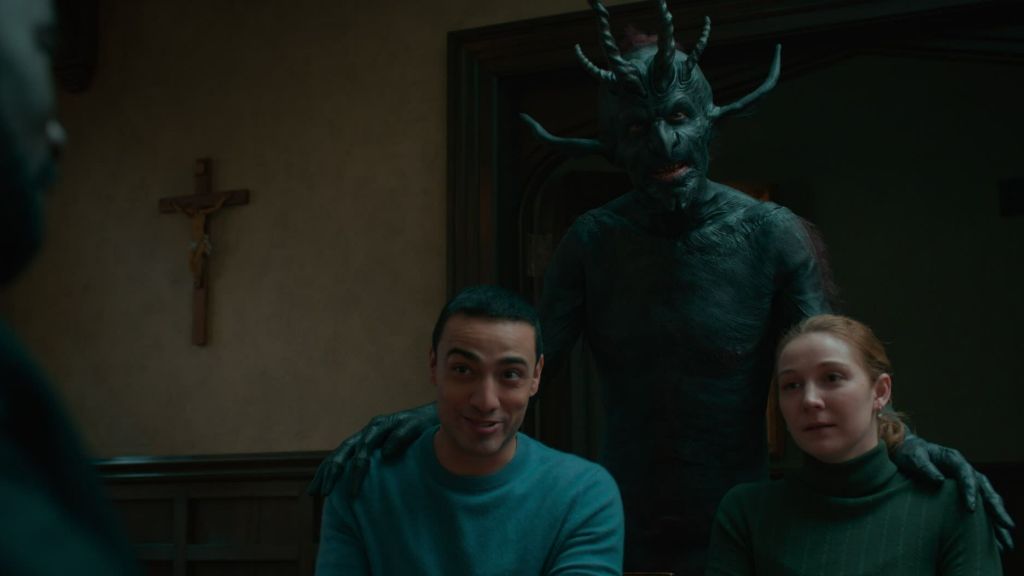
However, the real standout quality of Evil is how unafraid it is to take on heavy themes. Religion, faith, and science – it doesn’t shy away from subjects that are naturally divisive. What makes it work is how the show goes all in without ever getting moralistic. It throws everything on the table and lets the audience figure it out. No easy answers, no spoon-feeding. You can be watching an exorcism on screen and still find yourself questioning what’s right or wrong.
Another win for the show is its refusal to lock into one tone. Evil balances everything it’s trying to do with almost unbelievable confidence. It can be scary, funny, smart, and reflective all at once, and it all feels completely natural. The chemistry between the leads, the creative cases, and the grounded approach to the supernatural pull you straight into the story. When it comes to shows that know how to immerse their audience, Evil is one of the rare examples that truly succeeds. And even more rare: it can make you laugh, root for someone, question everything, and get genuinely unsettled – all in the same episode.
The frustrating part is how underrated Evil is (and mostly because not enough people know it exists), even though critics praised it consistently, applauding how it managed to keep its quality high from beginning to end. It’s the kind of show you recommend to someone, and by the second episode, they’re already hooked. Four seasons in a row without filler episodes or lazy writing is almost unheard of. Still, it wound up joining the ever-growing list of canceled series. However, the silver lining is that it wasn’t one of those shows that got axed in the middle of a cliffhanger. The Kings were given space to wrap things up in a way most fans and critics saw as satisfying. Sure, they left a few subtle doors open for the future, but overall, the ending felt earned.

Suspense that makes you think, characters who feel like real people, and episodes that balance drama and the supernatural with sharp writing – Evil is one of the most deserving shows to hit a broader audience. It entertains you while making you second-guess everything, pulling you in from the first minute to the last as you wonder whether faith or science can really explain it all. The boldest part is that the supernatural ends up being the least of your worries. What the show really puts front and center is how far people will go when they believe they’re right.
Evil remains one of the most unsettling shows on TV, living up to its title by reminding you that “evil” isn’t abstract: it seeps into choices, beliefs, and people themselves. And that makes it a show well worth your time.
Evil is available on Paramount+ and Netflix.
Have you watched Evil yet? What’s your take on the series? Let us know in the comments!
Most Viewed
-

Image courtesy of Netflix -

Image Courtesy of Netflix -

Image courtesy of Bethesda