2026 is an awesome year to be a comic fan. DC Comics is hitting levels of success the publisher hasn’t in a while, giving readers the best superhero comics in years. The indie market is full of amazing books from companies like Image Comics, BOOM! Studios, Dark Horse Comics, and Dynamite Entertainment, allowing A-list creators to tell any kind of story they want. Marvel Comics is doing everything they can to get more positive attention again but they are still currently publishing some of the best superhero books out there. Going into the comic store every week is awesome and you can trace this back to the early days of the ’00s.
Videos by ComicBook.com
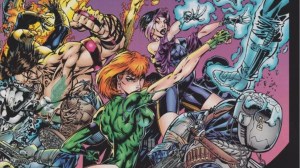
The ’90s changed comics forever and Marvel and DC had to change up their game. A whole new generation of talent was coming to prominence, including writer Brian Michael Bendis. He got his start at Caliber Comics in the early ’90s, getting his big break with Torso from Image Comics, a true crime book about one of Elliot Ness’s cases. He’d also work on Sam and Twitch, starring the two detectives from Spawn. Bendis was known as the crime comic guy, which is why his move to Daredevil made sense and why putting him on Ultimate Spider-Man was looked at as a risk. However, gambling on Bendis paid off, as he would go on to become one of the most popular writers of the 21st century. He gets a lot of praise, but there’s one thing that most people don’t even realize that he did – 26 years, Bendis birthed the modern indie comic with Powers.
Powers Was an Indie Sensation at the Perfect Time
It can honestly be kind of hard to describe the comic industry in the year 2000. Over at DC, Green Arrow was becoming the bestselling comic thanks to Kevin Smith, showing just how bizarre everything had gotten. The ’90s had saw indie comics becoming successful in new ways, opening up the floodgates for talent across the industry. It was easier than ever to get your own book out there, but by the year 2000, the rise of Image had been over for a couple of years. The publisher was nowhere near as popular as it had been and the rest of indie market had also contracted, with most creators going to Vertigo to do their creator-owned projects. Dark Horse was still around, surviving mostly off licensed comics. The indie market was mostly dead.
1999 would change that, when Babylon 5 writer J. Michael Straczynski would end up at Image Comics writing Rising Stars. It was the first major Image book where the writer was the focus of the comic; for years, the publisher had been about artists first. While writers were getting their own books before – like Bendis’s Torso – they weren’t the major releases like Rising Stars was. The year 2000 would see Bendis become more popular than ever, and Image released its next major writer-driven title, with Bendis teaming with Michael Avon Oeming for Powers.
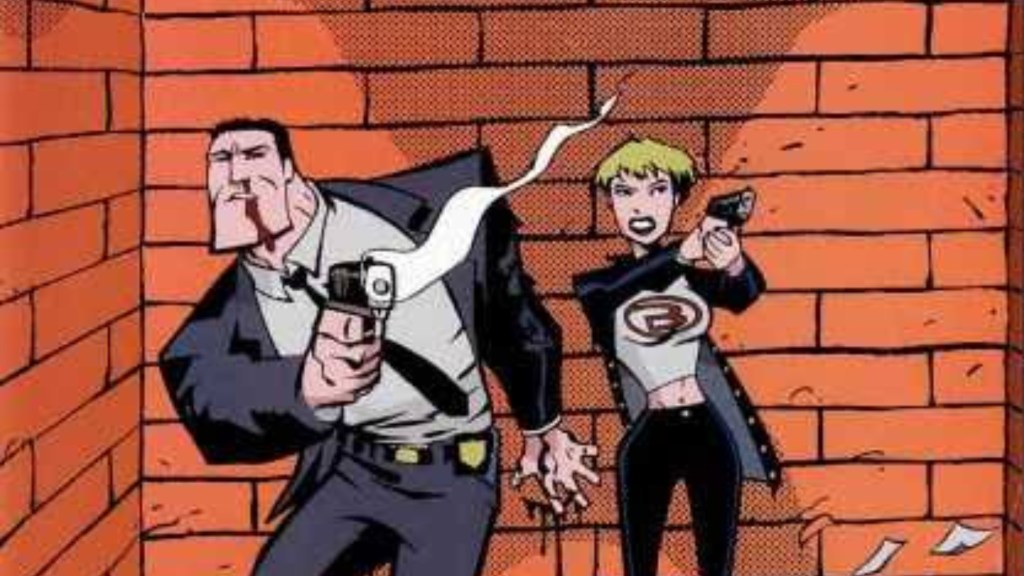
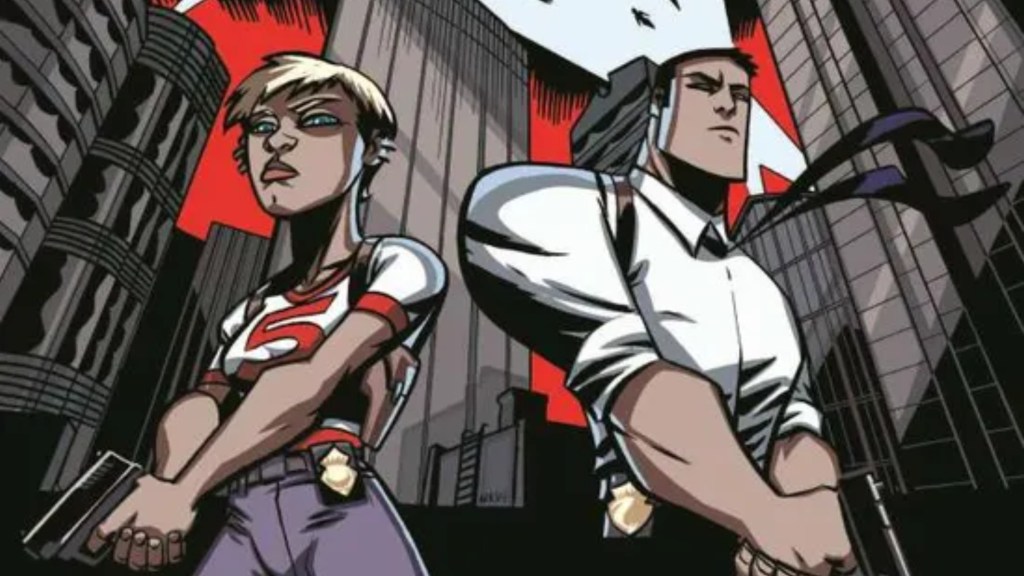
Bendis was the crime guy at the time and Powers played into that. The book took place in a world where superheroes were real and followed detective Christian Walker and Deena Pilgrim as they dealt with crime in a world where superpowers were the norm, sometimes bumping into the world of superheroes. Both of them had their own mysterious pasts, which would be revealed over the course of the series, all while Bendis built up his own superhero universe. It was basically a police procedural with superpowers and fans ate it up with a spoon.
While he’s become best known for writing the Avengers and numerous Marvel event books in the ’00s and ’10s, Bendis is at his best with street-level stuff and character interaction and Powers had that in spade. Walker and Pilgrim were the kind of clever characters that Bendis wrote so well, always ready with a sarcastic remark or pop culture reference. He’s great at building mystery plots, using the pasts of the characters to build his world. Oeming’s art was reminiscent of Bruce Timm’s DC Animated Universe art, all square-jawed, barrel-chested men and beautiful women, giving the book something of a retro feel (which fit the opening story, titled “Who Killed Retro Girl?”, well). It was the perfect comic for the day.
It was also the genesis of the modern indie comic. Nowadays, creators will work hard at Marvel and DC, getting name recognition, before launching creator books, stories they can own and make all of the profits off of. Because many of these writers start off in superhero comics, they usually write books that play off the strengths of their superhero comics. Powers was the perfect example of a creator taking what they did for the Big Two – at this point, street-level crime comics – and doing it in the indies. Bendis’s success at Marvel led to readers picking up Powers, which is the same thing that creators do nowadays with their indie work. Powers became the standard bearer for great indie comics.
It showed that a Marvel or DC creator could put out an indie comic and that fans would pick it up. It was able to grab headlines thanks to Bendis’s relationship with the comic press, especially Wizard Magazine, and was the big indie comic of the early ’00s. A few years after it dropped, Robert Kirkman would do Invincible and The Walking Dead, two books that often get all of the credit for the indie boom at Image. However, Powers came first and showed what the future of Image – and the comic industry – would look like.
Powers Helped Birth the Modern Comic Industry
The comic industry is a very different place from where it was 26 years ago and Powers was one of the prime catalysts for that change. At the time, the indie market was looked at as secondary to the mainstream. It was the place where careers began, not where creators went to make the real money. Bendis was a rising star at the time and that was enough to give Powers a boost. The book showed that an indie comic could be a viable alternative to the mainstream.
While Bendis has only recently went completely indie, the fact of the matter is that before Powers, this was never really a viable career path. Only the really big names – Frank Miller, Alan Moore, Todd McFarlane, Rob Liefeld, John Byrne, and the like – could have indie careers. For everyone else, it was just a stepping stone to Marvel and DC. Powers showed that didn’t have to be case; it was a popular enough book that it could support its creators rather well – it was Oeming’s main source of income for years. It changed the way everyone looked at indie comics and led to the industry we have right now.
More Comics
-
Image Courtesy of Marvel Comics -
Image Courtesy of DC Comics -
Image Courtesy of Marvel Comics -
Image Courtesy of Marvel Comics -
Image Courtesy of Marvel Comics -
Image Courtesy of DC Comics -
Image Courtesy of Marvel Comics