Six years ago, the X-Men began a new golden age after over a decade of marginalization. Marvel gave the mutants to writer Jonathan Hickman, and the scribe went to town on the concept, creating the Krakoa Era, starting with House of X/Powers of X. The Krakoa Era took the mutant race to their own nation on the living island of Krakoa, and completely changed their relationship with the world. It was an exciting time, as Hickman and the writers he picked went in wild new directions. However, behind the scenes, this collaboration changed the outline that Hickman had pitched. These changes would lead the writer to leave the X-Men office, but not before he dropped one final bomb of amazing storytelling on readers.
Videos by ComicBook.com
Inferno was that bomb and it was the last time the X-Men were truly great. Hickman worked with artists Valerio Schiti, R.B. Silva, and Stefano Caselli, giving readers an emotionally rich story that also went in the kind of wild sci-fi directions that the writer was known for. Inferno was brilliant, and it really doesn’t get the credit it deserves. It’s one of the best things that Marvel put out in the 2020s, and ended the most inventive phase of the Krakoa Era, planting seeds that the remaining writers would cultivate until the end of the mutant nation’s story.
Inferno Was Hickman’s X-Men Swan Song
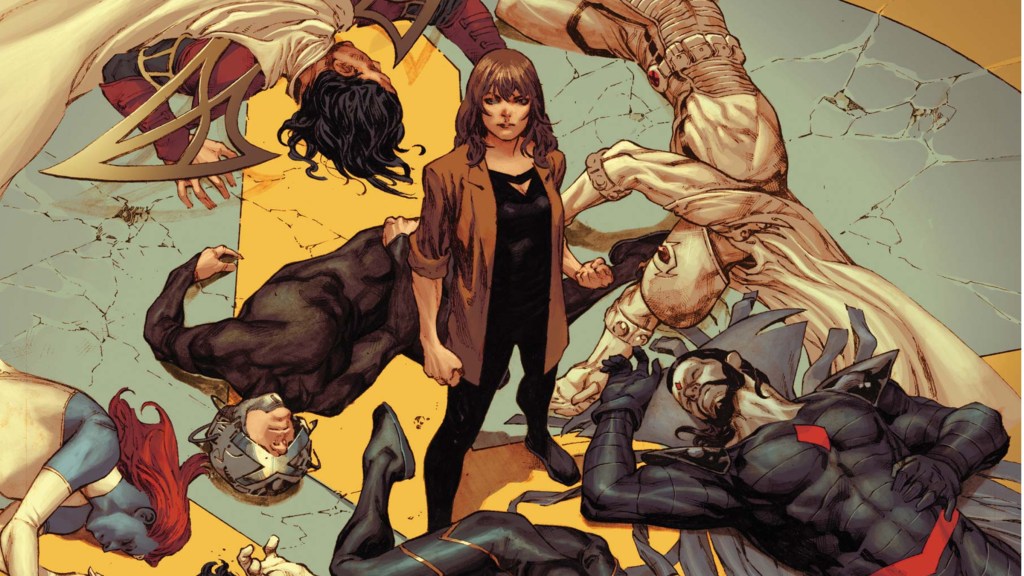
Inferno is a rather complicated comic. It deals with the consequences of Xavier, Magneto, and Moira MacTaggert’s actions in creating Krakoa, the cost of the secrets they kept, and the end of the first era of the nation. It brought back Destiny, Mystique’s wife, and made her into a major player in the power structure of the nation. Moira’s secret was revealed, and she was forced to leave the island by the couple, who were kept apart by MacTaggert’s fear of Destiny’s precognitive powers. By the end of it, readers learned why Omega Sentinel became evil, and witnessed the end of Xavier and Magneto’s grip on power over the nation.
It wasn’t an action-packed event book, but a meditation on the morality of both the Quiet Council and the Orchis Initiative. Hickman threw a perfect curveball at readers — that Krakoa would mean the end of humanity, causing a reverse of the “Days of Future Past” trope of humans exterminating mutants. It was an amazing idea, and I can remember my jaw dropping when I got to that part of Inferno #3. This played into that feeling that readers got from Hickman’s X-Men and Benjamin Percy’s X-Force, which showed that the mutant nation wasn’t all sunshine and rainbows. It all ended with one of the coolest fights in the entire Krakoa Era, as Xavier and Magneto battled Omega Sentinel and Nimrod while Mystique and Destiny confronted Moira.

Hickman’s X-Men wasn’t always the best, often doing a lot of build-up that would never really come to anything, but Inferno was classic Hickman. His writing is considered by some to be rather emotionally cold, but the way scribe played Mystique’s actions in the resurrection of her wife, and the moment of their reunion, is one of the most emotionally rich scenes in the entire era. Every issue had at least one big moment in it — the reveal of Destiny’s resurrection in the first issue, Emma Frost learning the truth about Moira, the Omega Sentinel reveal, and two very different yet brilliant battles at the end — with gorgeous art.
Hickman has always been one of Marvel’s best event writers, and his build-up of Krakoa was amazing. Ideas eventually got sidelined as it went on, and Inferno was the last glimpse of what the writer wanted to give readers; not some mutant paradise that was a never-ending party, but a place built on lies with a rotten core, a darkness that was eating it alive from the inside out. It played up the morally grey nature of the island, and gave readers the kind of big moments we could only get from the writer. Inferno showed the direction that he would have taken Krakoa, and for a lot of readers, it was the perfect place to jump off the island’s story.
Inferno Was a Tantalizing Glimpse of What Could Have Been
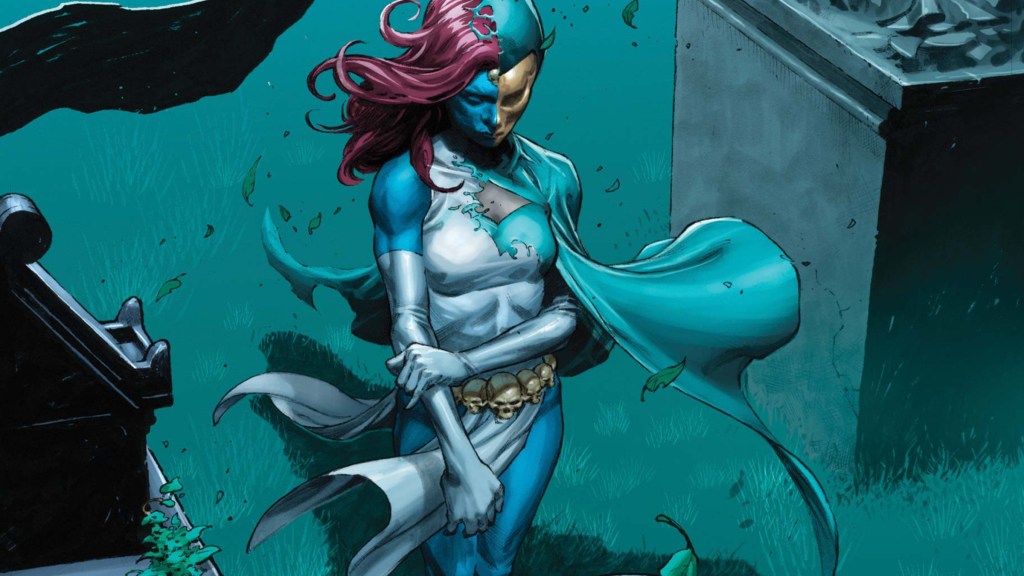
Hickman leaving the X-Men books was a huge blow, and led to the diminishing returns that would plague the Krakoa Era until it ended. At the time it happened, we were told that it was something that everyone agreed was for the best, but in the years since, the writer revealed that he was disappointed that he had allowed his ideas to take a backseat. We’ll never know what he meant for the Krakoa Era, but Inferno is a glimpse of what direction he wanted to take the books.
Krakoa was never meant to be this super-happy great place. It was an ethnostate built on lies and secrets, with mad woman at its core who had experienced defeat after defeat for over a millennium. It was built on manipulation, and Inferno showed that wonderfully. It showed the consequences of the nation and its laws, and how the whole thing would turn out to be disastrous for humanity. It was dark and pretty brutal in a lot of ways, and it had a flavor that we’d never get again.
There have been some good X-Men stories since then — Immortal X-Men and X-Men Red were fantastic and the current Uncanny X-Men keeps impressing — but it’s the last time that the team’s stories were truly great. It wasn’t an easy read, but that’s part of its charm. Nothing else in the X-Men office has matched it (although A.X.E. Judgment Day came close) since, and there’s something bittersweet about it. Inferno was the last gasp of the quality of the Hickman years, and it’s overshadowed everything that came after it.
What do you think about Inferno? Leave a comment in the comment section below and join the conversation on the ComicBook Forums!
Most Viewed
-
Image Courtesy of Prime Video -

Image Courtesy of MAPPA