1960s gave us legendary world-building and cemented superhero lore, but it also revealed DC’s inability to read the cultural room. While Marvel was introducing flawed, humanized heroes who echoed the turbulent spirit of the decade, DC seemed stuck in a sterile fantasyland where even rebellion looked sanitized. The company’s idea of being “modern” was slapping a lightning bolt on campy concepts and pretending it was edgy.
Videos by ComicBook.com
That earnest but tone-deaf optimism is part of why those stories now feel so cringe — they were products of a publisher unwilling to evolve emotionally, even as society demanded authenticity. The ‘60s DC universe was imaginative, yes — but it was also oblivious, trapped between golden nostalgia and a counterculture it never truly understood.
5. Polka-Dot Man
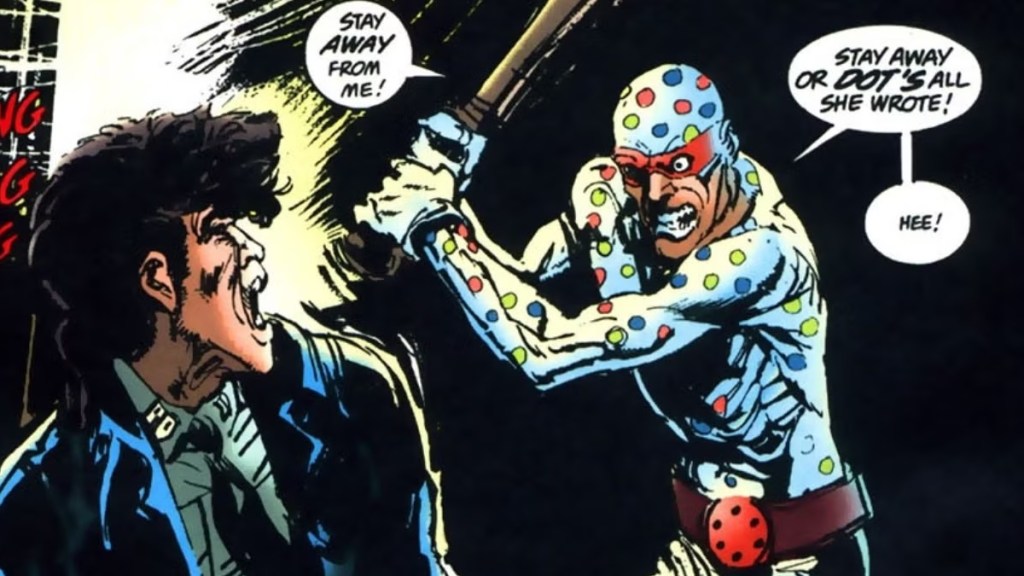
Polka-Dot Man is a supervillain whose entire gimmick revolves around polka dots. Polka-Dot Man was introduced in Detective Comics #300 (1962) as an enemy of Batman. Polka-Dot Man uses his costume’s dots as weapons, but the concept and visuals are more laughable than intimidating. To be fair, Polka-Dot Man has seen a resurgence in recent years, thanks to James Gunn’s The Suicide Squad (2021). Gunn took this throwaway character and reimagined him as a tragic figure, a man traumatized by his abusive mother and cursed with a bizarre, painful power. This version of Abner Krill was surprisingly sympathetic, and fans connected with his insecurities and self-loathing. But this redemption wouldn’t have been possible if the character wasn’t such a joke to begin with.
4. Bat-Mite
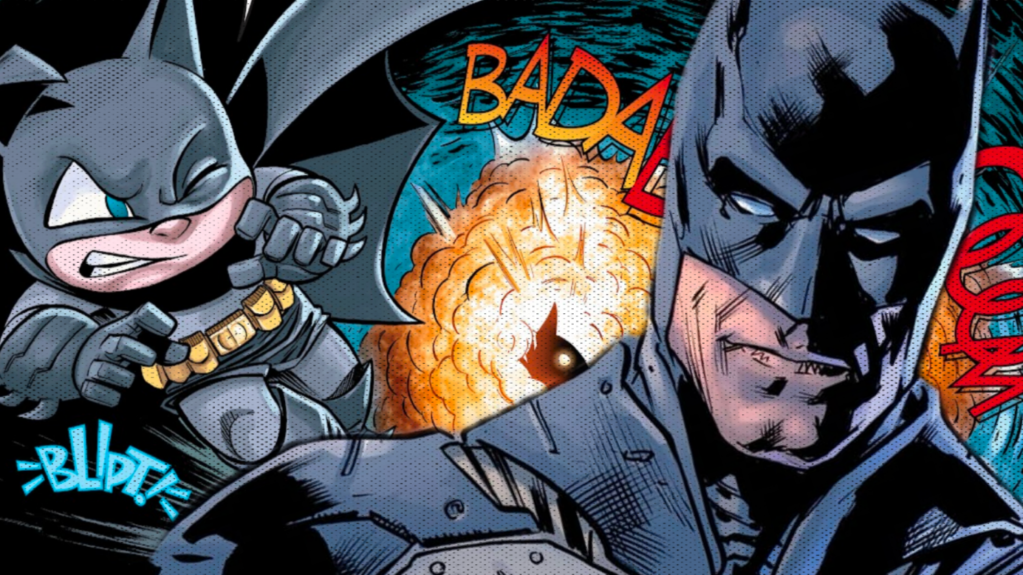
First appearing in Detective Comics #267 (1959) and gaining popularity in the ’60s, Bat-Mite was intended to add humor to Batman’s stories. Bat-Mite is an imp from the 5th dimension — a parallel reality filled with magical beings who can manipulate reality at will. Bat-Mite is obsessed with Batman, calling himself the hero’s “biggest fan.”
He wears a Batman costume and uses his powers to “help” Batman fight crime. By the late ‘60s, when Batman leaned heavily into camp (thanks to the Adam West TV show), Bat-Mite fit right in — but that era aged poorly for fans who prefer their Batman stoic and brooding. When the comics transitioned back toward darker, more serious storytelling in the ‘70s and ‘80s, Bat-Mite became a relic.
3. The Inferior Five
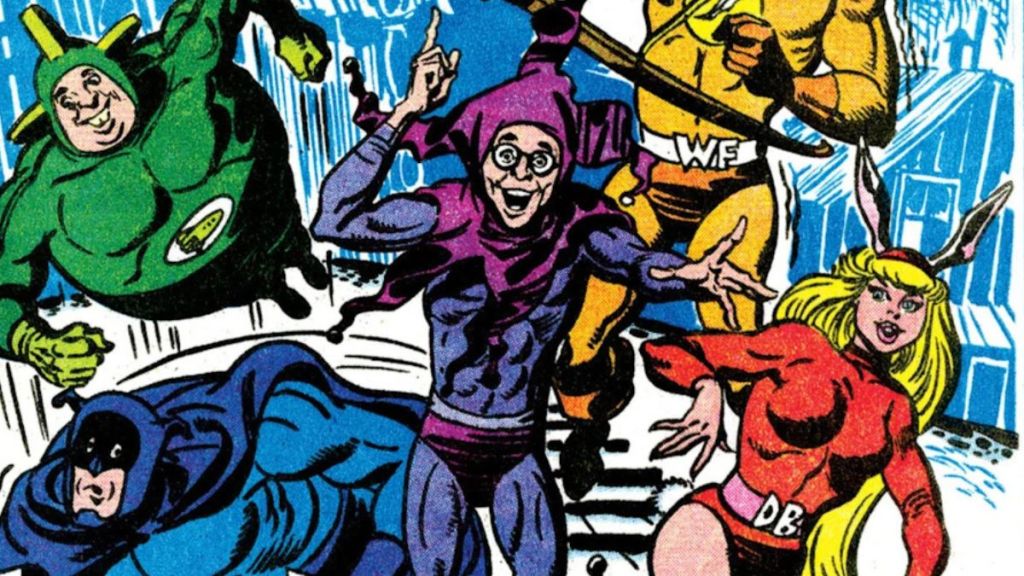
The Inferior Five debuted in Showcase #62 (1966). The team was made up of five bumbling heroes: Merryman (the weak intellectual leader), The Blimp (a “speedster” who can float but not run fast), Awkwardman (strong but clumsy), The Dumb Bunny (super strong but, as the name implies, not too bright), and The White Feather (an archer who’s also a coward). They were the children of golden-age superheroes who couldn’t live up to their parents’ legacies — and that joke was the whole point. At the time, the series was DC’s attempt at self-parody, poking fun at the overly serious superhero tropes of the era. But here’s the thing: what passed as clever satire in the ‘60s often reads now as tone-deaf slapstick and lazy stereotyping. Jokes about incompetence and physical weakness replaced actual character development. Worse, many of the gags — especially those directed at Dumb Bunny — leaned on dated gender humor that hasn’t aged well at all. DC wanted to show they could laugh at themselves, but they ended up punching down instead of joking around.
2. Brother Power the Geek
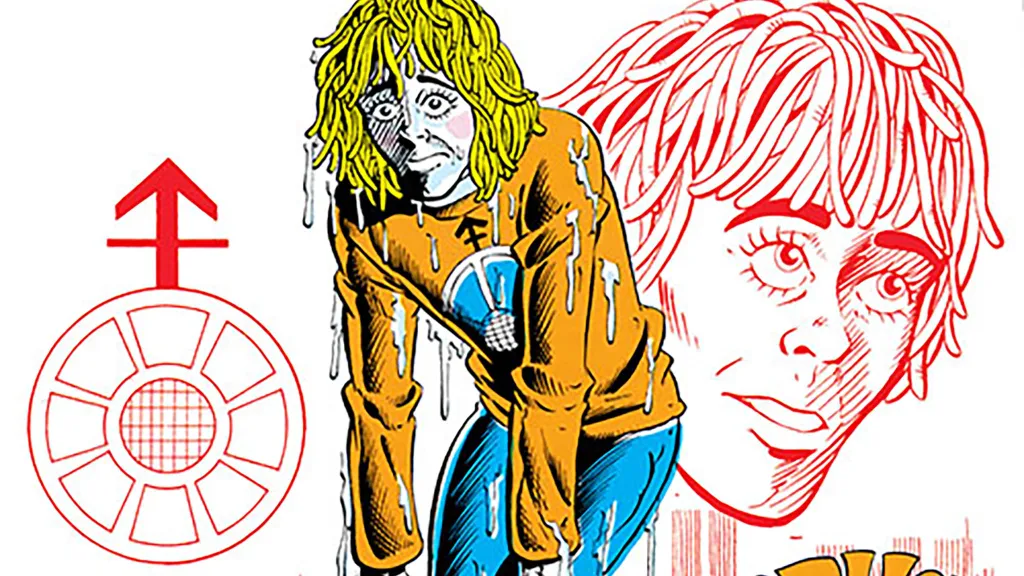
The idea of a “groovy” mannequin-hippie fighting for justice was DC’s awkward attempt to appeal to 1960s counterculture — and it misses the mark with cartoonish stereotypes of the “flower power” generation. Created by Joe Simon (co-creator of Captain America), Brother Power the Geek first appeared in Brother Power the Geek #1 in 1968. He becomes a strange kind of counterculture crusader — defending hippies, fighting “The Man,” and occasionally preaching about freedom and brotherhood. he late ‘60s were full of youth rebellion, anti-war protests, and distrust of authority. DC, a company known for buttoned-up heroes like Superman and Batman, tried to tap into that world — but ended up producing a caricature of it. Brother Power talked like a walking slogan, not a real person.
1. B’wana Beast
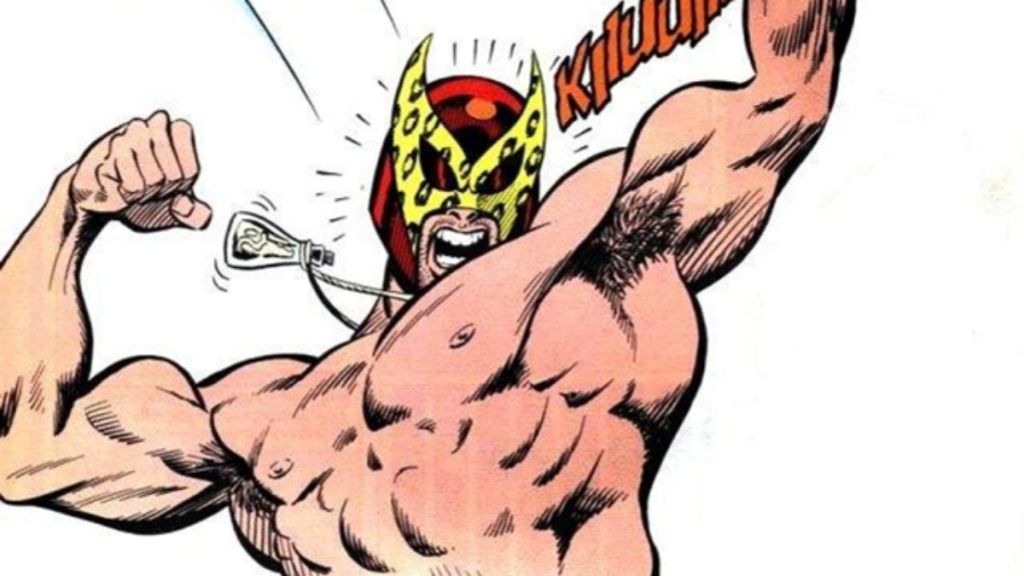
B’wana Beast is Mike Maxwell, a white game warden stationed in Africa who gains superhuman powers after drinking a mysterious elixir and donning a magical helmet. This helmet allows him to communicate with animals and, most notably, combine two animals into bizarre hybrids. With his newfound powers, he becomes the self-appointed protector of the African jungle, fighting poachers, villains, and other threats. B’wana Beast might seem like a harmless jungle hero, but his entire premise is steeped in colonialist tropes. A white man shows up in Africa, gains mystical powers from the local environment, and immediately becomes the region’s “protector” and savior. It’s the tired “white savior” narrative that’s been criticized in countless forms of media. As a historical curiosity, he’s worth remembering — but as a superhero concept, he’s one that probably should’ve stayed in the 1960s jungle where he came from.
What do you think? Let us know in the comments!
Most Viewed
-
Image Courtesy of Marvel Comics -
Image Courtesy of DC Comics -
Courtesy of Netflix / Shueisha