When it comes to comic book favorites, every character has an origin story. Be they villains or heroes, every character has a back story that leads them to be the feared or respected figure gracing the pages of Marvel or DC Comics that fans know and love (or love to hate.) But for some of these characters, we’re not just talking about their canonical origins. This isn’t a matter of being bitten by a radioactive spider and getting super powers. We’re talking about their journey to the pages of comics to begin with.
Videos by ComicBook.com
For some heroes and villains, the story started not on the page but on the screen as animated characters. Maybe they were intended for just an episode or two of a series or as a pivotal figure in an animated movie, but they ended up being so popular or important, that they eventually made their way to the comics as well. Here are seven heroes and villains who got their start as animated favorites and are now on the pages of Marvel and DC Comics — and those comics are all the better for it.
7) Harley Quinn
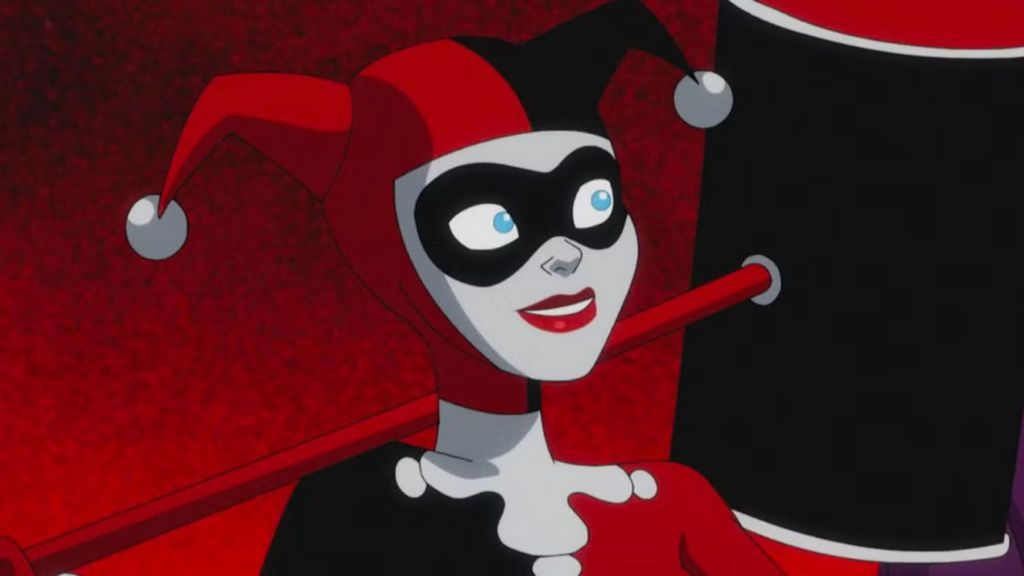
Quite possibly the most famous example of a character that started in animation and made the jump to the comics, Harley Quinn was created by Paul Dini and Bruce Timm for Batman: The Animated Series. Intended for just one episode, Harley debuted as a henchwoman for the Joker in “Joker’s Favor” on September 11, 1992. However, she went on to become a recurring character as the Joker’s sidekick and love interest and, seven years later, made her canonical comics debut in the one-shot Batman: Harley Quinn #1.
At this point, it’s hard to imagine DC without Harley. She’s one of DC’s most popular characters and has, over the years, undergone quite a few shifts and changes. She’s no longer the Joker’s sidekick or love interest and has long since become more of an antihero rather than a villain and has even been a part of various teams, including the Suicide Squad and the Birds of Prey.
6) X-23/Laura Kinney
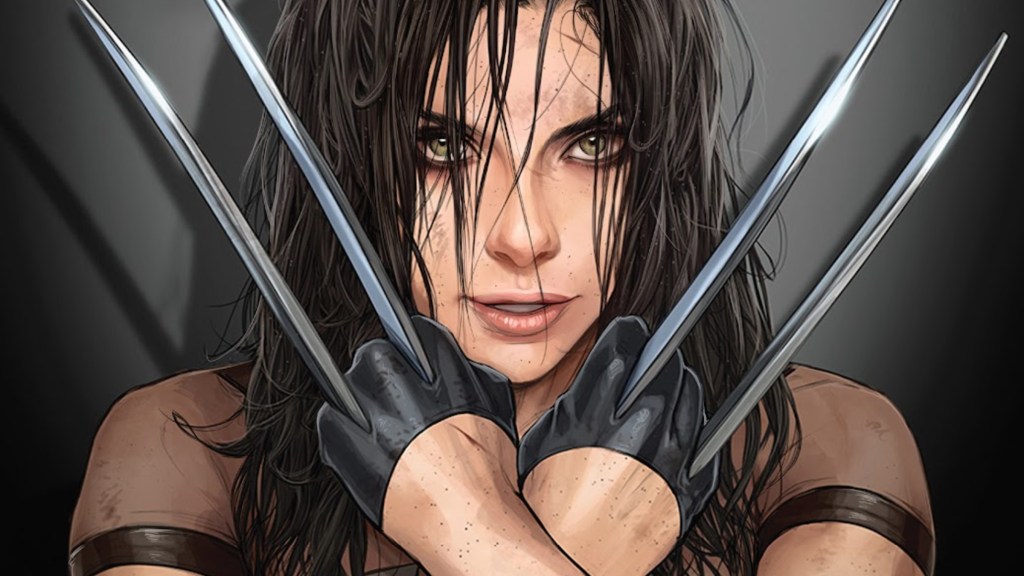
Originally created for the X-Men: Evolution animated series in 2003, X-23 is another major comics character that got their start in animation. Initially presented as a female clone of Wolverine, X-23 would make her comics debut in NYX #3 in 2004 and has remained a popular character ever since.
Over the years, Laura’s story has evolved a good bit. While she was initially introduced as a clone, it was later revealed that she is actually Wolverine’s biological daughter. At one point, she took on Wolverine’s codename and costume, and for a period of time there was even two versions of Laura — during the Krakoa Era of the X-Men, Laura is believed to be dead so a duplicate is created using mutant resurrection protocols. When the original Laura proves to be alive, she takes on the codename Talon — though Talon is eventually killed during the “Fall of X” storyline.
5) H.E.R.B.I.E.
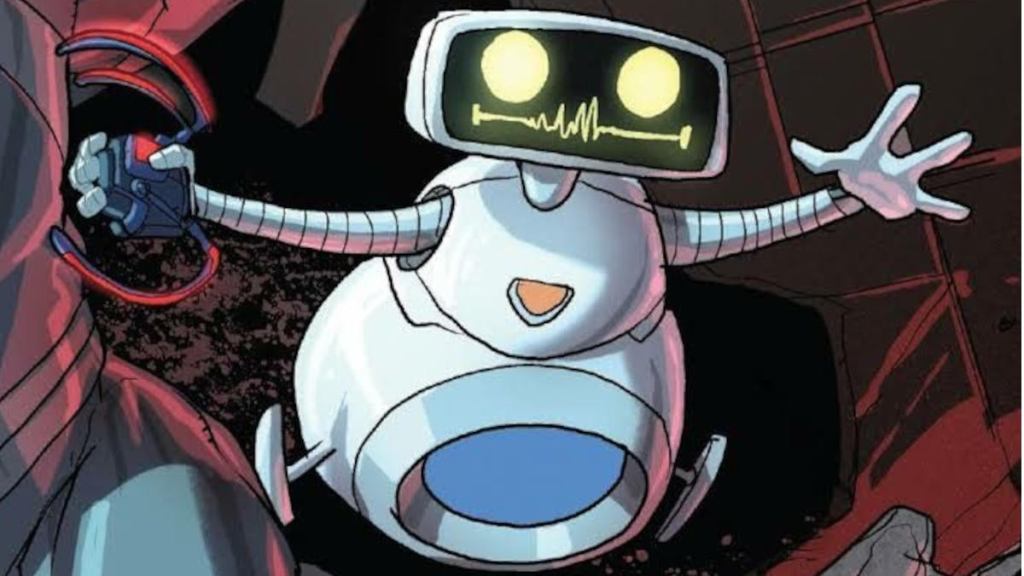
Everyone’s favorite Marvel robot actually got their start in animation. H.E.R.B.I.E. first appeared in the animated The New Fantastic Four, specifically in the episode “A Monster Among Us” on September 9, 1978, as voiced by Frank Welker. The character would later appear in comics started with Fantastic Four #209 in 1979.
What’s fun about H.E.R.B.I.E.’s origin is that the character was created to flesh out the animated version of the Fantastic Four since Human Torch was not available for the series — the character was being reserved for a film that never actually happened. Because you can’t have the Fantastic Four without a fourth, enter H.E.R.B.I.E. The robot has gone on to become a beloved character in his own right and even made the jump to live action.
4) Livewire
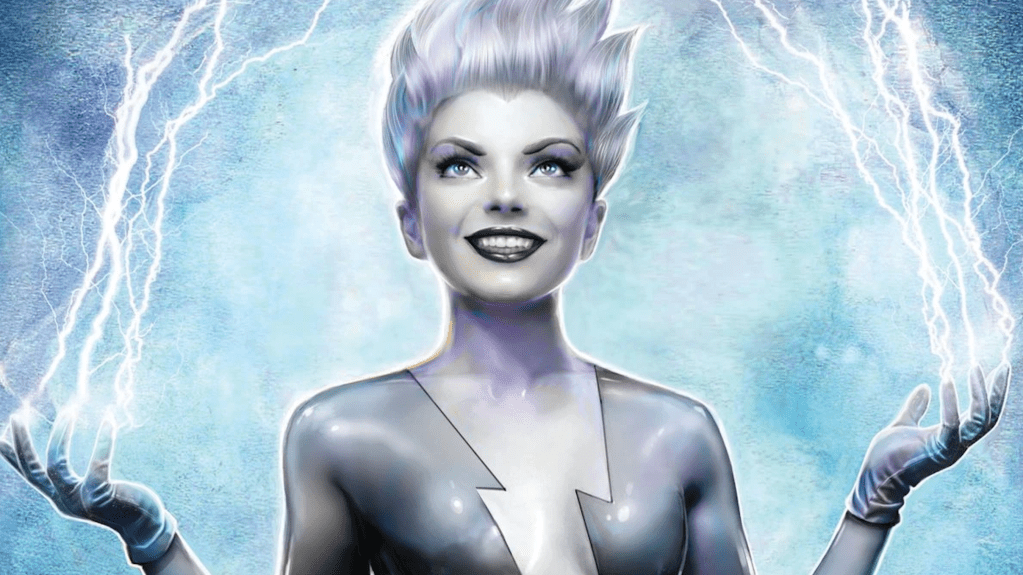
Created for Superman: The Animated Series, Livewire made her debut in the appropriately titled episode “Livewire” in 1997 which saw popular and controversial Metropolis radio shock jock Leslie Willis develop electrokinetic powers after the intentional diversion of energy from a lightning strike on Superman. The character made her first comics appearance shortly after her animated appearance in Superman Adventures #5 in 1997, but her first mainstream comics appearance in 2006 with Action Comics #835.
While a newer villain, Livewire has been a significant threat. The character also got a slightly different origin in comics than she did in animation. The character has also made the jump to live action, appearing in both Smallville and the Arrowverse’s Supergirl.
3) Firestar/Angelica Jones
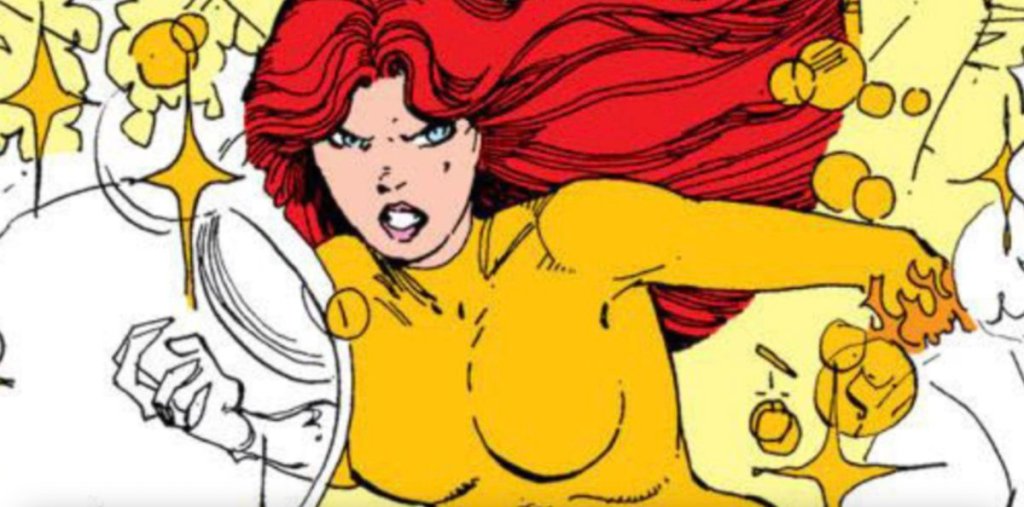
First appearing in NBC’s Spider-Man and His Amazing Friends in 1981, Angelica Jones/Firestar came about because creators wanted to use Human Torch but couldn’t because of rights. The character got her first comics appearance in the non-canon Spider-Man and His Amazing Friends #1 in 1981 but proved so popular that she made the leap to canon comics with Uncanny X-Men #193 in 1985.
With a wide ranges of fire-related powers, including nuclear fission manipulation, heat emission, flight and more, Firestar has been a powerful member of the X-Men for years. Most recently, the character had a major role in the “Fall of X” storyline. Firestar has also served as an Avenger over the years as well.
2) The Phantasm/Andrea Beaumont
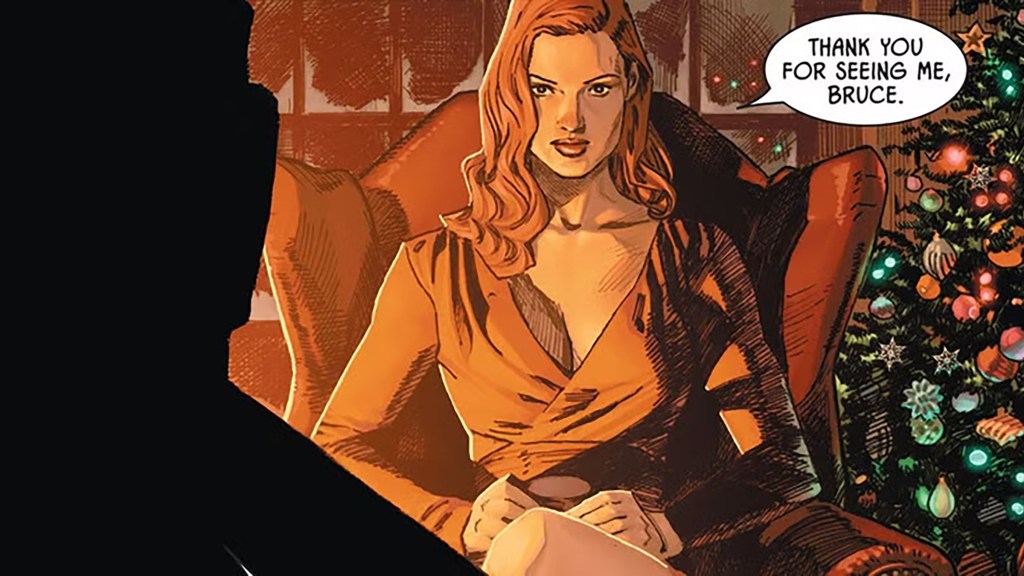
One of the most popular animated characters, The Phantasm/Andrea Beaumont first appeared as the main antagonist in the animated Batman: Mask of the Phantasm movie in 1993 as the fiancée of Bruce Wayne who became a Grim Reaper-esque killer seeking revenge on those who killed her father.
While the character was wildly popular in the animated universe and appeared in the comic Batman: Mask of the Phantasm — The Animated Movie #1 in 1994, she didn’t properly make her canonical comics debut until Tom King’s Batman/Catwoman series in 2020 where Andrea returns to seek help regarding her son.
1) Terry McGinnis
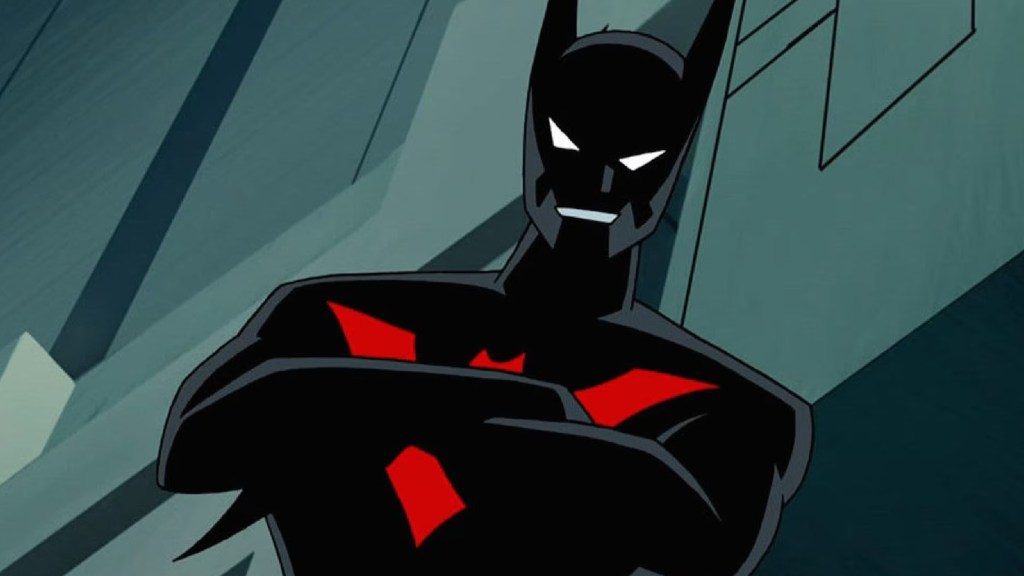
While not as big as a leap as made by Harley Quinn, there’s no denying that Terry McGinnis’s jump from animation to comics is huge. First appearing in Batman Beyond “Rebirth, Part 1” in 1999, Terry McGinnis is the Batman of the future, with Terry having taken over the mantle from an aging Bruce Wayne when he retired. The character first appeared in comics in Batman Beyond #1 in 1999 as well but wasn’t considered part of continuity for the main DC Universe until later on, first appearing canonically in Superman/Batman Annual #4.
Terry has been a fan favorite character since his creation. While the character isn’t a major player in the main DC continuity as a future Batman, he has made a few appearances. His version of the future of Gotham and Batman also continues to be very popular with his own Batman Beyond comics stories as well.
What do you think? Leave a comment below and join the conversation now in the ComicBook Forum!
Most Viewed
-
Image Courtesy of Netflix -
Image Courtesy of Netflix -

Image Courtesy of Ufotable -

Warner Bros. Pictures