Spider-Man made his debut in Amazing Fantasy #15 (1962) by Stan Lee and Steve Ditko, and over the rest of the 1960s, he developed what has gone down as one of the best villain lineups of any hero in Marvel Comics. After a first issue where his villain was the Chameleon, he then started fighting villains who are still notable and iconic six decades later. The most impressive part is that Peter Parker was a teenage high school student who had to figure out how to beat mad scientists, industrialist madmen, and thieves with superpowered suits, all while trying to make money to help his Aunt May and get through school. Spider-Man was the most relatable hero in comics, and his bad guys made his life hard every step of the way.
Videos by ComicBook.com
Here is a look at the 10 most iconic Spider-Man villains of the 1960s, in the hero’s first decade as a Marvel Comics hero.
10) Shocker (Herman Schultz)
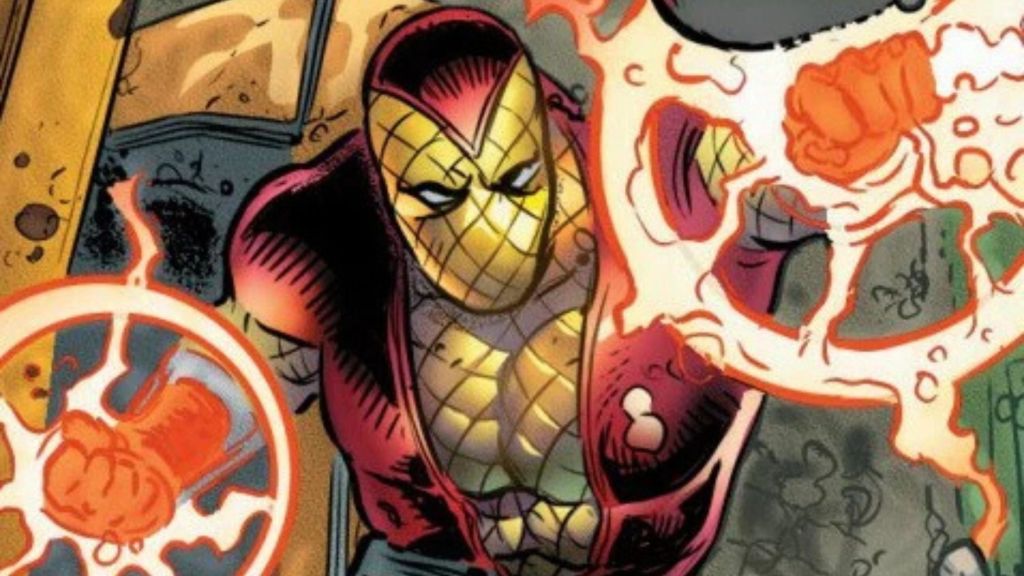
Shocker is Herman Schultz, a self-taught engineer and safe-cracker who, after being jailed, built a pair of vibro-shock gauntlets that fire concussive vibrational waves, turning a competent thief into a credible super-villain. He debuted in Amazing Spider-Man #46 (1967) by Stan Lee and John Romita Sr. This makes him one of the best villains of the 1960s that Steve Ditko didn’t co-create, but he still fit in perfectly with the Ditko villains. He actually beat Spider-Man in their first fight, which showed he was dangerous from the start. He also set the template for Spider-Man’s blue-collar gadget villains of the future.
9) Chameleon (Dmitri Smerdyakov)
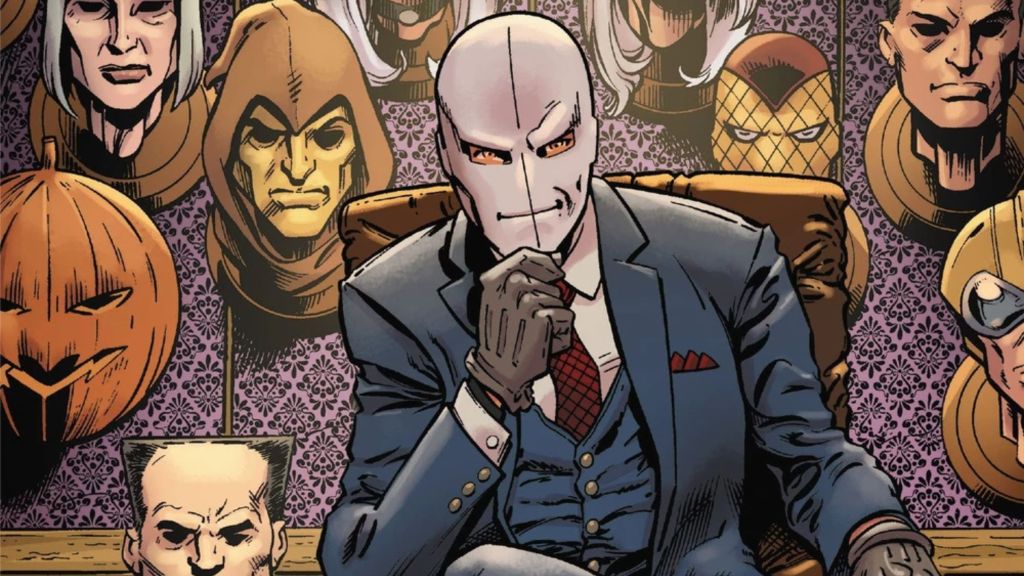
The first-ever Spider-Man villain (other than the Burglar who killed Uncle Ben) was the Chameleon in Amazing Spider-Man #1 (1963). He appeared in the backup story after Spidey clashed with the Fantastic Four in that specific story in the issue. Chameleon is a super-criminal who uses lifelike masks to impersonate anyone, making him a threat built around deception rather than brute force. In the first story, he impersonates a government scientist in order to steal missile defense plans. He becomes more important later when he impersonates Spider-Man and also ends up revealed as Kraven’s half-brother.
8) Scorpion (Mac Gargan)
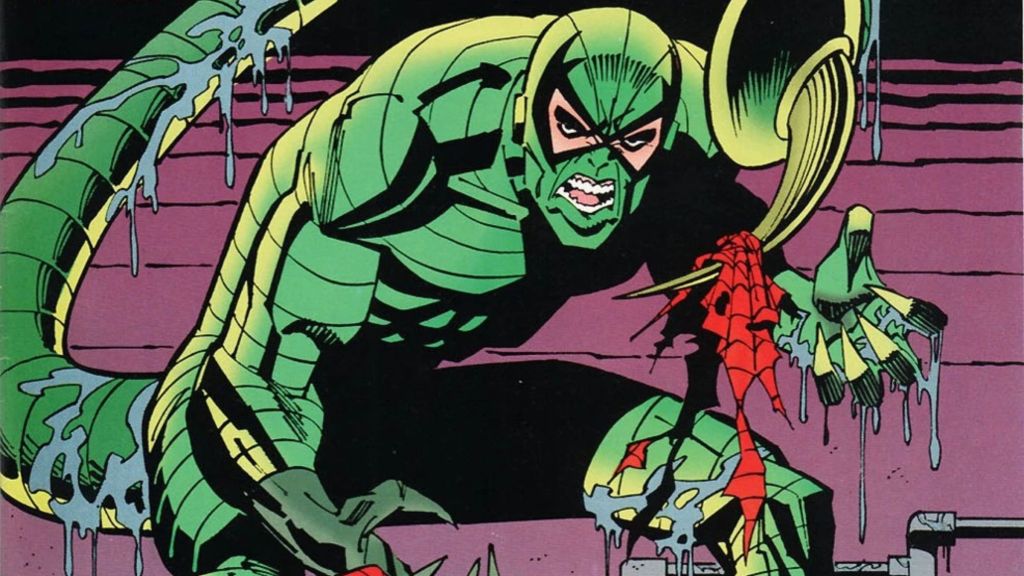
Scorpion was one of the first villains created to be a nemesis for Spider-Man. Mac Gargan was a private investigator whom J. Jonah Jameson hired before paying Dr. Farley Stillwell to mutate him so he could beat Spider-Man in Amazing Spider-Man #20 (1965). However, when the mutation turned him into the Scorpion, it drove Gargan insane, and he ended up turning on Jameson and trying to kill Spider-Man. He became a constant nemesis for Spider-Man for the rest of the 1960s, and it was perfect because a scorpion is the natural predator of spiders. He became even more important years later when he became Venom.
7) Lizard (Curt Connors)
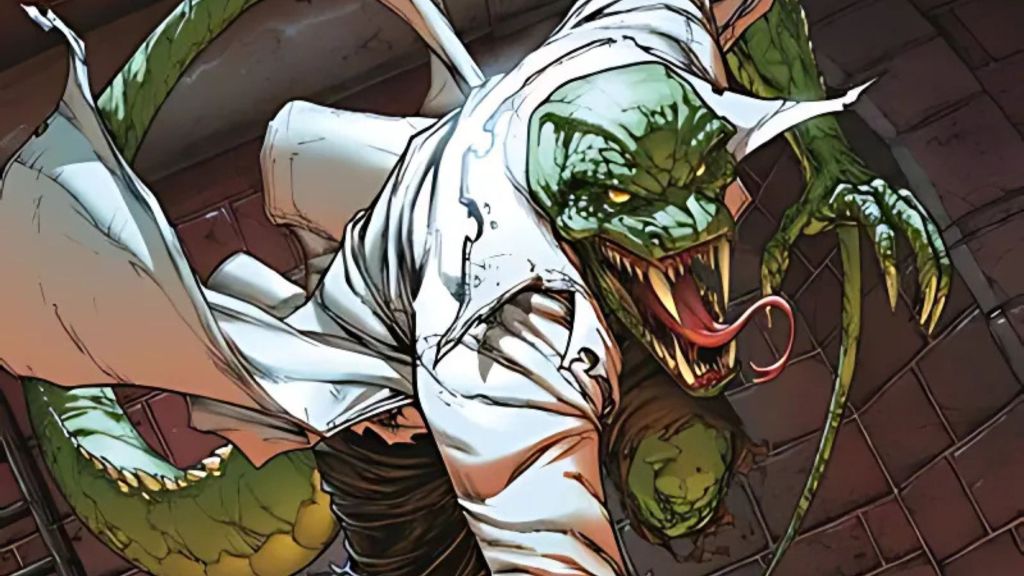
Curt Connors is the most tragic Spider-Man villain in history and was one of the villains in the 1960s that Spidey wanted to help and not hurt. Dr. Connors was missing an arm, and he developed a serum derived from reptile DNA in an attempt to regrow it. Instead of regrowing the arm, it turned him into a giant, feral, humanoid lizard. He debuted in Amazing Spider-Man #6 (1963), where he was presented as a good family man who was unwittingly transformed into a monster. This created the template for later characters who were turned into monsters thanks to science, such as Morbius and the Man-Thing.
6) Mysterio (Quentin Beck)
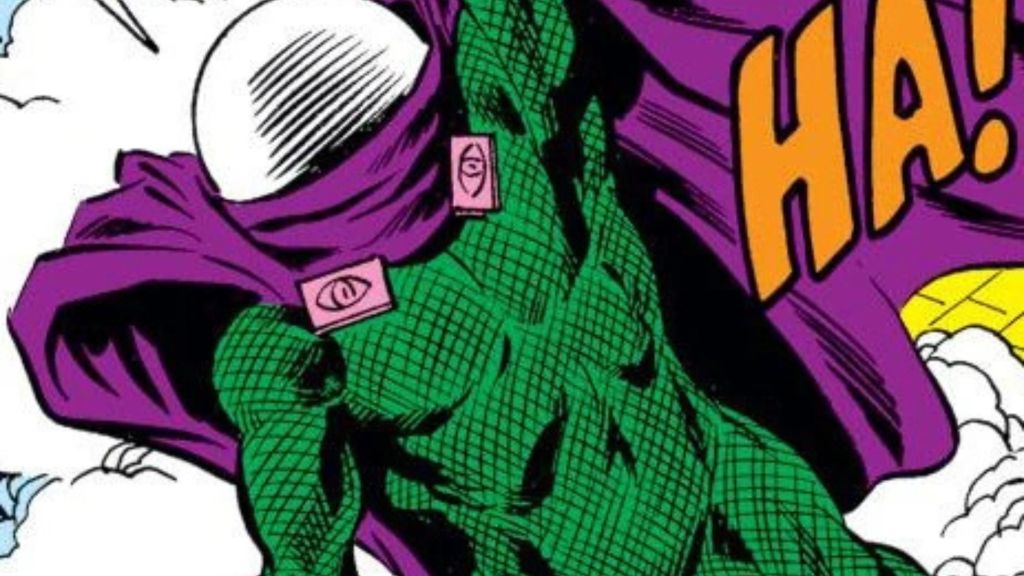
Mysterio was Quentin Beck, a Hollywood special-effects artist and stuntman whose film-industry illusions, smoke, robotics, and hallucinogenic gases let him fake superpowers and frame other heroes for crimes. This is how he was introduced in Amazing Spider-Man #13 (1964), as he framed Spider-Man for crimes and posed as the hero trying to stop him. It was the basis for Spider-Man: Far From Home, over five decades later. He was one of the first villains in the 1960s who had a chemical that neutralized Spider-Man’s spider-sense, and he went on to help form the Sinister Six.
5) Kraven the Hunter (Sergei Kravinoff)
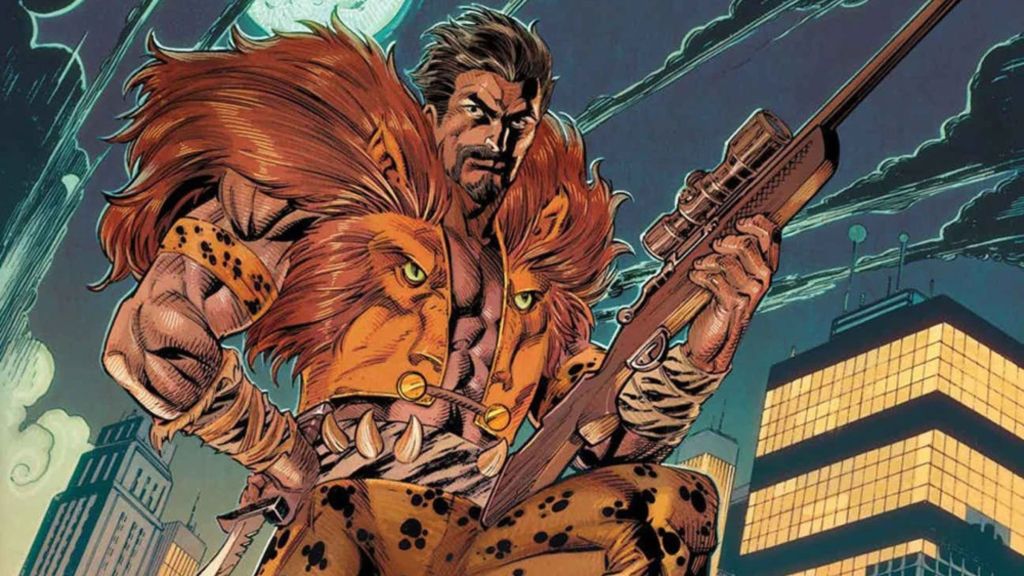
Kraven the Hunter was a different villain, as he wasn’t someone who wanted to rob banks or take over the world. Instead, he was a world-class hunter who had killed every big game known to man and was looking for his next target. That target was Spider-Man, a human with superpowers who was what Kraven considered the most dangerous game. He debuted in Amazing Spider-Man #15 (1964) and was eventually part of the Sinister Six, although he only cared about beating Spider-Man one day. His sole goal of seeking glory played out in the 1980s with the iconic “Kraven’s Last Hunt” storyline.
4) Sandman (William Baker)

Sandman was a villain named Flint Marko, birth name William Baker, who was involved in an accident on a beach contaminated by an atomic-device test, which gave him the ability to transform his body into shifting sand. He could become impossible to touch and then rock hard in the next moment. He debuted in Amazing Spider-Man #4 (1963), and he was the first villain whose powers actually outclassed Spider-Man’s strength. It took Spidey finding tricks to bring Sandman down. He was also a criminal who would one day become a hero, making his legacy even greater as the decades wore on.
3) Vulture (Adrian Toomes)
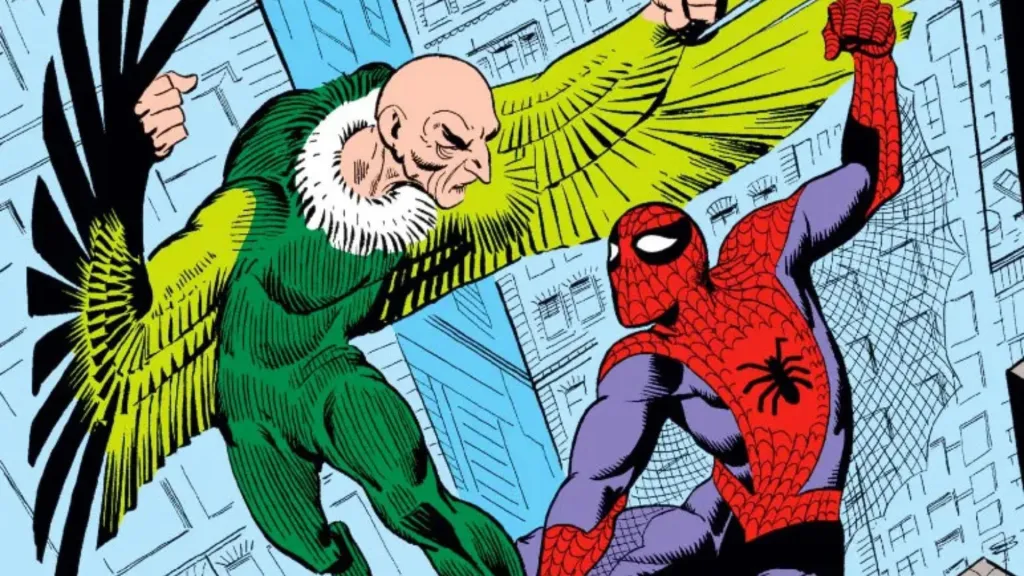
The Vulture is one of Spider-Man’s most unique villains because he was an older man instead of a younger or middle-aged villain. Adrian Toomes debuted in Amazing Spider-Man #2 (1963) as the first villain Spider-Man fought with actual powers in the form of an electromagnetic flight harness. He turned into a thief after his business partner cheated him out of his company, and he sought revenge. This offered the web-slinging Spider-Man the first villain he could battle in the skies, something that became one of his most impressive action sequences over the years.
2) Doctor Octopus (Otto Octavius)
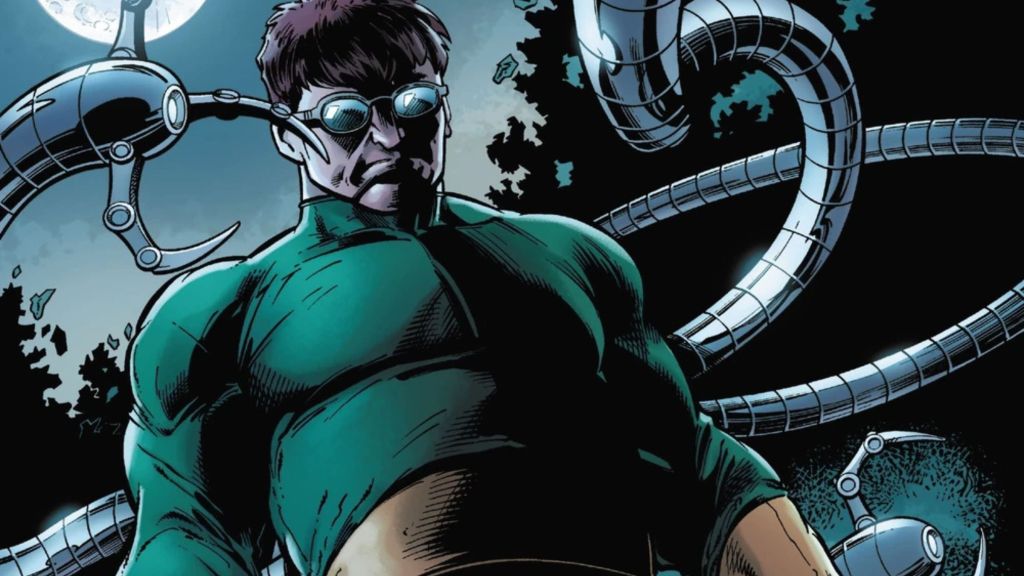
There are two villains who are synonymous with Spider-Man over the years, and both of them debuted in the 1960s. One of them is Doctor Octopus, who was the perfect villain for Spider-Man from the start. Peter Parker was a brilliant science student in high school, and he was smart enough to create his own web-shooters and other gadgets that he used over the years. Otto Octavius was an older scientist, and he was the perfect example of what Peter could have turned into if he chose evil instead of heroism. Doc Ock debuted in Amazing Spider-Man #3 (1963) and became one of Spider-Man’s most important enemies in every decade since.
1) Green Goblin (Norman Osborn)
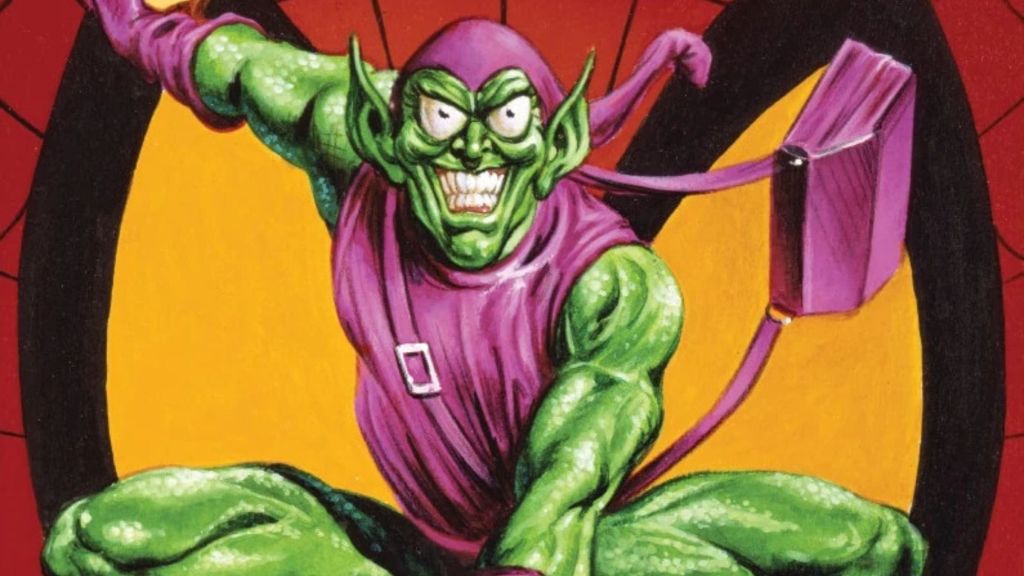
While Doctor Octopus was Spider-Man’s greatest enemy over the years, no one did more to hurt him than the Green Goblin. In terms of importance, what Goblin did was unmatched by any other villain in history. He debuted in Amazing Spider-Man #14 (1964), and his identity was a mystery for two years. Eventually, Peter learned he was his best friend Harry Osborn’s dad, and that is when the trouble started. In the 1960s, he was tied up in Peter and Spider-Man’s lives, and then in the 1970s, he went over the line. He killed Gwen Stacy, was the catalyst for Harry Osborn turning evil, and was responsible for the Clone Saga. The Green Goblin has always been Spider-Man’s deadliest villain.
What do you think? Leave a comment below and join the conversation now in the ComicBook Forum!
More Comics
-
Image Courtesy of Marvel Comics -
Image Courtesy of Marvel Comics -
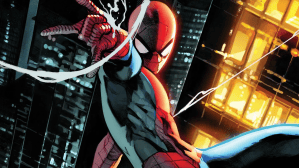
Image Courtesy of Marvel Comics

![Jason Pearson’s Body Bags Getting Definitive Omnibus Edition From 12-Gauge Comics (And You Can Check Out the Kickstarter Now) [EXCLUSIVE]](https://comicbook.com/wp-content/uploads/sites/4/2026/10/body-bags-kickstarter.jpg?w=300)