
Character deaths in comic books are as much a narrative crutch as they are a spectacle. Writers might kill off a hero for artistic reasons, only for an editorial team to resurrect them because, well, nobody’s buying T-shirts of a corpse. It’s this bizarre push-and-pull between storytelling and business that makes comic character deaths both frustrating and endlessly fascinating. These moments can redefine entire franchises, pushing other characters into the spotlight or spinning off new storylines.
Videos by ComicBook.com
Still, when done well, a character’s death can become legendary. It’s a chance for writers and artists to craft something unforgettable, a moment that sticks with readers even after the character’s inevitable return. Whether it’s a hero going out in a blaze of glory or a tragic, quiet end, these moments remind us why we care about these larger-than-life figures in the first place. Even if we know we’ll see them again, it’s the emotional punch that keeps us coming back for more.
10. Captain Marvel (Mar-Vell)
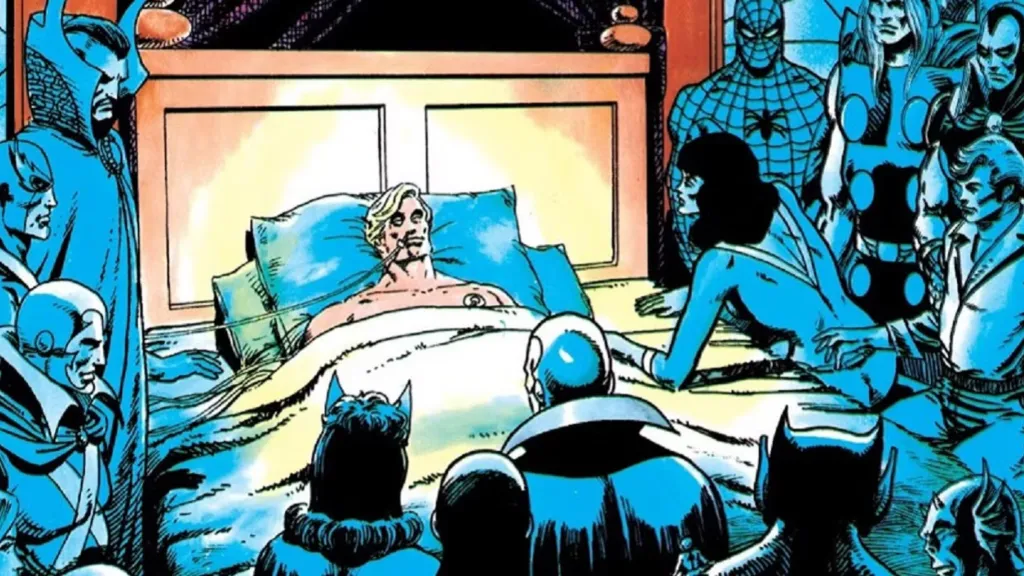
Captain Marvel’s death was one of the most emotional moments in Marvel Comics. Mar-Vell, a hero who had saved countless lives, succumbed not to a cosmic foe but to cancer. In The Death of Captain Marvel (1982), readers saw a rare and grounded end for a superhero, as Mar-Vell spent his final moments surrounded by friends, reflecting on his life. It was a deeply human story that stood out in the larger-than-life world of comics.
Unlike many other deaths in comics, Mar-Vell’s has remained permanent. While others have carried the Captain Marvel mantle, Mar-Vell’s passing marked the end of an era, and his legacy continues to influence the Marvel Universe decades later.
9. The Flash (Barry Allen)
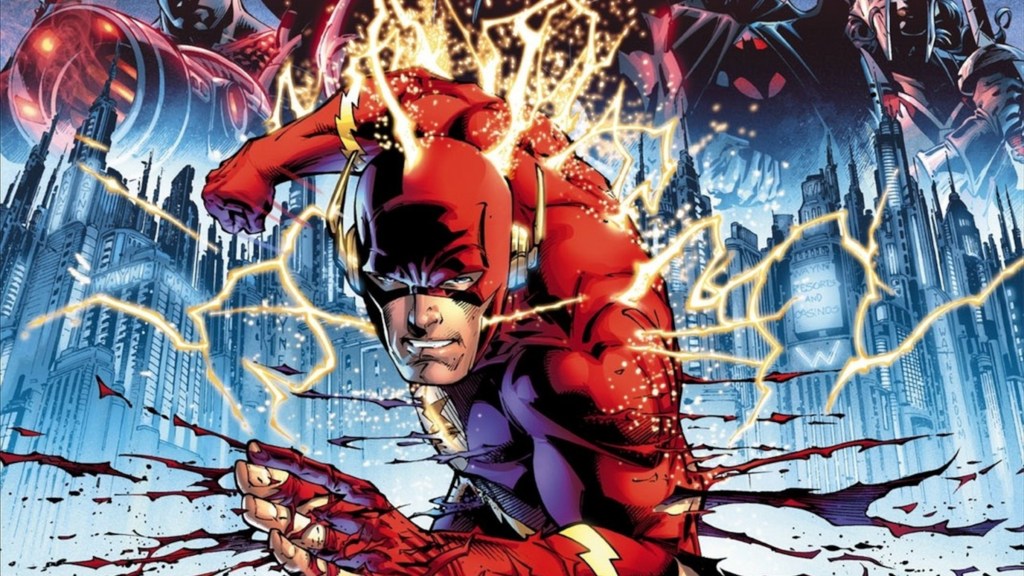
Barry Allen’s death in Crisis on Infinite Earths (1985) is still considered one of the greatest sacrifices in comic book history. Racing against time to stop the Anti-Monitor’s antimatter cannon, Barry pushed himself to the limit, ultimately disintegrating in the process. His heroic act saved the multiverse, leaving a massive void in the DC Universe.
Barry stayed dead for over 20 years, a rarity in comics, allowing Wally West to grow into the role of the Flash. While Barry’s eventual return in Final Crisis (2008) reignited his legacy, his death remains one of the most shocking and impactful moments in DC’s history.
8. Jason Todd (Robin)
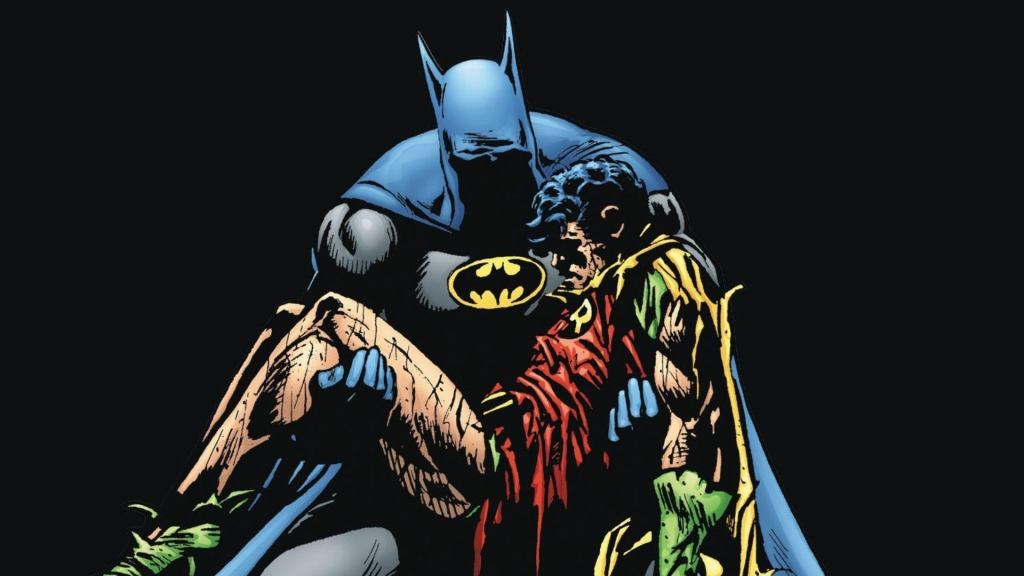
Jason Todd’s death in Batman: A Death in the Family (1988) was brutal and unforgettable. Beaten with a crowbar and left to die in an explosion by the Joker, his demise was made even more shocking because fans voted for it to happen. The controversial decision to kill off the second Robin highlighted the darker direction Batman comics were taking and left a lasting scar on Bruce Wayne.
Jason’s eventual return as the Red Hood added a layer of complexity to his story, transforming him into a morally ambiguous anti-hero. His death and resurrection remain key moments that shaped both Batman’s character and the tone of the Bat-family’s stories.
7. Jean Grey (Dark Phoenix)
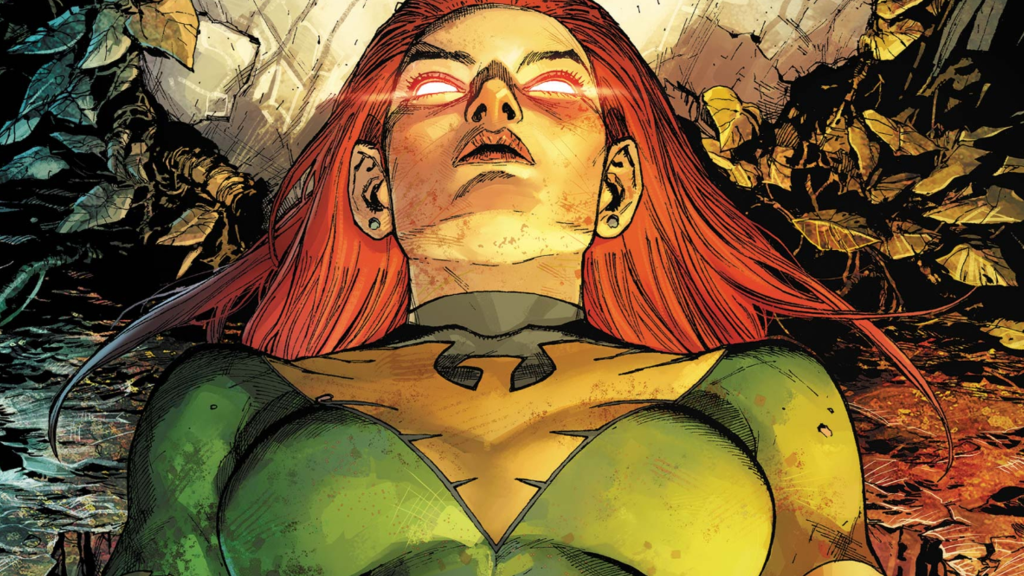
Jean Grey’s death during The Dark Phoenix Saga (1980) was a turning point for the X-Men. Corrupted by the Phoenix Force, Jean became a cosmic threat, destroying an entire planet and endangering the universe. In the end, she chose to sacrifice herself on the moon to prevent further destruction, leaving the X-Men devastated and fans stunned.
Though Jean has been resurrected several times since, her original death remains one of the most significant moments in Marvel history. It redefined the stakes in superhero storytelling and demonstrated the consequences of unchecked power.
6. Superman

Superman’s death in The Death of Superman (1992) was a cultural phenomenon. His battle with Doomsday pushed him to his physical limits, and both combatants fell in the climactic conclusion. The image of Superman’s torn cape became a symbol of loss, and the world mourned the death of the Man of Steel.
While his resurrection in Reign of the Supermen (1993) was expected, the impact of his death on the DC Universe and the broader pop culture landscape was undeniable. It brought mainstream attention to comics and showed that even the most invincible heroes could fall.
5. Gwen Stacy
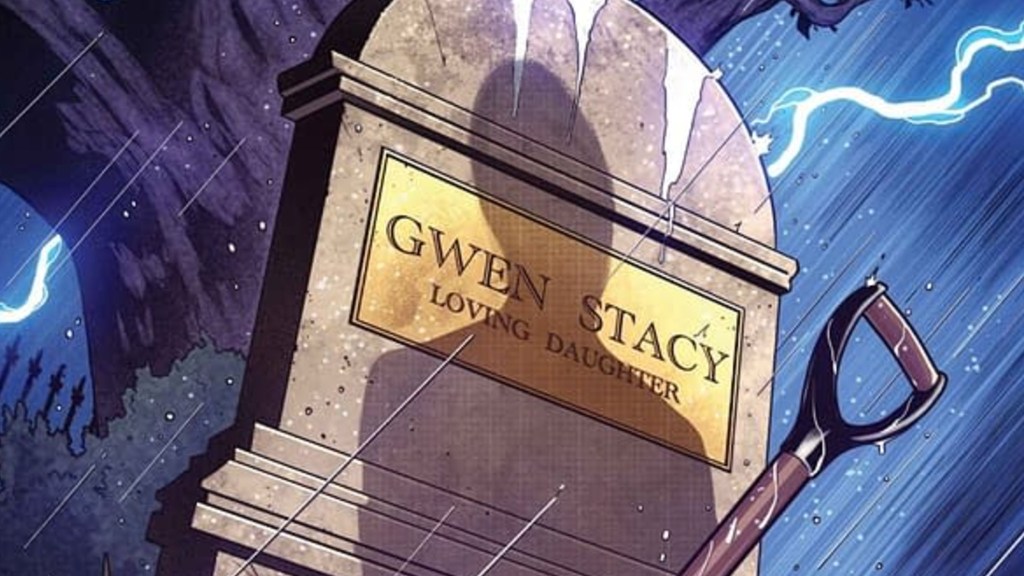
Gwen Stacy’s death in The Night Gwen Stacy Died (Amazing Spider-Man) shocked readers and changed Spider-Man forever. When Green Goblin dropped Gwen from a bridge, Peter Parker’s attempt to save her with his webbing caused her neck to snap. This tragic moment was unlike anything seen in superhero comics at the time, breaking the mold of predictable outcomes.
Gwen’s death has remained permanent in the main continuity, a rarity in comics. It marked the end of Peter’s innocence and introduced a level of emotional depth that few superhero stories had previously explored.
4. Wolverine
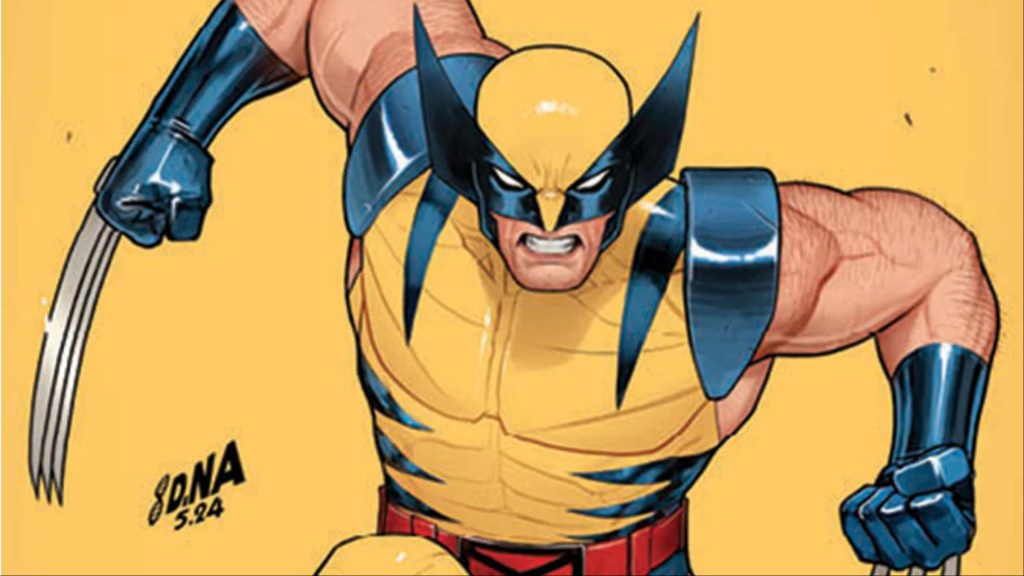
Wolverine’s death in The Death of Wolverine (2014) was both shocking and monumental. After losing his healing factor, Logan faced his mortality and ultimately sacrificed himself to stop Dr. Cornelius from creating more human-weapon hybrids. Encased in molten adamantium, his final pose was a haunting image of defiance and strength.
Though Wolverine returned in The Hunt for Wolverine (2018), his death highlighted the vulnerability of a hero who had always seemed invincible. It was a rare moment of finality for one of Marvel’s most enduring characters.
3. Bucky Barnes (Winter Soldier)
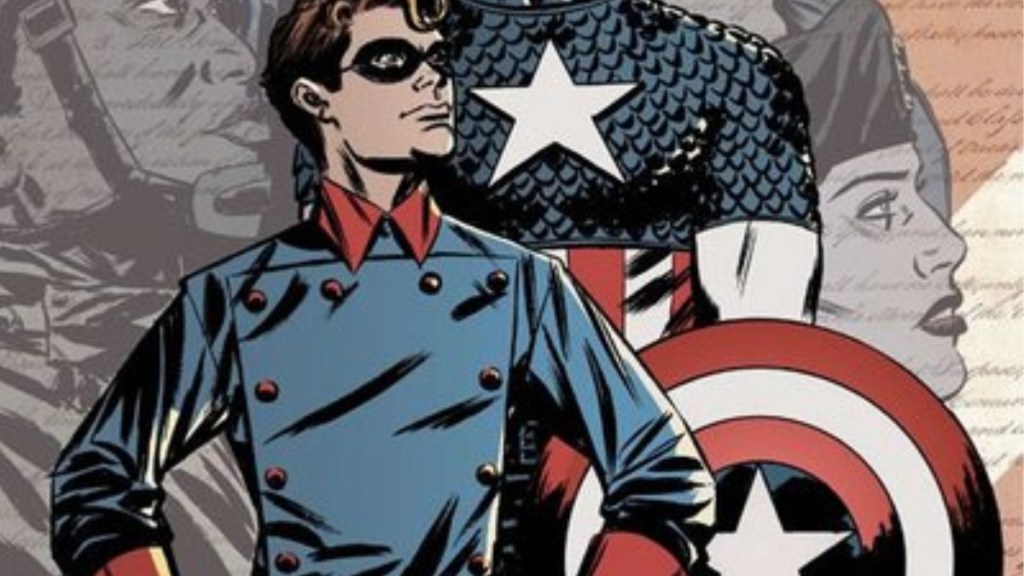
Bucky Barnes’ death in World War II was a key part of Captain America’s origin story. For decades, Bucky remained one of the few characters to stay dead, making his return as the Winter Soldier in Captain America (2005) even more shocking. The revelation that he had been brainwashed into becoming a deadly assassin redefined his character and added a darker edge to Captain America’s legacy.
Bucky’s return not only expanded his own mythos but also deepened Steve Rogers’ story. The Winter Soldier arc remains one of the greatest examples of how a shocking return can enhance a character’s narrative rather than undermine it.
2. The Joker (Arkham Asylum)
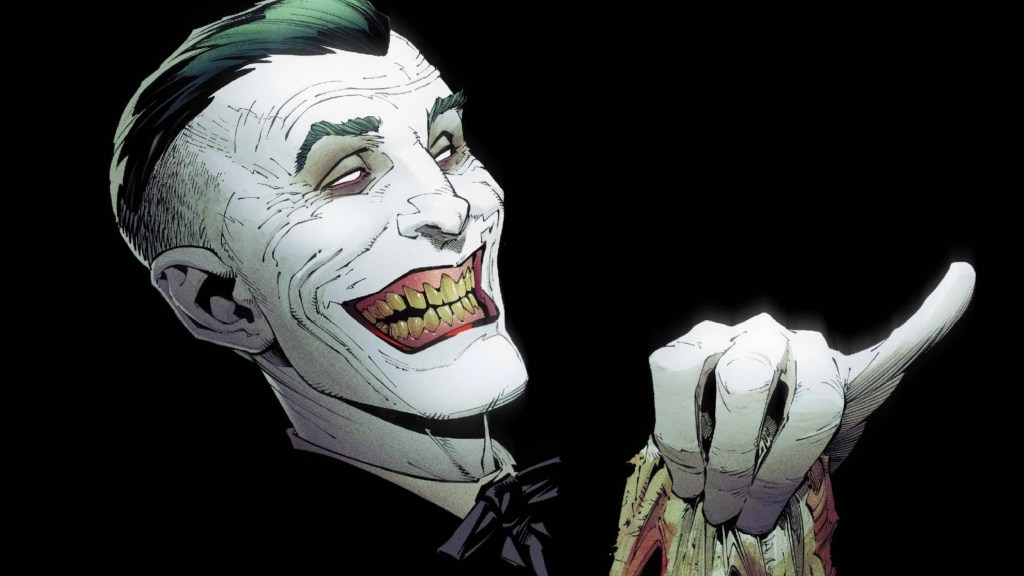
The Joker’s apparent death in Batman: Arkham Asylum – A Serious House on Serious Earth (1989) was as ambiguous as it was shocking. The graphic novel’s psychological tone suggested that Batman may have killed the Joker during their confrontation. The possibility of the Dark Knight crossing that line left readers stunned and raised questions about the nature of justice in Gotham.
Although this death exists outside main continuity, it has been revisited in various alternate stories. Each time it forces readers to confront the moral complexities of Batman’s war on crime and his relationship with the Joker.
1. Uncle Ben
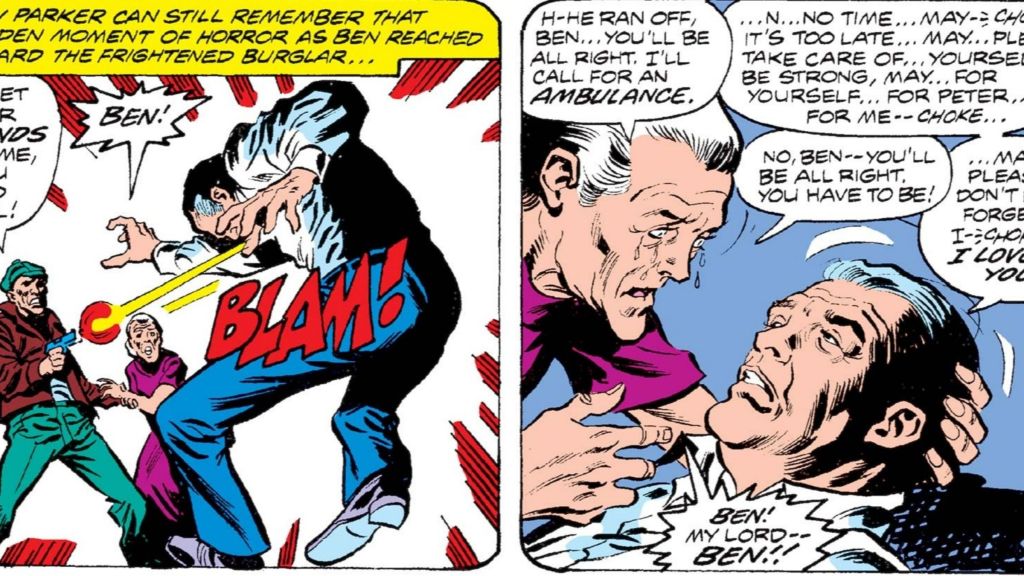
Uncle Ben’s death in Amazing Fantasy #15 is one of the most iconic moments in comic book history. His murder at the hands of a burglar Peter Parker could have stopped was the catalyst for Spider-Man’s origin. This single event defined Peter’s journey as a hero, driven by guilt and a desire to prevent others from suffering the same loss.
Unlike most comic book deaths, Uncle Ben’s has remained permanent. His absence continues to shape Spider-Man’s character, serving as a constant reminder of the consequences of his actions and the weight of responsibility.
What do you think? Leave a comment below and join the conversation now in the ComicBook Forum!
More Comics
-
Image Courtesy of Marvel Comics -

Image Courtesy of DC Comics/Vertigo -
Image Courtesy of Marvel Comics -
Image Courtesy of Marvel Comics -
Image Courtesy of Marvel Comics -
Image Courtesy of DC Comics -
Image Courtesy of DC Comics
![Danny Trejo Reveals How His Family Ancestry Influenced New Comic Year of the Devil [EXCLUSIVE]](https://comicbook.com/wp-content/uploads/sites/4/2026/08/danny-trejo-exclusive.jpg?w=300)
