DC Comics played a huge role in making superheroes popular. Superman and Batman took elements of the pulp stories that came before them — the sci-fi, the detective tales, the costumes — and took them in new directions. If you like superheroes at all, you have those DC creators — Joe Siegel, Jerry Shuster, Bib Kane (although don’t thank him so much; he was legendarily terrible, taking more credit from those he worked with than even Stan Lee), Bill Finger, Gardner Fox — to thank. In the years since, DC has also done a lot to move both superheroes and the comic medium forward. It was DC that kept superheroes alive in the ’50s, when comics were blamed for juvenile delinquency, and ushered in the Silver Age. DC brought the concept of the Multiverse to comics. However, when most people think of who changed comics the most, they think of Stan Lee, the man who made Marvel into a titan in the ’60s.
Videos by ComicBook.com
Lee was a great showman, something of a carnival barker for the House of Ideas. He’s everyone’s comic grandfather, and the Marvel Cinematic Universe made him more popular than ever in the minds of the general public. However, Lee isn’t the only important figure in comics, and there’s one who deserves a massive amount of respect for transforming comics in the ’80s — Jenette Kahn. Kahn took over as publisher of DC Comics in the late ’70s and was able to take a publisher on the verge of collapse and make it into a creative powerhouse. Stan Lee gets all of the credit for making comics great, but Kahn’s work at DC allowed the publisher — and comics — to became greater than ever.
Jenette Kahn Helped Bring the Greatest Comic Creators to DC Comics
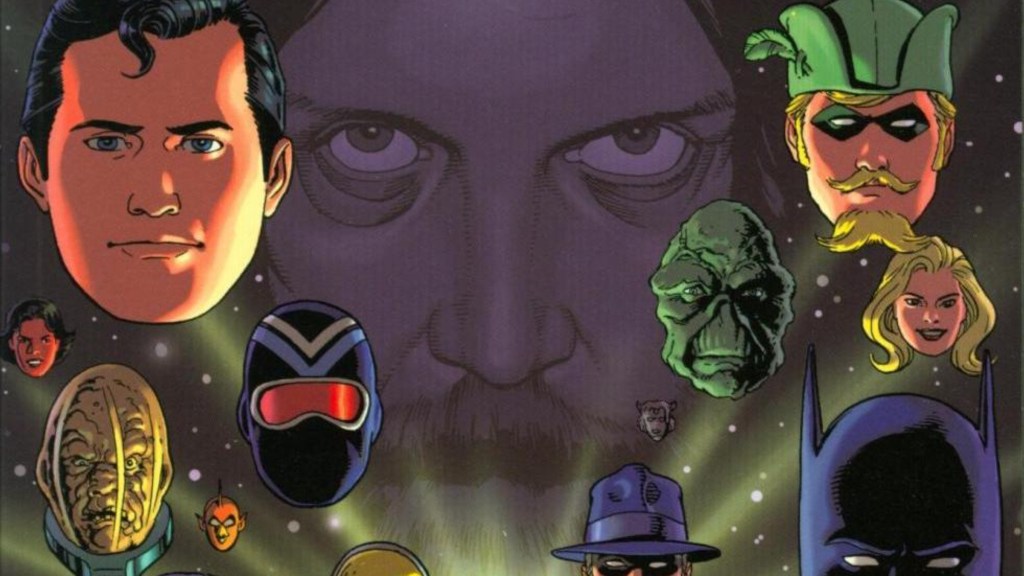
The ’70s weren’t a great time for DC in a lot of ways. Marvel had grabbed the comic fandom in the ’60s and hadn’t let go. DC was still competitive, but Marvel was the “cool” publisher. DC wasn’t, no matter how hard they tried. The late ’70s saw the publisher try to compete with Marvel with the DC Explosion, a launch of multiple DC books from heroes across the DC Multiverse. However, the Explosion backfired; there wasn’t enough interest in DC for that many DC books. This led to the DC Implosion. Kahn was publisher during this period and watched as DC Comics almost died. It was a scary time, but she didn’t let that daunt her. DC pared down their publishing line, and basically lived off Superman: The Movie‘s success. Kahn kept the whole thing together, and was able to finally strike a sale blow against Marvel with New Teen Titans. The success of that book helped make DC competitive again, and Kahn was made president of the company in 1981. This is where the real work of changing DC began, as Kahn, Paul Levitz, and Dick Giordano were able to grab UK talents like Alan Moore, Dave Gibbons, and Brian Bolland. Without Kahn, Moore wouldn’t have begun working in American comics, and readers never would have gotten his Swamp Thing or Watchmen.
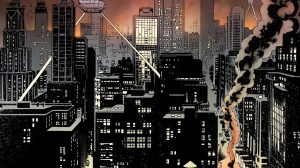
Moore, Gibbons, and Bolland’s success drove DC to bring over more talent from the UK, and we got some of the greatest comic creators ever, with Kahn going to the British Isles to help recruit them. If you love Grant Morrison, you’d never get their work without Kahn. Kahn wasn’t a creator or even an editor like Lee, but she did something nearly as important — she recruited the talent and helped set the tone of the publisher. DC under Kahn in the ’80s was constantly pushing envelope, much like Marvel did under Lee. Lee made comics bigger than ever (although they were already pretty big at the time; Justice League of America sold very well, and its success played a big role in Lee’s being allowed to revitalize Marvel’s superheroes) and so did Kahn. Kahn gave DC the tools they needed in the ’80s to make mainstream comics into something they had never been — literature. DC put out the greatest comics of the ’80s, and Kahn played no small role in that. Instead of playing it safe, Kahn pushed DC to take chances and swing big, and because of that, comics were changed forever.
The amount of amazing titles that came out under Kahn were, in my opinion, better than anything that Lee was involved in. Fantastic Four, The Amazing Spider-Man, and The Avengers were all great titles, but without Kahn we never would have gotten Watchman, Ronin, Camelot 3000, The Dark Knight Returns, The Sandman, Morrison’s Animal Man and Doom Patrol, Crisis on Infinite Earths, The New Teen Titans, Hellblazer, Swamp Thing, Robinson’s Starman and The Golden Age, the entirety of the Vertigo line, and many more. Lee did great work (and I would say that he’s more important as an editor than he ever was as a writer), but Kahn helped comics reach the next step. Lee began the process of bringing a certain maturity to comics, but Kahn is the one who recruited the people and set the tone that would take comics the rest of the way.
Kahn Gave DC the Tools to Take Comics to Their Ultimate Form
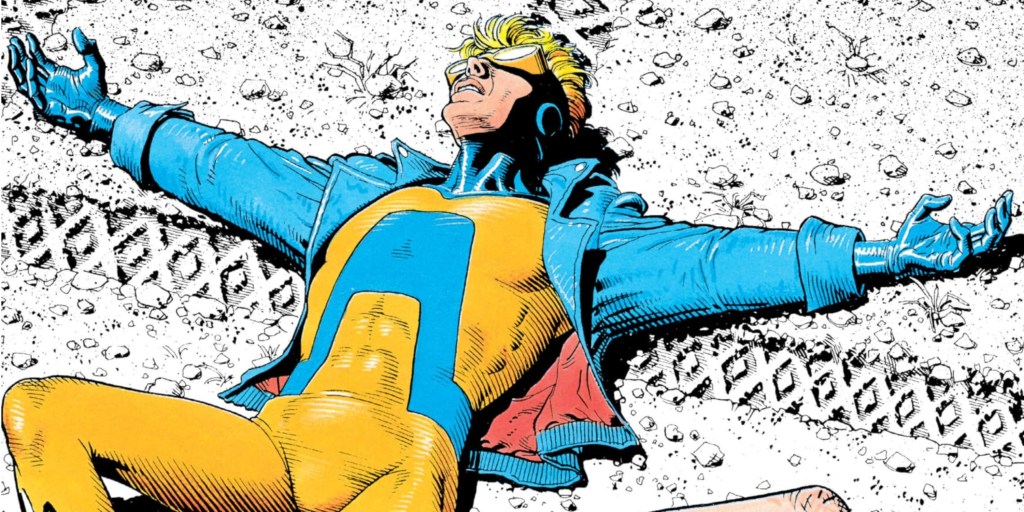
Despite what anyone thinks about Lee, one cannot underestimate the importance of Stan Lee to comics. He made Marvel into a contender and did it by taking comics in a new direction. We can argue about the Marvel Method and who did what at Marvel during Lee’s tenure, but we can’t deny how important he was. However, I would say that looking at the work produced under Kahn, she was vastly more important. She brought in the talent that made comics into something new.
Everyone knows Stan Lee, and they should. However, there are other people in comics who should also just as well-known and respected as Lee. Kahn is one of those people. Kahn took steps similar to Lee’s and helped move comics further down that road. Jenette Kahn worked at DC from 1976 to 2002. DC might not have been the bestselling company during those years, but it was the epicenter of comics art, which would have been impossible without Kahn.
What do you think of Jenette Kahn? Sound off in the comments below.
Most Viewed
-

Courtesy of Eight-Bit -
Courtesy of Kadokawa / Shosetsuka ni Naro -

Courtesy of Crunchyroll -

Image courtesy of 20th Century Studios