With the rise of commercially available generative AI, quickly generated and often inaccurate “slop” has become commonplace on plenty of platforms — including gaming. Even though gamers have been vocal about their dislike of the technology in game design, people have been chugging away with it. This has led to plenty of AI-generated content that rings false on every level, even in the world of game guides.
Videos by ComicBook.com
As reported by Kotaku, there are now plenty of game guides claiming to be for upcoming releases — only to bear all the telltale signs of being generated by AI. Game guides for games that don’t come out for months are now available on Amazon for sale. While Amazon being fine with AI shouldn’t come as much of a surprise given their own use of it in games, these guides are poorly written and purporting to be for titles that don’t have formal release dates. The books would be hilarious if they weren’t so horrifying on a cultural level.
The AI “Game Guides” Are Hilariously Bad
The story comes from a post on Rick’s Game Blacklog, which explores some of the books. After purchasing the “Gear of War E-Day” Game Guide from Amazon — and taking note that it’s supposed to be “Gears of War” — Rick read the books and discovered something far more along the lines of a printed Google Doc than an actual game guide, complete with a table of contents that are printed hyperlinks. The books are poorly edited and constructed, with plenty of weird turns of phrase or bizarre concepts — like “Survival Mechanics” and “Psychological Warfare” features that feel entirely divorced from anything even resembling a Gears of War game.
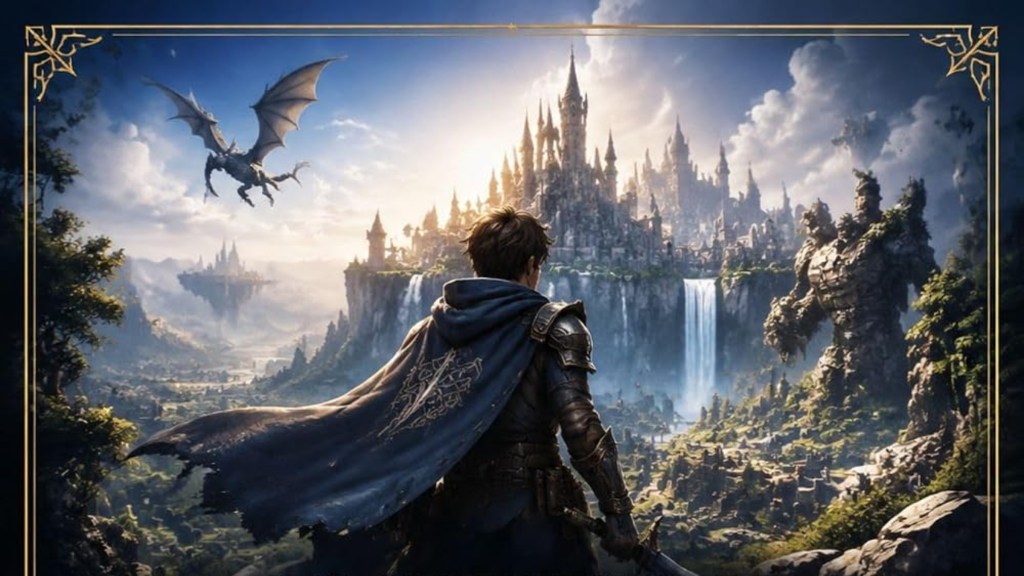
Unlike most actual game guides, there are no pictures, level descriptions, or gameplay tips. Which makes sense; the games haven’t been finished. Coupled with obviously AI-generated cover art that sometimes barely connects with the source material. Seriously, the cover art for multiple game guides for The Adventures of Elliot: The Millennium Tales looks nothing like the Square Enix fantasy epic that was just released. There is also the off-model artwork for games like Star Fox for the Switch 2 or guides for Resonance: A Plague Tale Legacy that look nothing like what the (currently unreleased) game looks like. The “guides” read more like poorly edited books, with occasional mention of gameplay that often fails to actually delve into it like a guide is supposed to.
Compared to the incredibly thorough guides of yesteryear, full of artwork, pictures, and specific descriptions, these new game guides are lacking in every regard. As unintentional comedy, these “guides” are a gold mine of spelling errors and strange divergences, with little actual connection to their supposed source material. On a certain absurd level, these books highlight just how bad AI-generated creations can be — and prove their unintended worth as sources of comedy. It’s so poorly thought out, it even lacks page numbers — which seems like a must-have for a book purporting to include specific information and tricks for better gameplay.
Why The AI-Written Game Guides Scare Me
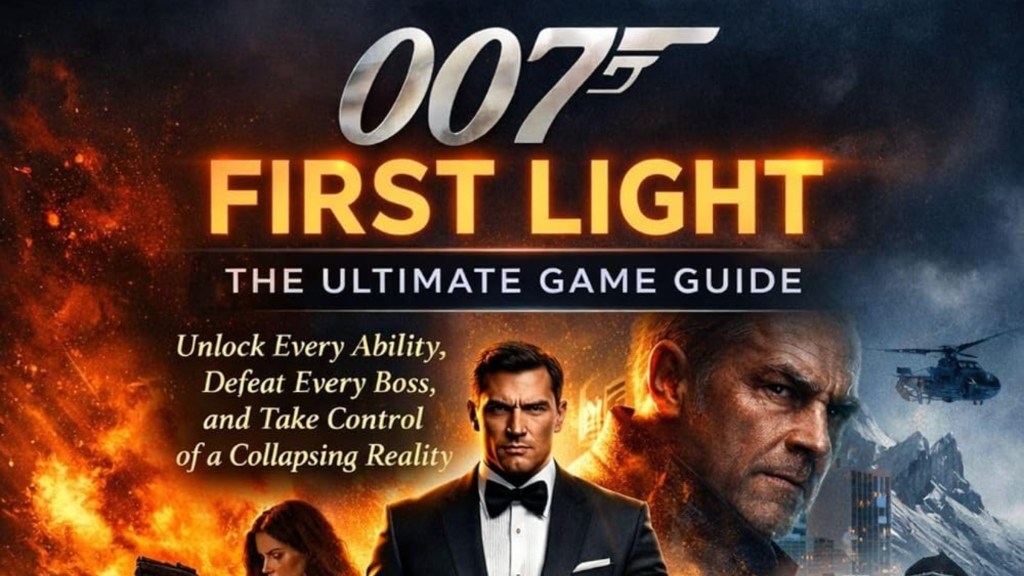
The most illuminating part of Rick’s journey into the world of generated game guides is just how even a ludicrously transparent attempt to cash in on someone else’s work can become a financial success in our modern digital landscape. It’s easier than ever to post AI-generated content to platforms like Amazon, where the books are all readily available. Because of the way search engines naturally work on those websites, related items will often be grouped together — which is how the clearly fake game guide for “Gear of War E-Day” was able to be the second item listed during a search for the game.
When Rick requested a refund and cited his complaints with the guide, the book was pulled from the digital storefront — only to be promptly replaced with another clearly AI-generated game guide by a different author. These AI books are able to game the system in a way that propels them to the top of searches, despite a lack of any discernible connection to the games. There’s a speed and efficiency to that process that worries me a lot about the way media is shared and sold in the modern day. A slew of fake game guides, reading more like AI-generated syntheses of press releases and Wikipedia pages, could utilize the underlying mechanics of sites like Amazon to overshadow the actual work of the creators. It could be used to spread false claims, fake quotes, or pure misinformation — and if they’re ever called on it, the creators can simply pull it off the site and easily capable of replacing it, even if it looks nothing like the game it’s nominally connected to.
All the while, players may end up losing money to a guide that’s more or less useless as a guide; they may still assume it was official and become frustrated with the game itself. As someone who works in entertainment media, that is one of the underlying fears of AI content being so readily accepted as commercial art. Without oversight from the creators or the input of the owners of the concepts, properties can be transformed into something else entirely — and be used by someone to make a quick buck off fan excitement. It’s the sort of thing that undercuts entire corners of the games community that creates the authentic guides and frustrates players who were actually looking for one.