The katana is a fabled type of blade given mythical status by its portrayal in various forms of media. Real katanas are, obviously, incredibly sharp, but the way in which they are embellished in fiction makes it seem as though they could cleave clean through the very planet itself. Ghost of Yotei’s Lethal difficulty mode attempts to make that lethality more keenly felt during combat. It’s a unique idea and realizes a key part of the samurai fantasy wonderfully, making it the best way to play the game (albeit, with a slight catch).
Videos by ComicBook.com
Yotei’s Lethal mode, as was the case in Tsushima’s, makes it so everyone is quite vulnerable. Encounters fly by as each foe is turned into a whimpering amputee just a few seconds after they show any lapse in their defenses. The same also applies to the player, since a couple missed parries can put a premature end to Atsu’s journey. This weakness, though, still works fantastically because it helps sell the overall power of the blade; no one is safe from its meticulously honed edge.
Ghost of Yotei‘s Lethal Mode Makes Combat Appropriately Deadly
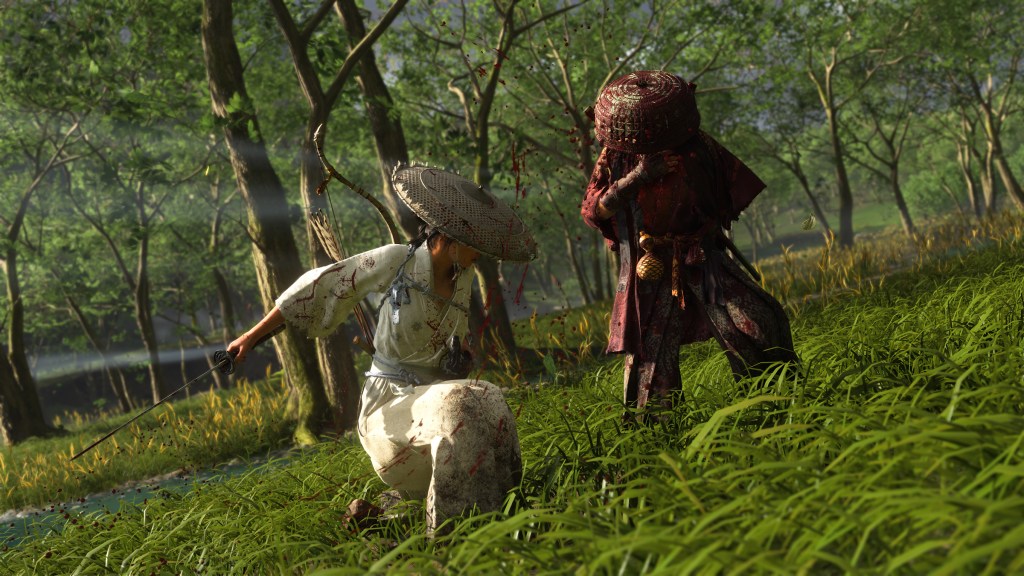
This is an amazingly empowering dynamic because it turns the katana (as well as the other new weapons Yotei introduces) into something as fabled as a lightsaber in Star Wars, a weapon famous for its ability to make quick work of anyone, be it a Jedi Knight or Stormtrooper. Given the many obvious parallels between Japanese samurai cinema and the lucrative space epic, this shared trait is not an accident. Landing a blow should feel like it has a tangible impact on the fight and being able to tank through a dozen hacks diminishes this all-important feeling.
Assassin’s Creed Shadows, one of Yotei’s peers, demonstrates how a game can completely flub this balance. Heroes and foes alike can withstand a ridiculous amount of stabs, slices, and bonks. A violent animation of being impaled vertically through the chin can only do a few ticks of damage if the arbitrary gear score isn’t at a certain number. An underweight peasant in nothing but sandals and a tattered kimono can endure hit after hit as if they were the most heavily armored hatamoto. Even with the newly added Nightmare mode and Yasuke’s special “More Damage, Less Health” perk that makes all parties more tender, Shadows’ mashy and poorly paced fights completely misunderstand the danger that’s often crucial to the best samurai media. The dissonance required in Shadows just isn’t as thick in Yotei since Yotei’s fights are as quick and deadly as they should be.
It’s difficult to be as deadly in a game so heavily dictated by leveling and RPG systems, and Yotei is impacted here, too, but only just a bit. The sword upgrades, for example, aren’t as useful on Lethal because most enemies are relatively fragile anyway, and this slightly weakens the incentive to get stronger gear. Bosses also don’t play by Lethal’s rules and still take quite a bit of punishment. It would have been more fitting to rely on the game’s existing stamina system for these duels. They could still die in a few slashes this way, but those fatal slashes would require more work. Having more traditional health bars is an understandable concession, though, and these oddities don’t take away from Lethal’s overall strengths.
Ghost of Yotei‘s Difficulty Sliders Make This Mode Even Better
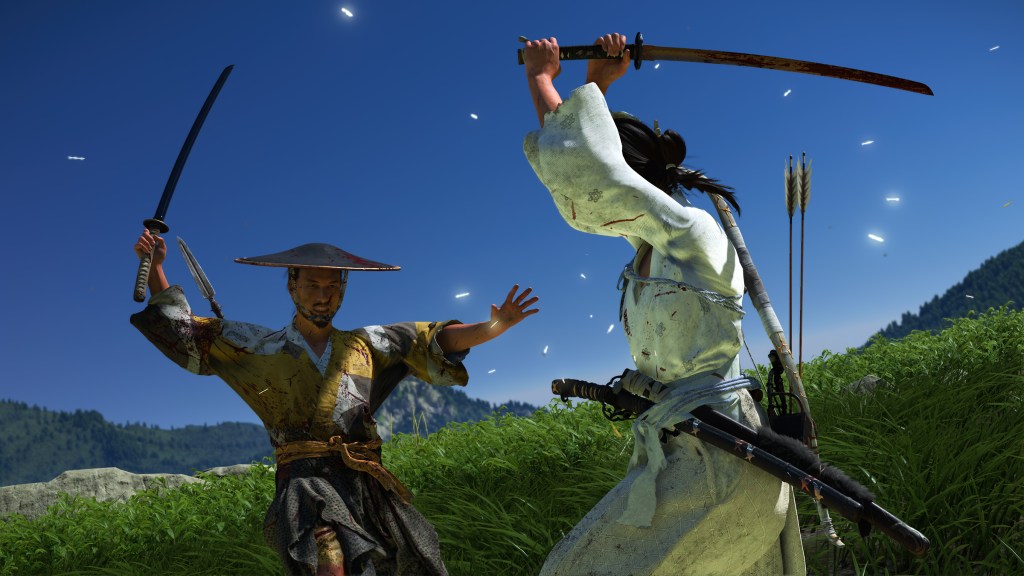
All of this comes with a tiny asterisk because Lethal mode can be somewhat frustrating, particularly in the early parts of the game. Not having any tools to help even the odds tips the scales too far in the first act or so. Enemy spawns also haven’t been specifically tuned for this special mode, meaning a mandatory fight with a dozen guards might feel fine on the base difficulty yet becomes a tedious exercise on Lethal since it’s easy to get overwhelmed, make two mistakes, and have to reload.
Tsushima’s Lethal mode had the same pitfall, but this is not a shortcoming Yotei has because it, like The Last of Us Part II, gives players greater control over all sorts of different variables. Knocking down the parry window timing a couple notches is just enough to take some of the edge off without completely dulling what Lethal is supposed to do. Death is still a few calculated cuts away and it can occasionally be annoying to have to restart an entire camp after one slip up, but battles are just more like a fluid, rhythmic ballet of death when perfect parries aren’t as demanding.
Ghost of Yotei nails a lot of the aesthetics surrounding the samurai, but it honors them more directly in its mechanics through the Lethal difficulty mode. Lethal realizes the dream of playing as a samurai by letting players mechanically feel the destructive power fantasy that should come with wielding a katana. It’s a more honest way to play Yotei and is a type of clever mode more types of games should explore.
A PS5 copy of Ghost of Yotei was provided by the publisher for the purpose of this feature.
What do you think? Leave a comment below and join the conversation now in the ComicBook Forum!
Most Viewed
-
Image courtesy of MAPPA -
Image courtesy of Daybreak Game Company